

♥ Wishlist
Compare 64 Diet and Sports Nutrition Products for Active Lifestyles products in Canada. Reviews, ratings, pros, cons and buying advice updated for October 2026.

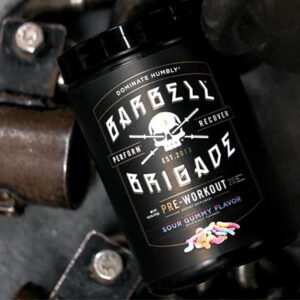
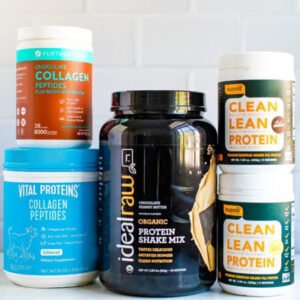
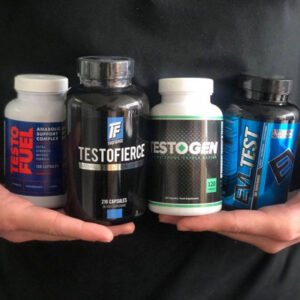
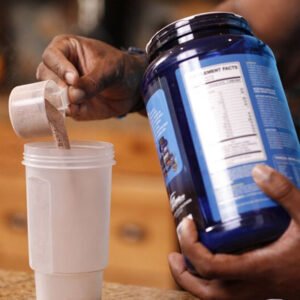
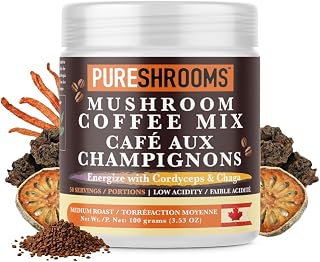
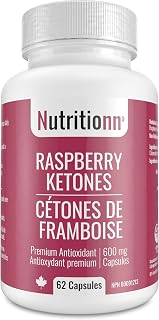


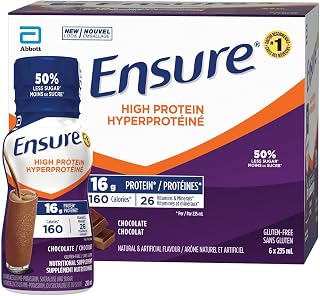
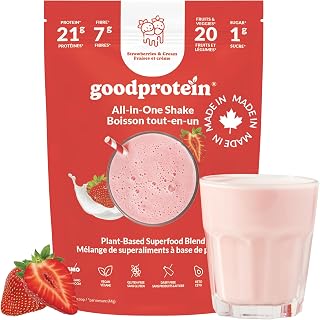




Finding a genuinely smart sports nutrition deal is about more than choosing the product with the largest discount or the highest number of customer ratings. A lower shelf price can be misleading when the package contains fewer servings, the serving size is unusually large, or the product includes ingredients that do not match your goals. For Canadian shoppers, the most useful comparison combines ingredient quality, nutrition per serving, package size, serving count, formulation, dietary preferences, storage requirements, and the total cost of using the product.
This is particularly important when comparing protein powders, protein bars, meal-replacement products, electrolyte mixes, creatine products, pre-workout formulas, recovery drinks, greens powders, and other sports nutrition products. Products that appear similar on the front of the package can have substantially different nutritional profiles once the Supplement Facts or Nutrition Facts information is compared carefully.
A smart purchase should therefore answer three questions: does the product suit the intended purpose, does the formulation provide useful value for the money, and can the product reasonably fit into your normal diet and routine? The best choice is not necessarily the most expensive product, the cheapest product, or the product with the longest ingredient list.
A good deal should provide meaningful value rather than simply a large-looking percentage reduction. Start by identifying the amount of usable nutrition you receive for the actual purchase price. For powders, this often means calculating the cost per serving and, where appropriate, the cost per gram of protein. For bars, compare protein and calories per bar as well as the price per unit. For electrolyte products, compare the number of servings and the quantity of relevant electrolytes delivered per serving.
Package size should also be considered. A large container can have a lower cost per serving, but that does not make it a better purchase if the product does not match your taste preferences, dietary requirements, or intended use. Buying a smaller package first can be more sensible when trying a new flavour or formulation.
The phrase “sports nutrition” covers a wide range of products. Comparing products from completely different categories solely by price or review count can produce poor purchasing decisions. First determine what type of product you actually need.
Protein powders are commonly purchased for convenience when someone wants an easy source of dietary protein. Whey concentrate, whey isolate, casein, milk protein, egg protein, soy protein, pea protein, rice protein and blended plant proteins are examples of formulations available to Canadian consumers.
Whey products are generally derived from milk and differ in processing and composition. Whey concentrate may retain more components of milk than whey isolate, while isolate products are typically processed to provide a higher proportion of protein by weight. The exact nutritional profile varies between formulations, so the label should be examined rather than relying on the product category alone.
Plant-based formulas can use one or several protein sources. Blends may combine ingredients such as pea and rice protein to create a broader amino-acid profile, although the exact formulation should be evaluated from the nutrition and ingredient information provided by the manufacturer.
When comparing products from brands such as Optimum Nutrition, Vega, Kaizen Naturals, Allmax, Leanfit, Garden of Life and MuscleTech, compare the actual nutrition panel and ingredient list rather than assuming that one brand or protein type is automatically superior for every shopper.
Protein bars can be convenient for work, travel, school, hiking or situations where preparing a conventional meal is impractical. However, a product labelled as a protein bar can vary considerably in protein, fibre, carbohydrate, fat, sugar alcohols, sweeteners and total calories.
Compare bars according to the role they are expected to play. A compact snack and a substantial meal-replacement-style product should not be evaluated using exactly the same criteria. If the primary objective is additional protein, look at protein relative to total calories. If the bar is intended as a more substantial food option, examine carbohydrates, fat, fibre and total calories as well.
Creatine is one of the most commonly discussed sports nutrition ingredients, but shoppers should distinguish the ingredient itself from blends containing numerous additional compounds. Creatine monohydrate is a well-established form used in sports nutrition. Product comparisons should focus on the amount of creatine supplied per serving, the number of servings, ingredient simplicity and total cost.
There is usually little reason to select a complicated formula simply because it contains more ingredients. If creatine is the specific ingredient being sought, a straightforward product can make it easier to determine how much is being consumed and what you are actually paying for.
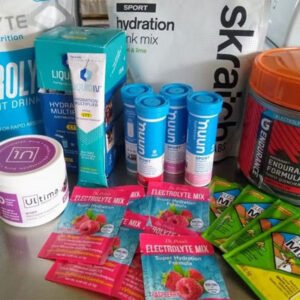
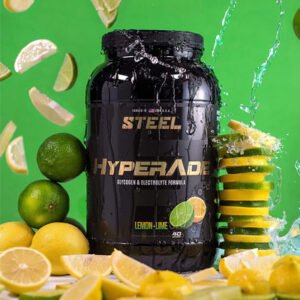
Electrolyte powders, tablets and ready-to-drink products can be useful for people who want convenient hydration products in particular circumstances. Sodium is especially relevant when comparing electrolyte formulations, while potassium and other electrolytes may also be included.
Do not assume that a brightly marketed hydration product is automatically appropriate for every workout. For many ordinary daily activities and shorter, lower-intensity sessions, plain water and normal meals may already provide adequate hydration. Product choice should reflect activity duration, environmental conditions, sweat losses, dietary intake and individual circumstances.
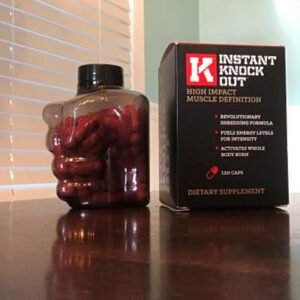
Pre-workout products can contain combinations of caffeine, amino acids, stimulants, creatine and other ingredients. The most important comparison point is the actual amount of each relevant active ingredient rather than the number of ingredients displayed on the front of the tub.
Caffeine deserves particular attention because products can vary substantially in caffeine content. Consider caffeine consumed from coffee, tea, energy drinks and other sources before deciding whether an additional caffeinated product is appropriate. People who are sensitive to caffeine should be particularly careful with serving sizes and timing.
Recovery products may combine protein, carbohydrates, electrolytes and other ingredients. Whether a specialised recovery product offers meaningful convenience depends on the individual's overall diet and training schedule. A powder is not inherently better than ordinary food, and a complex formula is not automatically more effective than a simpler option.
Compare the product with realistic alternatives such as a conventional meal, milk or a simple protein serving. The more expensive option may only be worthwhile if it provides genuine convenience or a nutritional combination that is difficult to obtain from the shopper's usual foods.
Meal-replacement products occupy a different category from ordinary protein supplements. They may contain protein, carbohydrates, fats, fibre, vitamins and minerals in varying amounts. When evaluating these products, read the full nutrition panel rather than treating a high protein number as sufficient evidence of nutritional completeness.
People using meal replacements as part of a structured dietary plan should consider whether the product is intended to replace a meal, supplement a meal or simply provide a convenient snack. These uses are not interchangeable.
Canadian shoppers should pay attention to the information provided on the product packaging and any applicable regulatory identifiers. Natural health products sold in Canada can be subject to Canadian regulatory requirements, and shoppers should examine the package information rather than relying solely on marketplace descriptions or promotional copy.
Where a product is presented as a natural health product, look for its Natural Product Number or NPN when applicable. The presence of an NPN can help consumers identify products that have been licensed under Canada's natural health product framework, although consumers should still read the product's directions, cautions, medicinal and non-medicinal ingredients, and other label information.
Food products and natural health products are not necessarily governed by identical labelling conventions. This distinction matters when comparing protein foods, sports drinks, supplements and other nutrition products on Canadian retail websites.
One of the easiest ways to make an inaccurate comparison is to assume that every scoop, tablet or bar represents an equivalent serving. Serving sizes are established by the manufacturer and can differ substantially between products.
For example, two protein powders may both advertise a similar amount of protein per serving while requiring different quantities of powder to deliver that serving. Compare the protein amount against the grams of powder used, not just the number printed prominently on the front label.
Marketing terminology can be useful for identifying a product category, but it should not replace label comparison. Words such as premium, advanced, clean, performance, natural, recovery and strength are not substitutes for evaluating the actual formulation.
Pay particular attention to the first several ingredients because they can reveal the main components of a product. Also check whether a proprietary blend makes it difficult to determine the quantity of individual ingredients. A transparent label can make product comparison easier.
Protein powder is one of the most competitive sports nutrition categories, which means shoppers have many choices but also face considerable variation between products. A practical buying process starts with the reason for purchasing protein powder.
Whey concentrate and whey isolate are related but are not identical formulations. Isolate is generally processed further to increase the proportion of protein and reduce some other milk components. Concentrate can provide strong value when a shopper does not specifically need the characteristics of an isolate product.
Consumers who are sensitive to lactose should examine the individual product information rather than assuming that every whey product will have the same lactose content. Processing can affect the final composition, but product-specific information remains the most reliable basis for comparison.
Casein is a milk-derived protein that is commonly marketed for situations where a slower-digesting protein source is desired. Whether it makes sense for a particular shopper depends on the rest of the diet and personal preference.
Do not purchase casein solely because it is marketed as a “night-time” protein. The more important question is whether the nutritional profile, taste, price and convenience make sense within the individual's overall eating pattern.
Plant-based protein products can be useful for consumers who avoid dairy or prefer plant-derived ingredients. Pea, rice, soy and other plant proteins have different nutritional characteristics, and blends can be formulated to combine multiple sources.
When comparing brands such as Vega and Garden of Life, examine protein per serving, total calories, carbohydrate and fat, sweeteners, fibre and any allergens relevant to your diet. “Plant-based” alone does not tell you enough about the nutritional profile.
The most useful price comparison for powders is often cost per serving rather than the advertised package price.
The calculation is straightforward:
The second calculation can be particularly useful when two products have different serving sizes. A product with a lower price per serving is not necessarily the better protein value if that serving supplies considerably less protein.
However, cost per gram should not become the only purchasing criterion. A cheaper product can contain ingredients you do not want, have a flavour you dislike, or provide an unsuitable nutritional profile. Value is the combination of usefulness, formulation, quantity and price.
Diet-oriented sports nutrition products often use language focused on weight management, low sugar, low carbohydrate, high protein or satiety. These descriptions can be useful starting points, but they should be verified against the nutrition panel.
A low-sugar product can still contain substantial calories from other ingredients. Likewise, a high-protein snack is not automatically a low-calorie food. When weight management is the objective, total dietary intake matters more than a single product's marketing claim.
Look at total calories, protein, fibre, carbohydrate, fat and serving size. Also consider whether the product is replacing a higher-calorie option or simply being added on top of an existing diet.
Flavour can determine whether a sports nutrition product is actually used consistently. A product that looks excellent on paper but is unpleasant to consume may ultimately provide poor value.
Products can use sugar, high-intensity sweeteners, sugar alcohols or combinations of different sweetening ingredients. Some consumers prefer a sweeter profile, while others want a less sweet formula. Sugar alcohols may cause digestive discomfort for some people, particularly when consumed in larger amounts.
When comparing flavours, consider the entire ingredient list rather than focusing only on whether the product is labelled “sugar-free” or “low sugar.” Individual tolerance and preference are important purchasing considerations.
Allergen awareness should be part of the initial product-selection process rather than an afterthought. Depending on the formulation, sports nutrition products can contain or be manufactured around milk, soy, eggs, peanuts, tree nuts, wheat or other ingredients of concern.
Consumers with allergies should carefully review the current packaging and manufacturer information because formulations and manufacturing statements can change. Do not rely on an old product photograph, an abbreviated retailer description or assumptions based on the brand.
For shoppers specifically interested in creatine, simplicity can make comparison easier. Creatine monohydrate is a widely used form, so consumers should compare the amount supplied, serving instructions, package size and total cost.
More expensive creatine products may include flavouring or additional ingredients. Those features can be worthwhile if they provide a genuine convenience benefit, but they should not be mistaken for evidence that a complicated formula is automatically better.
Anyone with a medical condition, who is pregnant or breastfeeding, who takes prescription medication, or who has been advised to restrict certain nutrients should discuss supplement use with an appropriate healthcare professional before adding sports nutrition products to their routine.
Pre-workout formulas can be particularly difficult to compare because manufacturers may combine many ingredients into a single product. A sensible evaluation starts with the active ingredients and their quantities.
Caffeine is one of the most important components to identify when present. Add together caffeine from the pre-workout and other sources consumed around the same time. The product should be evaluated in the context of the individual's overall caffeine intake and sensitivity.
Also check whether the label provides individual ingredient amounts or hides them within a blend. Transparent quantities allow consumers to make more informed comparisons.
Electrolyte products are often marketed around hydration, exercise and endurance. Their usefulness depends on context. Compare sodium, potassium and other electrolytes, as well as carbohydrates, calories, sweeteners and serving count.
For people exercising in hot Canadian summers, travelling, participating in endurance activities or sweating heavily, the electrolyte composition may matter more than flavour or packaging. For ordinary short workouts, a specialised electrolyte product may be unnecessary depending on the individual's diet and circumstances.
Consumers should also avoid treating electrolyte products as interchangeable with water. Hydration strategy depends on activity, environmental conditions and individual needs.
Strength-training consumers commonly focus on adequate protein and overall dietary intake. A protein powder or convenient protein snack can be useful when normal meals do not make it easy to meet dietary protein needs. Creatine is another commonly considered supplement for resistance-training routines.
The product should complement the training program rather than replace the fundamentals of adequate food intake, progressive training, recovery and sleep.
Endurance athletes may place greater emphasis on carbohydrates, fluids and electrolytes depending on the duration and intensity of activity. A high-protein product is not necessarily the most relevant purchase immediately before or during prolonged endurance exercise.
Compare sports drinks, carbohydrate products and electrolyte products according to the demands of the activity. For longer sessions, the amount and type of carbohydrate can be more relevant than simply choosing a product labelled “sports nutrition.”
People doing general fitness activities often do not need a large collection of specialised supplements. A balanced diet, adequate hydration and sufficient recovery may cover most nutritional needs. In this situation, the best deal may be a simple product that solves a specific convenience problem rather than a large stack of supplements.
Team-sport participants may need convenient nutrition before or after training, particularly when schedules involve school, work, commuting and practices. Portable protein snacks, carbohydrate foods and hydration products can be evaluated according to the timing and duration of activity.
Canadian shoppers will encounter a mixture of Canadian brands and international brands. Brand recognition can help narrow a search, but it should not replace product-level evaluation.
If a buying guide presents ten sports nutrition products, shoppers should resist choosing the first item automatically. Instead, create a quick comparison based on the factors most relevant to the intended purchase.
Protein quality is more nuanced than simply looking at the largest number of grams on the front of a package. Different protein sources have different amino-acid compositions and digestibility characteristics. Animal-derived proteins such as whey and milk proteins naturally provide all essential amino acids, while plant proteins vary by source.
Plant-protein blends can be designed to combine complementary sources. However, consumers should still compare the actual protein quantity and overall nutritional profile. A product does not become nutritionally superior simply because it contains more ingredients.
Long ingredient lists can create the impression that a product offers more value. In practice, the usefulness of each ingredient depends on its purpose and quantity.
If a product contains numerous active ingredients but does not clearly disclose their individual amounts, it can be difficult to compare with simpler alternatives. For commercial investigation, transparency is therefore an important criterion.
Ask whether each major ingredient contributes something you actually want. If not, paying more for a longer formula may provide little additional value.
Powders should generally be stored according to the manufacturer's instructions. Moisture, heat and improper sealing can affect the condition of powdered products. A tightly closed container kept in an appropriate environment is preferable to leaving the package exposed to humidity.
This is especially relevant in Canadian households where indoor heating can produce dry conditions during winter and kitchens or bathrooms can experience humidity fluctuations. Always follow the product's specific storage instructions because different formulations can have different requirements.
Large tubs and multipacks often appear to offer better value, but package size should be compared with the number of servings and the recommended serving quantity.
Consider a simple hypothetical comparison. Product A might cost less per container but provide fewer servings, while Product B may cost more initially but provide substantially more servings. Neither is automatically cheaper to use. The meaningful comparison is the cost for the amount you actually consume.
Also consider the risk of waste. A large package is poor value if you dislike the flavour, cannot tolerate the ingredients or stop using the product before finishing it.
A large advertised discount can attract attention, but the original price, package size and serving count should all be checked. A discount percentage does not establish that a product is good value.
Bulk buying makes sense only when the product is already known to suit your needs and the resulting cost per serving is attractive. Smaller packages can reduce the risk of wasting money on an unsuitable flavour or formula.
Always compare the actual quantity of product and nutrition supplied. A scoop is not a universal measurement.
Consumers focused on dietary intake should consider the full nutrition panel. High protein does not mean calorie-free, and a product marketed as healthy can still contribute significant calories.
“Natural” is not a universal measure of nutritional quality. Evaluate the ingredients, quantities, nutrition facts and intended use instead.
People using pre-workout formulas should consider coffee, tea, energy drinks and other caffeinated products consumed during the same day.
A large supplement collection can make it difficult to determine which products are useful and increases the total cost. Start with a clearly defined need and evaluate whether the product solves that need.
Product formulations, package sizes and labels can change. Check the current product information before purchasing rather than relying on an old review, photograph or cached description.
Customer reviews can help identify practical issues that are difficult to determine from a nutrition label, particularly flavour preferences, mixability, packaging convenience and tolerance. However, reviews should be treated as individual experiences rather than controlled evidence of product effectiveness.
Look for recurring observations rather than one unusually positive or negative comment. Reviews that discuss the exact flavour, package size and product version are generally more useful for purchase decisions than vague statements about whether a supplement “works.”
Be cautious when reviews appear to discuss a different formulation or package than the one currently being considered. Product listings can sometimes combine variants, making review interpretation more difficult.
Online shopping makes it easier to compare a large number of sports nutrition products, but it also creates additional reasons to verify product information before placing an order.
Recurring-delivery discounts can look attractive for products that are consumed regularly, but they should be evaluated against actual usage. A subscription is only a good value when the product will be used at a rate that justifies recurring deliveries.
Before selecting a recurring purchase option, verify the delivery frequency, cancellation terms, product quantity and final price. A temporary introductory discount should not be treated as the long-term cost of the product.
Premium pricing can sometimes be justified by factors such as specialised dietary requirements, ingredient sourcing, additional processing, flavour preferences, convenience, testing or formulation characteristics. However, shoppers should identify the specific benefit rather than assuming a higher price automatically represents higher quality.
If two products meet the same nutritional need and one is significantly less expensive, the cheaper product may be the smarter choice. Conversely, paying more can make sense when the more expensive product provides a feature that is genuinely important to the buyer.
Price should be considered alongside usability. A very inexpensive product that is difficult to mix, unpleasant to consume, incompatible with your diet or inconvenient to prepare may have a higher practical cost because it is less likely to be used.
The same principle applies to bulk purchases. The lowest cost per serving has limited value if the package is eventually discarded.
Consumers can avoid overspending by setting a monthly or training-cycle budget before shopping. Divide products into essential convenience purchases and optional products.
This approach can prevent a common mistake in sports nutrition shopping: accumulating multiple partially used products because each appeared to be a good deal individually.
Canadian conditions can change considerably throughout the year. Hydration and food choices that are convenient during summer outdoor activities may not be equally relevant during cold-weather training.
During hot conditions, fluid and electrolyte considerations can become more important for prolonged outdoor activity. During winter, portability and storage can become practical concerns, particularly for people commuting to gyms or training outdoors.
Seasonality does not mean that a specific supplement is automatically necessary. It simply means that environmental conditions should be included in the buying decision when evaluating hydration, energy and convenience products.
Travellers often prioritise portability over package size. Individual sachets, bars and compact containers may be easier to transport than large tubs. However, travel requirements can vary depending on the destination and transportation method.
Before travelling internationally, check the relevant customs, transportation and destination rules for food, supplements and powders. Product availability can also differ between Canada and other countries, so buying enough for a trip should be balanced against the practicalities of carrying the product.
Format is an important part of value. Powders often allow consumers to customise serving size and can be economical when used regularly. Bars are convenient because they require no mixing equipment. Ready-to-drink products can be the easiest option when refrigeration and portability requirements are manageable.
A useful “Top 10” sports nutrition comparison should give readers enough information to understand why products differ. It should not simply present ten product names with nearly identical descriptions.
For each product, ideally compare the intended use, product format, serving size, key nutritional values, primary ingredients, dietary considerations, notable advantages, potential drawbacks and value characteristics. This structure helps readers select a product according to their own needs rather than following a generic ranking.
Readers should also distinguish between editorial comparisons and verified personal testing. Unless a guide has genuinely conducted documented testing, claims about performance, flavour, mixability or effectiveness should not be presented as first-hand test results.
Value can be viewed as a combination of nutritional usefulness, convenience, product suitability and cost. A product with a slightly higher price can represent better value if it provides the desired nutrition in a more convenient format or fits a dietary requirement that cheaper products do not meet.
Conversely, a heavily discounted product can still be poor value when the buyer has no clear use for it. The smartest sports nutrition purchase is the one that is actually consumed as intended.
Sports nutrition products are not risk-free simply because they are sold as dietary or sports products. Ingredients can interact with medications, medical conditions or individual dietary restrictions. Caffeine-containing products can also contribute substantially to daily stimulant intake.
Read directions and warnings carefully. Do not exceed recommended serving instructions simply because a larger amount appears likely to produce faster results. People who are pregnant or breastfeeding, have a medical condition, take medication, are under medical supervision, or are purchasing supplements for a young person should seek appropriate professional advice before using products where safety or dosing is uncertain.
Supplements should complement a suitable diet and training plan rather than be treated as substitutes for nutritious meals, adequate fluids, sleep and sensible exercise programming.
Sports nutrition marketing frequently uses terms associated with strength, endurance, recovery, energy and body composition. Consumers should distinguish between an ingredient's known nutritional role and a broad promise about individual results.
Individual outcomes depend on training, total nutrition, sleep, genetics, health status, product adherence and many other variables. A supplement should not be selected solely because a product description suggests that it will produce a particular physical result.
For an independent buying guide, the strongest editorial approach is to explain what the product contains, who might find the format useful, what limitations should be considered and how it compares with alternatives.
The most reliable strategy is to compare products in stages. First, decide what type of nutrition product is needed. Second, shortlist products that satisfy dietary and formulation requirements. Third, compare serving size and nutrition. Fourth, calculate cost per serving. Finally, compare current retailer pricing and purchasing conditions.
This process works across protein powders, protein bars, creatine, electrolyte mixes, pre-workout products and other sports nutrition categories. It also prevents brand names, discount percentages and attractive packaging from dominating the purchasing decision.
The best smart-buy diet and sports nutrition deal in Canada is ultimately the product that provides useful nutrition, fits the buyer's dietary requirements, is practical to use and offers reasonable value at the current purchase price. There is no single sports nutrition product that is automatically best for every athlete, fitness enthusiast or consumer.
Use the Top 10 comparison as a shortlist rather than a substitute for personal evaluation. Check the current label, serving information, ingredients, package size and retailer terms before purchasing. When two products appear similar, cost per serving and nutrition per serving can reveal differences that are easy to miss from the front of the package.
For protein products, focus on the protein source, protein quantity and total cost. For creatine, examine the actual creatine content and serving instructions. For hydration products, compare electrolytes, carbohydrates and serving count. For pre-workouts, pay close attention to caffeine and other active ingredients. For diet-focused products, evaluate the complete nutrition profile rather than one headline claim.
Above all, treat a discount as a reason to investigate a product, not as proof that it is a good purchase. Comparing specifications carefully, reading current customer feedback, checking Canadian product information and choosing according to your actual needs is the most dependable way to turn a sports nutrition promotion into a genuinely smart buy.
There is no universally best product for beginners. A sensible starting point is to identify a specific nutritional or convenience need and choose the simplest product that addresses it. For many people, a straightforward protein food or powder may be more practical than buying a large collection of specialised supplements.
No. Price alone does not establish quality or suitability. Compare protein source, protein per serving, total calories, ingredients, serving size, package quantity and cost per serving.
Compare the grams of protein per serving, grams of powder per serving, protein source, calories, carbohydrate, fat, ingredients, sweeteners, allergens, serving count and total purchase price. Cost per gram of protein can provide an additional comparison point.
They can be convenient alternatives when portability matters, but they are not nutritionally identical. Compare protein, calories, carbohydrate, fat, fibre and ingredients according to the role you want the product to play.
Only if you already know that the product suits your preferences and dietary requirements. A smaller package can be a better choice when trying an unfamiliar product or flavour.
Check the serving instructions, ingredients, warnings, recommended use and relevant product identifiers. Where applicable for natural health products, look for the Natural Product Number and review the current package information.
No. The need for electrolytes depends on factors such as exercise duration, intensity, environmental conditions, sweat losses and dietary intake. For some ordinary workouts, water and regular meals may be sufficient.
Identify caffeine and other active ingredients, check their quantities, review serving instructions and consider your total caffeine intake from all sources. Avoid assuming that a longer ingredient list means a more effective formula.
Creatine monohydrate is a widely used form of creatine. If considering a creatine product, compare the actual creatine quantity, serving instructions, package size and cost rather than choosing solely on marketing claims or product complexity.
Some products are specifically formulated as meal replacements, while many protein powders, bars and sports supplements are not nutritionally equivalent to a complete meal. Check the product's intended use and full nutrition information.
Buying guides should be reviewed regularly because product formulations, package sizes, retailer pricing, availability and consumer feedback can change. For a 2026 guide, readers should verify current product information and today's retailer terms before purchasing.
Buying a product solely because it appears discounted is one of the most common mistakes. The better approach is to determine the nutritional need first, compare relevant specifications, calculate value and then consider the current promotion.
Compare cost per serving and cost per gram of protein, avoid unnecessary blends, select a package size you will realistically finish, and compare multiple retailers. Also consider whether ordinary foods can provide the same nutritional role at a lower overall cost.
Ratings can be useful for identifying recurring observations about flavour, texture, packaging and convenience, but they should not be treated as proof of physiological effectiveness. Read multiple reviews and verify that they refer to the same product and formulation.
Use it to create a shortlist, then narrow that list according to your goal, dietary requirements, preferred format, nutrition profile, serving size and budget. The right choice is the product that best matches those criteria rather than automatically the product in the highest position.