

♥ Wishlist
Compare 59 Pre-Workout Supplements products in Canada. Reviews, ratings, pros, cons and buying advice updated for October 2026.


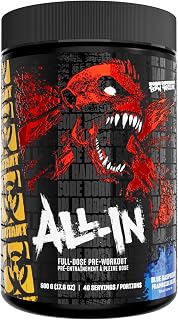


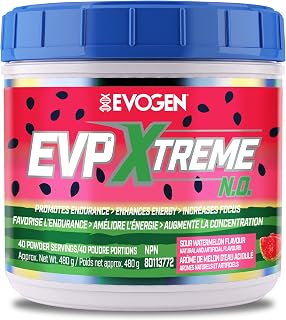


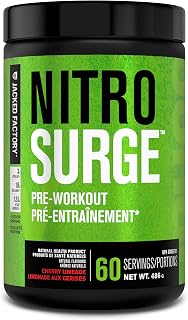


Finding a worthwhile pre-workout deal is not simply about choosing the product with the longest ingredient list or the highest stimulant content. A smart purchase balances formula quality, ingredient transparency, serving size, caffeine level, training goals, tolerance, flavour preferences, and overall cost per serving. Canadian shoppers should also consider product availability, package size, storage requirements, and the information provided on the label.
The best pre-workout for one person may be unsuitable for another. Someone training early in the morning may prefer a stronger stimulant formula, while an evening athlete may want a stimulant-free option. Beginners often benefit from simpler formulas that make it easier to understand how their body responds. Experienced users may instead compare individual ingredients and their amounts in each serving.
This guide focuses on the buying decisions that matter when comparing smart buy pre-workout options in Canada during 2026. Rather than treating one formula as universally best, use the criteria below to identify the product that fits your training schedule, preferences, and budget.
A smart buy should provide a sensible combination of formulation, serving value, transparency, usability, and price. A discounted tub is not necessarily a good deal if it contains a small number of servings or requires multiple scoops to reach the intended formula.
When comparing products, look beyond the front of the container. The Supplement Facts or nutrition-style label can reveal how much of each active ingredient is actually included. Products from established brands such as Optimum Nutrition, Cellucor, Transparent Labs, Legion, Kaged, MuscleTech, GHOST, PEScience, Allmax, and Beyond Raw may have very different formulations, so the brand name alone should not determine the purchase.
Pre-workout formulas can contain many different compounds. Their inclusion does not automatically make a product better. What matters is the ingredient, the amount supplied, the role it plays in the formula, and whether it fits your individual needs.
Caffeine is one of the most important ingredients to compare in stimulant-based pre-workouts. It is commonly used to support alertness and perceived energy during exercise. However, more caffeine is not automatically better. Individual tolerance varies considerably.
When comparing two products, check the total caffeine per serving rather than assuming that a stronger-looking label provides better value. Also consider caffeine from coffee, tea, energy drinks, medications, and other supplements consumed during the same day.
People who train late in the day should pay particular attention to stimulant levels because caffeine may interfere with sleep in sensitive individuals. A lower-caffeine or stimulant-free product can therefore represent a better purchase even when its headline price is higher.
Beta-alanine is commonly included in pre-workout products designed for high-intensity exercise. It can cause a temporary tingling sensation known as paresthesia. This sensation is not a reliable indicator that a product is working better.
If you dislike tingling, compare formulas carefully before purchasing. Some products contain beta-alanine while others use different approaches to their formulation. The amount per serving is more useful for comparison than simply seeing the ingredient listed.
Citrulline is frequently used in pre-workout formulas aimed at supporting exercise performance and blood-flow-related effects. Labels can differ substantially in how they list citrulline or citrulline-containing ingredients.
For an informed comparison, identify the exact ingredient form and quantity. Do not assume that two products with similar front-label claims contain equivalent amounts.
Some pre-workouts contain creatine, while others leave it out so users can control creatine supplementation separately. This distinction can matter when comparing formulas.
If you already use a separate creatine product, paying extra for a pre-workout containing creatine may not be necessary. Conversely, a combined formula may be convenient if the serving provides the ingredients you specifically want and the total cost remains reasonable.
Some pre-workout products include minerals such as sodium, potassium, or magnesium. Their relevance depends on the product's overall purpose, training conditions, diet, and individual requirements.
Electrolyte inclusion should therefore be treated as one comparison point rather than proof of superior performance. People exercising for longer periods or in hot conditions may have different hydration considerations from someone completing a short indoor resistance-training session.
Pre-workout formulas may also contain ingredients intended to support focus or mental alertness. The important buying consideration is transparency. A label that clearly identifies each ingredient and its quantity makes comparison easier than a formula that hides individual amounts inside a proprietary blend.
Ingredient transparency is one of the most useful ways to distinguish between pre-workout products. A transparent label lets shoppers see exactly what one serving provides and compare it with competing formulas.
Proprietary blends can make this comparison more difficult because several ingredients may be grouped together without showing the amount of each individual component. This does not automatically mean the product is poor quality, but it reduces the information available to someone trying to compare formulas objectively.
For commercial comparison, prioritise products where the label makes serving size and active ingredient quantities easy to identify. This also makes it easier to avoid unintentionally combining overlapping stimulants from different supplements.
One of the most important decisions is whether you want caffeine at all. Stimulant pre-workouts are generally chosen by shoppers looking for an energising pre-training routine, while stimulant-free formulas can be more suitable for late workouts or people who prefer to limit caffeine.
There is no universal winner between these categories. The better choice depends on when you train and what you want from the product.
Pre-workout pricing can be misleading when products have different serving counts. A larger container is not necessarily cheaper, and a lower shelf price does not necessarily represent better value.
To compare products fairly, divide the purchase price by the number of labelled servings. Then consider whether the stated serving size is one scoop or multiple scoops.
This simple comparison is especially useful when shopping for pre-workout deals. A promotion can look attractive while offering little advantage once the number of usable servings is considered.
Pre-workout supplements are available in different formats, although powdered products are particularly common. Each format involves practical trade-offs.
Powder provides flexibility because the user prepares the serving according to the product's instructions. It is also often easier to store in a gym bag or home supplement cabinet than liquid products.
Ready-to-drink products offer convenience because no measuring or mixing is required. However, package size, portability, storage requirements, and cost per serving should be considered when comparing them with powders.
A technically appealing formula is not particularly useful if you dislike consuming it. Flavour preference is subjective, so customer feedback can help identify recurring comments about sweetness, aftertaste, texture, or mixability.
Popular flavours can include fruit, citrus, tropical, berry, candy-inspired, and unflavoured options. However, flavour names vary between manufacturers and should not be treated as an objective quality measure.
Mixability is another practical consideration. If you regularly prepare your pre-workout immediately before training, a product that mixes conveniently may fit your routine better than a formula that requires extensive preparation.
A high stimulant level may appear attractive when shopping for energy-focused supplements, but caffeine tolerance differs from person to person. Choosing the strongest product simply because it has the highest number can lead to a poor purchasing decision.
Always check how many scoops constitute the recommended serving. Comparing one scoop of one product with two scoops of another can produce a misleading impression of value.
A long ingredient list does not automatically indicate a better formulation. Ten clearly disclosed, relevant ingredients may be easier to evaluate than a much longer label containing many ingredients in unclear quantities.
A sale price can be useful, but the discount should not replace product evaluation. Consider serving count, ingredient profile, caffeine level, flavour, expiration information, and your actual training needs before deciding that something is a bargain.
Pre-workout should not be considered in isolation. Coffee, tea, energy drinks, caffeinated beverages, and other supplements can contribute to overall caffeine intake.
A product developed around intense stimulant effects may not be appropriate for someone who trains in the evening. Likewise, a very simple formula may not satisfy someone specifically looking for a broader pre-training ingredient profile.
New users should generally focus on understanding the label rather than chasing the most aggressive formula. Start by identifying the serving size, caffeine amount, major active ingredients, directions, and any relevant warnings.
A simple formula can make it easier to understand how your body responds. Introducing multiple stimulant products at the same time makes it more difficult to identify which ingredient is responsible for a particular response.
Beginners should also remember that pre-workout is optional. Consistent training, adequate nutrition, hydration, and sufficient sleep remain important parts of an effective fitness routine.
Experienced shoppers can go beyond brand reputation and front-label claims. Compare ingredient forms, quantities, serving sizes, stimulant combinations, and the purpose of each component.
For example, two pre-workouts may both advertise energy and focus while providing very different amounts of caffeine and supporting ingredients. Looking at the complete label can reveal these differences quickly.
Advanced buyers may also compare a comprehensive pre-workout with individual supplements. This approach can provide more control over the total daily intake, although it also requires greater attention to ingredient duplication and serving calculations.
Canadian shoppers should carefully examine the product packaging and available product information before purchasing. Look for the recommended serving, ingredient list, quantity of active ingredients, directions for use, storage instructions, and relevant caution statements.
Where applicable, shoppers should also pay attention to Canadian regulatory information associated with natural health products. Product presentation and regulatory status can change, so the current packaging and official product information should be checked before purchase.
Do not assume that a product marketed in another country has exactly the same formulation, serving instructions, or labelling requirements as a Canadian product. Imported products can differ in formulation and packaging.
Brand recognition can be a useful starting point, but it should never replace product-level comparison. Established names such as Optimum Nutrition, Cellucor, Transparent Labs, Legion, Kaged, MuscleTech, GHOST, Allmax, PEScience, and Beyond Raw offer examples of brands that shoppers may encounter when researching pre-workout products.
The key question is not simply which brand is best. Instead, compare the specific product from each brand against the same criteria: serving size, active ingredients, caffeine content, flavour, number of servings, price per serving, and suitability for your training schedule.
Customer reviews can provide useful information, but they should be interpreted carefully. Individual experiences are subjective and do not establish that a product will work the same way for every user.
Look for recurring themes rather than relying on a single extremely positive or negative comment. Feedback about flavour, texture, packaging, scoop size, clumping, and overall convenience can be particularly useful for purchase decisions.
Recent reviews can also help identify practical changes, but always compare them with the current product description and label. Product formulas, packaging, and serving instructions may change over time.
Proper storage helps preserve the usability of powdered supplements. Follow the storage instructions printed on the product packaging. In general, keep the container closed and protect it from conditions that the manufacturer identifies as unsuitable.
A checklist can make product comparison faster, particularly when several products appear similar.
Not necessarily. Compare cost per serving, formula, serving size, and the ingredients you actually want. A slightly more expensive product may offer better value if it provides more suitable servings or a more appropriate formulation.
Only if that type of formula suits your tolerance and training schedule. More stimulation does not automatically mean better value or better suitability.
It can make product comparison harder because individual ingredient quantities may not be clearly disclosed. If transparent comparison is important to you, consider products that provide more detailed ingredient information.
No. Tingling can occur with ingredients such as beta-alanine, but the sensation itself should not be used as a measure of product quality or effectiveness.
Usage should follow the product's directions and take your overall caffeine and supplement intake into account. There is no single daily routine that is appropriate for everyone.
You should consider the stimulant content and your individual sensitivity. Caffeine-containing products may be less suitable close to bedtime for people who experience sleep disruption from caffeine.
Your workout schedule can dramatically change which formula makes sense. Morning exercisers may prioritise an energising product, while evening exercisers may prefer a low-stimulant or stimulant-free option.
People with changing schedules may prefer having different options available rather than forcing one formula into every training session. This can also help prevent unnecessary stimulant use when you do not need it.
Strength-focused shoppers may look for formulas containing ingredients commonly associated with training performance, energy, focus, or high-intensity exercise. However, the correct choice should still be based on the complete formula rather than a single ingredient.
Compare serving quantities carefully and consider whether ingredients such as creatine are already being consumed separately. This prevents paying for duplicate supplementation that does not provide additional convenience for your routine.
High-intensity workouts can create different demands from lower-intensity sessions. Buyers may therefore pay closer attention to stimulant content, hydration considerations, and ingredients commonly included in performance-oriented formulas.
Even in this category, the strongest formula is not automatically the smartest purchase. Training duration, individual tolerance, and the rest of the day's nutrition and supplementation should remain part of the decision.
Cardio users should consider whether they actually need a traditional bodybuilding-style pre-workout. Depending on the activity, factors such as hydration, carbohydrate availability, caffeine intake, and workout duration may matter more than a long list of specialty ingredients.
When comparing products, consider the type of exercise you perform and whether the formula supports the specific requirements of your training routine.
When two products look almost identical, use a structured comparison rather than choosing based on packaging.
This process can reveal meaningful differences even when two products make similar claims.
Pre-workout discounts can be useful, but shoppers should verify the details before treating a promotion as exceptional value. Compare the discounted cost with the number of servings and check the product's current information.
Also consider whether you will realistically use the product before purchasing a larger package. Buying a larger container because the per-unit price appears lower may not be worthwhile if your preferences change or you use pre-workout infrequently.
Large tubs often look economical because they contain more powder. However, the amount of powder alone does not tell you how many usable servings you receive.
Two containers with the same net weight can provide different numbers of servings because their recommended serving sizes differ. Always compare servings rather than container weight alone.
Pre-workout supplements can contain active ingredients that affect alertness and stimulation. Read the product directions and caution statements carefully before use.
People who are pregnant or breastfeeding, have medical conditions, take medications, or have concerns about caffeine or other supplement ingredients should seek appropriate professional advice before using a pre-workout product.
Avoid assuming that a supplement is appropriate simply because it is sold through a familiar retailer or has many positive customer reviews. Retail availability and customer satisfaction do not replace individual suitability.
There is no single pre-workout that can objectively be called the best choice for every Canadian shopper. Training goals, caffeine tolerance, workout timing, flavour preferences, budget, and existing supplement use all influence the decision.
A person who wants a strong morning stimulant may select a completely different product from someone who trains at 9 p.m. Similarly, someone who already uses creatine and caffeine separately may value a simpler formula more than an all-in-one product.
The smartest approach is to identify your priorities first and then compare products against them.
When reviewing a list of ten pre-workout products, use the same criteria for every option. This creates a more useful comparison than ranking products based solely on popularity or packaging.
Canadian shoppers can improve their buying decisions by comparing the complete product information instead of relying on promotional wording. Look at the label, serving count, ingredients, directions, and current purchase conditions before making a decision.
When browsing recommendations, verify the current product listing because prices, pack sizes, flavour availability, and promotional offers can change. A deal that appears attractive on one day may not represent the same value later.
It is also sensible to compare several retailers when possible. Consider the final purchase cost, available package sizes, and current product information rather than assuming that the first displayed offer is the best option.
The best choice depends on your training goals, caffeine tolerance, preferred ingredients, workout time, and budget. Instead of choosing one product for everyone, compare the formula, serving size, stimulant level, and cost per serving.
Look for a clearly presented formula that matches your requirements. Important comparison points include caffeine content, active ingredient quantities, serving size, number of servings, flavour, mixability, and overall cost per serving.
Price alone does not establish quality. A higher-priced product may contain a different formula, while a lower-priced product may provide a simpler formulation. Compare the actual ingredients and servings rather than relying on price as a quality signal.
Compare the current purchase price with the number of servings and formula. Check several current listings, review the label, and calculate cost per serving. Also consider whether the product's ingredients fit your requirements.
That depends on your existing supplementation routine. If you already take creatine separately, an additional source in your pre-workout may not be an important advantage. If convenience matters, a combined formula may be worth considering.
Yes. Stimulant-free formulas can be useful for people who train later in the day, limit caffeine, or want a pre-training product without relying on stimulants.
No. Caffeine tolerance and individual response vary. A higher amount is not automatically a better choice, particularly for people who are sensitive to caffeine or train close to bedtime.
Follow the serving and usage directions provided by the manufacturer. Do not assume that taking extra scoops provides a better result, and consider total daily intake of caffeine and other overlapping ingredients.
Beginners should first understand the label, serving instructions, caffeine content, and their own tolerance. Pre-workout is optional and should complement rather than replace consistent training, nutrition, hydration, and sleep.
Look at the complete labelled serving rather than comparing scoop counts alone. One product may define one scoop as a serving while another may require more than one scoop.
Ingredients such as beta-alanine can produce a temporary tingling sensation. The sensation varies between individuals and should not be treated as proof that one product is superior.
Ratings can provide useful practical information, but they are subjective. Look for repeated feedback patterns and compare them with the current product label and specifications.
The smartest pre-workout purchase is the one that fits your actual routine rather than the product with the most aggressive marketing. Start with your workout schedule and decide whether you want a stimulant or stimulant-free formula. Then compare caffeine, active ingredients, serving size, servings per container, flavour, mixability, and cost per serving.
Do not let a large discount, oversized container, long ingredient list, or high stimulant number make the decision for you. A well-matched formula can offer better value than a product that appears impressive but does not suit your needs.
Before purchasing any option featured in a 2026 buying guide, verify the current product label, directions, package size, and Canadian listing details. Product formulas and commercial terms can change, so current information should always take priority over older descriptions or reviews.
Use the comparison criteria in this guide to narrow the available choices and select a pre-workout based on transparent information, practical value, and personal suitability. The goal is not simply to find the most popular product, but to find the option that makes the most sense for your training routine and budget.