
♥ Wishlist
Compare 49 Fat Burners in Canada products in Canada. Reviews, ratings, pros, cons and buying advice updated for October 2026.




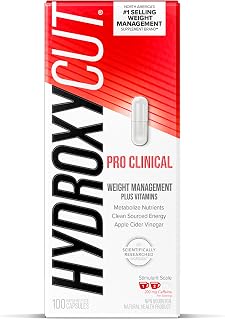


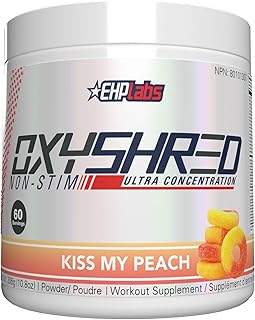


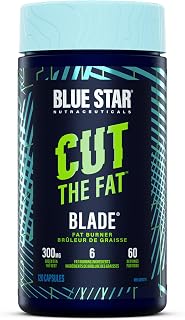


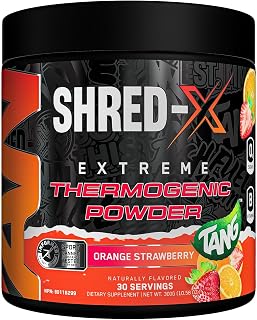


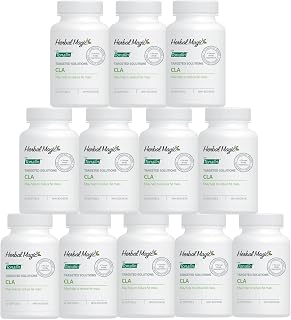

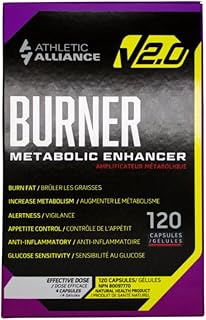


Choosing a fat burner is more complicated than comparing bottle prices or looking for the strongest-sounding ingredient. Products marketed for weight management can contain very different combinations of caffeine, botanical extracts, vitamins, minerals and other ingredients, while the quality of evidence behind individual ingredients varies considerably. A smart buying decision starts with understanding what a product contains, how much of each active ingredient it provides, whether the product is appropriately authorised for sale in Canada, and whether its potential benefits justify its risks and cost.
This guide is designed for Canadian shoppers comparing fat burner supplements in 2026. It focuses on ingredient transparency, label quality, stimulant exposure, serving information, regulatory considerations, value and practical suitability rather than promising rapid weight loss. No supplement should be treated as a substitute for a sustainable eating pattern, regular physical activity, adequate sleep or professional medical advice when it is needed.
A fat burner is a dietary or natural health product marketed to support one or more aspects of weight management. Depending on the formula, a product may be promoted for appetite control, energy, thermogenesis, exercise performance or metabolism support.
The phrase "fat burner" does not describe one standard formula. Two products can use the same marketing category while having completely different active ingredients and stimulant levels. Some formulas are primarily caffeine-based, while others rely on plant extracts or combinations of several ingredients.
For Canadian consumers, it is therefore more useful to compare the actual Supplement Facts or product label than to rely on the product name alone.
These goals should not be confused with guaranteed fat loss. Body-fat reduction ultimately depends on broader factors such as energy intake, physical activity, body composition, sleep, health status and long-term adherence.
Rather than assuming that one formula is universally best, shoppers can compare products according to the characteristic that matters most to them. The following ten categories provide a practical framework for evaluating a fat burner shortlist.
Caffeine is one of the most recognizable ingredients in many weight-management and pre-workout products. A transparent formula clearly states the amount of caffeine supplied per serving and explains the serving size.
This makes it easier to calculate total daily caffeine exposure from the supplement together with coffee, tea, energy drinks, pre-workout products and other caffeinated foods or beverages.
Brands such as Cellucor, MuscleTech and Optimum Nutrition illustrate why brand familiarity alone is not enough. Even when comparing established supplement companies, examine the individual product label, serving size and complete ingredient disclosure.
Stimulant-free products can be worth considering for shoppers who prefer to avoid caffeine-containing formulas. These products may use ingredients marketed for appetite, metabolism or general weight-management support without relying primarily on stimulants.
The key advantage is easier stimulant management. However, stimulant-free does not automatically mean more effective, safer for everyone or clinically proven. Each active ingredient still needs to be assessed on its own evidence and dosage.
Green tea extract appears in many weight-management supplements because it contains naturally occurring compounds such as catechins. Some formulations also combine green tea extract with caffeine.
Consumers should check whether the label specifies the amount of extract and relevant standardised compounds. "Green tea" by itself provides insufficient information for a meaningful comparison.
Thermogenic products are marketed around the concept of increasing heat production or energy expenditure. Formulas may combine caffeine with botanical extracts and other ingredients.
A thermogenic claim should not be interpreted as evidence that the product will produce substantial or rapid fat loss. Compare the ingredient quantities, stimulant content and intended serving before deciding whether a thermogenic formula fits your routine.
Some weight-management products focus more heavily on appetite-related ingredients than on stimulants. This category may appeal to consumers whose main challenge is managing hunger between meals.
Look for transparent ingredient quantities rather than proprietary blends. A product that lists ten ingredients without telling you how much of each one is present is harder to evaluate than a formula with complete dosage disclosure.
Some products are positioned for use before workouts, combining weight-management ingredients with stimulants or ingredients associated with exercise performance.
These products require particular attention to timing and total stimulant intake. If a separate pre-workout or caffeinated beverage is already part of your routine, adding another stimulant-containing supplement can substantially increase your overall intake.
A short ingredient list can make product comparison easier. A simpler formula allows shoppers to identify the principal active ingredients, assess their quantities and understand what they are taking.
Fewer ingredients do not automatically make a product superior. The important consideration is whether the included ingredients have a reasonable purpose, are disclosed clearly and suit the consumer's circumstances.
Some shoppers prefer comprehensive formulas containing several ingredients. These can be appropriate for comparison if every ingredient and quantity is clearly disclosed.
Be cautious with proprietary blends that disclose only a combined total weight. Without individual quantities, it is difficult to determine whether the formula provides meaningful amounts of its individual components.
Canadian shoppers should pay attention to the regulatory information displayed on natural health products. Where applicable, look for the Natural Product Number, commonly identified as an NPN, on the label and verify the product information through the appropriate Canadian regulatory resources.
An NPN is not a guarantee that a product will deliver the weight-loss outcome a consumer wants. It is, however, an important regulatory detail to consider when evaluating products marketed as natural health products in Canada.
The cheapest bottle is not necessarily the best-value option. Compare the price per serving, serving size, active ingredient quantities and recommended use.
A larger bottle may provide fewer usable servings if the suggested serving size is larger. Conversely, a lower-cost product may become expensive over time if the formula requires multiple servings each day.
Ingredient-level analysis is one of the most useful parts of a supplement comparison. Marketing terms such as "advanced," "extreme," "maximum strength" and "rapid" provide little information unless the underlying formula supports those claims.
Caffeine is widely used for alertness and energy and is frequently included in thermogenic products. Its effects are dose-dependent, and sensitivity varies considerably between individuals.
When comparing products, calculate the caffeine supplied by one serving and consider your complete daily intake. A fat burner containing caffeine should not be evaluated in isolation if you also consume coffee, tea, energy drinks, cola or pre-workout supplements.
Green tea extract is common in weight-management formulations. Product labels may vary considerably in how they describe the extract and its standardised components.
Consumers should avoid assuming that a larger number of milligrams automatically represents a better formula. Extract concentration, standardisation, serving size and the rest of the formulation all matter.
Capsaicin and related compounds from chilli peppers are sometimes included in thermogenic supplements. These ingredients may be unsuitable for people who experience gastrointestinal discomfort or have particular dietary or medical considerations.
L-carnitine is frequently associated with sports nutrition and fat-metabolism marketing. Its presence in a product does not by itself demonstrate that the finished supplement will produce significant weight loss.
Compare the amount provided per serving and consider whether the ingredient has a meaningful role in the specific product rather than buying solely because it appears on the front label.
Botanical ingredients can appear in many weight-management formulas. Evidence can vary substantially between different plants, extracts and dosages.
A natural ingredient should not automatically be considered harmless. Botanical extracts can have pharmacological effects and may interact with medicines or be inappropriate for certain people.
Reading the label carefully can reveal more than the front-of-package marketing. Before purchasing, work through the following information.
Determine how many capsules, tablets or scoops constitute one serving. Never compare ingredient quantities between two products without checking whether their serving sizes are equivalent.
Multiply the number of servings by the effective cost per container to understand how long the product may last according to its stated directions.
Look for a complete list of active ingredients and their quantities. Transparent labels make meaningful comparison possible.
Proprietary blends deserve additional scrutiny because the combined weight may be provided without individual ingredient amounts. This limits the consumer's ability to compare dosages between products.
Check whether the formula contains caffeine or other stimulant ingredients. Consider the product alongside your normal daily routine rather than treating it as an isolated supplement.
Follow the product's stated directions unless a qualified healthcare professional advises otherwise. Do not assume that taking more capsules will produce better results.
Read the warning section before purchasing. Pay particular attention to statements relating to pregnancy, breastfeeding, age restrictions, medical conditions, medications and sensitivity to stimulants.
A useful comparison should use the same criteria for every product. The following checklist can be used to build a shortlist.
These categories can overlap, but they are not necessarily interchangeable.
A fat burner is generally marketed around weight-management support, while a pre-workout is typically formulated around exercise preparation, energy, focus or performance. Some products combine both approaches.
If you already use a pre-workout containing caffeine, carefully check whether adding a separate fat burner creates unnecessary duplication. The same principle applies to energy drinks and highly caffeinated beverages.
Protein supplements serve a different nutritional purpose. Protein can help consumers conveniently increase dietary protein intake, while a fat burner is marketed specifically for weight-management support.
For many people, improving overall food quality, protein intake, fibre intake and meal structure may be more consequential to a weight-management strategy than adding a thermogenic supplement.
A green tea beverage and a concentrated green tea extract are not automatically equivalent. Extracts can provide substantially different concentrations of active compounds than ordinary brewed tea.
Consumers should therefore compare the actual product label instead of assuming that all green tea-containing products have similar effects or safety considerations.
Terms such as "extreme," "hardcore" and "maximum" are marketing descriptions, not standardized measures of effectiveness. Instead, compare actual ingredients, quantities and warnings.
One of the easiest mistakes is considering only the caffeine in the supplement. Add caffeine from coffee, tea, energy drinks, pre-workout products and other sources when assessing your overall daily intake.
Plant-based ingredients can still cause adverse effects or interact with medications. Natural origin is not the same as universal safety.
If individual ingredient quantities are hidden inside a blend, comparison becomes difficult. A transparent formula is usually easier to evaluate.
Taking additional servings does not guarantee better results and can increase exposure to active or stimulant ingredients.
Compare the complete cost of following the stated serving instructions rather than comparing package prices alone.
A supplement cannot compensate indefinitely for an unsuitable diet, insufficient activity or inconsistent habits. Be especially cautious of claims that imply effortless or dramatic results.
Start by looking for products with clearly stated caffeine content or stimulant-free formulations. Check every ingredient rather than relying only on the phrase "low stimulant."
Consider whether the product overlaps with your pre-workout or sports-nutrition routine. A simpler formula may be preferable when several other supplements are already being used.
Calculate cost per serving and compare it with the amount of active ingredients supplied. A low purchase price is not necessarily good value if the container contains few servings.
Prioritise products that identify each active ingredient and its quantity. This makes it easier to compare formulas and avoid accidental duplication.
Review the Canadian product information carefully, including applicable regulatory identifiers, directions and warnings. Product status and formulations can change, so verify current information before purchasing.
Weight-management supplements deserve the same careful attention as other health-related products. A product being sold as a supplement does not mean that it is appropriate for every person.
People who are pregnant or breastfeeding, under the applicable age for the product, have a medical condition, take prescription or over-the-counter medication, or have concerns about stimulant intake should consult an appropriate healthcare professional before using a weight-management supplement.
Anyone experiencing concerning symptoms after taking a supplement should stop using it and seek appropriate medical guidance. Serious or unexpected reactions warrant prompt medical attention.
The ingredient name alone tells only part of the story. Dose, extract standardisation, serving size, formulation and frequency of use can all influence how a supplement should be evaluated.
For example, two products might both list green tea extract, but that does not mean they provide equivalent amounts of the relevant compounds. Similarly, two caffeine-containing formulas can have very different stimulant exposure per daily serving.
This is why a high-quality buying guide should compare labels rather than simply counting how many ingredients appear on the package.
Cost per serving is a straightforward way to compare different bottle sizes.
Cost per serving = product price ÷ number of servings in the container.
For example, if a hypothetical product costs $40 and provides 40 servings, its cost is $1 per serving. If another hypothetical product costs $30 but provides only 20 servings, its cost is $1.50 per serving.
Use current retailer pricing when making an actual purchase decision because supplement prices, promotions and package sizes can change.
Customer reviews can provide useful information about practical issues such as capsule size, flavour, packaging or whether the directions are easy to follow. They should not, however, be treated as scientific evidence that a fat burner causes weight loss.
Individual experiences can be affected by diet, exercise, sleep, expectations, other supplements and many other variables. A product receiving enthusiastic reviews is not automatically the most effective choice for every consumer.
When shopping online, look beyond the product title. A strong listing should provide enough information for you to understand exactly what you are considering.
Supplement stacking means using multiple products at the same time. This can unintentionally duplicate ingredients.
A consumer might use a fat burner, pre-workout, energy drink and caffeinated beverage without realizing that several products contain caffeine. Similar duplication can occur with botanical extracts and other active ingredients.
Before combining products, list every active ingredient and its amount per serving. If you are uncertain about potential interactions or cumulative exposure, ask a qualified healthcare professional or pharmacist for guidance.
No. A fat burner should be considered an optional supplement rather than the foundation of a weight-management plan.
Long-term body-weight management is influenced by dietary intake, activity, sleep, stress, environment, genetics and individual health factors. Supplements may have a limited supporting role, but they cannot reliably replace the fundamentals of a healthy lifestyle.
A more useful approach is to establish sustainable habits before deciding whether a supplement adds value.
Use this checklist before adding a product to your shortlist:
An editorial comparison should not rank products solely by popularity or package design. A more useful scoring framework considers several dimensions.
Consumers may encounter established sports-nutrition and supplement brands such as Optimum Nutrition, MuscleTech, Cellucor, ALLMAX and other companies when comparing weight-management products. Brand recognition can be useful as a starting point, but it should never replace product-level evaluation.
Formulations, serving sizes, ingredient amounts and product availability can change. Always assess the exact product and current Canadian label rather than assuming that every product from a familiar company has the same standards or suitability.
There is no single fat burner that is automatically best for every Canadian consumer. The right choice depends on stimulant tolerance, ingredients, serving size, regulatory information, budget and individual circumstances. Compare the complete label instead of relying solely on rankings.
Some ingredients used in these products may influence energy expenditure, appetite or alertness, but that does not mean every finished fat burner produces substantial fat loss. A supplement should not be treated as a guaranteed fat-loss solution.
Safety depends on the specific formula, dosage, individual health circumstances, medications and other substances being consumed. Read the warnings carefully and seek professional advice when appropriate.
Not necessarily. Stimulant-free products may suit consumers who prefer to avoid caffeine, but the absence of stimulants does not automatically prove greater effectiveness or suitability.
Some products are specifically marketed for pre-workout use, but timing should follow the product directions. Consider your overall stimulant intake if you also use coffee, energy drinks or pre-workout supplements.
Do not assume that combining them is appropriate. Review both labels for overlapping caffeine and other active ingredients, and seek professional guidance if you are unsure about cumulative exposure.
Use should follow the product directions and any advice provided by a qualified healthcare professional. Avoid extending or increasing use simply because a product appears to be producing limited results.
Not automatically. A long ingredient list can make a formula harder to evaluate. Transparency and appropriate quantities are generally more useful than the number of ingredients.
An NPN, or Natural Product Number, is a regulatory identifier associated with natural health products authorised for sale in Canada. Consumers should verify the current product information rather than treating an NPN as a guarantee of a particular weight-loss outcome.
Reviews can help identify practical experiences with packaging, taste, capsule size or convenience, but they cannot establish that a supplement will produce a particular weight-loss result. Use reviews as one source of information alongside the product label and other reliable evidence.
Check the complete ingredient panel, serving size, stimulant content, directions, warnings, Canadian regulatory information where applicable, manufacturer details and cost per serving. Also confirm that the current listing matches the actual product packaging.
The smartest way to compare fat burners in 2026 is to move beyond headline claims and evaluate the complete product. Ingredient transparency, dosage, stimulant exposure, regulatory information, warnings, serving requirements and cost per serving provide a much stronger basis for comparison than a dramatic product name or a promise of rapid results.
Before buying, compare several products side by side, read verified customer feedback for practical information, check current specifications and review the manufacturer's label. If a product makes extraordinary claims, lacks meaningful ingredient details or encourages excessive use, consider choosing a more transparent alternative.
Most importantly, treat a fat burner as a potential supplement to a broader health and fitness strategy rather than the strategy itself. A sustainable nutrition plan, regular physical activity, adequate sleep and appropriate professional guidance remain central to responsible weight management.