

♥ Wishlist
Compare 31 Cordless Sanders products in Canada. Reviews, ratings, pros, cons and buying advice updated for October 2026.
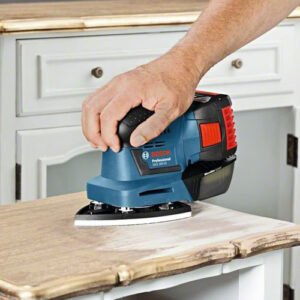
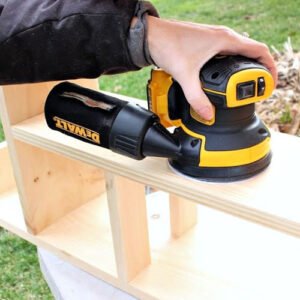
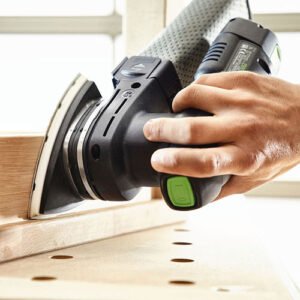
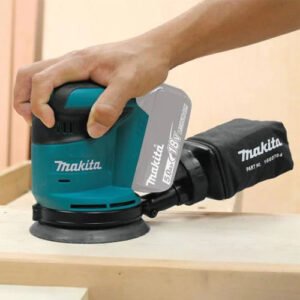
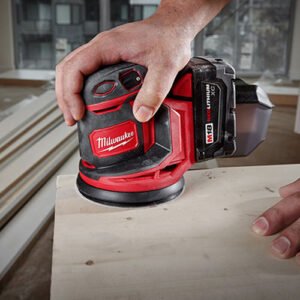
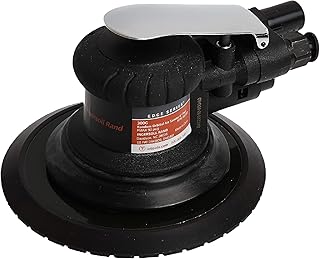


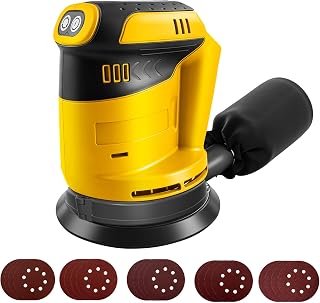


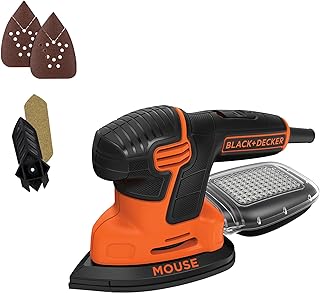


Choosing a cordless sander is less about finding the tool with the highest advertised power and more about matching the sander's motion, battery platform, ergonomics, dust collection, and intended workload to the job. For Canadian buyers, compatibility with the batteries and chargers already in your workshop can also have a major effect on the real cost of ownership.
A practical comparison should look beyond headline specifications. A compact random orbital sander may be ideal for furniture and finishing work, while a detail sander can be better for corners and intricate surfaces. A larger orbital model may make more sense when removing old finish or preparing broad panels. The best choice depends on the material, surface area, finish quality required, and how long you expect to use the tool at a time.
A smart purchase balances performance, convenience, durability, and total ownership cost rather than simply choosing the cheapest model. Cordless sanders from established tool platforms such as DEWALT, Makita, Milwaukee, Bosch, Ryobi, and BLACK+DECKER can cover very different use cases, so brand recognition alone should not determine the choice.
Not every cordless sander performs the same job. Before comparing individual models, identify the type of sanding action you actually need. This is one of the most important buying decisions because a technically excellent tool can still be the wrong choice for a particular project.
Random orbital sanders are among the most versatile choices for general woodworking. Their sanding pad combines orbital movement with rotation, helping produce a relatively consistent finish while reducing the likelihood of obvious repetitive sanding marks when the tool is used correctly.
They are suitable for smoothing timber, preparing furniture, refining boards, removing some existing finishes, and progressing through multiple sanding grits. Their round sanding discs are commonly attached using hook-and-loop fasteners, making abrasive changes quick when the correct disc size is available.
For many Canadian DIY users and woodworkers, a cordless random orbital sander is a strong all-purpose option because it can handle both material preparation and finishing tasks.
Detail sanders are designed for areas where a round orbital pad is difficult to control. Their pointed sanding profiles can reach corners, narrow sections, edges, and shaped surfaces more effectively.
They are useful for furniture restoration, cabinetry, small woodworking projects, trim preparation, and other work involving confined areas. Their smaller sanding surface generally makes them less efficient for large flat panels.
Sheet-style sanders use rectangular or similarly shaped abrasive material and are intended primarily for controlled finishing work. They can be useful when working across flat surfaces where predictable sanding coverage is more important than aggressive stock removal.
When comparing these models, pay attention to how abrasives are secured, how quickly they can be changed, and whether the sander works conveniently with the abrasive sizes you already use.
Cordless belt sanders are designed for considerably more aggressive material removal than typical finishing sanders. They can be useful for large wooden surfaces and demanding shaping tasks, but they are generally heavier and require more careful handling.
If your primary requirement is fine finishing, a belt sander may provide more capability than you need. For heavy stock removal, however, its sanding action can be substantially more appropriate.
Battery voltage can help indicate the electrical architecture of a tool, but it should not be treated as a direct measurement of sanding performance. Motor design, electronics, pad movement, abrasive condition, and workload all affect practical results.
More importantly, identify whether the sander belongs to a battery platform you already own. For example, users invested in a DEWALT, Makita, Milwaukee, Bosch, or Ryobi cordless ecosystem may find a compatible bare tool more economical than purchasing an entirely new battery system.
Always confirm exact battery compatibility rather than assuming that batteries from the same brand work across every product line.
A bare-tool package normally makes the most sense for shoppers who already own the required battery and charger. A kit can be more practical for someone entering a cordless platform for the first time.
Speed specifications can help when comparing sanders, but higher numbers are not automatically better. Different materials and abrasive grits require different approaches. A tool with useful speed adjustment can provide greater control than a model that operates only at one fixed speed.
For delicate finishing, lower-speed operation can help improve control. Higher speeds may be useful when appropriate for the material and abrasive. Follow the manufacturer's operating guidance for the specific surface and accessory.
Variable-speed control is valuable for users who work with multiple materials or move between aggressive sanding and finishing. It can make the tool easier to adapt to the job rather than forcing every project into the same operating mode.
When comparing controls, consider not only the number of speed settings but also how easily the adjustment can be made while wearing work gloves.
The sanding pad determines the type of abrasive you need and affects how much surface can be covered with each pass. Larger pads can improve productivity on broad surfaces, while smaller profiles can provide better control in restricted areas.
Do not buy a sander solely because it has a larger pad. Consider whether the abrasive discs or sheets are easy to source in Canada and whether the pad dimensions suit your projects.
Cordless tools can become tiring when the battery adds weight behind the motor. A sander that feels manageable for a few minutes may become uncomfortable during a long furniture or renovation project.
Balance is especially important because sanding normally requires maintaining consistent pressure and movement. A well-balanced design can be easier to guide without excessive downward force.
Vibration affects comfort, control, and the ability to maintain a consistent sanding pattern. When comparing models, look for design features intended to reduce vibration and consider how the primary grip position aligns with the tool's centre of mass.
Do not assume that a lighter tool is always more comfortable. Balance, grip shape, vibration behaviour, and battery placement can matter just as much as total weight.
Dust collection deserves serious attention when choosing a cordless sander. Sanding creates fine particulate material that can spread across the work area, settle on nearby surfaces, and interfere with visibility.
Many sanders provide a dust bag, collection canister, or connection for a workshop vacuum. A vacuum connection can be particularly useful for repeated sanding, although the actual effectiveness depends on the sander's dust-port design, pad-hole configuration, vacuum performance, and abrasive.
Check the exact dust-port arrangement before buying if you already own a particular vacuum or extraction hose. Adapters may be required depending on the tool and vacuum system.
The sander itself is only part of the result. Abrasive selection has a major effect on sanding speed, surface quality, heat generation, and the amount of material removed.
Coarse abrasives are generally used when significant material needs to be removed. They can help level rough timber, remove damaged surface material, or prepare a heavily worn surface for subsequent sanding.
Medium grits are useful for refining surfaces after the initial material-removal stage. They can help eliminate deeper marks left by coarse abrasives while preparing the surface for finer sanding.
Fine abrasives are generally used toward the finishing stage. They can help create a smoother surface before painting, staining, sealing, or applying another finish, depending on the material and coating system.
Very fine grits can be useful for final surface preparation or between-coat sanding where appropriate. Always follow the coating manufacturer's recommendations because different finishes have different preparation requirements.
Furniture projects often benefit from a random orbital sander for broad areas combined with a detail sander for corners and intricate sections. The ability to control speed can be helpful when working around edges or previously finished surfaces.
Flat cabinet panels and shelves can benefit from a controlled finishing or random orbital sander. Edge work requires additional care because aggressive sanding can round corners unintentionally.
Outdoor timber may require more aggressive preparation than indoor furniture, particularly when old coatings or weathered material are involved. Consider battery capacity, continuous runtime, dust management, and sanding-pad size when comparing suitable models.
For occasional home projects, versatility and ease of use may matter more than maximum sanding performance. A compact cordless random orbital or detail sander can be a practical choice when storage space and portability are important.
Frequent users should pay closer attention to battery availability, charging time, ergonomics, dust extraction, durability, abrasive consumption, and the broader cordless platform. A tool that is inexpensive initially may not be the most economical option if it is uncomfortable or inefficient during repeated use.
Published runtime can vary substantially according to battery capacity, sanding pressure, material hardness, abrasive condition, operating speed, and the amount of material being removed. Rather than expecting one runtime figure to apply to every project, consider the battery capacity and whether you can keep a charged spare available.
One of the strongest reasons to choose a particular cordless sander is compatibility with tools you already own. A shopper who already has several compatible batteries may only need to purchase the sander itself.
Major cordless tool ecosystems include DEWALT, Makita, Milwaukee, Bosch, Ryobi, and other established manufacturers. Each platform has its own battery families, tool ranges, chargers, and compatibility limitations.
Before purchasing, verify the exact battery series rather than relying only on the manufacturer's name. Battery compatibility can vary between generations and product families.
Sanding is repetitive work, so ergonomics can have a direct effect on productivity. A comfortable sander should be easy to guide without requiring excessive grip force or downward pressure.
Cordless sanding eliminates the power cable and can be especially convenient when working outdoors, moving between rooms, or handling projects where a power outlet is inconvenient. Corded sanders, however, can provide continuous operation without battery changes.
For occasional DIY work, cordless convenience can outweigh the runtime limitation. For stationary workshop production, a corded machine may still make sense depending on the workload.
When comparing ten candidate products, avoid ranking them solely by star rating or headline price. A more useful evaluation considers several categories together.
The lowest purchase price does not necessarily represent the lowest total cost. If the tool requires a new battery and charger, the actual investment can be considerably different from the advertised bare-tool price.
A detail sander is not a substitute for a large random orbital sander when you need to prepare broad surfaces quickly. Likewise, a random orbital model may not be the most convenient choice for tight corners.
Always establish whether the product listing is for the tool alone or a complete kit. A bare-tool price can look attractive until the required battery and charger are added.
Inadequate dust management can make a sanding project substantially messier. If you regularly work indoors, give dust collection more weight in your comparison.
Raw power is not the only factor that determines sanding quality. Control, speed adjustment, balance, abrasive selection, and technique are equally important for many finishing applications.
A sander becomes less convenient if its required abrasives are difficult to find or available only in a format you do not normally use. Confirm the pad dimensions and compatible abrasive style before purchasing.
Tool-only weight does not tell the complete story. The battery contributes additional mass and can change the balance of the tool. Consider the complete working configuration rather than the bare-tool specification alone.
Different woods can behave differently during sanding. Softwoods may clog abrasives or develop uneven areas if excessive pressure is applied. Hardwoods may require more sanding time, particularly when preparing a large surface.
Engineered wood products, painted surfaces, veneers, and previously coated materials require their own considerations. Thin veneers deserve particular care because excessive sanding can remove useful surface material.
The safest general approach is to use an appropriate abrasive, allow the tool to do the work, avoid unnecessary pressure, and progress through grits methodically.
Basic maintenance can help preserve performance and reduce avoidable wear. Always follow the specific manufacturer's instructions because service requirements differ between models.
Sanding produces dust and can generate flying particles, noise, and vibration. Appropriate safety practices are therefore part of choosing and using the tool.
Occasional users often benefit from simplicity. An easy-to-control sander with readily available abrasives and a familiar battery platform may be more useful than a feature-heavy professional tool.
Experienced users may place greater emphasis on sanding consistency, vibration control, variable speed, extraction performance, battery management, and the ability to work efficiently across multiple projects.
For frequent workshop use, platform compatibility can also become increasingly valuable because a shared battery ecosystem can simplify charging, storage, and replacement-battery management across numerous cordless tools.
Customer reviews can provide useful information, but they should be interpreted carefully. A large number of ratings does not automatically mean a product is right for your application.
A discount is useful only when the underlying product fits your needs. When comparing current Canadian deals, evaluate the complete package rather than the percentage discount displayed by a retailer.
At the lower end of the market, prioritize basic sanding performance, safe construction, acceptable ergonomics, and compatibility with easily obtainable abrasives. If you already own a compatible battery, a bare tool from an established platform may provide particularly good value.
Mid-range buyers can generally place more emphasis on variable speed, improved ergonomics, stronger dust management, better controls, and a more established battery ecosystem.
At the premium end, focus on the features that will genuinely affect repeated use. Improved balance, vibration control, extraction, battery efficiency, build quality, and platform integration can justify additional spending for demanding users.
Brand should be treated as one comparison factor rather than the final decision. Established manufacturers can differ considerably in tool design, battery platforms, product range, accessory availability, and intended market.
Online listings can vary in package contents even when product names look almost identical. Before purchasing, verify the complete product title, model number, battery configuration, included accessories, and current specifications.
Start by eliminating products that are incompatible with your required sanding action. Next, remove models that require a battery platform you do not want to adopt unless their complete kit represents good value.
Among the remaining options, compare ergonomics, dust collection, speed control, pad size, battery capacity, included accessories, and current Canadian pricing. Finally, read recent verified customer feedback and confirm the manufacturer's specifications for the exact model.
This process is usually more reliable than selecting the model with the highest rating, the largest discount, or the most powerful-looking specification.
The best cordless sander is the one that fits the work you actually do. For many buyers, a versatile random orbital model provides the broadest range of applications, while detail and finishing sanders make sense for more specialized tasks. Heavy material removal calls for a different class of tool altogether.
Before choosing from a 2026 shortlist, compare the exact model number, sanding action, battery platform, pad size, speed control, dust-collection system, ergonomics, included accessories, and abrasive compatibility. If you already own cordless tools, battery compatibility should be one of the first filters you apply.
Current prices and package contents can change, so check the latest Canadian retailer information immediately before buying. A genuine smart buy is not necessarily the cheapest sander or the one with the largest advertised discount; it is the model that provides the right combination of performance, control, convenience, and long-term value for your projects.
A cordless random orbital sander is often the most versatile choice for general woodworking and home improvement because it can handle a wide range of surface-preparation and finishing tasks. However, a detail sander may be better when corners and intricate areas are the main concern.
Many cordless sanders are designed specifically for woodworking and can handle common sanding tasks effectively. Actual performance depends on the model, battery, abrasive, material, sanding pressure, and application.
If you already own a compatible battery and charger, a bare tool can be a practical option. If you are starting a new battery platform, compare the complete kit cost and consider what other cordless tools you may purchase in the future.
No. Battery voltage alone does not determine overall sanding performance. Motor design, electronics, sanding mechanism, battery capacity, tool balance, and workload all contribute to the actual user experience.
Runtime varies according to battery capacity, sanding speed, material, pressure, abrasive condition, and workload. Treat published runtime information as application-dependent rather than a universal figure for every project.
Some packages include a selection of sanding discs or sheets, while others may include few or no abrasives. Always check the exact package contents for the model and configuration you are considering.
No. The abrasive must match the sander's pad size, attachment system, hole pattern where applicable, and intended operating specifications. Verify compatibility before use.
Yes. Effective dust collection can make the workspace cleaner and improve visibility while sanding. If you work indoors or frequently sand large surfaces, compare both integrated collection and compatibility with a suitable vacuum.
The appropriate grit depends on the material and stage of the project. Coarser abrasives are generally used for greater material removal, medium grits for refinement, and finer grits for finishing and surface preparation.
It may be appropriate for certain painted surfaces, but the coating and substrate must be considered carefully. Older coatings can present additional hazards, and users should follow appropriate safety procedures and guidance for the material being removed.
DEWALT, Makita, Milwaukee, Bosch, Ryobi, and BLACK+DECKER are among the established brands worth comparing. The right choice depends on the specific model, battery ecosystem, application, ergonomics, and current package value rather than brand name alone.
One of the most common mistakes is choosing a model without considering the actual application and battery ecosystem. The correct sanding type and compatible battery platform can matter more than a small difference in headline specifications.
Many cordless sanders are designed for demanding applications, but professional suitability depends on the specific model, workload, battery strategy, ergonomics, durability, extraction requirements, and the user's existing tool platform.
There is no universal replacement interval. Replace an abrasive when it becomes excessively worn, clogged, damaged, or noticeably less effective. Continuing to use a worn abrasive can reduce productivity and affect the quality of the finished surface.
Generally, excessive pressure is unnecessary. Allow the sanding action and abrasive to perform the work while maintaining controlled movement. Excessive pressure can affect sanding efficiency and accelerate abrasive wear.
For buyers who value mobility, convenient setup, and freedom from a power cable, cordless sanders can be an excellent option. They are particularly compelling when the user already owns compatible batteries and chargers.
A well-chosen cordless sander can make surface preparation faster, more convenient, and easier to manage, but the right model depends on the job rather than a universal ranking. Compare sanding action, battery compatibility, ergonomics, dust collection, speed control, pad size, abrasives, and complete ownership cost before making a decision.
For Canadian shoppers comparing cordless sanding deals in 2026, the strongest buying approach is to use current specifications and verified customer feedback as supporting evidence while keeping the intended application at the centre of the decision. Check the latest product configuration and price at the time of purchase, particularly when comparing bare tools against complete kits.