

♥ Wishlist
Compare 4 Cordless Radios for Portable Listening Anywhere products in Canada. Reviews, ratings, pros, cons and buying advice updated for October 2026.
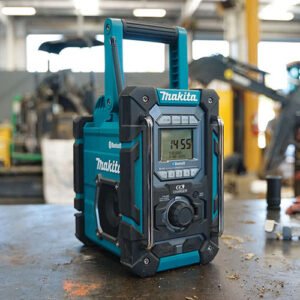
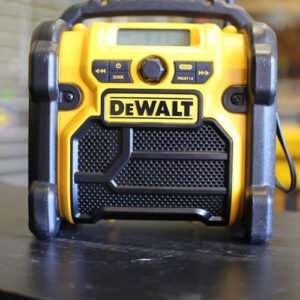
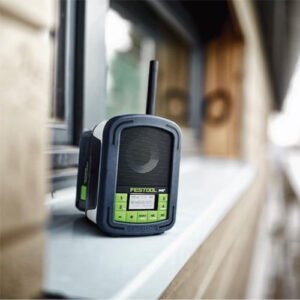
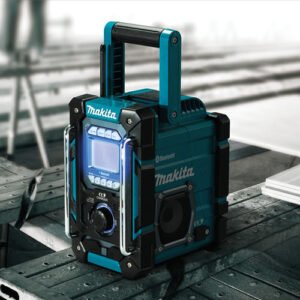
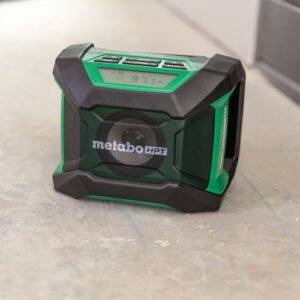
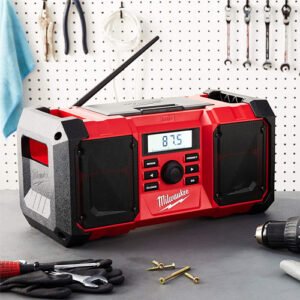


A cordless radio can be much more than a portable way to listen to music. For workshops, garages, construction sites, campsites, cottages, outdoor projects and emergency preparedness, the right model combines dependable audio with practical portability, durable construction and flexible power options. The best choice depends on where you intend to use it, which battery platform you already own, how important radio reception is, and whether you need features such as Bluetooth, USB charging, digital tuning or weather resistance.
For Canadian buyers, battery compatibility deserves particular attention. A radio that uses a battery platform you already own may be considerably more convenient than purchasing a separate battery ecosystem. Popular tool brands including DEWALT, Makita, Milwaukee, Bosch and Ryobi offer cordless radio or jobsite-audio products across different battery systems, while brands such as Sangean and other specialist audio manufacturers can be worth considering when traditional radio performance is more important than tool-battery compatibility.
Rather than choosing solely from a product's advertised wattage, appearance or feature count, compare the complete specification. Battery type, runtime, charging options, speaker configuration, Bluetooth implementation, tuner design, antenna arrangement, protection against dust and moisture, physical controls and portability can all make a meaningful difference in everyday use.
A smart purchase is not necessarily the cheapest cordless radio. It is the model that gives you the combination of capabilities you will actually use without paying for features that do not matter in your environment.
These products overlap, but they are not identical. A Bluetooth speaker is primarily designed to play audio from a connected device. A cordless radio is designed around independent listening, often with a built-in AM/FM tuner and, in jobsite-oriented models, compatibility with power-tool batteries.
If you mainly stream Spotify, Apple Music, podcasts or downloaded audio from your phone, a Bluetooth speaker may be the more logical product category. If you regularly listen to local radio stations, work in areas with limited connectivity, or already own compatible tool batteries, a cordless radio can make more sense.
Some modern cordless radios effectively combine both categories. They can receive conventional broadcasts while also functioning as a Bluetooth speaker. For buyers who want one device for several environments, this multifunction approach can provide better value than purchasing separate equipment.
Battery compatibility is one of the easiest details to overlook when comparing cordless radios. Tool batteries are generally designed around specific voltage families and physical interfaces, so a radio compatible with one manufacturer's battery platform should not automatically be assumed to work with another manufacturer's packs.
For example, owning several DEWALT batteries does not mean a Makita cordless radio will accept them, even if the nominal voltage appears similar. The battery connector, electronics and platform design must be specifically compatible.
Before purchasing, identify the exact battery family used by the radio and compare it with the batteries already in your workshop. Check the manufacturer's compatibility information rather than relying only on a marketplace listing title.
Runtime is difficult to compare directly between cordless radios because listening volume, speaker configuration, battery capacity, Bluetooth use and additional functions can all influence consumption. A manufacturer's runtime statement may therefore represent a particular test configuration rather than a guarantee of the same operating time in your workshop.
Battery capacity is commonly expressed in ampere-hours, or Ah. In general terms, a higher-capacity compatible battery can provide more stored energy, but it may also add weight and cost. For stationary workshop use, the additional weight may not matter. For carrying a radio around a campsite or jobsite, it may be more noticeable.
Do not automatically buy the largest battery available simply to maximise runtime. Think about how long you normally use the radio between charging opportunities and whether the additional battery weight is worthwhile.
A radio that supports both a rechargeable tool battery and household AC power can be particularly useful in Canada. You might use AC power in a garage or workshop and switch to battery operation when moving outdoors.
Dual-power operation also reduces pressure on battery capacity during long stationary listening sessions. However, buyers should verify exactly how the power system works. Some models may use AC power primarily for operation while others may provide different charging functionality.
For a product described as a radio, tuner performance should not be treated as a secondary feature. Reception quality can vary considerably depending on location, terrain, buildings, electrical interference and station strength.
Digital tuning can make station selection easier because the user can enter or scan frequencies rather than manually adjusting an analogue dial. Preset buttons can also be valuable if you regularly listen to the same stations.
Consider whether you need both AM and FM. FM may be the primary choice for music and general listening in many areas, while AM can remain useful for particular broadcasts, news and information services. Buyers in rural or remote parts of Canada should pay particular attention to antenna design and reception requirements.
Bluetooth turns a cordless radio into a more flexible audio system, but not every implementation provides the same experience. A product listing that simply says “Bluetooth” does not tell you everything about connection range, controls or how easily the device reconnects to a previously paired phone.
Bluetooth is especially useful for users who want to alternate between local radio and personal audio. It can also make the radio useful at a cottage or campsite where cellular coverage may be inconsistent but locally stored audio is available on a phone.
Sound quality depends on speaker design, enclosure construction, amplifier electronics, tuning and the environment in which the radio is used. A larger speaker does not automatically guarantee better sound, and a higher advertised power figure does not by itself establish audio quality.
For a workshop, clarity can be more useful than exaggerated bass. Machinery and tools can create significant background noise, so speech intelligibility becomes important when listening to news, talk radio or podcasts.
If the radio will primarily be used for music, consider speaker configuration and enclosure design. Stereo speakers may provide a wider presentation, while a compact mono design may be perfectly adequate when portability and durability are the priorities.
Jobsite environments create a difficult listening situation. Saws, drills, compressors, generators and other equipment can easily overpower a small speaker. A radio intended for quiet indoor use may therefore perform very differently when placed beside active equipment.
Rather than looking only for the highest possible volume, consider whether the radio maintains clear vocals and music at elevated listening levels. Distortion at high volume can make a theoretically powerful speaker less enjoyable than a better-balanced model.
Cordless radios used around construction sites and workshops face considerably more abuse than a home tabletop radio. Dust, sawdust, accidental impacts, vibration, moisture and temperature changes can all affect long-term usability.
Brands such as DEWALT, Makita and Milwaukee have established cordless tool ecosystems and produce jobsite-oriented audio equipment designed around the practical needs of tool users. That does not mean every model from one brand is automatically superior; construction quality and specifications still need to be evaluated model by model.
Look for protective bumpers, reinforced areas around controls, protected speaker openings and a stable base when those features match your working environment. If you regularly work outdoors, pay close attention to the manufacturer's stated moisture or water-resistance information rather than assuming that a rugged appearance means the radio is waterproof.
Outdoor use introduces requirements that may not matter inside a garage. Rain, snow, condensation and accidental splashes can expose electronics to moisture, while cold temperatures can influence battery performance.
When a manufacturer provides an IP rating or another defined protection rating, use the stated rating as the reference point. Do not interpret vague phrases such as “weather resistant” or “rugged” as equivalent to complete waterproofing.
Canada's climate makes temperature a relevant consideration for outdoor electronics. Lithium-ion batteries can behave differently in very cold conditions, and charging a lithium-ion battery while it is below the manufacturer's permitted temperature range can be inappropriate.
If you plan to use a cordless radio during winter construction, ice fishing, camping or other cold-weather activities, check the battery manufacturer's operating and charging guidance. Carrying a spare battery may be more useful than relying on a single pack during extended outdoor sessions.
Cold weather is also another reason to consider a radio with an AC power option if it will frequently be used in a workshop or garage where mains electricity is available.
A clear display can make a cordless radio significantly easier to use. Depending on the model, the display may show station frequency, time, battery status or connection information.
Physical buttons are often preferable for jobsite environments because they can be easier to operate without looking closely at the device. Large knobs or buttons can also be useful when wearing work gloves.
Some cordless radios include USB ports that can provide power for compatible devices. This can be useful when your phone battery is running low during a workday or outdoor trip.
However, USB charging should be treated as a convenience rather than the primary reason to purchase a radio. Charging another device from the radio's battery can reduce the energy available for audio playback, and the charging performance depends on the specific model and port.
Before relying on USB charging, check the manufacturer's stated output specifications and confirm that your intended device can be charged appropriately.
Digital tuning can improve everyday usability, especially for users who frequently switch between stations. Preset memory can reduce the time required to find favourite stations.
For a workshop radio that remains in one location, presets may be a minor convenience. For a portable unit used across different locations, easy scanning and tuning can become more important because station availability changes with geography.
When comparing major cordless-tool ecosystems, the most useful question is not which brand has the “best” radio in every situation. The better question is which platform best matches the batteries and tools you already use.
These brand comparisons should not replace model-level research. Battery compatibility, radio functions, speaker configuration, power options and physical dimensions can differ significantly between individual products.
A specialist radio manufacturer and a power-tool manufacturer may approach the same product category from different priorities. A specialist audio brand may place greater emphasis on tuner performance, traditional radio functionality and audio design. A tool manufacturer may prioritise battery compatibility, rugged construction and integration with a jobsite ecosystem.
Neither approach is automatically better. If your radio spends most of its time in a living space, cabin or quiet workshop, audio and tuner features may deserve greater weight. If it travels around construction sites with your cordless tools, battery compatibility and durability may be more important.
Compact models are easier to carry and store, making them suitable for small workshops, occasional DIY work and camping. Their smaller enclosures may impose limitations on speaker size and physical controls, but that trade-off can be worthwhile for portability.
Larger jobsite radios generally make more sense when the unit will remain in one work area and when stronger audio output, greater physical stability or additional controls are valuable.
When comparing several cordless radios, create a simple specification checklist rather than relying on product names or marketing descriptions.
A deal is only attractive when the underlying product fits your requirements. A discounted radio that requires an unfamiliar battery platform may cost more overall than a slightly more expensive model that works with batteries and chargers you already own.
When comparing offers, calculate the complete ownership requirement. Consider the radio, required battery, charger if necessary and any accessories that are genuinely needed for your intended use.
A trusted brand can reduce uncertainty, but brand reputation does not eliminate the need to check specifications. Two radios from the same manufacturer can have very different battery requirements, speaker designs and feature sets.
The radio body may appear inexpensive until you discover that you need a separate battery and charger. If you are entering a new battery ecosystem, factor those components into the overall purchase decision.
Voltage alone is not sufficient to establish compatibility. Always confirm the exact platform and manufacturer's compatibility information.
Bluetooth allows audio streaming from another device. It does not replace an AM/FM tuner. If independent radio reception is important, make sure the radio actually includes the tuner functions you need.
A large radio may provide useful audio capabilities, but carrying it around all day can become inconvenient. Think about how often you will move it before prioritising maximum size.
Protective construction and waterproofing are not interchangeable descriptions. Look for specific manufacturer information about moisture protection.
Very high volume is not automatically synonymous with good audio. Clear speech, controlled sound and low distortion can matter more in everyday use.
A cordless jobsite radio is particularly well suited to people who spend substantial time in workshops, garages, construction areas or outdoor project locations and already own compatible cordless-tool batteries.
If you have no interest in tool batteries, rarely work around construction environments and mainly want a lightweight radio for home or emergency use, a conventional portable radio may be a better fit.
Likewise, if your priority is maximum audio quality rather than battery-platform compatibility, consider comparing specialist portable radios and Bluetooth speakers alongside jobsite models.
Workshop users generally benefit from a combination of physical durability, easy controls, clear sound and flexible power. Battery compatibility can also be especially valuable because the radio can share batteries with tools already used in the same space.
For camping and cottage use, portability and battery endurance may matter more than heavy-duty jobsite construction. Radio reception can also become more important in locations where cellular connectivity is inconsistent.
A radio can be a useful part of an emergency kit because broadcast information may remain valuable when internet access is unavailable or unreliable. For this purpose, independent radio reception should take priority over entertainment features.
Consider battery availability, alternative power options, tuner coverage, physical durability and ease of operation. If the radio is intended for emergency storage, periodically inspect the battery and equipment according to the manufacturer's recommendations rather than assuming stored equipment will remain ready indefinitely.
Basic care can help preserve the functionality of a cordless radio, particularly when it is used around dust, sawdust or outdoor debris.
If you only use your radio occasionally, storage conditions become important. Keep the unit in a clean, dry location and avoid unnecessary exposure to extreme heat, moisture or prolonged direct sunlight.
Battery storage should follow the instructions supplied for the specific battery chemistry and platform. Do not assume that every battery should be stored in exactly the same condition.
Customer reviews can provide useful information, but they should be evaluated for patterns rather than isolated comments. A single complaint does not necessarily establish a product-wide problem, just as a handful of enthusiastic reviews does not prove long-term reliability.
Before purchasing, compare the product listing with the manufacturer's current specifications. This is particularly important when a retailer sells several versions of a similar-looking radio or when batteries and chargers are offered separately.
The best value depends on your existing equipment and usage pattern. Someone with several compatible batteries may get excellent practical value from a radio sold as a tool-only unit. Someone starting from zero may find a complete kit more convenient even when its initial price is higher.
Consider the radio as part of a wider system rather than as an isolated purchase. A compatible battery platform can be reused across drills, saws, lights, inflators and other cordless equipment, potentially increasing the usefulness of the investment.
If you already own compatible batteries, a tool-only configuration can avoid purchasing another battery unnecessarily. If you do not own the platform, a kit containing the appropriate battery and charger may be simpler.
Always verify what is actually included in the specific Canadian product configuration. Retailer listings can vary by package, and product photographs should not be treated as definitive evidence of included accessories.
In many cases, yes, because battery compatibility can simplify ownership. If your workshop already contains DEWALT, Makita, Milwaukee, Bosch or Ryobi cordless tools, investigate the compatible radio options from that ecosystem before buying a completely separate battery system.
However, do not let battery compatibility overshadow a major difference in the features you actually need. If superior radio reception or specialist audio performance is your primary requirement, an independent radio brand may be worth comparing.
There is no single best cordless radio for every Canadian buyer. The right option depends on battery compatibility, intended environment, radio reception, Bluetooth requirements, durability, power options, size and budget. A homeowner with an established battery platform may make a different choice from a construction professional or camper.
They can be, particularly when you already own compatible tool batteries. The ability to use an existing battery system can make a cordless radio more convenient than a standalone rechargeable device. They are also useful when you want conventional radio reception and Bluetooth in one portable unit.
Yes, a conventional AM/FM tuner does not require Wi-Fi. Bluetooth playback also does not require Wi-Fi once a compatible device is connected, although the source device may need internet access if you are streaming online content.
Some models provide USB charging or power-output functionality, but this varies by product. Check the exact specifications before assuming that a particular radio can charge your phone or provide a particular charging speed.
No. Cordless radios are designed for specific battery platforms. Always verify compatibility with the exact model and battery family rather than relying solely on voltage.
Compatibility should be determined from the specific manufacturer's specifications. A DEWALT radio should not be assumed to accept batteries from Makita, Milwaukee, Bosch, Ryobi or another manufacturer simply because the voltage appears comparable.
Not necessarily. Some models provide defined protection against water or moisture, while others are designed primarily to withstand dust and impacts. Check the manufacturer's stated protection level for the exact model.
Neither is universally better. Bluetooth is ideal for personal audio from a phone or other compatible device, while FM radio provides independent broadcast reception without requiring a paired source device.
Use a compatible battery that provides an appropriate balance between runtime, weight and cost. If you already own several compatible batteries, you may not need to purchase a larger pack solely for the radio.
Not automatically. Cabinet volume, speaker configuration, amplifier design and tuning all influence audio performance. Compare the complete specifications rather than assuming that physical size alone determines volume.
They can be suitable for cold-weather use when operated within the manufacturer's specified conditions. Battery performance can change at low temperatures, so check the battery manufacturer's operating and charging guidance before using or charging a battery in extreme cold.
Choose a cordless radio if AM/FM reception, tool-battery compatibility or jobsite durability is important. Choose a Bluetooth speaker if your primary goal is streaming audio from a phone and you do not need a built-in radio tuner or tool-battery platform.
Product specifications, retailer pricing, package configurations and availability can change during 2026. For an August 2026 buying decision, verify the current model number, specifications and Canadian retailer listing immediately before purchasing.
The strongest cordless-radio purchase is the one that fits your actual working environment rather than simply having the longest feature list. Start with the battery platform if you already own cordless tools, then compare radio reception, Bluetooth functionality, sound quality, durability, power options and portability.
For Canadian buyers, also consider where the radio will be used throughout the year. A workshop radio may benefit from AC operation and large controls, while a camping radio may benefit more from low weight and flexible battery operation. A construction-oriented user may place durability and battery-platform compatibility ahead of advanced audio features.
Before committing to a deal, compare the exact model and package, verify what is included, review manufacturer specifications and examine current Canadian pricing. Trusted names such as DEWALT, Makita, Milwaukee, Bosch, Ryobi and established specialist radio manufacturers can provide useful starting points, but the final decision should be based on the specifications that matter most for your particular use.
By evaluating the complete ownership picture rather than focusing only on the advertised deal price, you can narrow the field to a cordless radio that delivers useful functionality, practical portability and long-term value for your workshop, jobsite, garage, cottage or outdoor setup.