

♥ Wishlist
Compare 10 Chainsaws for Firewood, Yard Maintenance and Property Care products in Canada. Reviews, ratings, pros, cons and buying advice updated for October 2026.
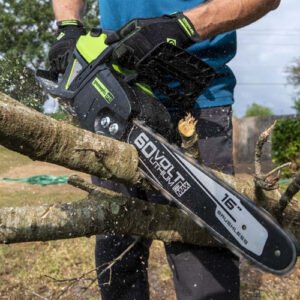
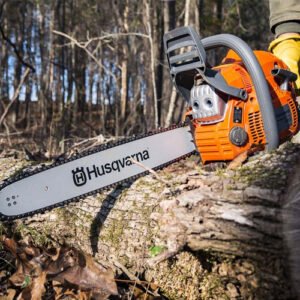
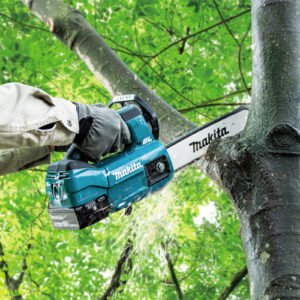
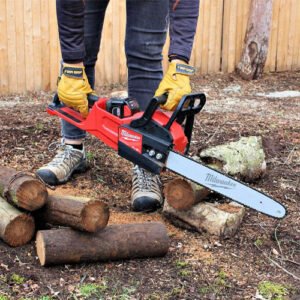
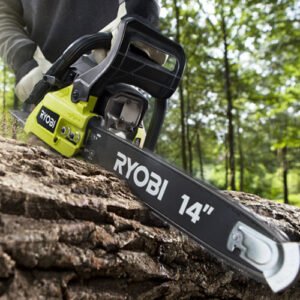
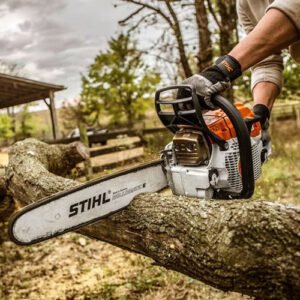
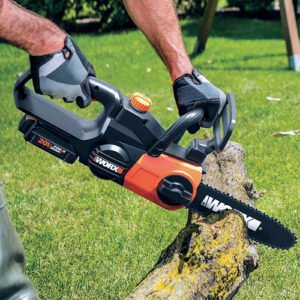


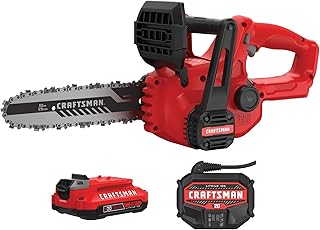


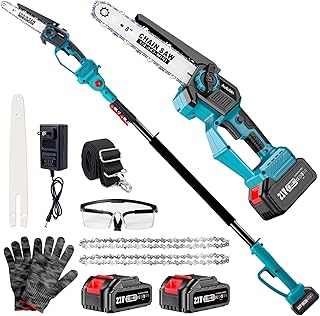


Choosing a chainsaw is less about finding the machine with the biggest engine or longest guide bar and more about matching the saw to the work you actually expect to do. A homeowner clearing storm-damaged branches has different requirements from someone cutting firewood regularly, maintaining a large rural property, or processing larger logs. The smartest purchase balances cutting capacity, weight, power source, safety features, maintenance requirements, replacement-parts availability, and the amount of work the saw will perform.
For Canadian buyers, the decision can also involve practical considerations such as cold-weather operation, battery performance in low temperatures, fuel storage, access to replacement chains, and the availability of local servicing. Brands such as STIHL, Husqvarna, ECHO, Makita, DEWALT, Milwaukee, EGO, Greenworks and Oregon offer different approaches to chainsaw design, so comparing specifications rather than relying on brand recognition alone is important.
A good buying decision should begin with the type and diameter of wood you expect to cut most often. From there, consider the appropriate bar length, power source, chain type, ergonomic design, lubrication system, chain-tensioning arrangement and safety equipment. A smaller saw that is comfortable and easy to control can be a much better choice for routine property maintenance than a heavier professional machine that provides more power than necessary.
Cordless chainsaws have become an important option for Canadian homeowners because they avoid gasoline mixing, exhaust fumes and many of the storage concerns associated with fuel-powered equipment. They are particularly convenient for pruning, branch removal, small-to-medium firewood tasks and general property maintenance.
The most important consideration is not simply the battery voltage printed on the packaging. Runtime depends on battery capacity, chain sharpness, wood density, bar length, cutting technique, ambient temperature and how continuously the saw is operated. A larger battery can provide more working time, but it can also increase the overall weight of the tool.
Battery-platform compatibility can make a major difference in overall value. If you already own compatible outdoor power equipment from DEWALT, Milwaukee, Makita, EGO or Greenworks, a chainsaw using the same battery family may be more economical than starting another battery ecosystem. Check the exact battery and charger requirements before comparing the headline price of two models.
Gas chainsaws remain relevant for demanding cutting because they can deliver sustained power without relying on battery capacity. They are often considered for larger trees, frequent firewood cutting, extensive property maintenance and situations where long periods of operation are expected.
The trade-off is greater mechanical and maintenance complexity. Buyers need to account for fuel, oil, starting procedures, engine maintenance, storage and exhaust. Noise and vibration can also be more noticeable than with many battery-powered alternatives.
STIHL, Husqvarna and ECHO are among the established names worth comparing when evaluating gasoline chainsaws. Instead of choosing solely by engine displacement, compare the complete specification set, including dry weight, recommended bar range, chain system, anti-vibration design, lubrication system and intended-use category.
Corded electric chainsaws can make sense for homeowners who primarily work close to a suitable outdoor electrical outlet. They can be straightforward to operate and eliminate gasoline-related maintenance, but the power cord creates an important limitation: the cutting area must remain within the practical reach of the electrical connection.
A corded model is generally less flexible than a cordless saw for large properties, remote sections of a yard or storm cleanup. Anyone considering one should evaluate outdoor electrical safety, extension-cord requirements specified by the manufacturer, weather conditions and the possibility of the cord entering the work area.
The guide bar is one of the most visible chainsaw specifications, but a longer bar does not automatically make a chainsaw a better purchase. Increasing bar length generally increases reach and potential cutting capacity while also adding weight and requiring adequate power to drive the chain effectively.
For light pruning and smaller branches, a compact bar can improve maneuverability. Medium-length bars can provide a useful balance for general property work and firewood. Longer bars are more appropriate when the saw is specifically designed and powered for larger-diameter cutting.
Do not assume that a powerful-looking saw should be fitted with the longest bar you can find. Always stay within the manufacturer's approved bar and chain combinations. An unsuitable combination can affect performance, balance, lubrication and safe operation.
A chainsaw is a complete cutting system rather than simply an engine or electric motor attached to a bar. Chain pitch, gauge, drive-link count, cutter configuration and compatible guide-bar specifications all matter when replacing components.
A sharp, correctly tensioned chain can make a properly matched chainsaw feel substantially more effective than a saw operating with a dull or incorrectly adjusted chain. Conversely, an expensive chainsaw cannot compensate for an unsuitable or poorly maintained cutting system.
Before purchasing, record the chain and bar specifications supplied for the model. This makes it easier to identify replacement components later and reduces the risk of purchasing an incompatible chain.
Some consumer chainsaws are supplied with chain and bar combinations designed to reduce kickback characteristics. This does not make a chainsaw risk-free. Kickback remains one of the most important hazards associated with chainsaw operation, particularly when the upper portion of the guide-bar nose contacts wood or another object.
Read the manufacturer's operating instructions and understand the specific chain and bar combination recommended for the saw. Do not substitute components simply because they appear physically compatible.
Specifications can be difficult to compare across different power systems. A gasoline engine's displacement cannot be directly equated with a battery voltage, and battery voltage alone does not describe the complete performance of a cordless chainsaw.
For cordless models, consider the motor design, battery capacity, recommended battery configuration, chain speed information provided by the manufacturer, operating weight and intended application. For gas models, consider engine displacement alongside power delivery, weight and approved bar range.
Rather than choosing the highest numerical specification, look for a balanced system. A chainsaw that has enough power to maintain effective chain movement under the workload is generally more useful than a model selected solely because one specification is larger.
Chainsaw weight becomes increasingly important as cutting sessions become longer. The published tool weight may not always represent the exact weight you will hold during operation, particularly with cordless models where the battery contributes additional mass.
When comparing cordless models, look at the complete operating configuration rather than only the bare-tool weight. For gas models, consider the machine with the appropriate fluids and cutting equipment as specified by the manufacturer.
Handle position, grip shape, balance and vibration management can also influence how manageable a saw feels. A model that is technically powerful but difficult to control may be a poor choice for occasional users.
Safety should be treated as a core purchasing criterion rather than a secondary feature. A chainsaw uses a rapidly moving cutting chain and should only be operated by someone who understands the hazards and the manufacturer's instructions.
Important safety-related features can include a chain brake, chain catcher, throttle interlock, hand guards and other manufacturer-specific protective systems. The exact configuration varies by model, so check the product documentation rather than assuming every chainsaw has identical protection.
Protective equipment is equally important. Depending on the task and applicable safety guidance, chainsaw users may need appropriate eye and hearing protection, protective footwear, gloves, leg protection or chaps, head protection and other equipment. PPE does not replace safe cutting technique or proper training.
Kickback can occur when the moving chain catches unexpectedly, particularly around the guide-bar nose. This can cause the guide bar to move rapidly toward the operator. Understanding the kickback zone and maintaining a secure grip and appropriate body position are fundamental aspects of chainsaw safety.
Never treat a chain brake or low-kickback chain as permission to ignore safe operating procedures. Read the manufacturer's manual before use and follow its specific recommendations for starting, cutting, stopping and maintaining the machine.
Proper chain lubrication reduces friction and helps the cutting system operate as intended. Many chainsaws use an automatic oiling system, but automatic lubrication still requires the operator to keep the correct chain oil reservoir filled and to maintain the system according to the instructions.
When comparing models, look at the oil-reservoir design, ease of checking the oil level and the manufacturer's recommended lubricant. A convenient oiling system can make routine ownership easier, especially for buyers who use the chainsaw regularly.
Some chainsaws use simplified chain-adjustment mechanisms, while others rely on a more conventional tensioning arrangement requiring a tool. Tool-free systems can be convenient for homeowners, but convenience should not replace correct adjustment.
Chain tension needs to follow the manufacturer's instructions. A chain that is too loose can create operational and safety problems, while excessive tension can increase friction and component wear. The correct procedure can vary between models, particularly when the chain is cold or has been operating and expanded through heat.
Cold weather deserves special attention when purchasing cordless outdoor equipment. Battery performance can be affected by temperature, and manufacturers may specify particular storage, charging and operating conditions.
Do not assume that a battery rated for a particular capacity will provide identical runtime in every season. If winter property maintenance is part of your intended use, review the battery manufacturer's temperature guidance and charging requirements before relying on the equipment in cold conditions.
Storage is also important. Follow the manufacturer's instructions for storing the chainsaw, battery and charger. Avoid exposing batteries to conditions outside the specified operating or storage range.
Not every additional feature provides equal value. The best upgrades are those that improve control, reliability, maintenance convenience or suitability for the work you perform.
There is no universal winner between gas and battery power. The right choice depends on workload, property size, cutting frequency, desired maintenance level and access to compatible batteries or fuel.
If your primary jobs are removing fallen branches, pruning suitable branches from the ground and handling modest amounts of firewood, prioritize manageable weight, straightforward starting, safety features and simple maintenance. A compact cordless saw can be particularly attractive when its battery system fits tools you already own.
Firewood users should focus on sustained cutting performance, appropriate bar length, chain availability, battery runtime or fuel capacity, ergonomics and serviceability. The right choice depends heavily on log diameter and how much wood is processed during a typical session.
Large properties may justify a more capable chainsaw because cutting locations can be distant from electrical outlets and workloads may be more demanding. Compare operating endurance, power delivery, service access, replacement parts and the manufacturer's intended-use category.
For demanding and frequent cutting, specifications such as power-to-weight ratio, durability, vibration management, chain speed, serviceability and availability of replacement components become increasingly important. Buyers should also consider formal chainsaw training and applicable workplace or safety requirements where relevant.
Brand reputation can be a useful starting point, but it should not replace model-level comparison. Different brands have different product families, and a company's premium professional saw may have little in common with its entry-level homeowner models.
When two models appear similar, compare the specifications in a consistent order. Looking only at price can hide important differences in weight, battery requirements, bar compatibility or intended use.
Voltage is only one part of a cordless chainsaw specification. Two battery systems with different voltage ratings cannot automatically be ranked as one being better simply from that number.
Battery capacity, motor efficiency, chain speed, electronic controls, cutting-system design and workload all affect practical performance. A buyer should therefore consider the complete manufacturer's specification and the actual intended application.
The purchase price is only one component of total ownership cost. A chainsaw can require replacement chains, guide bars, chain oil, batteries or fuel, maintenance components and occasional professional servicing depending on the type of machine and how frequently it is used.
For cordless models, determine whether the advertised configuration includes a battery and charger. A low bare-tool price may not represent the final cost if you do not already own the required battery platform.
For gasoline models, account for fuel and maintenance requirements over the expected ownership period. For any model, check the price and availability of commonly replaced cutting components before making a final decision.
Longer is not automatically better. An oversized bar can add weight and may be inappropriate for the saw's power system. Select a manufacturer-approved bar that matches the work you actually perform.
A battery-powered chainsaw may become substantially heavier once the required battery is installed. Always consider the configuration you will actually hold.
A cheaper saw may have different battery requirements, cutting capacity or maintenance needs. Compare the complete ownership proposition instead of comparing the initial price alone.
Chains wear out and guide bars can eventually require replacement. Before purchasing, verify that compatible replacement components are reasonably easy to identify and obtain.
If you already own several cordless tools, buying into a completely different platform can increase the effective cost of ownership. On the other hand, choosing a battery platform solely because you already own one tool may not be appropriate if the chainsaw does not meet your workload requirements.
Established manufacturers produce equipment for different markets and workloads. Compare the exact model, not just the logo on the housing.
A chainsaw purchase should include consideration of appropriate protective equipment, safe operating procedures and maintenance. The cheapest way to buy a chainsaw is not necessarily the safest or most sensible way to prepare for its use.
Regular maintenance helps preserve cutting performance and allows problems to be identified before they become more serious. Follow the exact maintenance schedule and procedures supplied with your model.
A chain that produces fine dust instead of efficient chips, requires unusual pressure, cuts unevenly or no longer performs as expected may need sharpening or inspection. A dull chain can make cutting slower and increase the effort required from the operator.
Do not continue using a chain that is damaged or otherwise outside the manufacturer's serviceable condition. When sharpening or replacing a chain, use the correct specifications and follow the manufacturer's procedure.
Seasonal storage is especially relevant in Canada because outdoor equipment may spend extended periods unused. Store the chainsaw according to the manufacturer's instructions and keep it protected from inappropriate moisture, contamination and temperature extremes.
Battery-powered equipment requires particular attention to battery storage conditions. Batteries should be stored and charged only under the conditions specified by the battery manufacturer.
Gas-powered equipment has additional fuel-storage considerations. Follow the manufacturer's instructions regarding fuel treatment, tank storage and preparation for periods of non-use rather than relying on generic assumptions.
A deal is only valuable when the product configuration matches your requirements. When comparing chainsaw offers in Canada, identify the exact model number and check what is included in the package before comparing prices.
Customer reviews can provide useful information, but they should be interpreted alongside technical specifications. A homeowner using a chainsaw for occasional branch cleanup may report a very different experience from someone processing large quantities of firewood.
Look for recurring comments about battery runtime, chain adjustment, starting behaviour, balance, oil leakage, durability and ease of maintenance. Give more weight to reviews that clearly explain the user's workload and operating conditions.
Do not assume that a high review score automatically means a product is suitable for every application. Review suitability, not simply popularity.
Prioritize compact dimensions, low operating weight, good balance and easy handling. There is little benefit in buying a large professional saw when your regular work consists of relatively small branches and occasional cleanup.
Look for a balanced combination of cutting capacity, chain performance, operating weight and endurance. Cordless buyers should pay particular attention to battery capacity and whether additional batteries are necessary for their expected workload.
Storm-damaged trees introduce additional hazards because branches can be under tension, partially suspended or unstable. Equipment selection should not be treated as a substitute for proper training. Complex or dangerous trees and limbs may require a qualified professional rather than a homeowner attempting the work with a larger chainsaw.
When larger-diameter wood is a routine requirement, prioritize a saw designed for that workload rather than attempting to stretch a lightweight homeowner model beyond its intended application. Pay close attention to manufacturer-approved bar ranges and the saw's intended-use category.
Not every cutting task is appropriate for a homeowner. Trees near electrical infrastructure, unstable trees, severely damaged trees, large limbs under significant tension and difficult elevated work can involve hazards that require specialist knowledge and equipment.
If the cutting situation is beyond your training, experience or equipment, the sensible decision is to use a qualified tree-care professional. A more powerful chainsaw does not make a hazardous tree safe to cut.
Before choosing one of the chainsaws in a Canadian buying guide, use this checklist to narrow the options:
A top-10 list should be treated as a starting point for comparison rather than a universal ranking. The number-one option for one buyer can be a poor choice for another because chainsaws differ substantially in power, weight, cutting capacity and operating cost.
If portability and convenience are the priority, concentrate on cordless models and battery-platform compatibility. If sustained heavy cutting is the priority, examine gasoline models designed for that workload. If the saw will be used only occasionally, avoid paying for professional-level capability that will rarely be used.
The strongest purchasing decision comes from identifying the models that satisfy your non-negotiable requirements first and then comparing price, features, ownership costs and customer feedback among those candidates.
There is no single best chainsaw for every Canadian buyer. The right choice depends on the cutting diameter, frequency of use, power source, required bar length, operating weight, maintenance preferences and budget. Compare the exact specifications of shortlisted models before deciding.
For many routine homeowner applications, a cordless chainsaw can be a practical choice, particularly for branch cleanup and moderate property maintenance. Suitability depends on the model, battery configuration and workload, so buyers should compare the manufacturer's intended application and operating specifications.
Not universally. Gas chainsaws can be advantageous for sustained demanding work, while battery models can offer convenience and simpler operation for many homeowners. The smarter option depends on how and where the saw will be used.
Choose a bar length appropriate for the wood you expect to cut and within the range approved by the manufacturer. A longer bar is not automatically better because it can add weight and may require a more capable power system.
Established brands can provide a useful starting point because replacement components, documentation and service considerations may be easier to evaluate. However, compare the exact model rather than assuming every chainsaw from a well-known manufacturer is equally suitable.
It can be. Battery compatibility may reduce the need to purchase another battery and charger system. However, make sure the compatible chainsaw still provides the cutting capacity and runtime required for your work.
Very important. A properly maintained chain is central to effective cutting. Follow the manufacturer's guidance for sharpening, inspection, tension and replacement.
There is no universal replacement interval because chain life depends on cutting conditions, maintenance, sharpening practices and accidental contact with dirt or other materials. Inspect the chain regularly and replace it when it reaches the condition specified by the manufacturer or is damaged beyond safe service.
Confirm the exact model, bar length, chain specification, included accessories, battery and charger configuration, manufacturer specifications, warranty terms, replacement-component availability and current retailer pricing. Do not compare two listings until you know that their package contents are equivalent.
No. A higher-priced professional saw may provide capabilities that an occasional homeowner does not need. The best value comes from buying a model whose performance, durability, ergonomics and ownership requirements match the intended workload.
Appropriate protective equipment can include eye and hearing protection, suitable footwear, gloves, leg protection or chainsaw chaps, head protection and other equipment appropriate to the work. Follow applicable safety guidance and the manufacturer's recommendations, and obtain suitable training for the cutting tasks involved.
The smartest chainsaw purchase is the one that matches the job without creating unnecessary weight, complexity or ownership cost. Start with the cutting task, then work through power source, bar length, chain system, operating weight, safety features, maintenance and replacement-part availability.
For cordless buyers, battery compatibility can be a major part of the value calculation. For gasoline buyers, sustained performance and maintenance requirements deserve more attention. For occasional users, maneuverability and ease of operation may matter more than maximum power.
Before purchasing, compare the exact model specifications, package contents and current Canadian retailer pricing. Read current customer feedback for recurring issues, but judge those comments against the type of work you intend to perform. Most importantly, choose equipment that you can operate safely and within its intended application.
This guide is designed to support independent product research. Product specifications, package contents, pricing, customer ratings and availability can change, so verify the latest information from the manufacturer and retailer before making a purchase.