

♥ Wishlist
Compare 48 Camping & Hiking Gear for Outdoor Adventures products in Canada. Reviews, ratings, pros, cons and buying advice updated for October 2026.










Choosing camping and hiking equipment is not simply a matter of finding the lowest advertised price. For Canadian outdoor use, the better purchase is usually the product that delivers the right combination of durability, weather resistance, weight, packability, comfort and practical features for the conditions in which it will actually be used. A product that looks like a bargain can become expensive if it needs to be replaced quickly or performs poorly when exposed to rain, cold, rough terrain or repeated use.
This buying guide is designed to help Canadian shoppers compare camping and hiking products more intelligently in 2026. When evaluating deals, consider the complete specification rather than relying on star ratings or a promotional price alone. Compare materials, dimensions, capacity, packed size, weight, construction, included accessories, manufacturer specifications and recent customer feedback before deciding.
A smart buy is not necessarily the cheapest product in a category. It is an option whose performance and useful features are appropriate for the amount being spent. This distinction is particularly important for outdoor equipment because products can vary substantially in construction, weather protection, comfort and intended use.
Canada's outdoor environments are diverse, so there is no single specification that makes a camping product ideal everywhere. A setup suitable for a warm summer campground in southern Ontario may not be the right choice for exposed alpine terrain in British Columbia or a shoulder-season trip in Alberta.
Before buying, consider where and when the equipment will be used. Provincial parks, national parks, established campgrounds, backcountry routes and multi-day backpacking trips can all create different equipment requirements.
Always check local conditions, seasonal advisories, trail information and manufacturer specifications rather than assuming that a product marketed for "camping" is suitable for every Canadian environment.
Weight is one of the most important specifications for hikers carrying equipment over significant distances. A tent, sleeping system, cooking setup or backpack that is comfortable in a vehicle can become noticeably burdensome after several hours on a trail.
For backpacking, compare both the listed product weight and the realistic packed weight of the complete system. Accessories, poles, stakes, bags, batteries, fuel-related equipment and protective components may add weight beyond the headline specification.
For car camping, weight is generally less critical. In that situation, a shopper may reasonably prioritize larger living space, thicker materials, easier setup and greater comfort.
Material names alone do not tell the entire story. Nylon, polyester, canvas, aluminium, steel and synthetic insulation can all be appropriate depending on the product and intended use.
Look at how the material is used. For shelters, examine fabric construction, seam treatment, floor design, pole materials and attachment points. For backpacks, inspect stitching, zippers, buckles, shoulder straps, hip belts and load-support structures. For sleeping equipment, consider insulation type, shell fabric, fill distribution and construction method.
Water resistance is especially relevant for Canadian camping and hiking. However, shoppers should distinguish between water-resistant and waterproof construction.
For tents and rain gear, investigate the manufacturer's stated waterproofing specifications and construction details. Pay attention to protected seams, rainfly coverage, bathtub-style floors, storm flaps and closure systems where applicable.
A waterproof rating alone does not guarantee that an entire product will perform equally well in prolonged rain. Design, seams, zippers, construction quality and correct setup can all affect real-world weather protection.
Good weather protection should not come at the expense of excessive condensation. Tents and shelters need appropriate ventilation to allow moisture generated by occupants to escape.
Look for mesh panels, adjustable vents and layouts that permit airflow while maintaining protection from insects and weather. For clothing and sleeping systems, consider breathability and moisture management in addition to insulation or water resistance.
A tent should be selected according to the number of occupants, expected weather, trip duration, transportation method and camping environment. A two-person backpacking tent and a spacious family campground tent serve very different purposes.
Two-person tents are popular because they can balance sleeping capacity and portability. For backpacking, compare packed weight, packed dimensions, floor dimensions and vestibule space. Pay particular attention to whether the advertised capacity provides enough practical room for the people and equipment using it.
Larger tents can be more comfortable for couples, families or groups carrying equipment by vehicle. The additional interior space can make changing clothes, storing equipment and spending time inside during poor weather easier.
Large tents are primarily comfort-oriented. Before buying, compare standing height, room configuration, door placement, windows, ventilation, storage pockets and setup requirements. A large shelter can provide an excellent campground experience but may be impractical for long-distance backpacking.
Backpacking tents should be evaluated as part of the complete carrying system. Lightweight construction can reduce pack weight, but buyers should make sure the design remains appropriate for the weather and terrain expected on the trip.
Sleeping bags should be selected according to expected nighttime temperatures, sleeping habits, body size and the type of camping involved. Temperature ratings require careful interpretation because comfort can vary between individuals and testing methods.
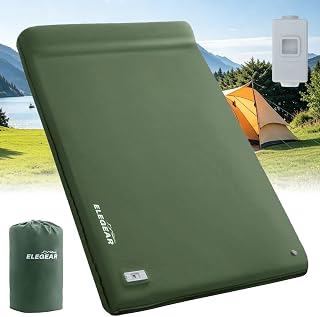
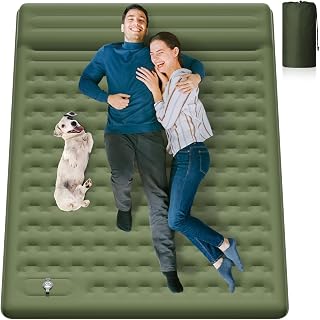
A sleeping pad contributes both comfort and insulation from the ground. Choosing one based only on thickness can lead to disappointing results because insulation value, construction and dimensions also matter.
Backpackers should compare weight, packed size, insulation performance, durability and noise characteristics. Car campers can generally prioritize thickness, width and sleeping comfort.
For colder conditions, the insulation specification becomes particularly important because the ground can draw heat away from the body. Compare the manufacturer's stated insulation rating and use it alongside the expected conditions rather than treating any single specification as a guarantee of comfort.
Backpack capacity should match the duration and style of the trip. A day hike typically requires substantially less carrying capacity than a multi-day backcountry trip.
Pay close attention to torso fit, shoulder strap adjustment, hip-belt design, back ventilation and load distribution. A technically impressive backpack can still be a poor purchase if it does not fit the person carrying it.
Hiking footwear should be selected according to terrain, distance, weather and personal fit rather than brand reputation alone. Trusted brands such as Merrell, Salomon, Columbia, The North Face and Keen offer different approaches to hiking footwear, so shoppers should compare the specific model and its intended use.
Fit is critical. Compare toe-box space, heel security, width, arch feel and cushioning. Customer reviews can help identify recurring sizing observations, but they should not replace checking the manufacturer's sizing information.
Trekking poles can provide additional stability on uneven terrain and may be particularly useful when carrying a backpack. When comparing poles, examine adjustment mechanisms, collapsed length, shaft material, grip design, wrist straps and tip compatibility.
Aluminium poles can provide a practical balance of weight and durability, while other materials may emphasize lower weight or different performance characteristics. The best option depends on how and where the poles will be used.
Cooking equipment should be evaluated according to the number of people, trip duration, fuel availability, cooking style and expected weather. A compact stove suitable for boiling water on a solo backpacking trip may not be the best choice for preparing meals for a family.
For Canadian backcountry use, follow applicable park rules and local fire regulations. Fuel and cooking practices should always be appropriate for the location and conditions.
Coolers are another category where the cheapest option is not automatically the best value. Compare internal capacity, external dimensions, insulation design, closure system, portability and ease of cleaning.
For vehicle camping, capacity may be the dominant factor. For shorter outings, a smaller cooler can be easier to carry and may be sufficient. Consider how much food and drink is actually needed instead of automatically choosing the largest available size.
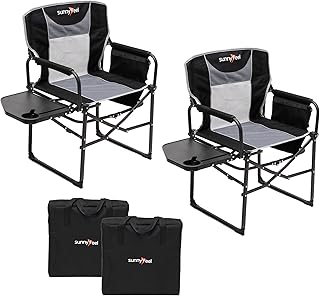
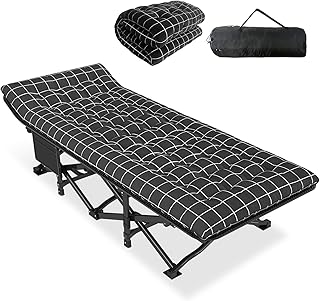
Camp furniture is often overlooked when comparing outdoor deals, yet construction quality and portability can have a major impact on usability. Compare weight capacity, frame construction, fabric, packed dimensions, seat height and folding mechanism.
For frequent car camping, durability and comfort may be more valuable than minimal weight. For hiking or remote campsites, portability becomes much more important.
Outdoor lighting should be evaluated according to brightness, beam pattern, runtime, charging method, weather resistance and ease of operation.
A headlamp is generally more practical for hiking, cooking and setting up camp because it leaves both hands free. Lanterns are useful for illuminating a larger area at a campsite. Some shoppers may benefit from carrying both rather than expecting one device to perform every lighting task.
For rechargeable lighting, compare charging connections, battery capacity and whether the manufacturer's stated runtime changes substantially at different brightness settings. For battery-powered equipment, check the required battery type and expected runtime.
Hydration equipment should be chosen according to water availability, trip length and the environment. Bottles, reservoirs, gravity filters, pump filters and purification systems serve different purposes.
When comparing filtration products, examine the manufacturer's stated filtration capabilities, flow rate, capacity, maintenance requirements, replacement components and operating instructions. Do not assume that every filter removes every type of contaminant.
Layering is often more useful than relying on a single highly insulated garment. A practical system can include a moisture-managing base layer, insulating mid-layer and weather-protective outer layer, depending on conditions.
Brands such as Columbia, Patagonia, Arc'teryx, Helly Hansen and The North Face have broad outdoor apparel ranges, but specifications and intended uses vary by model. Compare individual products rather than selecting solely by brand.
Customer ratings can provide useful information, but the average star score is only one part of the evaluation. Read reviews for recurring observations rather than isolated complaints or praise.
A backpack used for occasional day hikes should not necessarily be judged by the same standards as one used for extended backcountry trips. Context matters when interpreting reviews.
Outdoor product listings often contain many specifications, but not every number has equal importance. Start with the specifications that directly affect your intended use.
For example, when comparing tents, prioritize capacity, dimensions, packed weight, weather protection and construction. For hiking footwear, prioritize fit, intended terrain, sole construction, cushioning and weather protection. For sleeping bags, focus on temperature ratings, insulation, dimensions and weight.
Be cautious with vague marketing language such as "extreme," "premium," "professional" or "all-weather" unless the listing provides measurable specifications that explain what those claims mean.
A low price can be attractive, but replacement costs can make an inexpensive product poor value. Compare construction, materials and intended use before deciding that the lowest price is the best deal.
More features are not always better. Extra pockets, accessories, electronic functions or specialized components can add cost and weight without providing meaningful benefits for your trips.
A product may look compact in photographs but occupy significant space when packed. Always compare the listed packed dimensions when vehicle storage or backpack space is limited.
Ultra-light equipment can be appealing to backpackers, but minimizing weight without considering durability, weather protection or comfort can create an unsuitable setup.
Fit matters for backpacks, clothing, footwear and sleeping systems. A technically excellent product can become a poor purchase if its dimensions do not suit the user.
Weather protection depends on product design, setup, maintenance and conditions. Read the manufacturer's instructions and specifications carefully rather than relying on a single waterproofing claim.
A sensible camping kit starts with essential functions rather than individual products. Shelter, sleep, hydration, food, navigation, clothing and safety should be considered before adding convenience items.
When shopping for outdoor equipment in Canada, compare the same model across multiple reputable retailers where possible. Product prices, promotions, bundles and stock status can change, so the advertised deal should be evaluated against the product's specifications and normal market positioning rather than judged solely by the percentage discount.
Before purchasing, verify the exact model number, size, colour or configuration. Some retailers use similar product names for different generations or variants, which can make direct comparisons misleading.
Established outdoor brands can be useful starting points because they often provide detailed product specifications and broad product ranges. However, brand recognition should never replace model-level comparison.
Premium equipment can offer advantages in weight, materials, construction, refinement or specialized performance, but higher cost does not automatically make a product appropriate for every camper.
Budget equipment can be an excellent choice for occasional campground trips when weight and extreme-weather performance are not priorities. Frequent backpackers, long-distance hikers and users exposed to demanding conditions may benefit from investing more in critical equipment.
A useful strategy is to spend more selectively. Shelter, sleeping insulation, footwear and backpacks can have a direct effect on comfort and performance, while less critical accessories may not justify a large premium.
Lightweight equipment becomes more valuable as the distance and elevation of a trip increase. Every item carried contributes to total pack weight, so reducing unnecessary mass can improve comfort over long distances.
For casual car camping, however, ultralight construction may provide little practical benefit. In that situation, durability, interior space and ease of setup may be more useful priorities.
Proper maintenance can extend the useful life of outdoor equipment and help preserve performance.
Canadian outdoor gear requirements change significantly with the seasons. Summer campground equipment can be substantially different from what is appropriate for spring or autumn trips.
Wet ground, rain, mud and fluctuating temperatures make waterproof storage, suitable footwear and adaptable clothing particularly useful. Check local trail and campground conditions before heading out.
Ventilation, sun protection, insect protection, hydration capacity and lightweight clothing become important considerations. In warmer conditions, a highly insulated sleeping system may be unnecessarily uncomfortable.
Cooler nights and shorter daylight hours increase the importance of insulation and dependable lighting. Weather can change quickly, so versatile clothing and appropriate shelter are valuable.
Cold-weather camping requires equipment specifically designed for low temperatures. Summer-rated tents, sleeping bags and clothing should not automatically be treated as winter equipment.
When two products appear nearly identical, create a simple comparison based on the specifications that matter most to your intended use.
Start with equipment that directly affects safety, shelter, sleep, hydration and weather protection. Once those fundamentals are covered, add convenience and comfort products according to your activity and budget.
There is no universal best setup for all of Canada. The right equipment depends on season, region, terrain, trip duration and whether you are camping at an established campground or travelling into the backcountry.
No. Premium products may offer advantages in materials, weight or specialized performance, but those benefits are not necessarily important for every user. Compare specifications and intended use before paying more.
Compare exact model numbers, specifications, materials, dimensions, weight, included accessories, customer feedback and current prices. A discount percentage alone does not establish good value.
Backpackers should generally pay particular attention to weight, packed size, durability, weather suitability and fit. Reducing unnecessary weight can make a significant difference during long hikes.
Car campers can generally place greater emphasis on comfort, interior space, durability, convenience and ease of setup because equipment does not need to be carried over long distances.
Reviews can reveal recurring practical issues that specifications may not explain, such as difficult setup, sizing concerns or durability complaints. Use them as supporting evidence alongside manufacturer specifications rather than as the only decision factor.
A sale price can improve value, but first determine whether the product is suitable for your needs. A heavily discounted product that does not meet your requirements is still a poor purchase.
Replacement depends on construction, frequency of use, storage, maintenance and damage. Inspect equipment regularly and replace products or components when their condition compromises performance or safe use.
Before choosing any camping or hiking deal in 2026, use this checklist to make the comparison more objective:
The smartest camping and hiking purchase is the one that matches the conditions, activity and frequency of use. Canadian shoppers have a wide range of products to choose from, but meaningful comparison requires more than looking at ratings or promotional prices.
Use specifications to establish what a product is designed to do, customer feedback to identify recurring real-world concerns, and your own trip requirements to determine which features actually matter. Whether you are preparing for a weekend campground trip, a multi-day backpacking adventure or seasonal hiking across Canada, careful comparison can help you spend more deliberately and avoid equipment that is unsuitable for the conditions.
For the August 2026 buying season, check current product specifications, customer reviews and Canadian retailer pricing before making a final decision, since product configurations, promotions and availability can change.