

♥ Wishlist
Compare 18 Bosch Angle Drill for Tight Spaces and Precise Drilling products in Canada. Reviews, ratings, pros, cons and buying advice updated for October 2026.


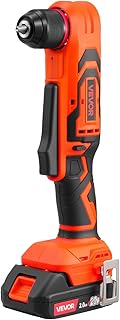
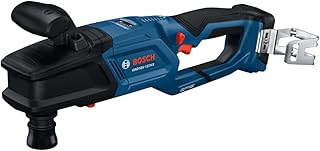


Choosing a Bosch angle drill is less about finding the drill with the highest headline specification and more about matching the tool to the space, material, fastening method and frequency of use. A compact right-angle drill can be dramatically easier to control inside cabinets, between joists, under sinks and around framing than a conventional drill, while a higher-torque model can be better suited to repeated drilling through wood and other demanding materials.
For Canadian buyers, the comparison should also account for voltage platform, battery compatibility, charger requirements, chuck or bit interface, tool dimensions, cold-weather storage and the availability of compatible accessories. Bosch offers tools across several cordless platforms and configurations, so the model name alone is not enough to determine whether a particular drill is the right choice.
An angle drill is designed around a head that places the drilling or fastening axis at approximately 90 degrees to the main body of the tool. This geometry allows the operator to work where a standard drill would be too long or awkward.
The principal advantage is access rather than raw power. A conventional drill may have adequate torque but still be unusable when there is insufficient clearance behind a stud, inside a cabinet or between structural members. An angle drill changes the relationship between the motor, handle and work surface, allowing the user to position the tool more effectively.
One of the most important buying decisions is whether you actually need a dedicated angle drill. Some compact Bosch cordless systems can be configured with specialised heads or attachments, whereas a dedicated right-angle drill is designed around the geometry from the beginning.
A dedicated angle drill is generally the more straightforward choice for professionals who regularly work in restricted spaces. A modular system can make more sense for users who want one compact power-tool platform that can perform several different jobs.
For an angle drill, physical dimensions can matter more than many headline performance numbers. A few millimetres of additional length at the head can determine whether the tool fits into a particular cavity.
When comparing Bosch models, look beyond the general description and examine the published dimensions. Consider the complete working envelope rather than only the motor housing. The chuck, bit holder, battery, handle and selected accessory can all affect clearance.
Bosch cordless tools are available across different battery systems, and battery compatibility should be treated as a major purchasing criterion. A drill that looks inexpensive can become less attractive if it requires a separate battery and charger that you do not already own.
Before choosing a cordless model, determine whether the tool is sold as a bare tool or as a kit. Then check the exact battery family, charger requirements and compatibility information for the Canadian version.
Torque is important, but maximum torque should not be considered in isolation. The practical capability of an angle drill depends on the motor, gearing, bit selection, material, drilling diameter and operator technique.
For light cabinetry and installation work, compactness and control may matter more than maximum torque. For repeated drilling in framing lumber, a more powerful model can be preferable. Always compare the manufacturer's drilling capacities for the specific material rather than assuming that a higher torque number automatically means a larger practical drilling range.
Variable-speed control helps users adapt the tool to different bits and materials. Larger bits typically require a different operating approach from small twist drills, while hole saws and specialised accessories can have their own recommended speed ranges.
A useful angle drill should provide enough control to start a hole accurately without immediately running at excessive speed. Electronic speed control can also make fastening applications easier when the tool is used with appropriate bits or accessories.
The bit interface affects both versatility and convenience. Depending on the Bosch model, you may encounter a conventional chuck, a quick-change system or another specialised configuration.
Consider the bits you already own and the jobs you perform most often. A system designed around quick bit changes can be convenient for installation work, while a conventional chuck may offer broader compatibility with standard drill bits.
Forward and reverse control is essential for a drill that will also be used for fastening or backing out screws. The control should be accessible without requiring the user to change grip substantially.
Modern cordless Bosch tools can incorporate electronic systems designed to manage motor operation, battery use and tool protection. The exact functions vary by model and battery platform, so buyers should check the specifications of the individual drill rather than assuming that every Bosch angle drill has the same electronic features.
Battery capacity can have a significant effect on the way an angle drill feels in actual use. A larger battery may provide longer operating time but can also increase the weight and size of the complete tool.
For overhead installation or work in very restricted spaces, a compact battery can be attractive. For repetitive drilling where the tool is used continuously, additional capacity may be more valuable.
Motor design is another meaningful comparison point. Brushless motors eliminate traditional motor brushes and can provide advantages in efficiency, durability and electronic control. Brushed motors remain practical for many applications and can sometimes make a tool more affordable.
For occasional household use, a brushed tool may provide sufficient capability. For contractors, tradespeople and frequent users, the broader advantages of a brushless platform can make the additional investment more compelling.
Do not select a motor type solely because it sounds more advanced. Consider the total tool package, including size, weight, battery system, controls, warranty terms, accessory compatibility and intended workload.
Electrical installation frequently involves drilling through framing members and working around existing wiring, boxes and other components. A compact right-angle configuration can make access easier when a conventional drill cannot be positioned comfortably.
Plumbing work often involves confined areas under cabinets, behind fixtures and around framing. The compact head arrangement of an angle drill can be especially useful where access is restricted.
Woodworkers and framers may use right-angle drills for drilling through studs, joists and other timber components. In these applications, torque, drilling capacity, ergonomics and battery endurance deserve particular attention.
Cabinet installation rewards compact tools because working space can become extremely limited. Weight and head dimensions may be more important than maximum power when drilling pilot holes and installing hardware.
A dedicated angle drill is not necessary for every homeowner. If confined-space drilling is only an occasional requirement, a compact Bosch drill or compatible angle accessory may be more economical. A dedicated right-angle tool becomes easier to justify when awkward-access drilling is a recurring task.
Wood is one of the most common applications for right-angle drills. The correct tool depends heavily on the diameter and type of hole being made.
Always use the manufacturer's stated capacity and recommended accessory limits as the primary reference. Do not assume that an angle drill's ability to turn a particular bit means it is suitable for every size or material.
Metal drilling requires more attention to bit type, speed, pressure and heat management than ordinary softwood drilling. A right-angle configuration can be useful for metalwork in restricted locations, but the drill must be matched to the material and hole diameter.
High-speed operation is not automatically better. Appropriate drill speed depends on the bit diameter and metal being drilled. Cutting fluid may also be appropriate for certain metalworking applications, provided it is compatible with the tool, accessory and work environment.
Wear suitable eye protection and secure the workpiece. Never hold loose metal stock in your hand while drilling it.
Renovation work often creates access problems that are difficult to predict before walls, cabinets or fixtures are opened. A right-angle drill can be particularly useful when conventional tools cannot be aligned with the drilling point.
For construction applications, compare:
Confined-space drilling often involves unusual wrist angles and extended periods of holding the tool away from the body. A technically powerful drill can therefore become tiring if the balance is poor.
When comparing Bosch angle drills, consider where the battery sits, how the handle aligns with the body, whether a secondary grip is available and how easily the trigger can be operated from different positions.
Weight should be considered as a complete working configuration. A bare-tool specification can make one drill appear substantially lighter than another, but the real comparison should include the battery and the accessories you expect to use.
A lower-voltage compact platform can be an excellent choice for installation and light-duty work where manoeuvrability is the priority. Higher-voltage platforms generally provide greater capability for demanding drilling and repeated use, although the complete tool can also become larger or heavier.
| Consideration | Compact Lower-Voltage System | Higher-Voltage System |
|---|---|---|
| Confined-space access | Often a strong advantage | Can be less compact depending on model |
| Weight | Often lower | May be higher |
| Heavy drilling | Better suited to lighter applications | Generally more appropriate for demanding work |
| Battery size | Typically compact | Can offer larger capacity options |
| Professional construction use | Excellent for many installation tasks | Often preferable for sustained heavy work |
Bosch is not the only manufacturer worth considering when shopping for a right-angle drill. The best choice depends on the battery ecosystem, ergonomics, specifications and accessory requirements that matter to you.
The objective is not to choose a brand based on reputation alone. Compare the actual model, battery platform, dimensions, drilling capacity, controls and included equipment.
An impact driver is excellent for many screw-driving applications, but it should not automatically replace a drill. Drilling requires appropriate bit control and speed, and some applications are better served by a conventional drilling mechanism.
Choose an angle drill when your primary need is controlled drilling in restricted spaces. Consider an impact driver when the majority of your work involves driving compatible fasteners and the application benefits from impact-assisted fastening.
If you normally work in open areas, a standard drill may be more versatile. It can be easier to use for general drilling, fastening and accessory changes, and there may be less reason to accept the specialised geometry of a right-angle tool.
A dedicated angle drill becomes more compelling when access is the problem you repeatedly encounter. The best purchase is therefore determined by the physical working environment rather than the novelty of the tool design.
The lowest displayed price is not necessarily the best overall deal. Canadian buyers should compare the complete package before deciding which offer provides the strongest value.
A bare tool can be the smartest purchase when you already own compatible Bosch batteries and a suitable charger. It avoids paying for duplicate charging equipment and may reduce the initial purchase cost.
A complete kit can be more convenient for a new user entering a particular battery platform. However, the kit's value depends on battery capacity, charger type and included accessories, not simply on the number of items in the box.
When comparing two deals, calculate the total equipment you actually receive rather than comparing only the advertised headline price.
More torque is not always better. If your main requirement is installing cabinet hardware or drilling small pilot holes, a lighter and more compact tool may be easier to use.
For an angle drill, clearance is central to the product's purpose. A buyer who compares only voltage and torque can overlook the specification that determines whether the tool physically fits the job.
A cordless drill is not a complete system without a suitable battery and charger. Always establish whether the deal includes them.
Bosch has multiple cordless tool families. Never assume that all Bosch batteries are interchangeable simply because they carry the Bosch name.
Holding a drill in a confined position for an extended period can make weight and balance important. Compare the operating weight with the battery installed.
Compact installation tools and heavy-duty construction tools serve different purposes. Check the manufacturer's capacity information before using a compact model for demanding drilling.
A large claimed discount does not necessarily mean a good purchase. Compare the actual current price, included equipment and specifications with competing products.
Product specifications are useful only when they are interpreted in context. A drill with a higher maximum speed may not be preferable for large-diameter drilling, while a tool with a higher torque rating may not be the easiest to manoeuvre in a tight cabinet.
Prioritise the specifications in this order:
Right-angle drills can be powerful tools, and their unusual geometry can change how reaction forces are transmitted to the user's hands. Read the manufacturer's operating instructions before use and select accessories rated for the application.
Cold temperatures can affect cordless battery performance. This matters for Canadian users who transport tools between heated workshops, vehicles and outdoor job sites during winter.
Follow Bosch's instructions for the permitted operating and charging temperatures of the specific battery. Avoid treating a cold battery as though it were at normal room temperature. Proper storage and charging practices can help reduce unnecessary stress on the battery system.
For professional users working between indoor and outdoor locations, carrying batteries appropriately and allowing them to reach suitable temperatures before charging can be an important part of tool management.
Battery care should be treated as part of the overall cost of cordless tools. Store batteries according to the manufacturer's recommendations and keep contacts clean and free from contamination.
Routine maintenance is relatively straightforward but should not be ignored. Keep ventilation openings clear, inspect the chuck or bit holder, remove accumulated dust and check the tool for physical damage.
Construction environments can expose power tools to wood dust, drywall dust and other debris. Cleaning the exterior and ventilation areas according to Bosch's instructions can help maintain proper airflow and reduce contamination.
Bits should also be maintained. A dull or damaged bit can require more pressure, generate more heat and place unnecessary load on the drill.
The drill itself is only one part of the system. The right accessory can make a larger difference to performance than a modest difference in the drill's headline specification.
Always confirm that an accessory is compatible with the specific chuck, bit holder and tool. Accessory diameter and operating speed should also remain within the manufacturer's recommendations.
Prioritise the smallest practical head and body dimensions, low operating weight and good trigger access. For cabinetry, plumbing and electrical installation, compactness can be more valuable than maximum drilling capacity.
Prioritise sustained performance, battery availability, durability, drilling capacity, ergonomics and compatibility with the rest of your cordless tools. A professional buyer should evaluate the complete system rather than the drill alone.
Look for a practical compact model or a Bosch system that provides multiple tool configurations. Avoid paying for professional-level capability that will rarely be used.
Start with compatibility. If you already have suitable batteries and a charger, a bare-tool purchase can make considerably more sense than buying another complete kit.
Prioritise the manufacturer's stated wood-drilling capacities, torque, gearing, battery capacity and thermal management. Large auger bits and hole saws can place much greater demand on the tool than ordinary pilot holes.
Customer reviews can provide useful information about ergonomics, battery behaviour, ease of bit changes and real-world suitability, but they should be interpreted carefully. A review from someone drilling small pilot holes all day is not directly comparable with feedback from a contractor using large bits in framing lumber.
Look for reviews that identify the application, material, battery configuration and duration of use. Give less weight to comments that simply state that a product is good or bad without explaining the circumstances.
Also distinguish between reviews of the exact model and reviews covering an entire product family. Specifications and included equipment can differ between model numbers and kits.
Start by defining the job before searching for a discount. Once you know the required drilling capacity, tool dimensions and battery platform, compare matching Bosch models rather than comparing every angle drill solely by price.
For current purchasing decisions, check the latest manufacturer specifications and compare reputable Canadian retailers. Confirm the exact model number, package contents, warranty information, return conditions and current price before placing an order.
Because deals, inventory and retailer pricing can change during 2026, a product that offers the best value at one point may not remain the best-value option later. Treat the deal price as one part of the decision rather than the definition of value.
The best Bosch angle drill is the one that solves the access problem you actually have without adding unnecessary weight, cost or complexity. For confined installation work, compact dimensions and ergonomics can be decisive. For demanding construction applications, drilling capacity, torque, battery endurance and durability become more important.
Canadian buyers should pay particular attention to the exact model number and battery platform. Bosch's cordless ecosystem includes different tool and battery families, so compatibility should always be confirmed rather than assumed.
Before purchasing, compare the complete package: tool dimensions, motor type, speed control, drilling capacity, battery configuration, included accessories, warranty information, retailer terms and current Canadian pricing. If two models meet your performance requirements, the smaller, lighter or more versatile option may offer better practical value even if its maximum specification is lower.
A Bosch angle drill is primarily useful for drilling and related tasks where the restricted working area makes a conventional drill difficult to position. Common applications include framing, cabinetry, plumbing, electrical work and renovation projects.
It can be worthwhile if you frequently encounter restricted drilling locations. If most of your work takes place in open areas, a conventional compact drill may provide better overall versatility.
Bosch offers cordless solutions across its power-tool ecosystem, but the exact configuration depends on the model. Always check whether a particular listing is a bare tool, battery kit or another package.
Only if the battery belongs to the compatible Bosch platform specified for that tool. Bosch battery systems should not be assumed to be universally interchangeable.
For confined-space work, size can be just as important as torque and sometimes more important. The correct balance depends on whether your work involves light installation drilling or repeated heavy drilling.
Brushless motors can offer advantages in efficiency, durability and electronic control, particularly for frequent users. However, the best choice still depends on the complete tool specification and your workload.
Some models are designed for substantial wood-drilling applications, while compact models are better suited to lighter work. Check the manufacturer's stated drilling capacity for the exact Bosch model and bit type.
Yes, where the specific model and accessory are rated for the application. Use an appropriate metal-drilling bit, suitable speed and proper workpiece security, and follow Bosch's instructions for the tool.
If you already own compatible batteries and a charger, a bare tool may be the more economical route. New users may find a complete kit more convenient, but compare battery capacity and included equipment rather than assuming every kit offers the same value.
Compare the exact model number, tool dimensions, drilling capacity, battery platform, included accessories, warranty information and current Canadian price. A cheaper bare tool is not necessarily a better deal than a slightly more expensive kit if you also need batteries and a charger.
Confirm the Canadian model configuration, voltage or battery requirements, package contents, retailer return conditions, warranty information and current price. Also check that the drill is compatible with the accessories and batteries you intend to use.
Inspect and clean the tool regularly, particularly when working in dusty construction environments. Follow Bosch's maintenance instructions for the specific model, and replace worn or damaged accessories rather than continuing to use them.
A smart Bosch angle drill purchase starts with the job, not the discount. Identify the space available around the drilling point, determine the required hole sizes and materials, choose the appropriate Bosch battery platform, then compare dimensions, weight, motor design, controls, accessories and complete package cost.
For Canadian shoppers in 2026, the strongest buying decision is not necessarily the most powerful or most heavily discounted model. It is the Bosch angle-drill configuration that provides the right combination of access, control, capability, battery compatibility and long-term usefulness for the work you actually perform.