

♥ Wishlist
Compare 49 Baby Bedding Sets for Comfortable Nursery Spaces products in Canada. Reviews, ratings, pros, cons and buying advice updated for October 2026.


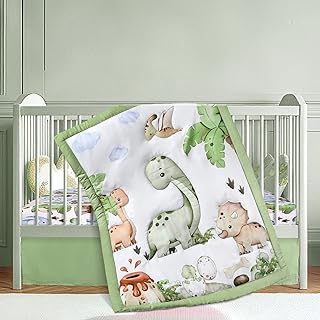


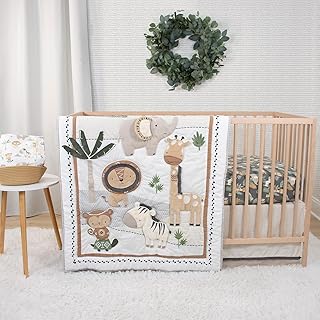

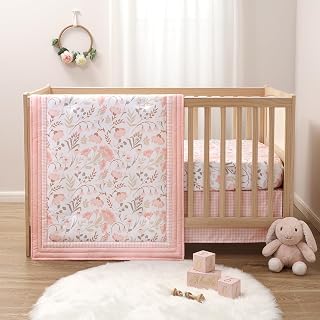
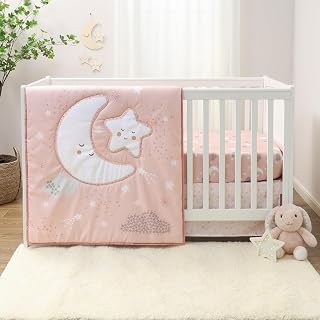


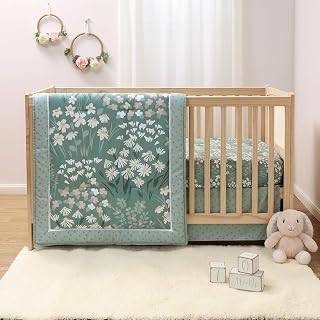


Choosing a baby bedding set involves more than comparing colours, patterns, or the number of pieces included in a package. For Canadian families, the right choice should balance fabric quality, fit, washability, seasonal comfort, durability, and safe sleep considerations. A bedding set that looks attractive in product photographs may not necessarily be the most practical option for everyday use.
This buying guide is designed to help Canadian shoppers compare baby bedding sets more carefully before purchasing. Rather than focusing only on discounts or the number of accessories included, consider which components you will actually use, whether the materials suit the intended season, how easily the set can be cleaned, and whether each item is appropriate for the baby's sleep environment.
When comparing options from brands such as Carter's, Burt's Bees Baby, aden + anais, Little Unicorn, Hudson Baby, Lambs & Ivy, and other established baby-product manufacturers, check the individual specifications instead of assuming that every set offers the same construction or materials. Product names and packaging can vary considerably between collections.
A smart purchase is not necessarily the cheapest bedding set. It is the option that provides useful components, appropriate materials, dependable construction, convenient maintenance, and a suitable fit for the intended sleep space without paying for unnecessary extras.
The phrase “baby bedding set” can describe very different packages. Some products contain only fitted sheets, while others include blankets, crib skirts, mattress pads, decorative pillows, bumper-style accessories, or nursery decorations. Comparing the piece count alone can therefore be misleading.
For many families, a well-fitting fitted sheet is the most important practical component. Check the manufacturer's stated mattress dimensions before buying because bassinets, cribs, mini cribs, playards, and other sleep products do not necessarily use interchangeable sheet sizes.
Elastic quality matters as well. A sheet that repeatedly pulls loose during use is inconvenient and may not provide the secure fit expected of properly designed bedding. Look for clear sizing information and construction intended for the specific mattress type.
Flat sheets are sometimes included in larger nursery bedding packages, but they are not automatically necessary for every infant sleep setup. Parents should distinguish between decorative or traditional bedding components and items appropriate for the baby's actual sleep surface.
Blankets can be useful outside the sleep space for supervised use, stroller outings, tummy time, or keeping a baby comfortable while being held. However, loose blankets and other soft bedding should not simply be added to an infant's sleep environment because they are included in a bedding set. Always follow current Canadian safe-sleep recommendations for the baby's age and sleeping arrangement.
A mattress protector can make cleaning easier when it is specifically designed for the mattress and compatible with its intended use. Before buying, verify its dimensions, thickness, waterproofing construction, wash instructions, and whether it changes the fit of the fitted sheet.
Crib skirts and nursery decorations can contribute to the appearance of a room but should be evaluated separately from functional bedding. Decorative pieces should never be allowed to interfere with safe use of the sleep surface.
Fabric choice affects softness, breathability, drying time, durability, and how the bedding behaves after repeated washing. There is no single material that is ideal for every Canadian household, so compare the actual fabric composition and care instructions.
Cotton remains a common choice because it is familiar, versatile, and available in many constructions and price ranges. The feel and performance can vary significantly depending on the weave, fibre quality, finishing, and manufacturing process.
When comparing cotton bedding, pay attention to whether the product is lightweight or heavier, how the fabric is constructed, whether it is designed for frequent machine washing, and whether the manufacturer provides clear care instructions.
Muslin is commonly associated with lightweight, breathable baby textiles. Its open construction can make it useful for warm conditions, although “muslin” alone does not describe every characteristic of a product. Some muslin fabrics are considerably different from others in weight, weave, softness, and durability.
Muslin products may also become softer with washing, but shoppers should still check washing and drying recommendations because aggressive laundering can affect any textile over time.
Baby bedding marketed as bamboo should be examined carefully for its actual fibre composition. Some products use regenerated cellulose fibres derived from bamboo rather than mechanically processed bamboo fibre. Read the fibre-content label and manufacturer description instead of relying solely on marketing terminology.
Polyester-based bedding can offer durability, wrinkle resistance, quick drying, and affordability. However, shoppers who specifically want natural fibres should check the material label rather than assuming a soft or premium-looking product is cotton.
If organic textile production is important to you, look for relevant certification information rather than relying on the word “organic” in a product title. A meaningful certification should be identifiable and applicable to the specific claim being made. Also remember that organic fibre status does not by itself determine whether a product is suitable for an infant sleep environment.
Canada's climate varies considerably between provinces and communities, while indoor temperatures are also affected by heating and air conditioning. A bedding set that makes sense for a warm nursery may not be the same choice for a colder room.
During Canada's colder months, parents may be tempted to choose thick quilts, heavy blankets, or multiple layers. For infant sleep, however, warmth should be managed according to safe-sleep guidance rather than by adding loose bedding to the sleep surface.
For everyday nursery use, consider layering clothing appropriately and maintaining a comfortable room environment rather than relying on bulky loose bedding. For supervised use outside the sleep space, a warmer blanket may have a practical role.
Lightweight cotton or muslin textiles may be preferable for warm conditions, particularly for supervised use. Breathability and moisture management can matter more than decorative thickness. Always check the manufacturer's specifications because fabric weight varies substantially between products carrying similar descriptions.
Safety should take priority over appearance when selecting products for an infant's sleep environment. Parents should distinguish between a nursery bedding collection and the limited bedding that is appropriate for the baby's actual sleep space.
A useful comparison starts with the specifications rather than the product photograph. Create a short checklist for every option you are considering and compare the same characteristics across products.
Do not purchase based solely on terms such as “crib size” or “baby size.” Measure the mattress where appropriate and compare those measurements with the manufacturer's stated sheet dimensions. A fitted sheet intended for a standard crib may not fit a mini crib, bassinet, portable crib, or other sleep product.
Look for the actual percentage of cotton, polyester, rayon, bamboo-derived fibre, or other materials. Fibre content gives you more useful information than a generic description such as “soft premium fabric.”
For fitted sheets, elastic is a practical detail that deserves attention. Check whether the sheet has full elastic around the edge or another design intended to keep it securely fitted. The manufacturer's sizing remains more important than elastic alone.
Baby bedding is frequently exposed to milk, food, spit-up, diaper leaks, and other messes. A beautiful fabric that requires inconvenient cleaning may be less practical than a simpler option that can be washed easily.
A larger package is not automatically better value. If a six-piece set includes several decorative accessories that you will rarely use, a two- or three-piece package containing the essentials may represent the more sensible purchase.
Ask how easy it will be to replace the most frequently used component. Sheets generally experience more washing and wear than decorative nursery pieces. A product line with separately available compatible sheets may be more convenient over the long term, provided those replacement products are actually available when needed.
Nursery photography is designed to show the overall look of a collection. It does not necessarily tell you how a fabric feels after repeated washing, whether a fitted sheet stays secure, or whether every included item is useful. Treat appearance as one factor rather than the deciding factor.
Package size can create the impression of a bargain. Compare the individual components and determine which ones are genuinely useful before judging value.
One of the easiest mistakes is selecting a product because it says “crib sheet” without checking measurements. Even products described with similar terminology can be intended for different mattress sizes.
Cold Canadian weather does not mean an infant should sleep underneath loose heavy blankets. Use appropriate infant sleep practices and clothing rather than treating a thick bedding set as a substitute for a safe sleep setup.
Parents often underestimate how frequently baby textiles need to be washed. Before buying, make sure the recommended cleaning process fits your household routine.
A higher price can reflect materials, construction, design, branding, packaging, or other factors. It is not proof that a particular bedding set is the best choice. Compare measurable specifications and practical features instead.
Customer reviews can provide useful information, but they should be read selectively. A high star rating by itself does not tell you whether the product will suit your particular mattress, climate, washing routine, or preferences.
Established brands can make it easier to find product specifications, care instructions, compatible collections, and replacement pieces, but brand recognition should not replace product-level comparison.
When comparing brands, focus on the exact product rather than assuming that all products from one manufacturer have identical materials, sizing, or construction.
Frequent laundering changes the value equation. A bedding set that looks excellent when new may become less attractive if it requires delicate handling or loses its shape quickly.
There is no universal number because household laundry routines and the frequency of accidents differ. However, relying on a single sheet can be inconvenient because a sheet may need to be removed immediately after a spill or leak.
For many families, having multiple compatible fitted sheets provides more flexibility than buying one elaborate bedding set containing decorative components. When comparing packages, consider whether purchasing additional individual fitted sheets would provide more practical value.
For a standard crib, concentrate on mattress compatibility, fitted-sheet security, fabric comfort, and ease of laundering. Avoid allowing decorative components of a nursery collection to become part of the infant's sleep surface.
Mini cribs commonly require different sheet dimensions. Verify the manufacturer's measurements rather than assuming standard crib sheets will fit.
Bassinets may use their own mattress and sheet dimensions. Check the specific bassinet model and follow its instructions when selecting replacement bedding.
Portable sleep products can have unique mattress dimensions and manufacturer requirements. Use bedding specifically designed or approved for the particular product where applicable rather than improvising with oversized sheets.
A sale price should be evaluated against the product's specifications and expected usefulness. A discounted set is not necessarily a smart buy if it contains components you do not need or if replacement pieces are difficult to source.
Online product pages can make comparison easier, but important details can be hidden below photographs or inside specification sections. Before purchasing, review the complete listing carefully.
Use the following checklist when comparing shortlisted products side by side:
Proper care can extend the useful life of baby bedding and help maintain its fit and texture. Always follow the manufacturer's specific care label because washing recommendations vary by material and construction.
Many parents prefer to wash new baby textiles before their first use. This can remove manufacturing or packaging residues and gives you an opportunity to inspect the product before putting it into regular rotation.
Do not automatically apply the hottest wash or dryer setting. Excessive heat can contribute to shrinkage, elastic deterioration, fading, or changes in fabric texture. Use the manufacturer's instructions as the primary reference.
Check elastic, seams, hems, and fabric for damage. Replace bedding that no longer fits correctly or has significant wear that could compromise its intended function.
Keep decorative nursery pieces organised separately from the essential bedding used for the baby's sleep surface. This makes it easier to maintain a simple, uncluttered sleep setup.
The most economical choice depends on total usefulness rather than purchase price alone. A moderately priced fitted sheet that survives frequent washing and remains properly fitted may provide better long-term value than a heavily discounted multi-piece set containing accessories you rarely use.
Likewise, paying more for a premium textile may be reasonable when the specific material, construction, fit, or durability addresses a genuine need. The key is to identify the feature you are paying for and determine whether it offers meaningful practical value.
The best option depends on the baby's sleep product, mattress dimensions, fabric preference, season, laundry routine, and budget. A practical choice should provide a secure fit, clearly stated materials, manageable care requirements, and useful components rather than simply having the largest number of pieces.
Cotton, muslin, bamboo-derived fibres, polyester, and blended fabrics can all have different characteristics. The best choice depends on the desired feel, breathability, durability, washing requirements, and seasonal conditions. Compare the actual fibre composition and construction rather than relying on material labels alone.
They can be worthwhile when the set contains components you genuinely need and the pieces are compatible with your baby's sleep setup. If most of the package consists of decorative accessories, buying individual essentials may provide better value.
Check the exact dimensions of the mattress and compare them with the manufacturer's stated sheet size. Do not assume that all products described as crib sheets have identical dimensions.
Muslin is commonly selected for lightweight baby textiles and can be useful in warm conditions. Its performance varies by weave and fabric weight, so check the specific product's construction and care instructions.
Organic textiles may be an appealing choice for shoppers who prioritise organic fibre production. If certification matters to you, verify the specific certification and understand what it covers. Organic status alone does not determine whether a product is suitable for an infant sleep environment.
The appropriate frequency depends on the baby's use of the bedding and whether it becomes soiled. Bedding should be cleaned promptly when contaminated, and parents should follow the product's care instructions for washing and drying.
An item being included in a commercial bedding set does not automatically make it appropriate for an infant's sleep environment. Follow current Canadian safe-sleep recommendations and use loose blankets and other accessories only in situations where they are appropriate.
Look beyond the advertised discount. Compare the actual current price, material, dimensions, included pieces, care requirements, construction, customer feedback, and suitability for your specific sleep product.
Not necessarily. Price can reflect branding, design, materials, construction, packaging, or other factors. A higher-priced product should be evaluated according to the features that matter to your household rather than assumed to be superior.
Compare equivalent products from each brand using the same criteria: dimensions, fibre content, fabric construction, elastic, washing requirements, included components, customer feedback, and current retailer terms. Brand reputation can be useful context, but product-level specifications are more important for a purchase decision.
The smartest way to shop for baby bedding in Canada in 2026 is to separate nursery aesthetics from practical sleep essentials. Start with the mattress dimensions, determine which pieces you actually need, compare fabric composition and construction, and consider how the product will perform after repeated washing.
When evaluating the top options in this category, do not choose solely on star ratings, piece count, brand recognition, or an advertised discount. Read the specifications, compare equivalent products, inspect current customer feedback, and verify retailer terms before purchasing.
Most importantly, treat infant sleep safety as a separate priority from decorative nursery styling. A coordinated bedding collection can make a nursery look complete, but the baby's actual sleep environment should remain consistent with current safe-sleep guidance.
For the best overall value, prioritise products that match the exact mattress, withstand regular laundering, provide the materials and feel you prefer, and contain useful components. Checking these details before buying can help Canadian families avoid common bedding mistakes and choose a set that is practical for everyday life.