
Best Hand Cutters Hand Tools for Cutting, Trimming and DIY Projects Products online Canada
Explore our real-time updated product directory index curated for performance, verified star metrics, and historical consumer trust rankings.
Explore Sub-Collections
3 Sections Found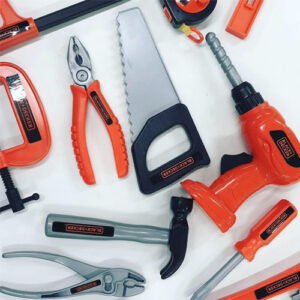
Black+Decker Hand Cutter Hand Tools
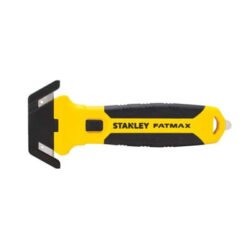
Stanley Hand Cutter Hand Tools
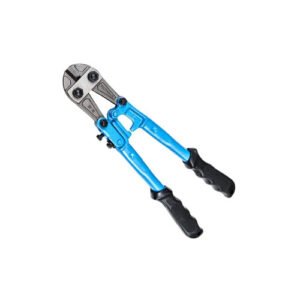
Taparia Hand Cutter Hand Tool in Canada
Verified Deal Selections
41 Items Indexed


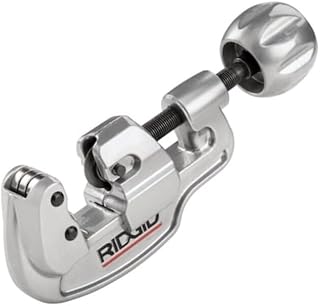


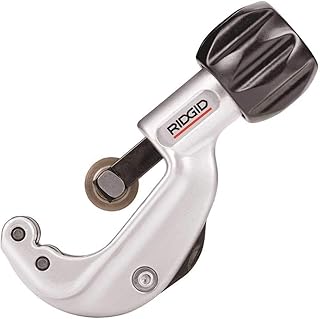


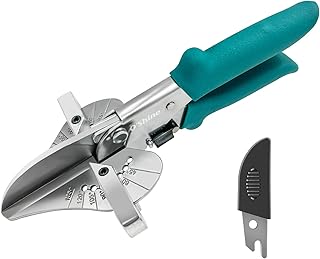


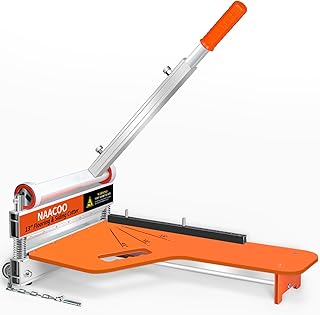

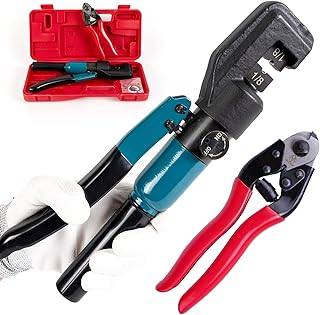


Shop Hand Cutters Hand Tools for Different Cutting Jobs
Hand cutters are manual tools designed to cut, trim, shear, score or separate a wide range of materials. Unlike powered cutting equipment, they are generally compact, portable and straightforward to use, making them useful for home maintenance, workshops, construction tasks, electrical work, plumbing, gardening, crafting and other practical applications. The right hand cutter can make a job cleaner and more controlled while reducing the effort needed to cut a particular material.
This category covers several types of manual cutting tools because different materials require different blade shapes, jaw designs and cutting mechanisms. Wire cutters, cable cutters, pipe cutters, snips, utility-style cutters, pruning shears and other specialised tools can each serve a distinct purpose. Before choosing a product, consider the material, thickness or diameter, required cut quality and how frequently the tool will be used.
Types of Hand Cutters to Consider
Wire and Cable Cutters
Wire and cable cutters are designed for cutting electrical wire, communication cable and other suitable cable materials. Their jaw design helps concentrate cutting force around the material, making them useful for electrical work, repairs, installations and workshop projects. Always check the stated cutting capacity before using a cutter on a particular wire or cable.
Pipe and Tubing Cutters
Pipe cutters and tubing cutters are made for controlled cutting of pipes and tubes. Depending on the design, they may be intended for materials such as copper, aluminium, plastic or other compatible tubing. Ratcheting and compact designs can be useful where working space is limited. Check the supported material and pipe diameter before purchase.
Snips and Shears
Snips and shears are useful when a project requires controlled cutting through sheet material, plastic, fabric or other suitable materials. Different blade configurations can be designed for straight cuts or particular cutting directions. Selecting a cutter that matches the material helps improve control and reduce unnecessary tool wear.
Heavy-Duty Cutters
Heavy-duty manual cutters are designed for demanding applications where greater leverage or cutting capacity is required. Examples can include bolt cutters, robust cable cutters and specialised metal-cutting tools. Longer handles may provide additional leverage, but the correct tool should always be selected according to the manufacturer's stated capacity rather than appearance alone.
Garden and Pruning Cutters
Pruning shears and garden cutters are designed for trimming stems, branches and other suitable plant material. Bypass and anvil styles have different cutting actions, so the appropriate design depends on the gardening task. A sharp, well-maintained blade can help produce controlled cuts while making routine garden maintenance easier.
How to Choose the Right Hand Cutter
Start with the material you need to cut. A cutter intended for electrical wire may not be suitable for thick steel, while a pipe cutter is designed around the shape and dimensions of tubing. Next, check cutting capacity, blade construction, handle design and overall tool size. For frequent use, an ergonomic grip can make the tool more comfortable to operate. For occasional household jobs, portability and easy storage may be more important.
For Canadian shoppers, product specifications may use both imperial and metric measurements, so compare dimensions carefully. A pipe cutter listed for a particular inch range, for example, should be checked against the actual outside diameter of the pipe you plan to cut. Similarly, wire and cable tools should be matched to the relevant wire size and material.
Features Worth Comparing
Useful features can include hardened or specialised cutting edges, ergonomic handles, adjustable components, locking mechanisms and ratcheting systems. A locking feature can help with storage, while a ratcheting mechanism may make repeated cuts easier on some materials. Replacement blades or compatible accessories can also matter for shoppers who expect regular use.
Hand Cutters for DIY, Home and Professional Use
Hand cutters can be useful in many settings. Homeowners may use suitable cutters for repairs, packaging, small maintenance jobs and DIY projects. Tradespeople can require more specialised options for electrical, plumbing, construction or installation work. Gardeners may prefer pruning tools, while crafters and makers may need smaller precision cutters or shears.
Because cutting tools are designed for specific applications, avoid choosing solely on price or general appearance. Review the intended use, compatible materials, maximum cutting capacity and manufacturer instructions. Using a cutter beyond its rated capacity can damage the tool and create unnecessary safety risks.
Safe Use and Maintenance
Use appropriate protective equipment for the task, particularly eye protection when cutting materials that may create fragments. Keep fingers away from cutting edges, secure the workpiece where appropriate and use the cutter only for compatible materials. Store manual cutters in a dry location and keep blades clean and protected when not in use. Inspect cutting edges, pivots, handles and locking mechanisms periodically, and replace damaged tools or components when necessary.
Whether you need a compact cutter for occasional household work or a specialised hand tool for repeated trade applications, matching the tool to the material is the key consideration. Explore the available hand cutters hand tools and compare their design, cutting capacity, dimensions and intended applications before selecting the option that fits your project.
Introduction
Find practical hand cutters hand tools for everyday repairs, DIY projects, workshop tasks and professional applications. This category brings together manual cutting tools designed for different materials and cutting requirements, from wire and cable cutters to pipe cutters, snips, pruning tools and specialised cutters. For Canadian shoppers, choosing the right cutter starts with understanding what material you need to cut, the required cutting capacity and the level of control needed for the job.
Frequently Asked Questions
What are hand cutters hand tools used for?
Hand cutters are manual cutting tools used for tasks such as cutting wire, cable, pipe, plastic, sheet materials, garden stems and other compatible materials. The correct type depends on the material and required cutting capacity.
How do I choose a hand cutter for my project?
Identify the material first, then check the cutter's stated capacity, dimensions, blade design and intended application. Choosing a tool specifically designed for the material can provide better control and help prevent tool damage.
Are hand cutters suitable for DIY projects?
Yes. Suitable hand cutters can be useful for household repairs, crafting, maintenance, packaging, gardening and other DIY tasks. Select a cutter based on the specific material and cutting requirement.
What is the difference between wire cutters and cable cutters?
Wire cutters are generally designed for cutting suitable wire sizes, while cable cutters are typically designed for larger or heavier cable constructions. Always check the manufacturer's specified cutting capacity before use.
What should I check before buying a pipe cutter?
Check the pipe material, outside diameter range, cutting mechanism and intended application. Canadian shoppers should also compare imperial and metric measurements where both are provided.
Can hand cutters be used on any material?
No. Different cutters are designed for different materials and thicknesses. Using a tool outside its recommended application can result in poor cuts, tool damage or safety hazards.
How should hand cutters be maintained?
Keep cutting edges clean, protect the tool during storage, inspect handles and pivots regularly, and follow the manufacturer's care instructions. Damaged or excessively worn cutting tools should be repaired or replaced as appropriate.
Frequently Asked Questions (FAQ)
❓ How are these Hand Cutters Hand Tools for Cutting, Trimming and DIY Projects options ranked?
Our custom data engine continuously scans product entries to verify high-performing items that carry a consistent rating above 4.2 stars, filtering out unreliable listings or items with artificial review jumps.
❓ Does clicking outbound links increase my checkout price?
Absolutely not. All generated product buttons use standard, secure commercial tracking tags. The item cost values reflect the official live marketplace catalog pricing identically.
❓ How often are the pricing deals updated on this page?
Our data tables utilize automated cache transients refreshed continuously throughout the week to fetch the freshest inventory nodes, live pricing metrics, and tracking structures.
❓ Are these products backed by standard consumer warranties?
Yes. Because our directory routes you directly to the verified official listing pages on Amazon, your purchases qualify for complete merchant protections, returns, and original brand manufacturing warranties.