

♥ Wishlist
Compare 61 Welding & Soldering Supplies in Canada products in Canada. Reviews, ratings, pros, cons and buying advice updated for October 2026.
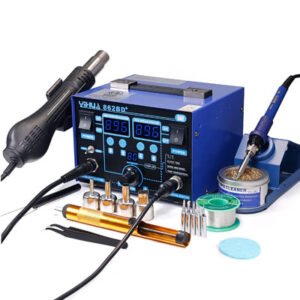
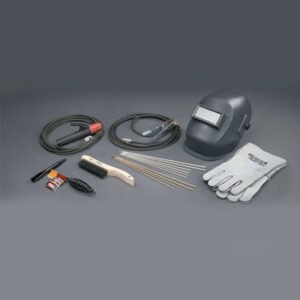


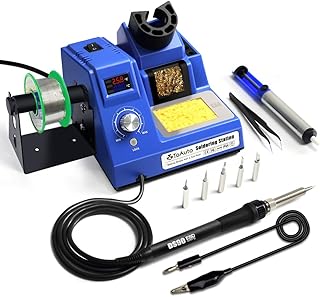


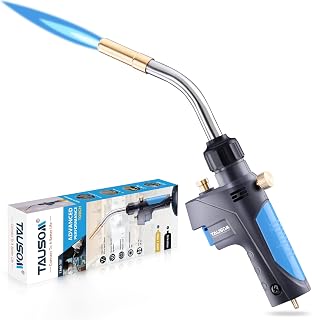
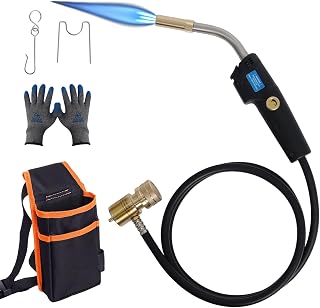


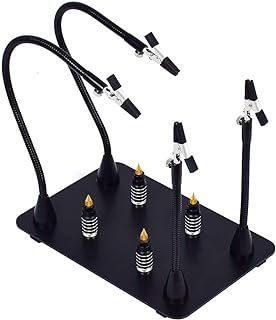


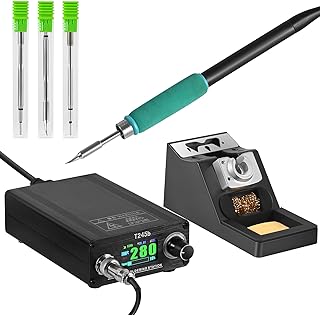


Buying welding and soldering equipment requires more than comparing headline prices. The right choice depends on the material being worked on, the thickness of the workpiece, the type of joint required, available power, working environment, duty cycle, consumable costs and the level of precision expected. A product that looks like a smart deal may not be economical if it lacks the output range, accessories or controls needed for the intended application.
For Canadian buyers, electrical compatibility is also important. Many workshop tools are designed around North American electrical standards, but buyers should still verify the voltage, plug configuration, input requirements and manufacturer specifications before ordering. Portable equipment may also need to be assessed differently from a dedicated workshop machine because generator compatibility, extension-cord requirements and transport weight can affect practical usability.
Welding and soldering are both joining processes, but they are designed for very different applications. Welding generally creates a strong joint by using substantial heat to fuse compatible materials, while soldering joins components using a lower-melting-point filler material without melting the primary workpieces in the same way.
Do not choose a machine simply because it has a higher advertised power rating. A better purchase matches the machine's process, output range and controls to the work you actually expect to perform.
The amperage range indicates the operating window of a welding machine. Lower settings can be useful for thinner materials, while higher output may be necessary for thicker metals and demanding applications. A broad range can increase versatility, but only when the machine can deliver useful performance throughout that range.
Pay attention to the minimum as well as maximum amperage. A machine with a high maximum output is not automatically a good choice for thin sheet metal if its lowest practical setting is too aggressive.
Duty cycle describes how long a welder can operate at a specified output within a defined testing period before cooling is required. It is particularly important for repeated welding sessions.
When comparing two models, check the duty-cycle rating at the same amperage rather than comparing percentages without context. A higher duty cycle can be valuable for demanding workshop work, while occasional repair users may place greater importance on portability and ease of setup.
Check whether the equipment is designed for the electrical supply available in your workspace. Canadian users should verify input voltage, amperage requirements and plug configuration against the intended outlet. Some machines can operate across different input configurations, while others are designed for a specific supply.
Also consider extension-cord requirements. Using an unsuitable or excessively long extension cord can create voltage-drop and performance concerns. Always follow the manufacturer's electrical requirements.
A compact inverter welder can be attractive for users who move equipment between a garage, workshop, jobsite or outdoor repair location. Larger machines may provide different capabilities but can be less convenient to transport.
Think about how often the machine will actually be moved. If it will remain on a dedicated workbench, portability may have limited value. If it will travel frequently, handle weight, carrying provisions and cable storage can become major purchasing factors.
Simple controls can be an advantage for beginners, while experienced users may prefer greater adjustment capability. Depending on the welding process, useful controls may include current adjustment, wire-feed speed, voltage selection, inductance, gas-related settings or process selection.
Digital displays can make settings easier to monitor, but a display alone does not determine welding quality. Prioritize the overall control system, adjustment range and clarity of the manufacturer's operating instructions.
Temperature control is one of the most important features when selecting a soldering station or iron. Different soldering jobs can require different temperatures, and excessive heat can damage sensitive components or circuit boards.
Look for equipment that allows controlled temperature adjustment rather than relying only on a fixed-temperature design when you expect to work with different components or materials.
Heat recovery refers to how effectively the tool restores its working temperature after contacting a joint. Good thermal response can make repeated soldering more consistent, especially when working with larger connections that draw heat away from the tip.
For precision electronics, a stable operating temperature and responsive heating system can be more useful than simply choosing the tool with the highest temperature rating.
Tip shape directly affects control and heat transfer. Fine conical tips can help with small connections, while chisel-style tips can provide a broader contact area for transferring heat to larger joints.
Before buying, check which replacement tips are compatible with the tool. An inexpensive station can become less attractive if replacement tips are difficult to source or unusually expensive.
MIG equipment is often considered for general metal fabrication because the continuously fed wire can make the process convenient for many applications. Depending on the machine, users may have the option of shielding gas or certain flux-cored wire configurations.
When comparing MIG welders, examine wire-size compatibility, spool capacity, feed adjustment, output range and the included torch or gun configuration. Also check whether the machine supports the wire types and material thicknesses you intend to use.
TIG is generally chosen when greater control and clean, precise welds are important. TIG systems can require more skill and setup than simpler welding processes, particularly when working with thin materials or demanding joints.
For TIG buyers, investigate whether the machine supports the required current type, torch configuration, foot-pedal or remote-control options and other process adjustments relevant to the intended work.
Stick welders can be appealing because the equipment can be comparatively straightforward and suitable for many repair and fabrication situations. They are also commonly considered for work where shielding gas is inconvenient.
Buyers should compare compatible electrode sizes, output range, duty cycle, portability and ease of starting and maintaining the arc. The correct electrode must also be selected for the material and application.
Different metals behave differently during welding. Carbon steel, stainless steel and aluminium can require different processes, settings, consumables and levels of operator control.
Always confirm material compatibility in the manufacturer's specifications rather than assuming that a multi-process machine can perform every job equally well.
Brand reputation can be a useful starting point, but it should not replace specification-based comparison. Established names such as Lincoln Electric, Miller and ESAB offer welding equipment across different categories and applications. For soldering, brands such as Weller and Hakko are commonly associated with soldering equipment and accessories. DEWALT and Bosch also offer tools and workshop equipment across broader categories.
The best option among these or other brands depends on the particular model. Compare the exact specifications, included accessories, compatible consumables, replacement-part availability, warranty terms and current retailer conditions rather than choosing solely from the logo on the product.
A multi-process welder can combine several welding processes in one unit. This can make sense for users who genuinely expect to perform different types of work. However, multi-process functionality can also increase complexity and cost.
If you primarily perform one type of welding, a dedicated machine may provide a more focused solution. If your work changes regularly, multi-process capability can reduce the need for multiple machines.
For MIG and related wire-feed processes, consistent wire delivery is essential. Compare the adjustment range, feed mechanism and supported wire diameters. A poorly matched wire-feed system can make setup and welding more difficult.
Many welding machines incorporate protection systems designed to help prevent damage when operating temperatures become excessive. Buyers should review the manufacturer's documentation to understand how thermal protection works and what operating conditions apply.
Digital controls can make settings easier to read and repeat. They are particularly useful when users frequently change parameters. However, display quality should be considered alongside actual adjustment capability and machine performance.
A soldering station should be assessed as a system rather than simply as a heated handle. Consider the station, iron, tips, holder, temperature controls and any included accessories.
For electronics work, also consider the physical size of the handpiece and cable flexibility. A technically capable tool can still be inconvenient if the handle is uncomfortable during detailed work.
More output is not automatically better. A high-output welder may be unnecessary for light fabrication and can add weight, cost and electrical requirements. Select an output range that matches your materials and expected workload.
The initial equipment price is only part of the ownership equation. Welding wire, electrodes, shielding gas, contact tips, nozzles, grinding accessories and replacement parts can affect long-term costs. Soldering users should consider solder, flux, tips and cleaning materials.
Before choosing a less familiar model, investigate whether replacement tips, torches, cables, holders and other wear items are readily available. A low initial price becomes less attractive if essential parts are difficult to obtain.
Product images can show accessories that are not necessarily included with every package. Read the exact package contents and compare different configurations carefully.
Welding equipment requires appropriate workspace planning, ventilation, electrical capacity and fire-safety precautions. Soldering also requires suitable ventilation and a stable, heat-resistant work area.
Ratings can provide useful consumer feedback, but they should be interpreted alongside specifications. A product may receive positive feedback because it works well for light hobby projects while being unsuitable for a buyer planning heavier fabrication.
When evaluating a deal, calculate value from the complete package rather than the advertised discount alone. Compare the exact model number, output range, included accessories, consumable compatibility, electrical requirements and current retailer price.
Beginners should generally prioritize predictable controls, understandable documentation and a suitable operating range instead of selecting the most powerful machine available. A machine that is easy to configure can shorten the learning curve and reduce unnecessary setup frustration.
Consider what you expect to weld most often. A hobbyist repairing brackets or working on small fabrication projects may have different requirements from someone building heavier steel structures. If you are uncertain, a multi-process model can offer flexibility, but only if the additional processes are genuinely useful.
Safety equipment is equally important. Welding generates intense light, heat, sparks and potentially hazardous fumes. Appropriate eye and face protection, protective clothing, gloves, ventilation and safe workspace practices should be treated as essential parts of the purchase rather than optional accessories.
For basic electronics work, an adjustable soldering station can be more versatile than a simple fixed-temperature iron. Beginners should focus on temperature control, manageable tip sizes, comfortable handling and easy access to replacement tips.
It is also useful to keep the work area organized. A stable stand, tip-cleaning method, suitable lighting and appropriate ventilation can make precision work more controlled. When working with circuit boards, avoid excessive heat exposure and follow the component and solder manufacturer's guidance.
Welding should be performed only with appropriate training, protective equipment and a suitable workspace. The process can generate ultraviolet and infrared radiation, sparks, hot metal, fumes and fire hazards.
For electrical or structural applications where failure could cause serious injury or property damage, professional expertise and applicable Canadian requirements should be considered before beginning work.
Soldering involves heated surfaces, molten solder and potentially irritating fumes. Keep the iron in a secure stand when it is not being used and maintain a clear work area.
Good ventilation is important, particularly during extended work. Avoid touching the tip, molten solder or recently heated components. Wash hands after handling solder and follow the manufacturer's safety information for the solder, flux and cleaning products being used.
A smart purchase should account for operating costs. A welding machine may require wire, electrodes, shielding gas, contact tips, nozzles and other consumables. Some applications may also require grinders, clamps and preparation tools.
For soldering, the recurring costs can include solder, flux, tips and cleaning materials. If a station uses proprietary accessories, verify their ongoing availability before buying.
Compare the complete cost of ownership across competing models. A slightly more expensive machine may provide better value if it supports the consumables and accessories you already use, while a cheaper machine may be less economical if additional equipment is immediately required.
Higher-priced equipment can make sense when you need greater adjustability, frequent operation, improved ergonomics, broader process support or a more robust design. However, premium pricing should be justified by features that directly improve your intended work.
For occasional household repairs, paying substantially more for professional-level capabilities may provide little practical benefit. For frequent workshop use, the calculation can be different because downtime, consumable compatibility and operator convenience can have greater importance.
Budget equipment can be appropriate for occasional hobby projects when the buyer understands its limitations. The important question is not whether the product is inexpensive, but whether its specifications match the intended workload.
Before choosing a low-cost model, check the manufacturer's stated operating range, included equipment, compatible accessories, electrical requirements and safety information. Avoid making a purchase solely because a product has a large discount percentage.
Customer reviews can be useful when they contain specific information about setup, usability, durability and compatibility. Give greater weight to detailed reviews that explain the application and operating conditions.
Look for recurring themes rather than isolated complaints. For example, repeated comments about difficult controls, unavailable replacement parts or insufficient output may deserve closer attention. At the same time, remember that customer experience can vary depending on materials, technique, accessories and workload.
Before selecting an item from a 2026 buying guide, use this checklist to narrow down the choices:
There is no single best welder for every Canadian buyer. The right option depends on the welding process, material, thickness, available electrical supply, expected workload, portability requirements and budget. Compare models based on these factors rather than choosing solely by price or brand.
A multi-process welder can be worthwhile if you expect to use MIG, TIG and stick processes. It may be unnecessary if you consistently perform only one type of welding. Compare the machine's capabilities for each process rather than assuming every multi-process function offers the same level of performance.
Check temperature control, heating response, compatible tip sizes, replacement-tip availability, handpiece ergonomics, power requirements and included accessories. For electronics work, precise temperature management is often more important than simply choosing the highest temperature rating.
Not necessarily. Established brands can offer broad product ranges and replacement support, but individual models should still be compared by specifications and intended use. A less expensive machine may be the better choice when its capabilities match your requirements.
Ease of use depends on the material, application and equipment. MIG welding is often considered approachable for many general fabrication tasks because wire feeding is continuous, but beginners still need proper instruction, setup knowledge and safety practices.
No. Maximum amperage is only one specification. Minimum output, duty cycle, process compatibility, electrical requirements and material thickness can be equally important. Choose a machine based on the complete operating range you actually need.
No. The correct temperature depends on the soldering application, component requirements and materials involved. Excessive heat can damage sensitive components or workpieces. A controlled and stable temperature is generally more useful than simply selecting the highest available setting.
Check input voltage, plug configuration, output range, duty cycle, process compatibility, consumable support and manufacturer documentation. Also consider the requirements of the workspace and any applicable safety or electrical requirements.
Maintenance depends on the machine and frequency of use. Follow the manufacturer's maintenance schedule and inspect cables, connections, torches, holders, cooling systems and consumable components as applicable. Regular inspection can help identify wear before it affects operation.
Compare the exact model, current price, package contents and equivalent competing products at the same time. Deal pricing can change, so the percentage discount should not be treated as the main measure of value.
The strongest welding and soldering purchase is the one that fits the job rather than the one with the most impressive specification sheet. Start with the material and process, determine the required output or temperature range, verify electrical compatibility, examine consumable requirements and then compare brands and models.
For welding, pay particular attention to amperage range, duty cycle, process support, material compatibility, input power and portability. For soldering, focus on temperature stability, heat recovery, tip compatibility, ergonomics and replacement accessories. In both categories, examine the complete package and long-term operating requirements.
Whether comparing equipment from Lincoln Electric, Miller, ESAB, Weller, Hakko, DEWALT, Bosch or another manufacturer, evaluate the specific model rather than relying only on brand recognition. Read verified customer feedback, compare specifications across competing products and check current Canadian retailer pricing before making a final decision.
The goal of a smart 2026 buying decision is simple: choose equipment that provides the capabilities you actually need, fits your workspace and electrical setup, supports readily available consumables and remains practical for the projects you expect to perform.