

♥ Wishlist
Compare 39 Wearable Technology for Everyday Life in Canada products in Canada. Reviews, ratings, pros, cons and buying advice updated for October 2026.






Finding a good wearable technology deal is not simply about choosing the lowest advertised price. A smartwatch, fitness tracker, smart ring or health-focused wearable can differ substantially in sensors, software support, battery life, compatibility, subscription requirements and long-term usability. The best value comes from matching the device to the way you actually plan to use it.
Canadian shoppers should also consider factors that may receive less attention in general buying guides. Smartphone compatibility, cellular support, winter temperatures, charging requirements, warranty terms, Canadian retailer policies and availability of replacement accessories can all influence the total value of a wearable.
Before choosing a deal, compare the complete specification rather than focusing on a single feature. A device with a larger display may not be the best choice for someone who prioritizes battery life. Similarly, advanced health sensors may provide little additional value if the main requirement is step counting, notifications and basic activity tracking.
A worthwhile deal should provide an appropriate balance between purchase cost, functionality, reliability and long-term ownership. A discount is less attractive when the product has limited compatibility, requires an expensive recurring subscription for important features or uses accessories that are difficult to replace.
When comparing wearable technology deals in Canada, evaluate these areas together:
Wearable technology is no longer limited to traditional smartwatches. Different categories are designed around different priorities, so identifying the right type of device can narrow the buying decision considerably.
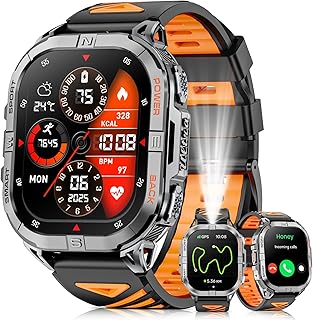
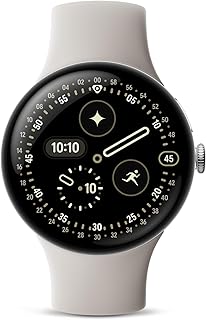
Smartwatches are generally the most versatile wearable devices. Depending on the model, they can combine notifications, calls, messaging, fitness tracking, GPS, music controls, payments, health measurements and apps in one product.
Apple Watch models are particularly relevant for people already using an iPhone, while Samsung Galaxy Watch devices are designed primarily around the Android ecosystem. Garmin smartwatches are often worth comparing when fitness, outdoor activities and battery endurance are more important than having the largest collection of smartwatch applications.
When comparing smartwatches, pay close attention to smartphone compatibility. A feature-rich watch may still be a poor purchase if its important functions do not work with your phone.
Fitness trackers typically focus on activity monitoring, steps, workouts, heart-rate information, sleep tracking and everyday wellness measurements. Their simpler designs can make them attractive to shoppers who do not need extensive smartwatch functionality.
Fitbit remains a recognizable name in this category, while Garmin and other established manufacturers also offer activity-focused devices. Compare sensor capabilities, battery life, app functionality and whether advanced features depend on a paid service.
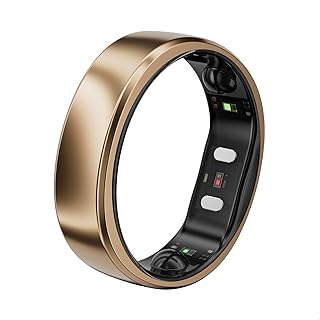
Smart rings take a different approach by placing sensors inside a compact wearable designed for continuous use. They can be particularly appealing to shoppers who find watches uncomfortable during sleep or who prefer a less noticeable device.
Oura is one of the best-known names in smart rings, while other manufacturers have expanded the category. Size availability is especially important because ring fit cannot be adjusted in the same way as a watch strap.
Outdoor-oriented wearables are designed for activities such as running, cycling, hiking, skiing and other demanding exercise. Garmin and Polar are among the brands commonly considered by users who place greater emphasis on training data and outdoor functionality.
Look beyond the number of supported activities. GPS accuracy, navigation tools, battery endurance, physical buttons, durability and compatibility with external sensors can matter more than a long feature list.
Battery life has a direct effect on everyday convenience. A smartwatch that needs frequent charging may become frustrating for users who want continuous sleep or activity tracking.
Manufacturers usually provide battery estimates under specific conditions. Actual endurance can change considerably depending on screen brightness, GPS use, cellular connectivity, notifications, workout tracking and display settings.
If you want a wearable for multi-day travel, camping or outdoor activities, compare the manufacturer's stated endurance and understand which features reduce battery life most significantly.
Built-in GPS can be useful for runners, cyclists, hikers and anyone who wants route information without carrying a smartphone during exercise. Some devices rely heavily on a connected phone for location services, while others include their own positioning hardware.
For outdoor use, compare supported satellite systems, route tracking, navigation functions and battery consumption during GPS recording. A device with advanced navigation capabilities may be more useful for hiking than a general-purpose smartwatch focused mainly on notifications.
Wearables can contain sensors designed to measure or estimate different health and fitness metrics. Depending on the device, these may include heart rate, blood oxygen measurements, skin temperature, electrical heart signals, movement and other indicators.
Sensor availability does not automatically mean that every measurement is equally useful for every person. Check exactly what the manufacturer says the sensor is designed to measure and whether a feature is intended for general wellness, fitness purposes or another specific use.
Wearable measurements should not automatically be treated as a substitute for professional medical assessment. Anyone concerned about a health result should discuss appropriate interpretation with a qualified healthcare professional.
Screen type affects readability, battery consumption and the overall appearance of a smartwatch. AMOLED and similar display technologies can provide strong contrast and vibrant graphics, while other display approaches may prioritize outdoor readability or power efficiency.
Consider screen size as well as resolution. A larger screen can make notifications and workout information easier to read, but it can also increase the physical size of the watch.
Water resistance should be evaluated according to the activities you expect to perform. Splash resistance, shower suitability and swimming capability are not necessarily equivalent.
Check the manufacturer's specific water-resistance rating and usage limitations before buying. Water resistance can also change over time as seals and components age or become damaged.
There is no universal winner among major smartwatch brands. The best choice depends heavily on your smartphone and priorities.
Apple Watch is a logical category to investigate for iPhone users who want close integration between their phone and wearable. Apple places considerable emphasis on notifications, communication, health-related functions, apps and integration with its broader ecosystem.
When comparing Apple Watch options, examine compatibility, generation, case size, battery expectations, connectivity configuration and which functions require an iPhone.
Samsung Galaxy Watch devices are strong candidates for Android users who want a modern smartwatch with health, fitness, communication and app functionality. Integration can be particularly relevant for people already using Samsung smartphones.
Compare the exact model rather than assuming every Galaxy Watch provides identical capabilities. Sensor availability, connectivity, battery performance and supported features can differ between generations and configurations.
Garmin offers a broad range of watches aimed at fitness, running, cycling, outdoor activities and general smartwatch use. Many shoppers consider Garmin when training features and battery endurance are more important than having a phone-like smartwatch experience.
Different Garmin families are designed for different users, so compare activity profiles, mapping features, training functions, GPS capabilities and physical design before choosing a model.
Smart rings deserve separate consideration because the buying process differs from purchasing a watch.
Canada's climate makes environmental considerations especially important. Cold temperatures can affect battery performance, while snow, rain, sweat and changing temperatures can place additional demands on a wearable.
If you plan to wear a smartwatch while skiing, snowshoeing, running outdoors or participating in winter activities, consider operating-temperature information provided by the manufacturer. Touchscreens can also be less convenient when wearing gloves, making physical buttons valuable for some outdoor users.
For summer activities, examine water resistance and the manufacturer's guidance regarding sweat, swimming and prolonged exposure to moisture. Do not assume that a waterproof label means a device is suitable for every water-based activity.
Cellular connectivity can allow certain smartwatches to perform selected communication functions without maintaining a Bluetooth connection to a nearby smartphone. This can be useful for running, commuting or exercising without carrying a phone.
However, cellular capability can involve additional requirements. Before choosing an LTE model, check Canadian carrier compatibility, supported cellular technology, plan requirements and whether the watch can share a number with your smartphone.
Do not pay extra for cellular hardware if you expect to keep your phone with you and have no practical need for independent connectivity.
The initial purchase price is only one part of the ownership cost for some wearable devices. Certain brands may place advanced insights, coaching, historical analysis or additional services behind a subscription.
Compare what is included with the hardware and what requires recurring payment. A device with a lower purchase price can become less attractive if important features require a long-term subscription.
When reviewing a deal, calculate the total expected cost over the period you intend to keep the device. This provides a more meaningful comparison than comparing the advertised hardware price alone.
Wearables are different from many electronics because they remain in contact with your body for extended periods. Comfort can therefore be more important than specifications that look impressive on a product page.
Consider case dimensions, weight, strap material, clasp design and overall profile. If you intend to sleep with the device, pay particular attention to thickness and how securely it stays in place.
For smart rings, correct sizing is even more important. A ring that is too tight can become uncomfortable, while one that is too loose may move excessively and interfere with consistent sensor contact.
Battery specifications should always be read in context. Manufacturer estimates can be based on particular usage patterns that do not reflect your routine.
If battery life is a priority, compare realistic usage scenarios instead of relying exclusively on the largest number shown in a product specification.
Wearable devices can collect highly personal information, including activity records, sleep information, location data and other health-related measurements. Privacy should therefore be part of the purchasing decision.
Before buying, review the manufacturer's privacy documentation and understand how information is stored, synchronized and shared. Check account requirements, cloud storage practices and available privacy controls.
Consider whether the device allows you to control which information is collected and which connected applications can access your data.
The lowest price is not necessarily the best value. A cheaper wearable may lack important sensors, software support, accessories or compatibility with your smartphone.
Always check compatibility before purchasing. Some watches work best within a particular smartphone ecosystem, while certain features may be unavailable when paired with another platform.
Advanced maps, cellular connectivity, specialist training tools and additional sensors can increase the cost. Choose them because they solve a real requirement rather than because they appear impressive in a specification list.
Replacing a damaged or uncomfortable strap is part of long-term ownership. Check which replacement bands and charging accessories are compatible with the model.
Health-oriented sensors can be useful for wellness and fitness tracking, but consumer wearables should not automatically be treated as diagnostic medical equipment. Understand the intended purpose of each measurement.
A wearable is strongly dependent on its companion software. Check the manufacturer's approach to software updates, app compatibility and ecosystem support before making a long-term purchase.
A structured comparison makes it easier to identify genuine value. Instead of focusing on one specification, score each candidate against the features that matter most to you.
A premium smartwatch or sports wearable can make sense when you regularly use advanced capabilities. Frequent runners, cyclists, outdoor enthusiasts and users who depend on navigation or detailed training information may benefit more from premium hardware than casual users.
Premium devices can also be appropriate for people who want stronger materials, more advanced displays, larger storage, cellular connectivity or a broader collection of smart features.
However, premium pricing does not automatically mean better value. If your main requirements are step counting, basic workouts and notifications, a less expensive model may provide everything you need.
Budget-friendly wearables can be a practical choice for shoppers who want straightforward activity tracking without paying for advanced smartwatch features.
They can suit users who primarily want step tracking, basic exercise records, sleep monitoring, notifications and long battery life. Compare the core functions carefully because entry-level products can differ significantly in software quality, sensor capabilities and compatibility.
Brand reputation can help narrow a large market, but it should not replace model-level comparison. Established names worth researching include Apple, Samsung, Garmin, Fitbit, Amazfit, Polar, Oura, Withings and Xiaomi.
Each manufacturer takes a different approach to hardware, software, health tracking, sports features and pricing. Research the specific model generation rather than assuming every product from the same brand offers the same experience.
Customer reviews can reveal practical issues that may not be obvious from technical specifications. However, individual experiences vary, so look for recurring patterns rather than relying on one extremely positive or negative review.
Deal hunting should begin with identifying the right product rather than searching for the largest discount. Once you know the features you require, compare specifications and total ownership costs across reputable Canadian retailers.
Check the exact model number because similar product names can represent different generations or configurations. Also confirm whether a deal concerns the watch itself, a particular band configuration or a bundle containing additional accessories.
When comparing offers, consider the final price, applicable taxes, shipping conditions, retailer return policy and warranty arrangements. Promotional pricing can change, so verify the current terms before purchasing.
Wearables can be useful gifts, but compatibility and sizing make them more personal than many other electronics.
For a smartwatch, determine which smartphone the recipient uses before selecting a model. For a smart ring, sizing becomes particularly important. For a fitness-focused watch, consider the recipient's preferred activities rather than choosing based only on appearance.
If you are uncertain about the exact model, a flexible option with broad functionality may be safer than a specialist product designed for a narrow activity.
Proper care can help keep a wearable comfortable and functional throughout its useful life.
Choose a smartwatch if you want the broadest combination of notifications, apps, communication and fitness features. Choose a fitness tracker if activity monitoring and battery endurance are more important than advanced smartwatch functions. Choose a smart ring if discreet design and continuous wear are higher priorities.
There is no single category that is best for everyone. The right choice depends on how frequently you exercise, whether you want phone-independent features, how often you want to charge the device and how comfortable you are wearing technology throughout the day and night.
The strongest wearable technology deal is the product that delivers the features you will use consistently at a reasonable total ownership cost. Start with compatibility and intended use, then compare battery life, sensors, comfort, durability, software, accessories and ongoing costs.
For Canadian shoppers, also consider winter conditions, cellular compatibility, retailer policies and the availability of replacement accessories. A carefully matched mid-range wearable can offer better value than a premium device filled with features you never use.
Before completing a purchase, verify the exact model, specifications, current price, seller terms, return conditions and applicable warranty information. Prices and promotions can change, so treat any deal as time-sensitive and confirm the latest details with the retailer.
There is no single best wearable for everyone. A smartwatch is generally the most versatile option, while a fitness tracker may be better for straightforward activity monitoring and a smart ring may appeal to people who prioritize discreet, continuous wear.
It can be worthwhile when you need advanced fitness, navigation, health, communication or connectivity features. If you mainly want basic activity tracking and notifications, a less expensive model may provide better value.
Your smartphone should be the first consideration. Apple Watch is primarily designed around the Apple ecosystem, while Samsung Galaxy Watch models are primarily associated with Android devices. Check exact compatibility before buying.
Garmin offers many watches designed around fitness and outdoor activities. Compare the specific product family and model because capabilities vary considerably between devices.
Many are designed for outdoor use within specified temperature ranges, but cold conditions can affect battery performance and touchscreen usability. Check the manufacturer's operating-temperature guidance before relying on a wearable during winter activities.
LTE is useful if you want certain communication and connectivity functions without carrying your smartphone. If your phone is normally nearby, Bluetooth and Wi-Fi connectivity may be sufficient.
Neither category is universally better. Smart rings offer a discreet form factor and can be appealing for sleep tracking, while smartwatches generally provide larger displays, more interactive features and broader communication capabilities.
Only if the additional features provide enough value for your usage. Check which functions are included with the hardware and calculate the recurring cost before choosing a subscription-based product.
Replacement timing depends on battery condition, software support, physical wear and whether newer features provide meaningful value. There is no universal replacement schedule.
Identify your essential features first, compare equivalent models, check total ownership costs and verify the latest retailer terms. A smaller discount on a product that meets your requirements can be a better purchase than a larger discount on a device that does not.