

♥ Wishlist
Compare 44 Hedge Trimmers and Hedge Cutters products in Canada. Reviews, ratings, pros, cons and buying advice updated for October 2026.
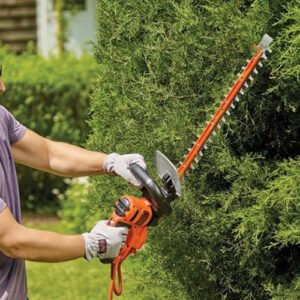
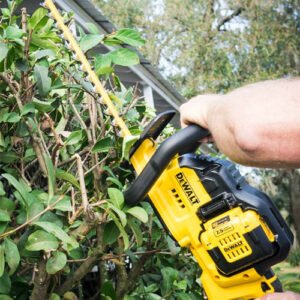
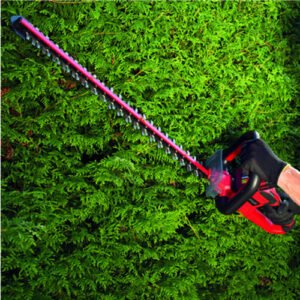
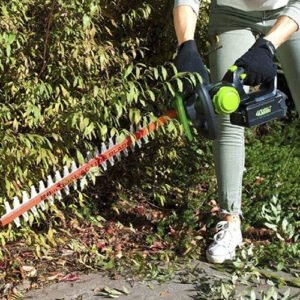
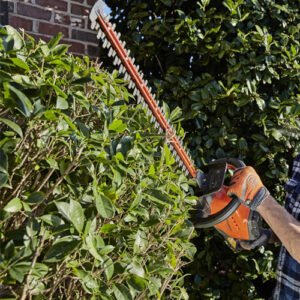
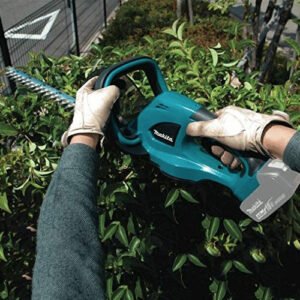
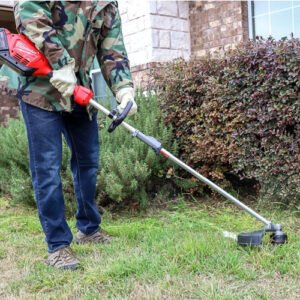
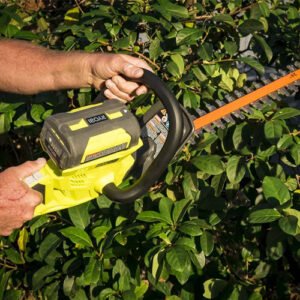
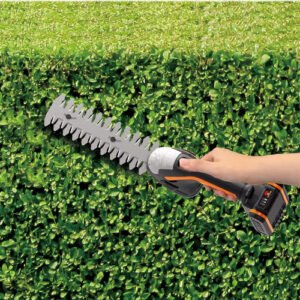


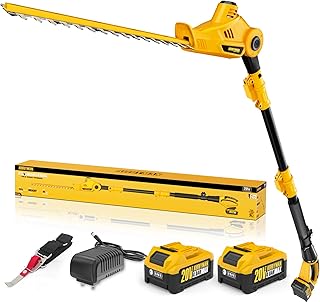


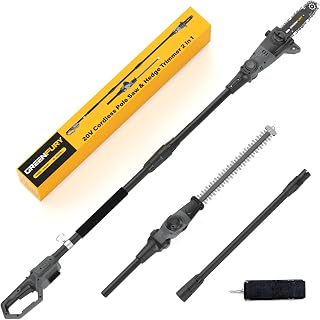


Choosing a hedge trimmer for Canadian gardens involves more than comparing blade length and advertised power. The right tool depends on hedge size, branch thickness, cutting frequency, available power, storage conditions and how much physical effort you want to use. A compact cordless trimmer can be ideal for routine residential shaping, while a longer or more powerful model may make more sense for mature hedges and thicker growth.
For shoppers comparing the best smart buy trimmers and hedge cutters in 2026, the most useful approach is to evaluate the complete specification rather than focusing on a single headline feature. Battery voltage, blade design, tooth spacing, cutting capacity, weight, balance, runtime and charging requirements all affect real-world usability.
A smart buy is not necessarily the cheapest hedge trimmer. It is a model whose capabilities match the work you actually need to complete. Paying more for features that you rarely use can be poor value, while choosing an underpowered tool can lead to slower work and greater frustration.
Cordless hedge trimmers are a popular choice for residential users because they avoid extension cords and fuel mixing. Modern battery platforms also make it possible to use one battery family across multiple garden tools. This can be particularly useful if you already own compatible equipment from brands such as Ryobi, EGO, Greenworks, DEWALT, Makita or BLACK+DECKER.
Before choosing a cordless model, check whether the advertised price includes the battery and charger. Tool-only versions can appear less expensive but may require additional purchases if you do not already have a compatible battery.
Corded models can be practical for smaller gardens located close to a suitable outdoor electrical outlet. They provide continuous operation without waiting for a battery to recharge. However, the cable becomes part of the working environment and needs careful management around shrubs, pathways and other garden equipment.
For a compact property where trimming sessions are short, a corded hedge trimmer can still offer excellent practical value. For larger gardens, the limitations of cable management may outweigh the benefit of continuous power.
Gas-powered hedge trimmers can appeal to users who regularly maintain extensive hedges or prefer not to depend on battery charging. They generally require more routine maintenance and involve fuel, exhaust and engine noise. For occasional residential trimming, those additional requirements may make a battery-powered alternative more convenient.
Blade length affects both productivity and control. A longer blade can cover a larger section of hedge during each pass, which may be useful when working across long, straight surfaces. However, additional blade length can also make a tool feel less agile, particularly when trimming around corners or shaping smaller shrubs.
Shorter blades are often easier to manoeuvre and can provide greater control for detailed shaping. They may be particularly suitable for smaller ornamental hedges where precision is more important than covering maximum surface area quickly.
Instead of automatically choosing the longest blade available, consider the dimensions and shape of your hedge. The best specification is the one that gives you sufficient reach without making the tool unnecessarily difficult to control.
Tooth spacing is an important specification when comparing hedge cutters. Narrower spacing is generally suited to lighter, finer growth, while wider spacing can provide more room for thicker branches within the stated cutting capacity.
Always distinguish between tooth spacing and maximum cutting diameter. They are related but are not interchangeable specifications. A manufacturer may state a maximum branch diameter, but actual cutting performance can depend on plant species, branch condition, tool condition and the way the trimmer is used.
Battery voltage is one of the most visible specifications on cordless hedge trimmers, but higher voltage alone does not determine which tool is best. Battery capacity, motor design, blade system, hedge density and cutting technique all influence runtime.
Battery capacity is commonly expressed in amp-hours, or Ah. A larger capacity battery can potentially provide longer operating time, although it can also add weight. This creates an important trade-off for hedge trimming because the tool is often held away from the body for extended periods.
If you already use a compatible battery ecosystem, buying a tool-only hedge trimmer may make more sense than purchasing another charger and battery. If you are starting from scratch, calculate the cost of the complete system rather than comparing tool prices alone.
Battery compatibility deserves special attention because a hedge trimmer may be only one part of a broader garden-tool collection. A shared platform can allow one battery family to support equipment such as lawn mowers, string trimmers, blowers, chainsaws and other outdoor power tools.
Brands with established cordless outdoor-tool ecosystems include EGO, Greenworks, Ryobi, DEWALT, Makita and BLACK+DECKER. However, battery systems are not automatically interchangeable between brands or even between every product range within a brand. Always verify compatibility with the exact model and battery series before purchasing.
A hedge trimmer can appear manageable when viewed on a product page but feel substantially different when held at shoulder height. Weight, handle position and balance influence fatigue, especially when trimming tall or wide hedges.
Look beyond the listed tool weight and check whether the specification includes the battery. A cordless tool can become considerably heavier once a large-capacity battery is installed.
Rotating rear handles can be useful for changing cutting positions, while well-positioned front handles can make horizontal and vertical trimming more comfortable. These features should be considered practical ergonomic improvements rather than automatic reasons to pay more.
For tall hedges, an extended-reach or pole hedge trimmer can reduce the need to work from an awkward position. Adjustable shafts and articulating cutting heads can help reach higher sections from ground level.
However, extra reach usually changes the balance of the tool. The farther the cutting head is from your body, the greater the leverage and physical effort can become. A pole model should therefore be selected according to the height and depth of the hedge rather than simply choosing the maximum available reach.
For very tall hedges or work that requires ladders, professional equipment or specialist assistance may be more appropriate than trying to extend the operating range of a handheld tool.
Brushless motors are common in higher-end cordless outdoor power equipment. They eliminate traditional motor brushes and can provide an efficient motor design with electronic control.
A brushless motor can be an attractive feature for users who trim frequently or want to build a larger cordless-tool collection. Nevertheless, motor type should be considered alongside the entire specification. A brushless motor does not automatically make one hedge trimmer the best choice for every garden.
Double-sided blade configurations are commonly designed to support movement in both directions during trimming. They can be convenient when shaping hedges from different angles.
Single-sided designs may be preferred for certain professional or specialised applications. When comparing products, pay attention to blade construction, cutting direction, tooth arrangement and the manufacturer's stated application rather than assuming one configuration is universally superior.
A rotating rear handle can help position the tool more comfortably for vertical and horizontal cuts. It can be especially useful when maintaining long hedges that require frequent changes in cutting direction.
A hand guard helps separate the user's front hand from the cutting area. It is a basic but important component of hedge-trimmer design.
Many hedge trimmers use controls that require deliberate engagement with both hands. This helps reduce the likelihood of unintended operation. Always follow the operating instructions supplied with the specific model.
Some models include systems intended to stop blade movement quickly after controls are released. When comparing products, check the manufacturer's documentation for the exact operation and stated stopping characteristics rather than assuming every model uses the same mechanism.
A battery-level indicator can make cordless trimming more predictable by showing remaining charge. This is particularly useful when maintaining larger hedges where an unexpected shutdown can interrupt the job.
Cutting capacity is one of the most important specifications for commercial-intent shoppers. If your hedge contains mature woody stems, a model designed primarily for thin seasonal growth may not be appropriate.
Compare the manufacturer's stated maximum cutting diameter with the actual condition of your hedge. Do not select a model solely because its specification claims the largest cutting capacity. A tool that is unnecessarily powerful or heavy can be less comfortable for routine maintenance.
If branches have grown beyond the hedge trimmer's intended capacity, a suitable pruning tool may be required before returning to the hedge trimmer for shaping and maintenance.
Canada's wide range of climates makes storage an important consideration. Outdoor power equipment should generally be kept clean and stored according to the manufacturer's instructions, especially during periods when it will not be used regularly.
Battery-powered equipment deserves particular attention during cold weather. Follow the battery manufacturer's storage, charging and temperature guidance rather than assuming that every lithium-ion battery should be treated identically. Charging conditions can affect battery safety and performance.
Before spring trimming begins, inspect the blade, housing, guards, controls, battery connections and power system. Remove accumulated plant debris and check for damage before operating the tool.
When evaluating a shortlist, create a simple comparison based on the factors that actually affect your work. Start with power source and cutting capacity, then consider blade length, weight, battery compatibility and ergonomic features.
Several established outdoor-power-equipment brands offer hedge trimmers across different performance levels. The right brand is less important than matching the exact model to your requirements, but brand ecosystems can matter when buying multiple cordless tools.
Brand reputation should not replace model-level research. Check the exact specifications, included equipment, battery platform, user feedback and current retailer information before making a purchasing decision.
A lower listed price is not always the best deal. When comparing Canadian offers, calculate the complete purchase requirement. For cordless equipment, determine whether the package includes the battery and charger. Then compare the cost of compatible replacement or additional batteries if longer sessions are expected.
Also check whether different versions of the same tool exist. A package containing a larger battery can cost more initially but may offer better practical value for a user who needs longer operating sessions.
Prices, promotions, stock status and retailer offers can change throughout 2026. Before purchasing, verify the current product page, package contents, shipping conditions, seller information and return terms with the retailer.
Customer reviews can provide useful information, but they should be interpreted carefully. Look for recurring comments about weight, battery life, cutting performance, ergonomics, noise, durability and ease of use rather than relying on a single rating.
Recent reviews can be particularly useful when product versions or packaging have changed. Also distinguish reviews discussing the exact model from reviews covering a similar-looking product in the same brand family.
For a more reliable buying decision, compare customer feedback with the manufacturer's specifications and independent product information. Reviews are most useful when they add practical context to specifications rather than replacing them.
Proper maintenance can help keep a hedge trimmer operating effectively. Always disconnect the power source according to the manufacturer's instructions before cleaning, inspecting or servicing the cutting system.
Hedge trimmers contain rapidly moving cutting blades and should be treated as serious garden machinery. Read the complete operating manual before use and wear protective equipment appropriate to the work environment.
Keep both hands in their intended positions and maintain stable footing. Inspect the hedge for hidden objects before cutting. Be especially cautious around fences, wire, stones, irrigation equipment and other materials that can damage blades or become hazards.
Do not attempt to reach beyond a comfortable working position. If a hedge is too high or inaccessible for safe ground-level trimming, consider equipment specifically designed for that application or seek qualified assistance.
Online shopping makes it easy to compare dozens of hedge trimmers, but product titles can sometimes make different configurations appear nearly identical. Before placing an order, verify the exact model number and read the complete specification.
Choose a lightweight electric or cordless model with enough capacity for routine hedge maintenance. A compact blade can provide good control without adding unnecessary weight.
Prioritise battery runtime, cutting efficiency and ergonomics. Having a second compatible battery can also be more practical than stopping work to recharge a single battery.
Look at pole or extended-reach options. Evaluate reach and balance together, because maximum reach can increase the physical effort required to control the cutting head.
Focus on cutting capacity and tooth spacing. If substantial branches regularly exceed the hedge trimmer's stated capacity, consider using an appropriate pruning tool for those sections instead.
More features do not necessarily mean better value. Adjustable handles, brushless motors, larger batteries, extended shafts and advanced controls can all be useful, but only when they solve a real problem.
For a homeowner who trims a short hedge twice a year, an expensive professional-oriented model may provide capabilities that are rarely used. Conversely, someone maintaining several hundred metres of dense hedge may find a basic compact model frustrating.
The smartest purchase is therefore based on workload rather than specifications alone. Identify the actual hedge size, branch thickness, trimming frequency and preferred power source before comparing prices.
There is no single best hedge trimmer for every Canadian homeowner. The appropriate choice depends on hedge size, branch thickness, trimming frequency, power availability, preferred runtime and budget. A lightweight cordless model can suit many residential applications, while larger hedges may require greater cutting capacity or extended reach.
For many residential users, cordless hedge trimmers offer a useful combination of mobility and convenience. They eliminate the need to manage an extension cord and can share batteries with other compatible garden tools. The main considerations are battery cost, runtime, charging time and operating weight.
Choose a blade length based on the size and shape of your hedge. Longer blades can cover more area, while shorter blades can be easier to control. There is no universally correct blade length.
A brushless motor can offer advantages in modern cordless equipment, but motor type should not be the only purchasing criterion. Compare cutting capacity, battery system, weight, blade length, ergonomics and overall package value as well.
They can handle branches within their manufacturer-rated cutting capacity. Thick or mature branches beyond that specification may require an appropriate pruning tool. Never force a hedge trimmer beyond its intended cutting range.
A larger battery can be useful when longer runtime is important, but it usually adds weight and may increase cost. Choose capacity according to the size of your trimming jobs and whether you already have compatible batteries.
Not automatically. Long blades can improve coverage on large, straight hedge surfaces, while shorter blades can provide better control for detailed shaping and smaller shrubs.
Inspect the tool after use and follow the maintenance schedule supplied by the manufacturer. Cleaning and blade care should be performed as recommended, with additional inspection whenever the tool has encountered unusual resistance or an object.
Verify the exact model number, cutting capacity, blade length, power source, operating weight, battery inclusion, charger inclusion, package contents and current retailer terms. Comparing these details prevents many common online purchasing mistakes.
Before choosing one of the best smart buy trimmers and hedge cutters for your Canadian garden, use this checklist:
The best hedge trimmer deal in Canada is the one that provides the right combination of cutting ability, comfort, runtime and long-term practicality for your garden. A lightweight cordless model may be the smartest option for routine residential shaping, while users with extensive or mature hedges may benefit from greater cutting capacity, longer runtime or an extended-reach design.
When comparing the top options in 2026, avoid judging products by price, voltage or star ratings alone. Look at the complete specification, package contents, battery ecosystem, ergonomics and intended application. Then compare current retailer information and verified customer feedback before making the final purchase decision.