

♥ Wishlist
Compare 33 Milwaukee Cordless Multi Tools products in Canada. Reviews, ratings, pros, cons and buying advice updated for October 2026.


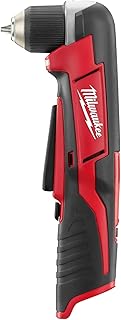


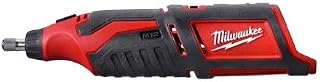


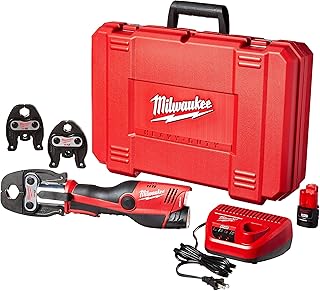
Choosing a Milwaukee cordless multi-tool is not simply a matter of finding the lowest advertised price. The better approach is to match the tool platform, motor technology, battery system, accessory compatibility, ergonomics and intended workload to the jobs you actually perform. A multi-tool can handle many awkward tasks, but different models can be better suited to renovation work, electrical installations, flooring, carpentry, maintenance, plumbing and general DIY projects.
For Canadian buyers, the purchase decision should also include battery availability, charger requirements, replacement accessories, warranty considerations, retailer reputation and the total cost of ownership. A seemingly inexpensive bare tool may become more expensive if you also need batteries, a charger and several specialized blades.
Milwaukee is one of the most established names in professional cordless tools, and its M12 and M18 ecosystems give shoppers different ways to build a compatible collection. The right choice depends less on the brand name alone and more on how the tool fits into your existing equipment.
The first major decision is the battery platform. Milwaukee's M12 and M18 systems serve different priorities, so comparing voltage alone does not tell the complete story.
An M12 cordless multi-tool can be attractive when portability, compact dimensions and access to confined areas matter. The smaller platform can make sense for electricians, installers, maintenance workers and DIY users who frequently work in tight spaces.
Consider an M12 model when your typical applications include:
The compact format can also reduce the amount of equipment you need to carry from one location to another. If you already own several M12 batteries, selecting an M12 multi-tool can be particularly convenient because the battery ecosystem may already be part of your toolkit.
An M18 cordless multi-tool is generally the more logical direction for users who regularly perform heavier cutting, remodeling or professional maintenance work. The larger battery platform is designed around a broad professional tool ecosystem and can be particularly useful when the multi-tool is expected to perform frequent or demanding work.
An M18 model may make more sense for:
However, bigger does not automatically mean better. If most of your projects involve precision cuts in confined locations, the additional size of an M18 tool may not provide enough practical benefit to justify choosing it over a compact alternative.
Milwaukee's FUEL designation is another important consideration when comparing models. FUEL tools combine brushless motor technology with electronic systems and battery technology intended for demanding cordless applications.
A FUEL multi-tool can be particularly appealing to professionals who use the tool frequently and place greater importance on cutting performance, sustained operation, vibration control and overall productivity.
A standard Milwaukee cordless multi-tool can still be a sensible purchase when the tool will be used occasionally. For homeowners and infrequent DIY users, paying more for premium technology may not always deliver proportional value.
Before choosing a FUEL model, ask how often you will use the tool. A professional who uses a multi-tool every week has different priorities from a homeowner who needs one for a single renovation project.
A brushless motor is an important feature for buyers who expect frequent use. Brushless designs eliminate traditional motor brushes and can provide advantages in efficiency, durability and electronic control.
For occasional household work, a brushed or non-premium model can still be sufficient. For professional workloads, however, brushless technology becomes more compelling because the tool may operate for longer periods and face more demanding materials.
Variable speed control is one of the most useful features on an oscillating multi-tool. Different materials and accessories perform better at different speeds.
Higher speeds can be useful for rapid cutting, while lower settings can provide greater control for delicate materials, finishing work or situations where excessive heat and aggressive movement are undesirable.
A good multi-tool should therefore offer enough speed adjustment to let you adapt the tool to the accessory and application rather than forcing every job to be performed at the same setting.
Oscillation angle affects how aggressively the blade or accessory moves. A larger angle can contribute to faster material removal, while a more controlled movement can be useful for precision-oriented applications.
Do not judge the tool solely by its maximum oscillation angle. Cutting performance also depends on motor output, electronic control, blade quality, material, user technique and battery condition.
Accessory changes can become a major part of the working process when a multi-tool is used for several different operations. A tool-free blade-change mechanism can save time and eliminate the need to repeatedly search for a wrench or other accessory-changing tool.
For professionals switching between cutting, scraping and sanding tasks, this feature can be more valuable than a small difference in advertised power.
An integrated LED light can improve visibility when working beneath cabinets, inside wall openings, around plumbing fixtures or in other poorly illuminated areas.
Although an LED is not a reason by itself to buy a particular model, it is a useful supporting feature when combined with good ergonomics and a compact tool body.
Vibration deserves more attention than it often receives in product comparisons. Oscillating tools naturally generate rapid movement, and prolonged use can become uncomfortable if the tool transfers excessive vibration into the user's hands.
Look for models designed with vibration-reduction features if you expect extended work sessions. Also consider grip design, body shape, trigger placement and overall balance. A technically powerful tool can still be uncomfortable if it does not fit the way you work.
One of the biggest mistakes when comparing cordless tools is looking only at the price of the tool body. Milwaukee multi-tools may be offered as bare tools or as kits, and the difference can significantly affect the actual purchase cost.
A bare-tool package can be the better value if you already own compatible Milwaukee batteries and a charger. You avoid paying for equipment that you already have.
A kit can make more sense for a first-time buyer entering the platform. A kit may include the tool, one or more batteries, a charger, accessories and a storage or carrying solution.
Before selecting either format, calculate the complete setup cost:
This simple calculation can reveal that the lowest-priced tool is not necessarily the lowest-cost solution.
Battery capacity influences how long a cordless tool can operate before recharging. Higher-capacity batteries can be useful for extended jobs, but they can also add weight.
For overhead work or precision applications, a lighter battery can improve handling. For repeated cutting on a jobsite, a higher-capacity battery may be more convenient because fewer battery changes may be required.
Think about runtime and ergonomics together instead of treating maximum battery capacity as automatically preferable.
A cordless multi-tool is only as useful as the accessories available for the jobs you need to perform. Buyers should therefore compare accessory ecosystems rather than focusing exclusively on the power tool.
Wood blades are useful for plunge cuts, trimming, openings, repairs and cutting wooden components in locations where a conventional saw cannot easily reach.
Blade tooth configuration matters. A blade designed for clean finish work is not necessarily the best choice for rapid demolition.
Bi-metal blades can be useful when cutting through materials that would quickly damage a basic wood blade. They are commonly considered for repair and renovation tasks involving metal components or mixed materials.
Always select an accessory specifically intended for the material being cut and follow its operating instructions.
Scrapers can transform a multi-tool from a cutting device into a useful surface-preparation tool. They can assist with removing adhesives, caulk, flooring residue and other materials where a powered scraper can save manual effort.
A sanding attachment allows the multi-tool to reach corners and narrow spaces that are difficult to access with a conventional random-orbit sander.
It should not necessarily replace a dedicated sander for large surfaces. Instead, its greatest value is often precision sanding in locations where conventional sanding equipment is awkward.
Grout-removal accessories can be valuable during bathroom and kitchen renovation projects. They allow the multi-tool to work in confined spaces and around individual tiles where larger equipment would be difficult to control.
Multi-tools are particularly useful during renovation because older buildings frequently present awkward cutting and removal tasks. A cordless oscillating tool can help with trim, openings, flooring, grout, adhesive and other localized work.
Electricians can use oscillating tools for controlled cutting around boxes, panels, trim and other installation areas. Compact dimensions can be especially useful when access is restricted.
Maintenance professionals often encounter situations where a standard saw cannot be positioned correctly. A multi-tool can provide a practical solution for localized cutting, scraping and material removal.
Flooring work is another strong use case. The tool can assist with undercutting, trimming and accessing difficult areas around door frames and other obstacles.
Carpenters can use an oscillating multi-tool for flush cuts, detail work, trimming and modifications that require more control than a larger saw provides.
Homeowners may find a multi-tool useful because one compact tool can perform several tasks. Instead of buying separate equipment for every small repair, the same platform can support cutting, sanding and scraping accessories.
When comparing the products in a 2026 buying guide, avoid creating a ranking based only on one specification. A more useful comparison considers the complete ownership experience.
A low purchase price can be misleading when the tool does not meet the user's workload. A cheaper model may require more frequent accessory changes, offer fewer premium features or become less convenient during long jobs.
On the other hand, buying the most advanced model simply because it has the highest specification can also be poor value. If the tool is used a few times each year, premium professional features may remain largely unused.
The smartest purchase is the model that provides the right level of performance without paying for capabilities you are unlikely to use.
Choosing M18 when you already have a substantial M12 collection can increase the cost of ownership because you may need a new battery and charger ecosystem. The opposite can also happen when a compact platform is selected for heavy professional work.
Two apparently similar listings can differ considerably in what comes inside the package. Always verify whether the listing includes batteries, charger, blades, sanding accessories and storage.
Maximum oscillations per minute are only one part of the performance equation. Motor design, electronic control, oscillation angle, blade quality and material all influence practical results.
Customer reviews can reveal useful information about usability and ownership, but individual experiences vary. Read verified customer feedback for recurring patterns rather than relying on one extremely positive or negative review.
A multi-tool can become expensive to operate if you regularly need specialized blades and sanding consumables. Include recurring accessory costs in your buying decision.
A powerful tool that cannot comfortably fit into the workspace is not an efficient tool. For cabinet work, electrical installations and other confined applications, compact ergonomics can be more important than maximum output.
DIY buyers should begin with the type of projects they expect to complete rather than starting with the most expensive model.
If you occasionally repair trim, remove grout, sand corners or make small cuts, a compact model can provide excellent versatility. If you are renovating an entire property, completing frequent flooring work or performing repeated demolition tasks, investing in a more capable platform may be justified.
For homeowners who already own Milwaukee tools, battery compatibility can be one of the strongest reasons to stay within the same platform. For new users, compare the long-term value of entering M12 or M18 rather than evaluating the multi-tool in isolation.
Professional users should prioritize productivity, durability, ergonomics and compatibility with the rest of their equipment.
A tool used daily needs to be comfortable enough for repeated operation. Quick accessory changes can save meaningful time over a large number of jobs. Battery compatibility can simplify charging and inventory management across the jobsite.
Professionals should also consider whether the tool is being purchased as a primary workhorse or as a specialist tool for difficult access. The answer can influence whether an M12, M18, standard or FUEL configuration is the most appropriate choice.
Deal hunting should focus on value rather than headline discounts. A lower price is useful only when the product, configuration and included equipment match your requirements.
When checking a Canadian offer, compare:
Do not assume that a percentage-off label represents the best available value. Compare the final configuration with similar listings and verify what is actually included before making a purchase.
When shopping through Amazon Canada or another major retailer, pay close attention to the exact product identifier. Milwaukee tools can be offered in different configurations that look nearly identical in product photography.
Check whether the listing is for a tool-only product, a complete kit or a bundle. Verify battery quantities, charger compatibility, included accessories and seller information.
Customer reviews are most useful when you examine recent verified feedback and look for repeated comments about battery life, handling, accessory compatibility, durability and actual application performance.
Remove dust, wood particles and other debris after use. Accumulated material can interfere with moving components and ventilation areas.
Damaged, excessively worn or inappropriate blades can reduce cutting performance and increase the risk of poor results. Replace accessories when they no longer perform correctly.
Do not force a blade to perform a task it was not designed for. Matching the accessory to the material improves efficiency and can help prevent unnecessary wear.
Store and charge batteries according to the manufacturer's instructions. Avoid treating batteries as disposable components of the tool because their condition affects overall cordless performance.
Let the accessory do the work. Excessive pressure can slow the cutting process, increase heat and place unnecessary stress on the tool and accessory.
A multi-tool can cut, scrape and sand a wide variety of materials, so appropriate personal protective equipment and safe operating practices are important.
For buyers who need one compact tool for multiple cutting, scraping and sanding applications, a Milwaukee cordless multi-tool can be a practical addition to a workshop or professional toolkit.
The strongest case for buying one is versatility. Instead of carrying several specialized tools for small or awkward jobs, an oscillating multi-tool can address a wide range of localized tasks.
The value becomes even more compelling when the buyer already owns compatible Milwaukee batteries. In that situation, the purchase can be focused primarily on the tool itself and the accessories required for the intended work.
However, a multi-tool is not a replacement for every saw or sander. Large cutting jobs, extensive surface sanding and highly specialized applications can still be better handled by dedicated equipment. The multi-tool's strength is accessibility and versatility.
Before buying any model from a 2026 shortlist, use this checklist to narrow down the options:
There is no single model that is best for every buyer. The appropriate choice depends on battery platform, workload, required accessories, ergonomics and budget. M12 can be attractive for compact work, while M18 can be better suited to more demanding applications.
M12 can be a strong option for compact renovation, maintenance, installation and detail-oriented work. The best choice depends on the materials you cut, how frequently you use the tool and whether portability is more important than maximum capability.
Not necessarily. M18 and M12 are designed around different priorities. M18 can make more sense for demanding workloads, while M12 can be preferable when a compact tool is easier to handle and transport.
A bare tool is often worth considering if you already own compatible batteries and a charger. If you do not own either, compare the total cost of purchasing them separately with the price of a complete kit.
They can be worthwhile for frequent users who benefit from premium motor technology, electronic control, performance and ergonomics. Occasional users may find that a less expensive model provides sufficient capability.
A multi-tool can perform certain cutting tasks that overlap with a jigsaw, especially plunge and flush cuts in awkward locations. It is not a universal replacement for a jigsaw, particularly when efficient long or curved cuts are required.
It can handle localized sanding and difficult-to-reach areas, but a dedicated sander is generally more appropriate for large surfaces and extended sanding operations.
Start with accessories that match your most common applications. A wood-cutting blade, suitable general-purpose blade, sanding pad and scraper can provide broad functionality, but the ideal starting set depends on whether you primarily perform carpentry, renovation, electrical, plumbing or maintenance work.
Battery compatibility can be one of the most important purchasing factors. Staying within an existing Milwaukee battery platform can reduce the need to purchase additional batteries and chargers and can make equipment management simpler.
Check the exact model number, battery platform, package contents, battery capacity, included accessories, seller details, current customer feedback, warranty information, return terms and total delivered cost. A deal is only valuable when the configuration matches your needs.
The smartest way to choose among Milwaukee cordless multi-tools in 2026 is to start with your actual workload rather than the promotional price or the longest feature list. Identify the materials you work with, the frequency of use, the spaces where the tool will operate and the accessories you expect to use most often.
Then compare M12 and M18, standard and FUEL configurations, bare tools and kits, and the complete cost of ownership. If you already own Milwaukee equipment, battery compatibility should be near the top of your checklist.
Finally, verify the exact model and package contents before purchasing. Product configurations can differ even when listings look similar. Compare current specifications, read verified customer reviews, check retailer and seller information, and consider the total cost of batteries and accessories.
A good Milwaukee cordless multi-tool should not simply offer impressive specifications. It should fit your hands, your battery platform, your applications, your accessories and your working habits. That application-focused approach is the most reliable way to turn a 2026 deal into a genuinely smart purchase.