

♥ Wishlist
Compare 55 Makeup Remover for Easy, Effective Makeup Removal products in Canada. Reviews, ratings, pros, cons and buying advice updated for October 2026.


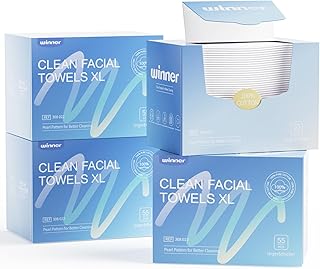


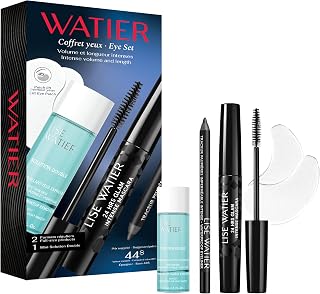


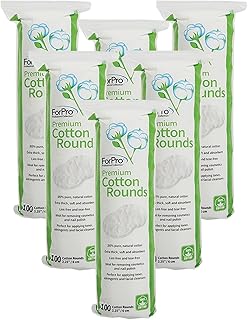


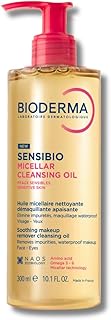


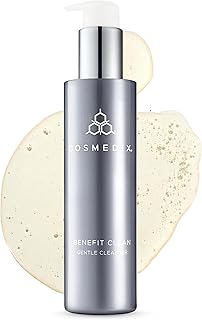


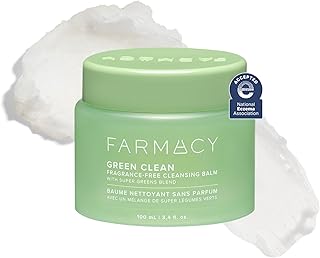


Finding a smart buy makeup remover is not simply about choosing the lowest-priced bottle, wipe, balm, or cleansing product. The right option depends on the type of makeup you wear, your skin's needs, how much product you normally use, and whether you want a dedicated makeup remover or a product that also cleanses the skin. Canadian shoppers should also consider package size, ingredient preferences, seasonal skin changes, and the practical cost per use before deciding which deal represents the best overall value.
A good makeup remover should make it easier to dissolve foundation, concealer, blush, lipstick, sunscreen and eye makeup without requiring excessive rubbing. However, different formulas work in different ways. Micellar water can be convenient for light-to-moderate makeup, cleansing oils and balms are often considered when removing heavier or long-wear products, while remover wipes prioritise convenience. Eye makeup may require a dedicated formula designed for delicate areas.
For a 2026 buying decision, compare the product's intended use, formula, size, application method and suitability for your routine rather than relying on a discount percentage alone. A larger package is not necessarily better value if the formula is poorly suited to your skin or requires significantly more product per application.
A smart buy balances performance, convenience, formulation and overall value. A product can be inexpensive but still be a poor choice if it leaves substantial makeup behind, requires repeated applications, or does not fit your skin type. Likewise, a premium formula may make sense for someone who wears waterproof eye makeup every day but offer little additional benefit to someone who normally wears only lightweight makeup.
When comparing makeup remover deals in Canada, consider these factors together:
Micellar water is a popular choice for shoppers who want a lightweight liquid makeup remover. It is typically applied to a cotton pad or reusable cleansing pad and then used over the skin. Depending on the formulation, micellar water may be suitable for everyday makeup removal and can be particularly convenient when you prefer a quick, low-mess routine.
When comparing micellar water deals, look beyond the bottle price. Check the volume, intended skin type, eye-area suitability and whether the product is designed to be rinsed or left according to its directions. A larger bottle may provide better value for frequent users, while a smaller bottle can be more practical for travel.
Cleansing oils are designed around an oil-based cleansing approach and can be useful for dissolving makeup and other oil-soluble products. They may appeal to people who regularly use foundation, complexion products, sunscreen or long-wearing cosmetics.
The most important comparison points include texture, dispensing system, skin compatibility and the manufacturer's directions. If you prefer a cleansing routine that includes water emulsification and rinsing, look for a product specifically formulated for that method rather than assuming every facial oil works in the same way.
Cleansing balms provide a solid or semi-solid alternative to liquid removers. They are commonly massaged onto dry skin before being emulsified or removed according to the product instructions. Their thicker texture can be attractive to shoppers who prefer a richer cleansing experience.
For a smart purchase, compare the net quantity with the amount normally required per use. Also consider the container design. A jar may be convenient for home use but may require more care when travelling, while a tube can offer a different dispensing experience.
Makeup remover wipes are primarily valued for convenience. They can be useful for travel, quick makeup removal, or situations where a full cleansing routine is not immediately practical. However, shoppers should distinguish convenience from a complete skincare routine.
Compare the number of wipes in each package, the recommended usage, material, packaging and intended skin area. If you wear heavy or waterproof makeup, determine whether the particular wipe is designed for that level of makeup removal instead of assuming all wipes perform similarly.
Eye makeup can require different considerations from complexion makeup. Mascara, eyeliner and long-wear eye products may be more difficult to remove than lightweight foundation, and the eye area is particularly sensitive to rubbing.
When selecting an eye makeup remover, check that the product is specifically intended for the eye area and follow its usage instructions. People who regularly wear waterproof mascara or long-wearing eyeliner may want to compare products specifically designed for those cosmetic types.
Some cleansers are marketed as products that can remove makeup while cleansing the skin. These can be attractive to shoppers who want to simplify their routine. However, product claims and intended usage vary, so compare the instructions carefully.
If you wear multiple layers of long-wearing makeup, a single cleansing product may not provide the same experience as a dedicated makeup remover followed by cleansing. Your normal makeup routine should therefore influence which type represents the best smart buy.
Ingredient lists can help shoppers understand how a makeup remover is formulated, but an ingredient name alone does not determine whether a product will work well for a particular person. Formula concentration, the complete ingredient combination and individual skin tolerance all matter.
Oil-based formulas are commonly considered when the goal is to dissolve makeup with an oil-compatible cleansing approach. They can be particularly relevant for people who use long-wearing complexion products or water-resistant cosmetics.
Surfactants are cleansing ingredients used in many cosmetic and personal-care formulations. Different surfactants have different characteristics, so shoppers should evaluate the complete formula rather than treating the presence of a surfactant as automatically positive or negative.
Some formulas include humectant ingredients that help attract and retain water. These ingredients may be relevant to shoppers who prefer a less drying-feeling cleansing routine.
Fragrance is an important personal preference when comparing makeup removers. Some shoppers actively prefer fragranced cosmetics, while others choose fragrance-free products. If fragrance is a concern for you, inspect the current ingredient list rather than relying only on the front label.
Ingredient preferences are highly individual. Instead of automatically rejecting a product because it contains a particular ingredient, consider the product's intended use, the full formulation and your own previous experience with similar products. If you have known sensitivities, review the current ingredient information carefully before buying.
People with dry-feeling skin may prefer formulas that do not leave the skin feeling excessively stripped after use. Cleansing oils, balms and appropriately formulated removers can be worth comparing, particularly if you prefer a richer texture.
Do not choose solely on the words "for dry skin." Compare the complete formula, directions and user feedback, and consider whether you need a dedicated makeup remover or a broader cleansing product.
For oily-feeling skin, shoppers often prefer lightweight textures and cleansing products that do not leave an unwanted heavy residue. Micellar water and lightweight cleansing formulas can be options to compare.
However, oily skin does not automatically mean that every oil-based makeup remover is unsuitable. The complete formulation and how the product is removed matter more than categorising the product by one ingredient.
Combination skin can make product selection more complicated because different areas of the face may behave differently. A versatile remover that works effectively without leaving the skin feeling uncomfortable can be more practical than choosing a product based solely on one skin characteristic.
For sensitive-feeling skin, ingredient preferences and individual tolerance deserve particular attention. Compare fragrance information, the intended application area and the manufacturer's usage directions. Avoid excessive rubbing, especially around the eyes.
If you have a diagnosed skin condition, persistent irritation, or known cosmetic allergies, professional medical advice may be more appropriate than relying on a general buying guide.
If your routine normally consists of light foundation, concealer, blush and non-waterproof products, you may not need the richest remover available. A convenient micellar water or lightweight cleansing product may provide the functionality you are looking for.
Full-coverage complexion products can require more thorough removal. Compare products that are intended to dissolve heavier makeup and consider whether a two-step routine makes more sense for your needs.
Waterproof mascara can be particularly resistant to ordinary cleansing. If this is part of your regular routine, compare eye makeup removers specifically intended for waterproof cosmetics. Avoid aggressive rubbing because the skin around the eyes is delicate.
Long-wearing lip products can remain on the lips after ordinary cleansing. A remover intended for cosmetic products may be more practical than repeatedly rubbing the area with a dry tissue or cloth.
For special-event makeup, theatrical-inspired looks, or multiple layers of cosmetics, consider a remover designed for thorough makeup dissolution. You may also prefer a cleansing balm or oil followed by a suitable facial cleanser.
Although the terms are sometimes used interchangeably in everyday shopping, makeup removal and facial cleansing are not always the same task. A makeup remover is primarily selected to help take cosmetics off the skin, while a facial cleanser is generally used as part of the broader cleansing process.
For people who wear substantial makeup, a two-stage routine can be practical: first loosen and remove makeup, then cleanse the skin according to the cleanser's instructions. For very light makeup, a suitable cleansing product may be sufficient depending on its formulation and directions.
The best approach depends on your products, skin preferences and routine. Do not assume that a product described as a cleanser will automatically remove every type of waterproof or long-wearing makeup.
A sale price can make a product look attractive, but smart comparison requires more than looking at the headline discount. Start by comparing the amount of product included, then consider how frequently you expect to use it.
Price per bottle does not always tell you which makeup remover is the better deal. A product that costs less but requires significantly more product per application may not deliver the lowest practical cost over time.
For example, shoppers can compare the approximate number of applications obtained from a package with its purchase price. For wipes, the calculation can be based on the number of wipes per package. For liquid products, package volume and normal usage provide a more useful comparison.
This approach is particularly helpful when comparing premium products with budget alternatives. The objective is not necessarily to select the cheapest formula, but to identify the product that provides the right balance between performance, convenience and ongoing cost.
Well-known beauty brands can be useful starting points when researching makeup removers, but brand recognition should not replace product-level comparison. Depending on the category and formulation, shoppers may encounter brands such as Bioderma, Garnier, Neutrogena, NIVEA, Clinique, Estée Lauder, L'Oréal Paris, Maybelline, e.l.f. Cosmetics, CeraVe and The Ordinary.
Each brand can offer different product types and formulations, so compare the specific product rather than assuming every remover from a particular brand will perform the same way. Product size, ingredients, intended use and current retailer information should remain central to the buying decision.
Flip-top packaging can be practical for everyday use and makes it relatively simple to dispense liquid remover onto a cotton pad. Check that the closure seals securely if you plan to keep the product in a bathroom cabinet or travel bag.
Pumps can provide controlled dispensing and may be convenient for frequent users. However, the actual practicality depends on the pump design and viscosity of the formula.
Many cleansing balms are supplied in jars. They can be convenient for scooping a measured amount, but shoppers who travel frequently may prefer packaging designed for easier transport.
Travel sizes can reduce the amount of product you need to carry. They can also be useful for testing whether a formula fits your routine before committing to a larger package, when such sizes are available.
Travel convenience changes the buying criteria. A compact micellar water bottle, individually packaged wipe, or smaller cleansing product can be easier to pack than a large container.
When travelling by air, check the current rules that apply to liquids, gels and personal-care products for your departure location and airline. Do not assume that the packaging size of a cosmetic automatically complies with every travel restriction.
Leak resistance also matters. Place liquid products in an appropriate sealed bag or protective container where necessary, and consider whether the lid could open accidentally inside luggage.
A large advertised discount does not automatically make a product the best purchase. A smaller discount on a formula that better matches your routine can provide greater practical value.
Someone who wears waterproof mascara and long-wear foundation has different requirements from someone who wears tinted moisturiser and powder. Match the remover to your actual cosmetic routine.
Large packages can be economical for products you already know and use frequently. However, buying the largest size of an unfamiliar formula can create unnecessary waste if the texture, fragrance or removal performance does not suit your preferences.
Using excessive product does not necessarily improve results. Follow the manufacturer's directions and use an appropriate amount for the area being cleaned.
Persistent rubbing is an avoidable mistake. Use a product intended for the eye area when appropriate and follow its instructions rather than trying to remove stubborn makeup through force.
Formulas can change. If a particular ingredient matters to you, check the current product listing or packaging instead of relying on an old review, comparison article or saved product description.
Two products can have similar prices while containing substantially different quantities. Always compare the net contents before deciding which offer represents better value.
Customer reviews can provide useful information that is not always obvious from a product description, but they should be interpreted carefully. Look for recurring comments rather than treating one extremely positive or negative review as definitive.
Useful review topics include:
Remember that individual skin responses and makeup routines differ. A reviewer's experience can help identify potential strengths or weaknesses, but it cannot guarantee that the same product will produce identical results for every shopper.
When narrowing a list of ten products, use a consistent comparison framework. This prevents an inexpensive product from being judged against a premium formula using completely different criteria.
Before purchasing a makeup remover deal in Canada, inspect the current retailer listing carefully. Product names and packaging can look similar, particularly when several versions of a formula exist.
Canada's varied climate can influence how skincare products feel throughout the year. Cold outdoor temperatures and dry indoor heating can make some people's skin feel different during winter, while warmer and more humid conditions can change preferences during summer.
Rather than choosing a makeup remover solely because it is marketed for a particular season, pay attention to how your skin feels and how your normal makeup routine changes. A lightweight formula may be preferable for one routine, while a richer cleansing product may be more appealing at another time.
This is also a reason to avoid purchasing very large quantities of an unfamiliar formula simply because a temporary promotion makes the initial price attractive.
Waterproof makeup is formulated to resist water, so ordinary water alone may not be sufficient for comfortable removal. Choose a remover intended for the type of makeup you are wearing and follow the directions carefully.
For eye products, allow the remover to work according to its instructions rather than repeatedly rubbing the lashes or eyelids. Gentle removal can be more practical than increasing pressure.
If a product repeatedly fails to remove the cosmetics you use, it may be more sensible to change the remover than to compensate by using substantially more product or applying excessive friction.
The answer depends on package size, frequency of use, makeup habits and the amount applied each time. Someone who wears makeup every day will naturally consume remover faster than someone who wears makeup occasionally.
When comparing deals, estimate your likely usage rather than assuming the largest package is always the best option. Also check the product's current packaging and any storage or period-after-opening information supplied by the manufacturer.
Proper storage can help maintain a clean and practical routine. Keep cosmetic products according to their label instructions and avoid contaminating the opening or applicator.
Cosmetic products should be replaced according to their packaging guidance and condition. If a product changes noticeably in smell, colour, texture or consistency, check the manufacturer's instructions before continuing to use it.
Do not keep a cosmetic indefinitely simply because the container still appears full. Packaging information and product-specific usage guidance are more useful than applying one universal expiry rule to every makeup remover.
Environmental considerations can also influence a smart buying decision. Disposable wipes may be convenient but generate more single-use material than a routine based on reusable cleansing accessories. On the other hand, reusable products require proper washing and care.
Packaging is another factor. Compare bottle size, refill options where available, material information and the amount of packaging relative to the product quantity. Avoid buying substantially more product than you can reasonably use before it reaches the end of its recommended usable period.
The most sustainable choice is not necessarily identical for every shopper. Consider your actual usage habits, product longevity and the disposal or cleaning requirements of the format you choose.
If you are new to makeup removal, start with the products you actually need to remove. Someone wearing tinted moisturiser and powder may have different requirements from someone using waterproof mascara, full-coverage foundation and long-wear lipstick.
A simple routine is often easier to maintain. Choose a remover that is straightforward to apply, understand which areas it is intended for, and follow it with cleansing when appropriate. Once you know what works for your routine, you can compare larger packages or multipacks for better long-term value.
Frequent makeup users should prioritise consistency, packaging convenience and cost per use. If makeup is removed every day, small differences in application requirements can become significant over several months.
Consider buying decisions in terms of your complete routine. A product that removes makeup efficiently with a practical amount may provide better overall value than a cheaper formula that requires multiple applications.
Minimal makeup users may have no reason to purchase a large or highly specialised remover. A smaller package or versatile cleansing product may be more practical if it meets the needs of your routine.
Pay particular attention to shelf life and package size. Buying more than you can reasonably use is not necessarily a bargain.
The strongest deal is the one that combines an appropriate formula with sensible overall value. During 2026, shoppers should compare the current product specification and price rather than relying on older lists, screenshots or historical promotions.
There is no single best makeup remover for every Canadian shopper. The right choice depends on the cosmetics you wear, your skin preferences, the removal method you prefer and your budget. Compare the formula, package size, intended use and current customer feedback before choosing.
Look for a product specifically formulated to remove the type of waterproof makeup you use. Waterproof eye makeup may require an eye-area remover designed for that purpose. Always follow the manufacturer's directions and avoid aggressive rubbing.
Micellar water can be a convenient option for many makeup routines, particularly when you prefer a lightweight liquid format. Suitability depends on the formulation and the type of makeup being removed, so compare the specific product's directions and intended use.
Neither format is universally better. Cleansing balms may appeal to shoppers who prefer a richer cleansing method, while wipes are valued for convenience. Your makeup routine, skin preferences and intended frequency of use should determine which format makes more sense.
It can be useful to remove makeup before facial cleansing, particularly when wearing substantial or long-wearing cosmetics. Whether you need both steps depends on the remover and cleanser you choose and the manufacturer's directions.
Only use a product on the eye area when its instructions indicate that it is suitable for that purpose. Eye makeup removers are specifically designed for this use, while not every facial makeup remover is intended for the eyes.
Compare current prices with package quantity, product type, intended use and customer feedback. Checking price per unit or estimated cost per use can provide a more useful comparison than focusing on the advertised discount alone.
No. Price does not guarantee that a formula will be better suited to your skin or makeup routine. Compare performance-related characteristics, ingredients, package size, usability and customer feedback rather than assuming the most expensive option is the best.
Bulk purchasing can make sense when you already know that a product works well for you and you use it frequently. For an unfamiliar formula, a smaller package can reduce the risk of buying more than you need.
Review the complete formula, fragrance information and intended use, and consider your previous experience with similar products. Avoid excessive rubbing and discontinue use if a product causes a concerning reaction. For persistent or significant irritation, consult an appropriate healthcare professional.
The most convenient option depends on your travel routine. Smaller bottles, compact cleansing products and individually packaged wipes can all be practical. Check current airline and destination requirements for liquids and personal-care products before travelling.
Makeup should generally be removed according to your normal skincare routine and the instructions for the products you use. If you wear makeup, removing it thoroughly at the end of the day can help you transition to your regular cleansing and skincare routine.
Before choosing from a list of makeup remover deals, take a final look at the complete value proposition. The best option for one person may be completely different from the best option for another.
An independent buying guide should evaluate products using consistent criteria rather than treating every promotion as equally valuable. For makeup removers, that means considering product format, intended makeup compatibility, application method, package quantity, ingredient information, convenience, customer feedback and current pricing.
Because prices, promotions, package designs and retailer listings can change, shoppers should verify the current information before purchasing. A deal that looks attractive today may not remain available later, while a different product may become more competitive when its price changes.
The goal is to help Canadian shoppers make a better-informed decision: choose a makeup remover that matches the cosmetics they use, fits their preferred routine, provides sensible value and is supported by clear current product information.