
♥ Wishlist
Compare 18 Leaf Blowers for Easier Yard Cleanup products in Canada. Reviews, ratings, pros, cons and buying advice updated for October 2026.
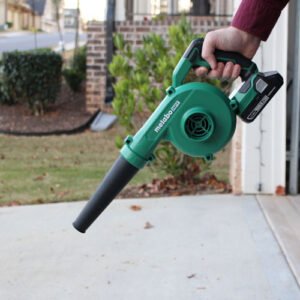
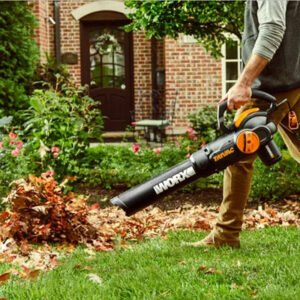


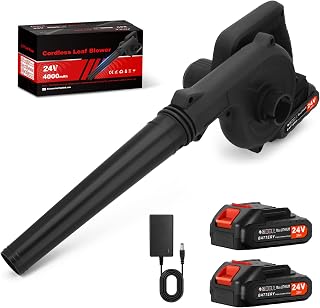


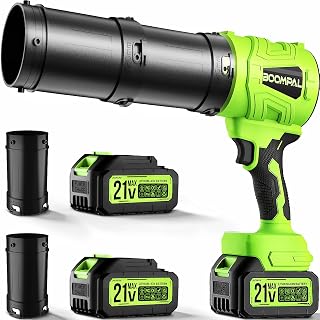

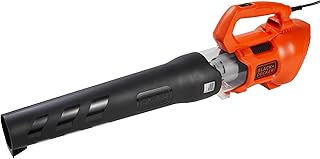


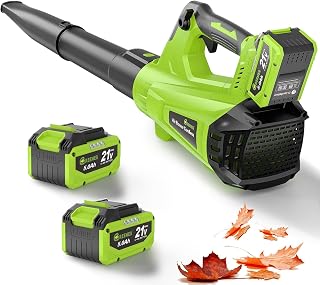


Choosing a leaf blower in Canada involves more than comparing air speed or the headline price. Canadian yards can present a mixture of dry leaves, damp debris, grass clippings, small twigs, pine needles and seasonal buildup. The best choice therefore depends on the size of the property, the type of debris, available power sources, storage space, noise considerations and how often the blower will be used.
This buying guide expands the comparison criteria behind smart leaf blower purchases for 2026. Use it to assess the specifications, features and practical differences between cordless, corded electric and gas-powered models before checking current retailer pricing, customer feedback and product availability in Canada.
Leaf blowers generally fall into three main categories: cordless battery-powered, corded electric and gas-powered. Each has a different balance of portability, runtime, power, maintenance and convenience.
Cordless models are often the most convenient option for residential properties because they eliminate extension cords and fuel. Modern battery platforms also allow one battery to work across compatible garden and power tools from the same manufacturer.
Brands such as DEWALT, Makita, Milwaukee, EGO, Greenworks, Ryobi, STIHL and Husqvarna offer cordless outdoor power equipment, although individual product specifications and battery compatibility vary by model.
Corded electric blowers can be practical when an outdoor electrical outlet is conveniently located. They provide continuous operation without needing to recharge a battery.
Before choosing a corded model, consider the distance between the outlet and the areas that need cleaning. An otherwise inexpensive blower can become inconvenient if its operating range requires frequent repositioning of an extension cord.
Gas-powered blowers remain an option for users who need extended operation and do not want to depend on battery charging. They can be useful for larger properties and demanding cleanup tasks, but they normally require more maintenance and fuel management than electric alternatives.
Two of the most important leaf blower specifications are air speed and air volume. They describe different aspects of performance and should not be treated as interchangeable.
Air speed is commonly expressed in kilometres per hour or miles per hour, depending on the specification. Higher air speed can help break loose stubborn leaves, small debris and material that has become lodged around edges or surfaces.
However, a high maximum air-speed figure alone does not guarantee that a blower will move large piles efficiently.
Air volume describes how much air the blower can move over a given period and is commonly stated in cubic metres per minute or cubic feet per minute. Higher airflow can be particularly useful when moving larger quantities of leaves across lawns or driveways.
A useful way to compare blowers is to consider airflow and air speed together rather than selecting a model solely because it has the highest advertised number.
Canadian shoppers may encounter both metric and imperial measurements depending on the retailer and manufacturer. Do not compare numbers blindly when one model uses different units or measurement conditions.
Check the manufacturer's stated measurement method and determine whether a figure describes maximum performance, a particular nozzle configuration or another test condition. When comparing products, evaluate the complete specification set rather than treating a single number as a universal performance rating.
For cordless leaf blowers, battery specifications deserve close attention. Voltage indicates the electrical platform, while amp-hour capacity describes the battery's stored electrical capacity. Neither figure alone tells you exactly how long a blower will operate.
Actual runtime can change substantially depending on how the blower is used. Continuous operation at maximum output consumes energy much faster than intermittent use at a lower setting.
For larger properties, a removable second battery can be more useful than relying on a single high-capacity battery. Buyers should also check whether a battery and charger are included or whether the product is sold as a bare tool.
If you already own cordless outdoor equipment, check whether the leaf blower belongs to the same battery platform. A compatible bare tool may allow you to use batteries and chargers you already own.
This can make a substantial difference when building a collection of garden tools. However, batteries are not universally interchangeable between brands, voltage platforms or product families. Always confirm compatibility using the manufacturer's specifications before purchasing.
Many modern cordless leaf blowers use brushless motors. Brushless technology can provide efficient motor operation and is widely used in higher-performance cordless outdoor equipment.
Brushed motors can still be suitable for straightforward residential applications, particularly when purchase price is an important consideration. The better choice depends on the intended workload, expected frequency of use, battery ecosystem and total cost of ownership.
Variable-speed control is one of the most useful practical features on a leaf blower. Instead of operating at maximum output all the time, the user can adjust airflow according to the surface and debris.
A locking trigger or cruise-control function can also reduce the need to continuously hold a trigger during longer cleaning sessions, depending on the design.
The nozzle is more important than it may initially appear. A concentrated nozzle can direct airflow into a smaller area, while a wider opening can spread airflow over a larger section.
When comparing models, check whether multiple nozzles are included and whether they can be installed or removed without tools. A well-designed nozzle can make the blower easier to control even when two models have similar headline airflow figures.
Leaf blower performance is only useful if the machine remains comfortable to operate. Weight should therefore be considered alongside power.
Pay particular attention to the location of the battery or engine, handle design, trigger position and overall balance. A blower that feels balanced can be easier to direct when cleaning large areas.
Handheld models are generally the most convenient choice for typical residential cleanup. They are easier to store and are well suited to patios, driveways, decks, sidewalks and moderate lawn areas.
Backpack blowers transfer much of the machine's weight onto the user's back and shoulders. They can be more appropriate for extended cleanup sessions or larger properties where a handheld unit becomes tiring.
The best format depends on the area being maintained rather than simply choosing the most powerful design available.
A small residential property usually does not require the most powerful blower available. Prioritise low weight, controllable airflow, convenient starting and easy storage.
A compact cordless model can be particularly convenient when the property contains several small areas that need occasional cleaning. A corded model can also work well when the operating area is close to an electrical outlet.
For larger properties, operating time and airflow become increasingly important. Battery users should consider larger-capacity batteries, additional batteries or fast charging options where available.
Users who routinely clear substantial amounts of leaves may also prefer a higher-output handheld or backpack design. Consider the time required to complete the job rather than focusing only on maximum air speed.
Wet leaves are substantially more difficult to move than lightweight dry leaves because they can stick together and adhere to surfaces. If autumn conditions frequently involve damp debris, prioritize strong airflow, controllable output and an appropriate nozzle.
Do not assume that a maximum air-speed figure alone indicates superior wet-leaf performance. The blower's overall airflow characteristics, nozzle design and ability to maintain useful output under load all matter.
Pine needles, small twigs and compact debris can behave differently from loose leaves. A concentrated airflow stream can be useful for loosening material from cracks, edges and hard surfaces.
For mixed debris, adjustable speed is particularly helpful because maximum output is not always desirable. Controlled airflow can help avoid scattering debris unnecessarily across a larger area.
Powerful blowers can disturb loose landscaping materials. When working around gravel, decorative stone or lightweight mulch, start at a lower power setting and increase output gradually.
Use the airflow at a shallow angle rather than directing maximum power straight into loose material. This allows leaves and lightweight debris to move while reducing the chance of displacing landscaping materials.
Noise is an important purchasing factor, particularly in residential neighbourhoods. Electric models are often preferred where lower operational disturbance is a priority, but noise varies between individual products and operating modes.
Always check the manufacturer's stated sound information when available and consider local municipal rules or property-specific restrictions that may apply to outdoor power equipment. Quiet operation should not be assumed solely because a blower is battery powered.
Canadian outdoor conditions can vary considerably throughout the year. Cold temperatures can affect battery performance, while damp conditions can make leaves heavier and harder to move.
For cordless equipment, follow the manufacturer's instructions for battery storage, charging and temperature limits. Avoid exposing electrical equipment to conditions that are outside its specified operating environment.
Regular maintenance helps preserve reliable operation and makes it easier to identify problems before they become more serious.
The highest advertised air-speed figure is not automatically the best choice. Air volume, nozzle design, battery capacity and controllability can be equally important.
A cordless blower may look inexpensive when sold as a bare tool, but the total purchase cost can be significantly different if you need to buy a battery and charger separately.
Excessive power can make a blower heavier, harder to control and less suitable for delicate areas. Match performance to the size of the property and the debris you normally encounter.
Consider where the blower, batteries, charger, extension cord or fuel will be stored. Compact equipment can be a major convenience in garages and smaller storage areas.
If you already own cordless tools, check whether the blower is compatible with your existing battery platform before choosing an entirely new system.
A useful comparison should consider the complete ownership experience rather than one specification or promotional claim.
Canadian shoppers may encounter products from a wide range of established outdoor power equipment and power-tool manufacturers. Brand selection should be treated as a starting point rather than proof that one specific model is superior.
Always compare individual models rather than assuming that every product within a brand has the same motor, airflow, battery system, warranty terms or intended use.
The lowest advertised price is not necessarily the best deal. A smarter comparison looks at what is included and whether the product fits the intended workload.
A smart buy is not necessarily the cheapest blower or the model with the largest performance numbers. It is the product that provides an appropriate combination of performance, usability, runtime, durability considerations and ownership cost for the intended application.
For a small yard, paying substantially more for professional-level output may provide little practical benefit. Conversely, someone managing a large property with heavy autumn leaf accumulation may find that a compact entry-level blower takes considerably longer to complete the same task.
Leaf blowers can propel stones, sticks and other debris at considerable speed. Safe operating habits are therefore essential.
Customer reviews can provide useful information, but they should be interpreted alongside technical specifications. A single negative review may describe an unusual situation, while repeated comments about the same issue can deserve closer attention.
Look for feedback concerning battery runtime, ergonomics, airflow control, noise, assembly, charging, durability and suitability for the type of yard you maintain. Also distinguish reviews of the exact model from reviews that refer to a different version or kit.
The best leaf blower depends on property size, debris type, desired runtime, power source and budget. For many residential applications, a cordless model provides a convenient combination of portability and straightforward operation, while corded and gas models can suit different requirements.
A cordless blower can be an excellent choice when mobility and convenience matter. Before purchasing, confirm the expected runtime, battery capacity, charging time and whether the required battery and charger are included.
Neither specification should be considered in isolation. Air speed helps describe the force of the airflow, while air volume describes how much air the blower moves. Compare both figures together with nozzle design and the intended application.
Power requirements depend on the job. A compact blower can be sufficient for patios and small yards, while larger properties and heavy debris may justify higher airflow and more substantial battery capacity or engine output.
They can be, provided the selected model has appropriate airflow and the user operates it correctly. Wet leaves are heavier and often stick together, so they generally require more effort to move than dry leaves.
If you do not already own a compatible battery platform, a complete kit can be more convenient. If you already have compatible batteries and chargers, a bare tool may provide better overall value.
There is no universal runtime because battery life depends on capacity, power setting, temperature, debris and operating technique. Manufacturer runtime information should be treated as model-specific rather than a guarantee for every usage condition.
Yes. Leaf blowers can be useful for moving loose grass clippings from driveways, patios and hard surfaces. Lower airflow settings can provide better control around garden beds and other sensitive areas.
Yes, but use caution. Start with a low airflow setting and increase power gradually. Directing very strong airflow into loose gravel can move stones along with the leaves.
Compare the complete package rather than the headline price. Check airflow, air speed, weight, battery capacity, included accessories, charger availability, battery-platform compatibility and current customer feedback.
No. A cheaper product may require additional batteries, have less suitable airflow or be less convenient for your property. A smart deal is one that provides the features and performance you actually need at a competitive total cost.
Before choosing from the top leaf blower deals available in Canada, confirm these points:
For August 2026 and throughout the 2026 buying season, the most useful approach is to compare the exact model, included accessories, battery requirements, performance specifications and current customer feedback before purchasing. This helps separate genuinely useful leaf blower deals from products that appear attractive because of a low headline price or an impressive single specification.