

♥ Wishlist
Compare 57 Kids Backpacks for School, Travel & Everyday Adventures products in Canada. Reviews, ratings, pros, cons and buying advice updated for October 2026.


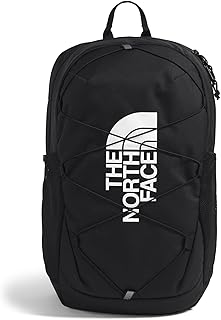


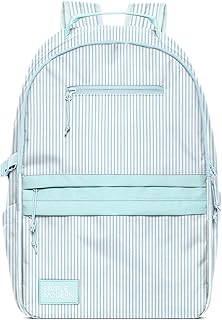


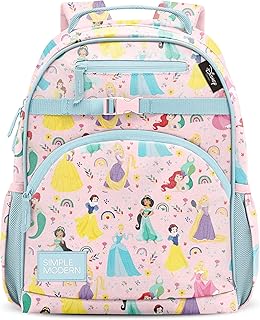


Finding a kids backpack that looks good, fits comfortably and survives everyday school use requires more than choosing the lowest advertised price. The best smart buy is usually the backpack that balances size, weight, construction, organisation, comfort and price for the child's actual needs.
For Canadian families, the buying decision can also involve practical factors such as winter clothing, rainy weather, commuting to school, packed lunches, sports equipment and the amount of homework a child carries. A backpack that works well for a preschooler may be too small for an elementary student, while an oversized school backpack can be unnecessarily heavy for a younger child.
This 2026 buying guide focuses on the features that matter when comparing kids backpacks in Canada. Use the information below alongside current specifications, verified customer reviews and retailer information to identify the option that best matches the child's age, routine and budget.
The right backpack should match the child's body size and daily routine rather than simply offering the largest capacity. Before comparing colours, characters or discounts, consider how the backpack will actually be used.
There is no single backpack that is best for every Canadian child. The following ten categories provide a practical framework for comparing products and identifying the most suitable option for different school and family needs.
A lightweight everyday backpack is a strong starting point for children who carry a modest selection of school supplies. The main advantage is avoiding unnecessary bulk when the daily load is relatively small.
Look for a compact design with adjustable shoulder straps, a comfortable back panel, durable zippers and enough internal organisation for notebooks, stationery and a lunch container. A lightweight construction is particularly useful for younger children because the backpack itself should not contribute unnecessary weight.
When comparing models, do not judge lightweight construction solely by the listed fabric. Check the complete product weight, dimensions, capacity and structure. A bag can use lightweight material but still become cumbersome if it has excessive padding, hardware or decorative components.
An ergonomic backpack is designed around carrying comfort. Useful features can include padded shoulder straps, adjustable strap positioning, a supportive back panel and a shape that keeps the contents relatively close to the child's body.
Fit matters more than marketing terminology. A backpack should sit appropriately on the child's back, and the shoulder straps should be adjusted rather than left at their longest setting. A poorly fitted backpack can feel uncomfortable even when its materials and construction are otherwise excellent.
Parents comparing ergonomic designs should pay particular attention to strap width, adjustability, padding, back-panel construction and the overall dimensions relative to the child.
Preschool and kindergarten backpacks generally need less capacity than elementary school bags. A smaller design can make the backpack easier for a young child to carry and manage independently.
Prioritise simple organisation. A main compartment, accessible front pocket and a suitable space for a small water bottle may be more useful than numerous complicated sections.
For younger children, also consider easy-to-operate zippers and pull tabs. A design that the child can open and close independently can be more practical than a feature-heavy backpack.
Elementary students often need a more versatile backpack because their daily requirements can change throughout the school year. Books, folders, notebooks, lunch containers, water bottles and activity supplies may all need to fit inside the bag.
A medium-capacity backpack with multiple compartments can provide a useful balance between storage and portability. However, additional capacity should not encourage unnecessary items to be carried every day.
Look for a strong base, reinforced stitching, reliable zippers and adjustable straps. These areas receive considerable wear when children place backpacks on classroom floors, playground surfaces and outdoor areas.
Older students often need more organisation for larger books, folders, personal items and technology. A backpack designed for teenagers may therefore have a larger main compartment and dedicated spaces for electronics.
When technology is part of the daily load, inspect the dimensions and padding of any laptop or tablet compartment carefully. The compartment should accommodate the device's actual dimensions rather than relying only on a general size label.
Older students may also prefer a less childish appearance. Brands such as JanSport, Herschel, The North Face, Osprey, Fjallraven, Adidas, Nike and Under Armour are among the names shoppers may encounter when comparing backpack styles, but the correct choice should still be based on the individual product's specifications and suitability.
A backpack with an integrated lunch section can make school organisation easier by separating food containers from books and stationery.
Before choosing one, examine how the lunch compartment is constructed and whether its dimensions accommodate the lunch container the child already uses. A compartment that looks large in photographs may have limited usable space once its insulation and internal lining are considered.
Also consider cleaning. Food spills are inevitable with some younger children, so materials that are straightforward to wipe according to the manufacturer's care instructions can be particularly practical.
Weather can be an important consideration for Canadian families. A water-resistant backpack can help protect school supplies from light rain or splashes, although water resistance should not automatically be interpreted as complete waterproofing.
Check the product description carefully for the manufacturer's exact terminology. Water-resistant, water-repellent and waterproof can describe different levels of protection.
Pay attention to zipper areas and seams as well as the fabric itself. Even when the main material resists moisture, water can enter through openings or construction points.
Children who walk, cycle or travel outdoors during darker parts of the day may benefit from a backpack incorporating reflective details or other visibility-oriented elements.
Reflective material is different from a permanently bright colour. Reflective components are intended to become more visible when illuminated by a light source, while colour can improve daytime visibility.
When comparing backpacks for children who commute independently, inspect where reflective elements are positioned and whether they remain visible when the backpack is being worn.
Character backpacks can make children more enthusiastic about carrying their own belongings. Popular themes may change quickly, so parents should balance visual appeal with practical construction.
A character design should still have appropriate straps, useful storage, durable zippers and dimensions suitable for the child's body. Decorative elements should not replace the features that make the backpack comfortable and functional.
Brands and licensed designs can also affect pricing. Compare construction and specifications between themed and non-themed alternatives before assuming that a higher price represents better everyday performance.
A multi-use backpack can be useful when one bag needs to cover school, travel, day trips or extracurricular activities. However, versatility can also add weight and complexity.
Compare the backpack's empty weight, capacity, strap system and compartments before choosing this style. If the child only needs a school bag, a simpler design may offer better value.
Backpack size should be considered in relation to the child's height and build rather than selected solely according to age. Children of the same age can have significantly different body proportions.
Always compare the manufacturer's stated dimensions with the child's torso and the items that need to fit inside. Capacity measured in litres is useful for comparisons, but it does not tell the whole story. Two backpacks with similar stated capacity can have very different compartment layouts and usable space.
Fit is one of the most important factors in choosing a school backpack. A backpack that is technically well constructed can still be a poor choice if its proportions do not suit the child.
The shoulder straps should be adjusted so the backpack sits securely and does not hang unnecessarily low. The bag should not be dramatically wider or taller than the child's back.
Check the following areas when the child tries on a backpack:
The empty backpack is only part of the carrying equation. A very light backpack can become heavy once filled with books, lunch, water and personal belongings.
Parents should therefore compare both the empty weight and the practical capacity. A large bag can encourage children to carry items they do not need, while a bag that is too small can become difficult to organise and may require items to be carried separately.
A useful habit is to periodically empty the backpack and remove old worksheets, unnecessary toys, duplicate stationery and other items that have accumulated. This can reduce avoidable weight and improve organisation.
Polyester is widely used in everyday backpacks because it can provide a practical balance between weight, durability and cost. Different polyester fabrics can have very different characteristics, so the fabric name alone should not determine a purchase.
Nylon is another common backpack material. Depending on the specific construction, nylon can provide a durable option for frequent use. Compare fabric specifications, denier information when provided and overall construction rather than assuming every nylon backpack has the same performance.
Canvas backpacks can offer a distinctive appearance and sturdy feel. They may be appealing for casual use, although shoppers should consider weight and weather resistance because these characteristics vary substantially between products.
Some manufacturers use recycled fibres in backpack construction. If environmental considerations are important to your purchase, check the manufacturer's specific material information instead of relying on broad sustainability language.
Fabric is only one part of backpack durability. Examine the construction as a complete system.
The number of pockets is not necessarily a measure of quality. A backpack with too many small compartments can actually make it harder for a child to find everyday items.
For younger children, a straightforward layout may work best. Older students may benefit from dedicated areas for folders, stationery, water bottles and technology.
The main compartment should accommodate the child's largest everyday items without forcing zippers closed around an overloaded interior.
A front pocket is useful for smaller objects such as pencils, tissues, keys or other items that need quick access.
Side pockets can provide convenient storage for water bottles or similarly shaped items. Check their dimensions because not every side pocket can accommodate a large bottle securely.
If the backpack will carry a laptop or tablet, check the actual compartment dimensions and padding. Do not assume that a product labelled as suitable for a particular screen size will fit every device of that size.
Canadian weather varies considerably by region and season, making moisture protection a useful consideration. Rain, wet snow and accidental spills can all expose school supplies to moisture.
A water-resistant exterior may provide useful protection for everyday commuting, but it is not a substitute for a genuinely waterproof design when complete protection is required.
For valuable electronics, important documents or extended outdoor use, consider whether an additional waterproof sleeve or protective case is appropriate. Always follow the manufacturer's instructions for the level of weather exposure the backpack is designed to handle.
Winter creates a few additional backpack considerations. Children may be wearing bulky coats, gloves and other layers, which can affect how shoulder straps feel and how easily the bag can be put on and removed.
Look for sufficiently adjustable straps and avoid choosing a backpack that only fits comfortably over a light shirt. However, do not compensate for winter clothing by selecting a dramatically oversized backpack.
Visibility can also become more important when children travel during shorter daylight periods. Reflective details can be worth considering for children who walk or cycle outdoors.
A backpack can have an attractive design but still be inconvenient if it does not accommodate the child's lunch and water bottle.
Measure the lunch container and bottle at home before purchasing whenever possible. Then compare those measurements with the backpack's stated compartment dimensions.
Pay attention to the shape of the bottom of the main compartment. A narrow base may reduce usable space even when the overall litre capacity appears generous.
Technology has become part of many students' daily routines, so some children need to carry tablets, laptops, headphones or charging accessories.
A technology-friendly backpack should be assessed based on the actual device being carried. Check:
Parents should also teach children to keep hard objects such as bottles or stationery cases from pressing directly against fragile screens.
Kids backpacks can experience repeated stress. They may be dropped, dragged, overfilled, placed on wet floors or left outdoors. A sensible durability assessment therefore goes beyond the appearance of the fabric.
Pay particular attention to:
Verified customer reviews can also help identify recurring practical complaints, but individual experiences should be interpreted carefully. A review is most useful when it describes the actual usage conditions, duration of use and specific component that failed or performed well.
A discount does not automatically make a backpack a better buy. The smarter approach is to compare the final value offered by each product.
The cheapest backpack may not provide the lowest long-term cost if it needs to be replaced quickly. At the same time, an expensive backpack is not automatically more durable or better suited to a particular child.
Value should be assessed by considering the product's construction, expected use, fit, organisation and practical features alongside its current price.
For a child who carries only a few lightweight items, paying substantially more for advanced features may offer little practical benefit. For an older student carrying books and technology every day, better organisation and construction may justify spending more.
Colour, characters and design can be important to children, but they should not be the only selection criteria. A backpack needs to work for the child's daily routine.
A larger bag may appear more versatile, but excess capacity can encourage unnecessary packing and may be uncomfortable for a smaller child.
Two backpacks with similar capacity can have different empty weights. Always check this specification when it is available.
Additional pockets are only useful when they make organisation easier. A child may find a simple two- or three-compartment layout easier to manage than a highly segmented design.
Check the manufacturer's exact claims and care instructions. Do not assume that a water-resistant fabric will protect contents during prolonged exposure to heavy rain.
Even a well-designed backpack can feel uncomfortable when its straps are incorrectly adjusted.
Product photographs can make backpacks appear larger or smaller than they actually are. Always compare listed dimensions with the child's size and the objects that need to fit inside.
Some features can sound attractive without providing meaningful benefits for every child.
The best smart buy is not necessarily the backpack with the longest feature list. It is the one where the useful features match the child's actual routine.
There are situations where spending more can make sense. If a child carries a backpack every school day, features that improve everyday usability may have greater value than purely decorative upgrades.
Customer reviews can provide useful information that is not always obvious from product photography. However, shoppers should look for patterns rather than relying on a single positive or negative comment.
Useful review details include comments about zipper performance, strap comfort, actual capacity, material durability, sizing and ease of cleaning.
Give more attention to reviews that explain how the product was used. A backpack used occasionally for short trips is being evaluated under different conditions from one carried to school every weekday.
Also check whether reviews refer to the exact size, colour or generation of the product being considered. Product variations can have different dimensions or specifications.
Brand recognition can provide a useful starting point, but it should never replace product-level comparison. Different backpack models from the same company can be designed for very different users.
When browsing options from brands such as JanSport, Herschel, The North Face, Osprey, Fjallraven, Adidas, Nike, Under Armour and Skip Hop, compare the individual model's dimensions, weight, materials, capacity and intended use.
For younger children, themed or preschool-focused products may be more suitable than adult-oriented lifestyle backpacks. For older students, a more structured school or everyday backpack may provide better organisation and device storage.
Use this checklist to narrow down the choices before comparing today's deals.
Prioritise compact dimensions, low empty weight, simple compartments and easy-to-use zippers. A preschooler generally does not need the capacity of an older student's school backpack.
Look for a medium-capacity design with practical organisation, comfortable adjustable straps, durable construction and enough space for everyday school materials.
Consider larger capacity, dedicated technology storage, stronger organisation and a design that remains comfortable when carrying heavier school materials.
Compare water-resistant materials, zipper construction and the manufacturer's stated weather-protection capabilities. Consider an additional protective solution for electronics when necessary.
Prioritise fit, comfort, manageable weight and visibility. Reflective elements can be a useful consideration for children travelling during low-light periods.
Choose capacity based on the items the child actually needs to carry. A travel backpack should still remain comfortable and manageable when fully loaded.
Regular maintenance can help keep a school backpack usable throughout the school year. Always follow the manufacturer's cleaning instructions because materials, coatings and structural components can have different care requirements.
Replacement should be based on condition and suitability rather than a fixed calendar. A backpack may still be useful after a school year if it remains structurally sound and fits the child.
Signs that replacement may be appropriate include damaged shoulder straps, failing zipper tracks, torn seams, broken attachment points, significant loss of structure or a size that no longer suits the child.
A growing child may also outgrow a backpack even when the bag itself remains in good condition. Fit should therefore be reassessed as children grow.
Back-to-school shopping can encourage impulse purchases, particularly when children are attracted to specific designs. A simple comparison process can keep the decision focused.
A smart buy combines practical suitability with sensible value. The winning backpack does not necessarily have the lowest price, the most compartments or the most fashionable appearance.
For many children, the most important combination is an appropriate size, comfortable adjustable straps, manageable weight, durable construction and enough organisation for everyday school supplies. Additional features should be selected according to actual needs.
Parents should also remember that product specifications and prices can change. Before purchasing, verify the current model, size, available features and Canadian pricing with the retailer and manufacturer information.
The best kids backpack depends on the child's age, body size, school requirements, daily load and budget. Rather than choosing one universal winner, compare fit, weight, capacity, materials, organisation and construction against the child's specific needs.
Choose a backpack according to the child's body size and the amount they need to carry. Preschool children generally need compact bags, while older students may require more capacity. Always compare the manufacturer's dimensions with the child's proportions.
Key considerations include manageable empty weight, adjustable straps, suitable dimensions, durable construction, useful compartments, comfortable back-panel design and appropriate weather protection.
Not automatically. A higher price can be justified when it provides features that genuinely matter to the child's daily use, but price alone does not establish quality. Compare specifications and verified customer feedback across similarly sized products.
A lighter empty backpack can be advantageous because the child must carry both the backpack and its contents. However, weight should be evaluated alongside durability, comfort, capacity and construction.
Not for every child. Water-resistant construction may be sufficient for ordinary commuting, while children exposed to extended wet conditions may need stronger protection. Check the manufacturer's specific weather-resistance claims.
A kindergarten backpack should generally be compact, lightweight and easy for the child to operate. Simple organisation, adjustable straps and sufficient space for basic school items are usually more useful than excessive capacity.
Parents may encounter brands such as JanSport, Herschel, The North Face, Osprey, Fjallraven, Adidas, Nike, Under Armour and Skip Hop when shopping. Compare individual models because specifications can differ considerably within the same brand.
Check the backpack's overall dimensions, adjust the shoulder straps and observe how the bag sits on the child's back. It should be appropriately proportioned rather than excessively wide, tall or low-hanging.
There is no universal ideal price. Set a budget based on how frequently the backpack will be used, the child's requirements and the features that matter. Then compare products within that range rather than assuming the most expensive model is the best choice.
Only if the child regularly carries a laptop or tablet. If technology is part of the daily load, check the compartment's actual dimensions and padding instead of relying solely on a general device-size label.
They can be a good choice when the child likes the design and the backpack still meets practical requirements. Check the weight, dimensions, straps, compartments and construction before buying.
Cleaning frequency depends on use and the manufacturer's care instructions. Emptying the bag regularly and addressing food spills promptly can help maintain it throughout the school year.
For most school use, fit and suitability should come first. A backpack with the right dimensions, manageable weight and comfortable adjustable straps is more useful than one with features that the child does not need.
The smartest way to choose a kids backpack in 2026 is to start with the child rather than the product. Determine the required capacity, measure the child, identify the everyday load and decide which features genuinely matter.
Then compare several suitable models using the same criteria: empty weight, dimensions, capacity, material, strap adjustment, back-panel design, compartment layout, weather resistance, durability features and current price.
Use verified customer reviews to identify recurring real-world issues, but always cross-check those observations against the manufacturer's current specifications. Product names, colours, dimensions, prices and availability can change, so confirm the exact model before purchasing.
For Canadian shoppers, the best smart buy is ultimately the backpack that provides the right combination of comfort, size, organisation, durability and value for the child's actual school routine. A well-matched backpack can be more useful than a larger or more expensive alternative simply because it is easier for the child to carry, organise and use every day.