

♥ Wishlist
Compare 55 Home Automation Devices for Smarter Living products in Canada. Reviews, ratings, pros, cons and buying advice updated for October 2026.












Choosing the right smart home products involves more than finding the device with the highest rating or the most features. A useful home automation setup should work reliably with the devices you already own, fit the electrical and wireless environment in your home, provide practical everyday benefits, and remain easy to manage over time. For Canadian shoppers, compatibility, power requirements, Wi-Fi performance, seasonal conditions, privacy settings, and availability through trusted retailers can all influence the buying decision.
This buying guide focuses on the factors that matter when comparing smart home automation devices in 2026. It covers smart speakers, smart displays, lighting controls, plugs, thermostats, cameras, sensors, locks, hubs, doorbells, and other connected-home equipment. The goal is to help you compare specifications and features objectively rather than choosing a product simply because it appears on a popular list.
Home automation devices are connected products that allow household functions to be monitored, controlled, scheduled, or automated. Depending on the product, control may happen through a smartphone application, voice assistant, physical controls, a central smart home hub, or automated routines.
A basic smart plug, for example, can allow a lamp to be switched on or off remotely. A smart thermostat can adjust heating according to schedules or household preferences. Motion sensors can trigger lighting, while a smart doorbell can provide notifications when someone approaches an entrance. More advanced systems combine several devices so that one event can trigger multiple actions.
The most useful smart home systems are therefore not necessarily the ones containing the largest number of gadgets. They are the systems in which individual devices work together logically and continue to be convenient after the initial installation.
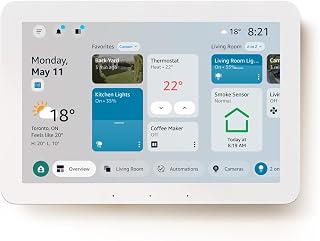
Smart speakers and displays can act as convenient control points for a connected home. Depending on compatibility, users can issue voice commands, control lights, check connected cameras, create routines, set timers, and interact with other smart products.
When comparing these products, consider microphone performance, speaker quality, display size where applicable, privacy controls, supported smart home platforms, and whether the device can continue performing essential functions when the internet connection is interrupted.
Smart plugs are among the simplest ways to add automation to existing electrical devices. They can be useful for lamps, fans, seasonal decorations, and other compatible appliances that physically switch on when power is supplied.
Check the plug's electrical rating and physical dimensions before buying. A compact design can be particularly useful when multiple outlets are positioned close together. Buyers should also confirm that the connected appliance is suitable for automated power switching and that the plug is intended for the required Canadian electrical environment.
Smart bulbs, switches, dimmers, and lighting systems can provide scheduling, remote control, scenes, and automation. Some products offer adjustable colour temperature or multiple colours, while others concentrate on straightforward dimming and on-off control.
Smart bulbs are convenient when you want to keep the existing wall switch, whereas smart switches can be a better choice when you want permanent control at the switch location. However, installation requirements can differ substantially. Some switches require a neutral wire, while others are designed for specific electrical configurations.
A smart thermostat can provide programmable schedules, remote adjustments, temperature monitoring, and integration with other home automation products. For Canadian homes, heating-system compatibility deserves particular attention because residential heating equipment can vary significantly.
Before selecting a thermostat, identify the existing heating system and check the manufacturer's compatibility information. Consider whether your system uses conventional heating, heat pumps, electric baseboards, radiant heating, or another configuration. Do not assume that a thermostat designed for one type of system will automatically work with another.
Smart cameras can provide remote viewing, motion notifications, recording options, and integration with other security products. Indoor and outdoor models are designed for different environments, so the intended installation location should guide the selection.
For outdoor cameras, pay close attention to weather resistance, operating temperature specifications, mounting options, night visibility, power requirements, and network coverage. For indoor cameras, privacy features such as physical shutters, privacy modes, local storage options, and account security can be particularly important.
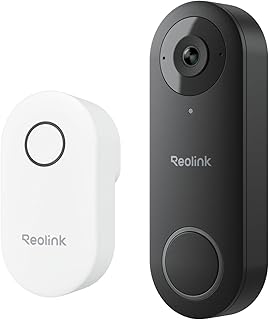
Smart doorbells combine a camera, doorbell, communication system, and notification service. Depending on the model, they may provide live video, motion detection, two-way communication, visitor notifications, and recording.
Compare wired and battery-powered designs carefully. Battery operation can simplify installation, but charging frequency depends on usage and environmental conditions. Wired models can provide continuous power but may require existing wiring and appropriate installation.
Smart locks can provide keyless entry, temporary access codes, remote locking, activity notifications, and integration with other automation routines. They are particularly useful for households that frequently need controlled access for family members, guests, or service providers.
Compatibility with the existing door, deadbolt configuration, door thickness, backset, and available power should be checked before purchase. A lock should also retain an appropriate manual or emergency access method so that users are not dependent on a single electronic feature.
Small sensors can have a major impact on home automation because they provide the information required for automated routines. A motion sensor can trigger hallway lighting, while a door sensor can initiate notifications or activate a connected routine.
Battery life, detection range, installation method, communication protocol, and hub requirements are useful comparison points. Sensor placement can be just as important as sensor specifications, so products that allow flexible mounting may be easier to integrate into different rooms.
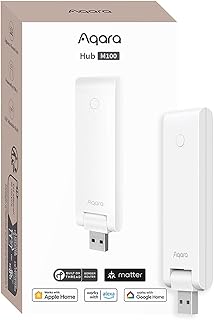
A smart home hub can coordinate compatible devices and provide a central point for automation. Some modern ecosystems can operate without a traditional standalone hub, while others use a dedicated controller for broader compatibility and more advanced routines.
If you are building a larger system, check which wireless technologies and ecosystems the hub supports. Compatibility today does not necessarily mean that every future product will work with the same platform, so an open and broadly supported ecosystem can be valuable for long-term flexibility.
Wi-Fi is widely used for smart home products because most homes already have a wireless network. It is particularly convenient for devices that transfer substantial amounts of data, such as cameras and smart displays.
However, adding many Wi-Fi devices can increase network demand. Buyers should consider router coverage, network capacity, placement, and whether the device supports the Wi-Fi configuration used by their home network.
Bluetooth can be useful for local communication and initial setup. It is common in smaller connected devices and accessories. Its shorter effective range compared with some dedicated smart-home networking technologies means that the intended placement should be considered.
Zigbee and Z-Wave are wireless technologies commonly associated with smart home devices. They can be useful for sensors, switches, lights, and other products where efficient communication and networked device coverage are important.
A compatible hub or controller may be required, so buyers should evaluate the complete ecosystem rather than purchasing an individual device in isolation.
Matter is designed to improve interoperability among compatible smart home products and major ecosystems. It can make it easier to select devices based on the features you actually need rather than being locked into a single manufacturer's product range.
However, Matter compatibility does not mean that every feature is automatically identical across every platform. Advanced functions can still depend on the manufacturer, controller, application, or ecosystem. Always check the exact supported features before purchasing.
One of the most important decisions is choosing how your devices will be controlled. Popular ecosystems include Amazon Alexa, Google Home, Apple Home, Samsung SmartThings, and other manufacturer-specific platforms.
A device can support one ecosystem, several ecosystems, or a combination of ecosystem and Matter functionality. Before buying, make a list of the products already installed in your home and determine which platform they use.
Avoid choosing every new device independently. A collection of individually excellent products can become inconvenient if each requires a different application, account, hub, or control method.
Alexa-compatible devices can be useful for households already using Amazon Echo products or Alexa routines. Smart plugs, lights, thermostats, cameras, and other compatible devices can often be grouped into rooms and controlled through routines.
Google Home can provide centralized management for compatible smart home products and is particularly convenient for households already using Google services and compatible smart displays or speakers.
Apple Home can be attractive to users who primarily use iPhone, iPad, Apple Watch, or other Apple devices. HomeKit and Matter-compatible products can provide integrated control, while supported Apple home hubs can enable additional automation capabilities.
SmartThings can connect a broad selection of smart home products and is designed for more extensive automation scenarios. Buyers should still verify device compatibility and the exact functions available through the chosen controller.
Compatibility should normally be the first filter, not the last. A device with excellent specifications has little value if it cannot integrate with your existing system.
Power requirements differ considerably between smart home products. Some connect directly to an electrical outlet, some use batteries, some require low-voltage wiring, and others replace existing electrical controls.
Battery-powered products are convenient for locations without suitable wiring, but battery maintenance becomes part of ownership. Wired devices can be more convenient for permanent installations but may require additional installation work.
A smart home product can only be as reliable as its connection allows. Thick walls, floors, building materials, router placement, interference, and distance can all affect wireless performance.
Before installing a large number of connected products, evaluate where your router, hub, or other network equipment is located. Mesh Wi-Fi or a suitable smart-home mesh protocol may be useful in larger properties, depending on the products selected.
Ask what the product can actually automate rather than simply counting the number of advertised features. Useful triggers may include time, motion, temperature, location, door activity, or another device's status.
A device that supports flexible routines can often deliver more practical value than a product offering numerous features that are rarely used.
The companion application is part of the ownership experience. Look for clear device controls, understandable settings, useful notifications, straightforward scheduling, and reliable account management.
Also consider whether the device can be controlled manually. Physical buttons or switches can remain valuable when a phone is unavailable, the internet is temporarily down, or another household member prefers traditional controls.
Connected devices can collect information about activity inside or around a home. Cameras, microphones, location-based routines, occupancy sensors, and usage records can create particularly sensitive information.
Before buying a connected device, review the manufacturer's privacy documentation and account-security options. Look for practical controls such as two-factor authentication, permission management, device-sharing controls, privacy modes, and appropriate data-management options.
For cameras and microphones, consider exactly where the device will be installed and who may have access to the associated account. Avoid positioning cameras where unnecessary private activity could be recorded.
Some smart cameras and other devices rely heavily on cloud services, while others support local storage or offer a combination of local and cloud recording. Each approach has different convenience and privacy considerations.
Cloud-dependent features may require an ongoing service plan for particular functions. Local storage can reduce dependence on a remote service but may require additional hardware or manual management. Compare the complete feature set rather than assuming that storage type alone determines overall value.
There is no universal winner between wired and battery-powered products. The right choice depends on the installation location and the importance of continuous operation.
Canadian homes can present different requirements depending on region, property type, heating system, building construction, and seasonal conditions. A product that works well in a compact apartment may not be the best choice for a detached home with multiple floors.
For outdoor equipment, examine the manufacturer's stated environmental operating specifications rather than assuming that a device is suitable for all Canadian weather conditions. Extreme cold, moisture, snow, direct sunlight, and rapid temperature changes can affect electronics and batteries.
Heating-related automation deserves additional attention. If a smart thermostat or temperature sensor is being considered, identify the exact heating equipment and confirm compatibility before making a purchase.
Renters and condo residents may benefit from devices that require minimal permanent modification. Smart plugs, bulbs, portable sensors, and certain battery-powered security products can often provide useful automation without extensive installation work.
Before installing a smart lock, wired doorbell, wall switch, or other permanent product, check the applicable property rules and determine whether installation permission is required.
Larger homes require more attention to connectivity and device placement. A single router may not provide consistent coverage throughout multiple floors or distant rooms.
When building a larger smart home, consider network architecture before buying dozens of devices. A suitable combination of Wi-Fi, compatible mesh technologies, and strategic hub placement can make the system easier to manage.
It can also be useful to divide devices into logical rooms and routines. For example, entrance sensors, hallway lighting, and security devices can be grouped around arrival and departure routines rather than being managed as unrelated products.
Smart plugs and smart bulbs are usually straightforward starting points. They can introduce scheduled operation and remote control without requiring a complete home automation system.
Smart thermostats, compatible heating controls, smart plugs, and energy-monitoring devices can help households understand and manage connected equipment. Always verify that the product is compatible with the specific appliance or heating system.
Smart cameras, video doorbells, door sensors, window sensors, motion detectors, and smart locks can work individually or as part of a broader security-oriented automation setup.
Smart speakers, displays, lighting, plugs, and automated routines can reduce repetitive tasks. Examples include switching lights on at a scheduled time, turning off selected devices at bedtime, or triggering lighting when motion is detected.
Voice control, automated lighting, remote switches, scheduled routines, and sensors can make certain household tasks easier for people who have difficulty reaching conventional controls. The best configuration depends on individual needs and should prioritize dependable manual alternatives where appropriate.
The most common mistake is purchasing a device based on appearance or ratings without checking ecosystem and installation compatibility. Always verify the exact requirements before ordering.
A product may appear inexpensive until the required hub or controller is added to the system. Compare the total setup requirements rather than judging one device's purchase price in isolation.
Some products provide core functionality without a subscription but reserve advanced features for an optional service. Others may place important storage or automation capabilities behind a recurring plan. Check the current manufacturer's feature breakdown before buying.
Adding connected products without considering network capacity can make troubleshooting more difficult. For larger installations, consider how different communication technologies can be combined.
A long feature list does not necessarily make a device the better choice. Reliable connectivity, straightforward controls, appropriate construction, useful automation, and long-term ecosystem support can matter more than rarely used functions.
Before buying a smart lock, switch, thermostat, doorbell, or camera, examine the physical installation requirements. Check dimensions, wiring, mounting surfaces, door configuration, power access, and placement limitations.
When researching products, established brands can provide a useful starting point because their ecosystems, specifications, compatibility information, and support documentation are generally easier to investigate. Depending on the product category, Canadian shoppers may encounter brands such as Amazon, Google, Apple, Samsung, Philips Hue, TP-Link, Aqara, Ecobee, Ring, Arlo, Eufy, August, Yale, Schlage, Nanoleaf, Belkin, Wyze, and SwitchBot.
Brand recognition should not replace product-level comparison. A reputable manufacturer can offer multiple product lines with very different features, installation requirements, connectivity options, and ongoing service models.
Look for the communication technologies supported by the product and determine whether they match your existing network or smart home controller.
For plugs, switches, power controls, and similar products, verify the electrical rating and intended application. Never assume that every smart plug or switch is appropriate for every appliance.
For outdoor cameras, sensors, doorbells, and other products exposed to the environment, check the manufacturer's stated operating temperature range. Canadian seasonal conditions make this particularly relevant.
For outdoor products, an appropriate ingress-protection rating can provide useful information about resistance to dust and water under defined test conditions. It should be considered alongside the manufacturer's installation instructions and environmental limitations.
For security cameras and doorbells, image resolution is only one part of the comparison. Field of view, low-light performance, positioning, motion detection, recording options, and application controls can influence practical usefulness.
Battery specifications should be interpreted carefully. Real-world battery duration can vary according to recording frequency, motion events, temperature, wireless signal quality, settings, and usage patterns.
When comparing cameras, consider the complete surveillance workflow rather than focusing only on megapixels or video resolution.
Smart lighting products can look similar while offering substantially different experiences. Compare whether the product is a bulb, switch, dimmer, fixture, or complete lighting system.
Consider brightness, colour temperature, colour capability, dimming range, physical compatibility, hub requirements, voice assistant support, scheduling, scenes, and whether the light remains controllable manually.
For a whole-home installation, ecosystem consistency can be more valuable than buying the cheapest individual bulb. Standardizing where practical can reduce the number of applications and simplify automation.
Thermostat selection should begin with the heating and cooling equipment, not the smartphone application. Confirm the exact equipment compatibility before comparing smart features.
Where professional electrical or HVAC installation is required, use a suitably qualified professional rather than treating a complex installation as a simple DIY project.
A morning routine could combine scheduled lighting, a thermostat adjustment, and a smart speaker announcement. The exact combination should reflect the devices already installed in the home.
An absence routine can potentially turn off selected lights, adjust compatible thermostats, lock supported doors, and activate selected security devices. Each action should be configured carefully so that essential equipment is not accidentally switched off.
Depending on the ecosystem, arrival automation can activate entrance lighting, adjust selected household settings, or provide other notifications.
A bedtime routine can simplify repetitive tasks such as switching off lights, locking compatible doors, and adjusting selected devices.
Motion sensors can trigger lights in hallways, bathrooms, entrances, or other areas where hands-free illumination is useful. Use suitable timing so that lights do not switch off while a room is still occupied.
You do not need to automate the entire property at once. A gradual approach can make compatibility and reliability easier to evaluate.
Customer ratings can provide useful buying signals, but they should not be the only selection criterion. Look beyond the overall score and examine recurring comments about connectivity, installation, application reliability, battery performance, false notifications, compatibility, and long-term usability.
Verified customer reviews can be particularly useful when they describe the exact installation environment. A review from someone using a device in an apartment may not translate directly to a large multi-storey house.
Also compare recent feedback with older reviews because applications, firmware, ecosystems, and product revisions can change over time.
The lowest purchase price is not always the lowest overall cost. A smart device may require a hub, additional sensors, replacement batteries, installation materials, or a recurring subscription for certain features.
When comparing deals, calculate the complete setup rather than looking only at the headline product price. A slightly more expensive product with broader compatibility and fewer additional requirements may provide better value for a particular home.
For important household functions, simplicity can improve reliability. Avoid creating complicated chains of dependencies for essential lighting, access, or heating controls unless you understand how the system behaves when a device, hub, or internet connection becomes unavailable.
Sensors can transform smart devices from remote-controlled products into genuinely automated systems. Instead of scheduling every action manually, use appropriate triggers when the ecosystem supports them.
A smart light going offline is usually an inconvenience. A connected lock or security camera failing can be more significant. Give higher-priority devices additional consideration when evaluating connectivity, backup controls, privacy, and reliability.
For larger installations, keep a simple record of device names, locations, hubs, routines, and important configuration settings. This can make troubleshooting and future upgrades easier.
Smart home devices can be worthwhile when they solve a specific problem or remove repetitive household tasks. Smart lighting can make schedules easier, smart plugs can automate compatible appliances, sensors can provide useful triggers, and smart security devices can improve remote awareness of selected areas.
However, buying connected products simply because they are labelled smart can result in unnecessary complexity. The strongest purchasing decision is usually based on a clear use case, compatibility with the existing setup, sensible installation requirements, appropriate privacy controls, and reasonable long-term ownership considerations.
There is no single best device for every Canadian household. The right choice depends on the task you want to automate, your existing smart home ecosystem, network coverage, installation requirements, and budget. A smart plug may be ideal for simple automation, while a smart thermostat, security camera, lock, or sensor may provide greater value for a specific use case.
The best ecosystem is generally the one that works with the devices you already own and supports the automation features you actually need. Amazon Alexa, Google Home, Apple Home, Samsung SmartThings, and Matter-compatible products can all be relevant depending on the household.
Matter can improve interoperability among compatible products, but Matter support alone does not make a device automatically better. Compare the actual features, controller requirements, application experience, installation needs, and ecosystem support.
It depends on the product. Some devices require an internet connection for remote access or cloud features, while others can communicate locally through technologies such as Bluetooth, Zigbee, Z-Wave, or Matter-enabled local setups. Check the manufacturer's specifications for offline functionality.
Some do and some do not. Many Wi-Fi products connect directly to a router, while certain Zigbee, Z-Wave, or ecosystem-specific products may require a compatible hub or controller. Matter devices can also have controller requirements depending on the chosen setup.
Smart plugs should be selected according to the manufacturer's electrical ratings and intended applications. Verify that the connected load is within the product's specified limits and follow the installation and operating instructions.
No. Compatibility depends on the heating and cooling equipment, wiring, power requirements, and thermostat design. Always identify the existing HVAC or heating system and verify compatibility before purchasing.
Choose based on installation location and your priorities. Wired products can provide continuous power where suitable wiring exists, while battery-powered products can be easier to install where wiring is inconvenient. Outdoor battery performance can also vary with usage and environmental conditions.
Not all smart home devices require subscriptions. However, some manufacturers offer optional or required subscription services for features such as cloud recording, advanced detection, extended history, or other premium functions. Check the current product terms before buying.
There is no single number that applies to every home. The practical limit depends on the router, network architecture, device types, traffic requirements, wireless coverage, and how the products communicate. Cameras and other data-intensive devices can place different demands on a network than simple sensors.
Security depends on the device, manufacturer, account configuration, network, software updates, and user practices. Use strong account credentials, enable available multi-factor authentication, review permissions, keep software updated, and carefully consider privacy settings for cameras and microphones.
Start with the task that provides the clearest benefit. Smart plugs and lighting are often straightforward starting points, while sensors can become useful once you want more advanced automation. Choose products that establish a compatible foundation for future additions.
Before choosing among the best smart home automation devices and deals for 2026, review the entire setup rather than one specification at a time. Confirm compatibility, power requirements, network connectivity, installation requirements, automation capabilities, privacy controls, storage options, subscription conditions, and long-term ecosystem suitability.
For Canadian shoppers, also check environmental specifications for outdoor products and carefully verify heating-system compatibility for thermostats and heating controls. Compare current specifications and verified customer reviews, then check today's prices and retailer terms before completing a purchase.
The strongest smart home purchase is not necessarily the device with the longest feature list or the biggest discount. It is the product that performs a useful job, integrates with your existing setup, remains convenient to operate, and fits the practical requirements of your home.