
♥ Wishlist
Compare 29 Diaper Care Products for Everyday Baby Comfort products in Canada. Reviews, ratings, pros, cons and buying advice updated for October 2026.




Choosing diaper-care products is less about finding the cheapest package and more about finding the right combination of fit, absorbency, skin comfort, convenience and long-term value. A product that costs less per package may not be the better buy if it requires more frequent changes, fits poorly, causes leakage or is unsuitable for your baby's skin.
For Canadian shoppers, the smartest approach is to compare the complete cost of diapering rather than focusing only on the advertised package price. Consider diaper size, quantity, usable fit, absorbency, materials, changing frequency and whether recurring promotions or larger packs genuinely reduce the cost per diaper.
This buying guide is designed to help shoppers evaluate diaper-care deals available in Canada during 2026. Product specifications, pack sizes, retailer pricing and availability can change, so check the current product information before purchasing.
A good diaper deal should satisfy the baby's practical needs while also making financial sense for the household. Start with the correct diaper size, then evaluate absorbency and fit before comparing prices. A larger package is not automatically a better value if the baby is close to moving into the next size.
Look beyond the front of the package. Important details can include the number of diapers, recommended weight range, fastening system, absorbent core construction, wetness indicator, fragrance information and material specifications.
Diaper sizing is one of the most important factors when evaluating a deal. Most disposable diapers are organized by size and commonly provide a suggested weight range. The exact ranges vary between manufacturers, so shoppers should use the sizing information for the specific product rather than assuming that the same numbered size fits identically across brands.
For example, a size 3 diaper from one manufacturer may have a different fit profile from another manufacturer's size 3. Waist height, leg openings, stretch panels and overall cut can all affect the practical fit.
If a baby is between sizes, compare the fit rather than automatically choosing the larger package. A smaller pack can sometimes be the more sensible purchase while determining which size works best.
Disposable and reusable diaper systems involve different types of costs and convenience. Disposable diapers offer a straightforward changing routine and do not require washing, drying and storage between uses. Cloth systems can reduce the number of disposable products used, but they introduce laundry, detergent, drying and equipment considerations.
For a Canadian household, seasonal conditions may also influence the practical experience of reusable products because drying time can vary depending on indoor conditions and household equipment. The lowest purchase price is therefore not the same as the lowest overall cost.
Absorbency is a central consideration because babies may wear diapers for different lengths of time during the day and night. A diaper intended for daytime use does not necessarily need the same performance characteristics as one selected for overnight use.
Absorbent diapers generally use a combination of materials designed to draw liquid away from the skin and retain it within the absorbent core. The construction can differ substantially between products, so package specifications and manufacturer information are more useful than judging absorbency from thickness alone.
For daytime use, flexibility and fit can be particularly important because babies may crawl, roll, walk or otherwise move frequently. A bulky diaper is not necessarily better if it interferes with comfortable movement.
For overnight use, shoppers may place greater emphasis on absorbency capacity, secure fit and the ability to remain comfortable during longer periods between changes. Babies differ considerably, so an overnight product that works well for one household may not be necessary for another.
Leakage is not always an indication that a diaper has poor absorbency. Incorrect sizing, positioning, gaps around the legs, insufficient coverage or a diaper becoming saturated can all contribute to leakage.
When assessing a product, look for a design that provides a secure seal around the waist and legs without being excessively tight. Stretchy side panels can help accommodate movement, while fastening tabs should allow enough adjustment to create a stable fit.
Parents and caregivers often compare diapers based on materials, softness and the features intended to keep moisture away from the baby's skin. Material preferences can vary, particularly for households seeking fragrance-free or specific ingredient profiles.
When evaluating these characteristics, read the product's current packaging and manufacturer information. Formulations and product specifications can change, and marketing language such as “gentle” or “natural” should not replace checking the actual materials and ingredients listed for the product.
If a baby develops persistent irritation, significant redness or other concerning skin symptoms, caregivers should consider speaking with an appropriate healthcare professional rather than simply switching between multiple diaper products.
Diaper care extends beyond the diaper itself. Wipes are used frequently, making their formulation, texture and packaging important purchasing considerations. Some households prefer unscented wipes, while others prioritize thicker construction, moisture retention or convenient dispensing.
When comparing wipes, examine the material composition, ingredient list, sheet count and packaging design. A low-cost multipack is only useful if the wipes remain moist and are practical to dispense during routine changes.
A diaper-care routine may also include a barrier cream or ointment. These products are generally used to protect the skin from moisture and friction, but the right choice depends on the baby's needs and the product formulation.
Common ingredients found in diaper-care products can include zinc oxide and petrolatum-based ingredients, although formulations differ considerably. Read the complete ingredient information and directions supplied with the product.
Brand familiarity can be useful when creating a shortlist, but the best option depends on fit, product formulation, current pack size and individual requirements. Canadian shoppers may encounter established brands such as Pampers, Huggies and The Honest Company, along with other disposable diaper and baby-care brands.
Do not assume that the most recognizable brand is automatically the best value. Compare equivalent sizes, diaper counts and product lines before deciding.
Pampers offers multiple diaper categories and fit profiles, making it a brand worth including when comparing mainstream disposable diaper options. Pay attention to the exact product line and size because features can differ between ranges.
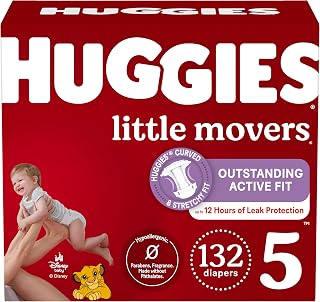
Huggies is another established diaper-care brand commonly considered by parents. When comparing Huggies with competing products, evaluate the particular diaper line, size range, fastening design and pack quantity rather than comparing brand names alone.
The Honest Company is another brand that may appeal to shoppers who place greater emphasis on material and formulation preferences. As with any brand, review the current product specifications and ingredient information for the exact product being considered.
The simplest way to compare diaper prices is to calculate the cost per diaper. Divide the total purchase price by the number of diapers in the package.
For example, a package costing $30 with 120 diapers has a nominal cost of $0.25 per diaper. A $24 package containing 80 diapers costs $0.30 per diaper. The second package has the lower checkout price but the higher unit cost.
For a more realistic comparison, also consider whether the diapers fit properly and how frequently they need to be changed. A product with a slightly higher unit price can still represent better value if it performs better for the intended use.
Bulk purchasing can be attractive for households with predictable diaper usage, but diapers are not an ideal bulk purchase at every stage. Babies can move between sizes quickly, and a large quantity of an unsuitable product creates waste rather than savings.
For a new diaper size, consider purchasing a smaller quantity first. Once the fit and performance are established, a larger pack can make more sense when the unit price is genuinely lower.
Storage is another consideration. Diaper packages are bulky, and households should keep them in a clean, dry location where packaging will not be damaged.
Canadian shoppers should compare the exact same product variant whenever possible. Product names can look similar while pack quantities and sizes differ.
For affiliate shopping research, it is also sensible to compare the manufacturer's specifications with current retailer listings. This helps identify differences in package size, product version or regional packaging.
Recurring diaper purchases can reduce the effort involved in maintaining supplies, but shoppers should understand the terms before relying on a subscription. Prices, available sizes, delivery schedules and cancellation conditions can change.
A subscription should be evaluated on the current effective unit price rather than on the existence of a subscription discount alone. If the baby's size is changing rapidly, flexibility may be more valuable than committing to a large recurring shipment.
Some babies can use the same diaper during the day and overnight, while others benefit from a product specifically designed for longer wear. The decision should be based on actual needs rather than assuming that an overnight-labelled product is always necessary.
If nighttime leakage is a recurring problem, first check sizing and fit. If the diaper is correctly positioned and appropriately sized, compare products that emphasize extended absorbency or overnight use.
Newborn diaper shopping is different from buying diapers for an older baby because fit can change rapidly during the first weeks. Cord-area clearance, softness, fastening flexibility and small-size fit can be especially relevant.
It is usually sensible to avoid purchasing an excessive supply of newborn-sized diapers before knowing which size will fit comfortably. Babies vary considerably in birth size and growth rate.
As babies become more mobile, fit and flexibility become increasingly important. Crawling, standing and walking create more movement around the waist and legs, so a diaper that worked well for a less mobile baby may not remain the preferred option.
For toddlers, caregivers may also begin comparing pull-on styles with conventional tab-fastened diapers. Pull-on designs can be convenient during standing changes, while conventional diapers can offer greater adjustability for some children.
Neither format is universally superior. The right choice depends on the child's movement, caregiver preferences and the fit offered by the specific product.
Environmental claims require careful comparison because terms such as “eco-friendly,” “plant-based” and “sustainable” can refer to different aspects of a product. A diaper can contain selected plant-derived materials while still using other synthetic components.
Look for specific information about materials, packaging, manufacturing claims and disposal instructions. Avoid assuming that a sustainability claim means the product is compostable or biodegradable unless the manufacturer clearly states the relevant qualification and conditions.
Customer reviews can provide useful information, but they should be interpreted carefully. Look for repeated observations rather than isolated complaints or enthusiastic comments.
Pay particular attention to comments mentioning fit, leakage, sizing accuracy, fastening tabs, package quantity, changes in product design and differences between diaper sizes. Reviews written for a different size may not accurately describe the fit of the size you intend to buy.
Be cautious with reviews that do not identify the product size, provide very little detail or appear to discuss a different variant.
A complete diaper-care purchase may involve more than diapers. Planning the supporting products can make changes faster and reduce last-minute purchases.
A diaper bag should be packed according to the length and type of outing rather than simply carrying the maximum possible amount. For short trips, a compact supply can be sufficient. Longer outings may require additional diapers, wipes and spare clothing.
Canada's varied climate means diaper-care routines may differ significantly by season and region. During colder months, caregivers may need to account for additional clothing layers when changing a baby away from home. In warmer weather, ventilation, storage conditions and keeping wipes or creams at a practical temperature can become more relevant.
For families travelling in winter, maintaining an adequate supply in the diaper bag can be particularly useful because unexpected delays can make a quick resupply more difficult. For summer travel, protect diaper-care products from excessive heat and follow the storage recommendations supplied by the manufacturer.
Diaper-care products should be used according to their manufacturer's instructions. Caregivers should wash their hands appropriately and keep changing surfaces clean.
Never leave a baby unattended on an elevated changing surface. Keep creams, wipes, disposable bags and other small or potentially hazardous items out of a child's reach when they are not being actively used.
Dispose of used diapers and wipes according to local waste-management requirements. Products described as flushable should still be evaluated carefully against local plumbing and wastewater guidance rather than assuming that flushing is appropriate in every situation.
Premium diapers often emphasize additional features such as specialized fit, softness, material preferences or enhanced absorbency. Budget diapers can provide a practical solution when the fit and performance are already suitable.
The smartest choice is not necessarily the product with the most features. Compare the features that matter to your household against the additional cost. If a lower-priced diaper fits well and performs reliably, paying more may offer little practical benefit.
Prioritize correct sizing, dependable fit and low cost per diaper. Avoid paying extra for features that you do not need. Compare larger packs only after confirming that the size is appropriate for continued use.
Compare established brands and different product lines for the best combination of absorbency, fit and comfort. This is also a useful range for comparing targeted products for daytime and nighttime use.
Consider material preferences, specialized fit, advanced absorbency features and other characteristics that are genuinely important to your household. Premium pricing should still be compared against the actual specifications and unit cost.
A smart buy balances five major factors: fit, performance, comfort, practicality and price. Discounts are useful only when the underlying product is appropriate for the baby.
Use this checklist whenever you compare two or more diaper products in Canada.
There is no universal schedule for changing diaper brands or product types. Reassess when the baby's size changes, leakage becomes frequent, the fit becomes uncomfortable, the household's budget changes or a different product offers a meaningful improvement.
When switching products, change one major variable at a time where practical. This makes it easier to determine whether a new diaper, wipe or skin-care product is responsible for a noticeable difference.
Words such as “advanced,” “premium,” “ultra,” “gentle” and “super absorbent” can help describe a product but do not provide enough information for a meaningful comparison on their own. A stronger buying decision comes from examining measurable or clearly stated characteristics such as diaper count, size, materials, fastening construction and intended use.
For affiliate content, independent comparison is particularly important. A recommendation should be based on the product's stated specifications and suitability for the reader's needs rather than on promotional language.
For newborns, prioritize fit, comfort and appropriate sizing. For active babies, focus on flexibility and secure leg and waist fit. For nighttime use, compare absorbency and longer-wear characteristics. For toddlers, consider whether tab-style diapers or pull-on pants are more convenient.
For households focused primarily on value, calculate the cost per diaper and compare equivalent products. For shoppers with material preferences, read the complete product specifications and ingredient information. For environmentally conscious buyers, examine specific sustainability claims rather than relying on broad labels.
There is no single best diaper brand for every Canadian family. Pampers, Huggies, The Honest Company and other brands offer different product lines and fit characteristics. The best choice is the one that provides an appropriate fit, reliable performance and acceptable cost for your baby's needs.
Calculate the price per diaper by dividing the package price by the number of diapers. Then compare products with the same size and similar intended use. Also consider fit and performance because the lowest unit price is not necessarily the lowest overall cost.
Not necessarily. Higher-priced diapers may offer features that are valuable to some households, but a less expensive diaper can be the better purchase if it fits properly and performs reliably.
Bulk purchases can provide a lower unit cost, but only when you are confident about the size and product. Avoid buying a very large supply when a baby is likely to move to another size soon.
Use the manufacturer's current size and weight guidance as a starting point, then evaluate the actual fit. If there are persistent gaps, tight marks or leakage, reassess the size and product design.
They can be useful for babies who need greater absorbency during longer nighttime periods. If standard diapers already provide suitable overnight performance, a dedicated overnight product may not provide enough additional value to justify the extra cost.
Compare the ingredient list, fragrance status, sheet thickness, packaging, moisture retention and price per wipe. If skin sensitivity is a concern, pay particular attention to the product's formulation and use the manufacturer's information as the primary reference.
Start by checking the diaper's size and positioning. Make sure the leg cuffs are unfolded and the diaper is securely fastened. If leakage continues, compare a different size or product design rather than assuming that increased absorbency alone will solve the problem.
You can compare the same brand, but individual fit varies. A diaper that works well for another baby may not have the same fit or performance for your child. Use another person's recommendation as a starting point rather than a guarantee.
Look for repeated comments about fit, leakage, sizing and comfort, and check whether reviewers are discussing the same product size and variant. Recent, detailed reviews are generally more useful for understanding the current product than isolated comments with little context.
Not automatically. Environmental claims differ between products, and a diaper containing plant-derived materials is not necessarily biodegradable or compostable. Check the manufacturer's specific claims and disposal instructions.
Consider moving up when the current size becomes consistently tight, leaves significant marks, develops repeated leakage or no longer provides adequate coverage. Always compare the manufacturer's sizing guidance with the actual fit.
They can be convenient and may offer savings, but compare the effective cost per diaper and review the subscription terms. Flexibility can be especially important when a baby is growing quickly and may soon need another size.
Changing frequency varies with the baby's age, feeding pattern, sleep schedule and individual needs. Follow appropriate infant-care guidance and change diapers regularly rather than waiting for a product to become excessively saturated.
Review the products being used, keep the area clean and dry, and follow appropriate infant skin-care guidance. If irritation is persistent, severe, worsening or unusual, seek advice from a qualified healthcare professional.
Before choosing a diaper-care deal in Canada, confirm the exact product, size and package quantity. Calculate the current cost per diaper, compare fit and absorbency characteristics, review materials and ingredients when relevant, and check recent customer feedback for the same product variant.
Most importantly, do not let a large discount determine the purchase by itself. The strongest diaper-care value comes from a product that fits properly, performs reliably, meets your household's preferences and remains reasonably priced over the period in which you expect to use it.
Because prices, promotions, pack sizes, product formulations and retailer availability can change during 2026, verify the current specifications and purchasing terms before completing an order.