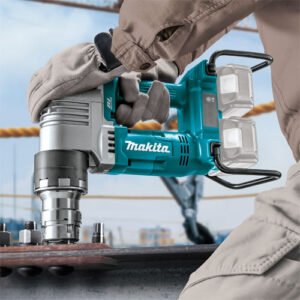


♥ Wishlist
Compare 60 Cordless Shear Wrench products in Canada. Reviews, ratings, pros, cons and buying advice updated for October 2026.


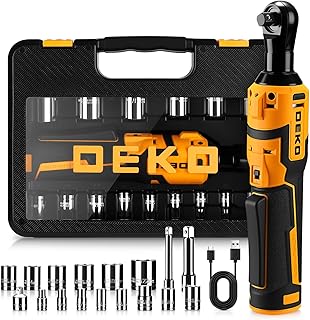


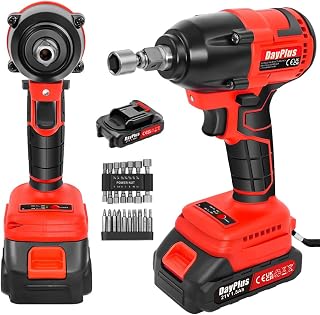


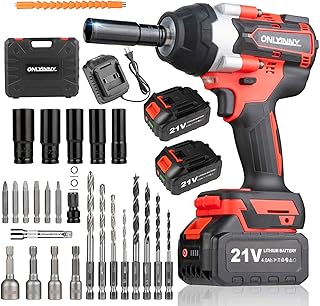


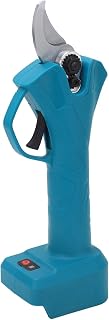


A cordless shear wrench is a specialised power tool designed for controlled installation of structural fastening systems, particularly applications where a bolt must be tightened to the required condition and the excess spline or pintail is then removed. Unlike a conventional cordless impact wrench, a shear wrench is built around the requirements of tension-control or twist-off style structural bolts. That distinction matters when comparing tools marketed for construction, steel erection, structural fabrication and heavy-duty fastening.
For Canadian buyers, the best choice is not necessarily the wrench with the highest advertised torque. Battery platform compatibility, bolt capacity, tool weight, drive and nose configuration, reaction mechanism, charger availability, operating environment and the manufacturer's specified fastening range can have a greater effect on productivity. A tool that matches the fastener system and the crew's existing batteries can be a considerably smarter purchase than a more powerful model that is poorly suited to the application.
A cordless shear wrench is a battery-powered structural fastening tool that combines tightening and pintail removal in one operation when used with compatible shear-type structural bolts. During installation, the wrench applies the required tightening action to the fastener. Once the specified condition is reached, the tool's mechanism shears or twists off the bolt's spline, leaving the installed fastener in its intended configuration.
This makes the tool fundamentally different from a standard impact wrench, ratchet or general-purpose torque wrench. A conventional impact wrench may be suitable for many nuts and bolts, but it should not automatically be treated as a substitute for a purpose-built structural shear wrench. The correct tool depends on the bolt system, manufacturer's installation requirements and the applicable structural specifications.
If your project involves structural steel connections, do not select a tool solely because its maximum torque appears sufficient. Confirm that the tool is specifically compatible with the fastener type and installation method required by the project.
Start with the structural bolt sizes you actually need to install. Manufacturers normally specify an applicable bolt or fastener range. A wrench intended for one diameter range may not be appropriate for a larger or smaller fastening system.
Check the complete specification rather than relying on a product title. Important details can include bolt diameter, bolt length limitations, fastener grade or system compatibility and the required nose assembly. If your work regularly covers multiple sizes, determine whether interchangeable noses or accessories are available for the specific tool.
Torque is an important specification, but maximum torque by itself is a poor method of ranking shear wrenches. Structural fastening performance depends on the complete fastening system, including the bolt, nut, tool, nose assembly and installation procedure.
When comparing two models, look for the manufacturer's specified application range and installation capability rather than simply selecting the model with the largest numerical torque rating. A tool should provide adequate capacity for the fasteners used on the job without being unnecessarily oversized for the work.
For cordless tools, the battery system can be as important as the wrench itself. If your workshop already uses a professional battery platform, staying within that ecosystem can reduce the number of chargers and battery types required on site.
Common professional cordless ecosystems include Milwaukee M18, DEWALT 20V MAX, Makita 18V LXT and Bosch Professional battery platforms. Availability of a suitable shear wrench, battery capacity, charger options and other compatible tools should all be considered before choosing a platform specifically for this application.
Do not assume that batteries with similar voltage labels are interchangeable. Battery compatibility is determined by the manufacturer's platform and tool design, not simply by the nominal voltage printed on the pack.
Battery capacity affects how long the tool can operate between charging sessions, but larger batteries can also increase overall tool weight. For overhead steel erection or repetitive fastening, that additional weight can become significant.
Compare the manufacturer's recommended battery types and consider how the wrench will actually be used. A crew working continuously throughout a shift may benefit from multiple battery packs and fast charging, while occasional maintenance work may not require the largest available capacity.
Weight is easy to overlook when reading specifications, especially when a tool is marketed around high power. A heavy structural wrench may be tiring during repetitive work, awkward overhead and more difficult to position accurately.
Evaluate the complete working weight, including the battery and required nose assembly. A lighter tool can be advantageous for frequent repositioning, while a larger model may be appropriate where higher fastening capacity is the primary requirement.
The nose assembly is central to a shear wrench's functionality. Check whether the supplied configuration matches the fasteners you intend to install and whether additional noses are available when different bolt sizes are required.
Access is equally important. Structural connections can place bolts in confined areas, between plates or close to other members. Examine the physical dimensions and working orientation of the wrench instead of considering torque and battery specifications in isolation.
Fastening tools can generate substantial reaction forces. A well-designed handle and appropriate reaction arrangement can make the tool easier to control during repeated use.
Look for specifications and manufacturer instructions concerning reaction components, operating position and safe handling. Never modify a reaction mechanism or use an accessory outside its intended application merely to make a tool fit a particular connection.
Many current professional cordless tools use brushless motors. Brushless designs can offer useful advantages in modern battery-powered equipment, including electronic motor control and reduced brush wear. However, brushless construction alone does not establish that one shear wrench is better than another.
Compare the complete tool specification, warranty terms, battery ecosystem, service arrangements, application range and manufacturer documentation rather than treating the motor type as the deciding factor.
Depending on the model, electronic controls may help manage motor operation, battery protection or other tool functions. Some professional cordless tools also provide monitoring, diagnostic or connectivity features.
These functions can be useful in demanding work environments, but they should be evaluated according to the project's actual requirements. Additional electronics are most valuable when they solve a genuine operational or maintenance problem rather than simply adding complexity.
Cordless operation eliminates the need to position an electrical power cable or pneumatic hose around the immediate fastening area. That can make a tool easier to move between connections and can simplify work where compressed air or mains electricity is inconvenient.
The benefit is particularly relevant for mobile construction crews and jobs where fastening locations change frequently. However, cordless operation also introduces battery-management requirements. A professional purchasing decision should therefore consider the number of batteries required for the intended shift, charging infrastructure and access to replacement packs.
Cold weather deserves additional attention in Canada. Lithium-ion batteries can experience reduced performance in low temperatures, and the practical effect can vary with battery design, charge level, workload and storage conditions.
For outdoor construction in winter, battery logistics can have a direct effect on productivity. A tool that performs well in the workshop may require a different battery-management routine when used on a cold steel structure.
The correct installation method depends on the structural fastener system specified for the project. Tension-control bolts, twist-off bolts and other structural fastening systems have specific installation procedures that should be followed according to the applicable product documentation and project requirements.
Do not substitute a conventional torque setting for a specified structural fastening procedure without confirmation from the responsible engineer, fastener manufacturer or applicable project documentation. Torque alone does not universally represent bolt tension because friction, lubrication, thread condition and other variables can affect the relationship between torque and tension.
One of the most important concepts for buyers is that applied torque and resulting bolt tension are related but not identical. Friction at the threads and bearing surfaces consumes a substantial portion of the applied torque. Changes in lubrication, surface condition and fastener characteristics can therefore affect the final clamping force.
This is one reason structural fastening systems often use installation procedures specifically developed for the fastener rather than treating every connection as an ordinary nut-and-bolt assembly.
A professional cordless shear wrench is likely to encounter repeated mechanical loads, dust, metal particles, impacts from job-site handling and demanding working positions. Buyers should therefore examine the construction and serviceability of the complete tool.
The outer housing should be evaluated for practical job-site durability, while the internal gear train is responsible for transferring motor power to the fastening mechanism. Manufacturer documentation may identify materials, protection features or service requirements.
Rather than judging durability from appearance alone, compare the manufacturer's intended application, service documentation, replacement-part availability and warranty conditions.
Grip shape, handle position and trigger placement become increasingly important during repetitive fastening. A tool that is comfortable for a few connections may feel very different after several hours of work.
Consider whether the tool can be comfortably positioned with gloves, whether controls are easy to reach and whether the battery location interferes with access around structural members.
When researching cordless structural fastening equipment, it is reasonable to compare established professional tool manufacturers alongside specialist fastening-tool manufacturers. Names such as Milwaukee, DEWALT, Makita, Bosch, Metabo HPT and Ingersoll Rand can be useful starting points when researching professional cordless fastening equipment, but brand recognition should not replace checking the specifications of the exact model.
A familiar brand may be particularly attractive if your existing workshop already uses its battery platform. Conversely, a specialist structural-tool manufacturer may offer a tool designed around a narrower fastening application. The best purchase depends on compatibility with the actual work rather than the logo on the housing.
When two models appear similar, use a structured comparison rather than relying on headline marketing claims.
A very high torque figure does not automatically make a tool suitable for structural shear-bolt installation. Application compatibility should come first.
Battery-powered tools are often advertised without encouraging buyers to consider the weight of the battery and working attachment. Compare the configuration you will actually carry on the job.
The initial tool price is only part of the purchase. If you do not already own the required batteries and charger, calculate the complete setup needed for practical use.
A cordless impact wrench and a cordless shear wrench can both be powerful fastening tools, but they serve different purposes. Verify the specified fastening method before choosing between them.
The wrench itself may be suitable while the supplied nose configuration is not. Confirm the required accessories before ordering.
Professional tools eventually require inspection, cleaning, maintenance or repair. Consider the availability of manufacturer-supported service and replacement components before making a long-term purchasing decision.
Steel erection places unusual demands on fastening equipment because tools may be used at height, in changing weather and around large structural members. Mobility, battery management, physical access and operator handling can be just as important as raw output.
For this type of work, compare the tool's fastening range with the project's bolt schedule. If multiple structural bolt sizes are specified, determine whether one wrench and interchangeable accessories can cover the required work or whether separate tools are more practical.
A fabrication shop may place greater emphasis on repeatability, workflow efficiency and serviceability. Since connections may be performed at a workbench or in a controlled shop environment, battery logistics can be easier than on an outdoor construction site.
However, repeated use makes ergonomics and maintenance especially important. Compare the manufacturer's recommended service intervals and inspect the tool design for areas where metal debris or dust could accumulate.
A purpose-built shear wrench can be excessive for buyers who only need a general-purpose fastening tool. If your projects do not involve compatible structural shear bolts, a conventional cordless impact wrench may be a more versatile category to investigate.
The correct approach is to identify the fastener system first and then select the tool. Purchasing a specialised structural tool before confirming that your projects require it can result in unnecessary expense and equipment that is rarely used.
Structural fastening tools should be operated according to the manufacturer's instructions and the requirements of the project. Always use the correct nose assembly and accessories for the fastener system.
Regular maintenance can help preserve tool performance and identify problems before they interrupt a project. The exact maintenance schedule should always come from the manufacturer.
Customer reviews can be useful, but they should be interpreted carefully. Look for comments that provide specific information about the intended application rather than relying on general statements such as "powerful" or "great tool."
Give greater weight to detailed reviews that identify the application, fastener system and exact tool configuration. A review of a general-purpose impact wrench should not be treated as evidence about a specialised shear wrench.
A discounted cordless shear wrench is not necessarily a better value than a normally priced model. When comparing deals, calculate what is included in the package and whether you will need to purchase additional batteries, a charger, nose assemblies or other accessories.
Pay particular attention to the distinction between a bare tool and a kit. A lower advertised price may represent the tool only, while a higher-priced kit may include batteries and charging equipment. Compare the complete equipment required for your intended use.
Also verify the exact model number. Similar-looking tools can have substantially different fastening capacities, battery systems or included accessories.
Canadian buyers should consider more than the product specification displayed on a listing. Before purchasing, verify that the exact model and configuration are appropriate for the Canadian market and that the required batteries, chargers and accessories are available through legitimate retail or manufacturer-supported channels.
Use the following checklist when comparing shortlisted models from different manufacturers:
The best model depends on the structural fastener system, bolt sizes, working environment, battery platform and required accessories. There is no single model that is automatically the right choice for every Canadian steelwork application. Start with the project's specified fastener and installation procedure, then compare tools that meet those requirements.
Not automatically. An impact wrench is a general-purpose fastening tool, while a shear wrench is designed for a specific class of structural fastening applications. If the project specifies a shear-type or tension-control fastening system, use the installation method and equipment specified for that system.
They can be particularly useful where mobility is important, provided the selected model is designed for the intended structural fasteners and working conditions. Battery planning becomes an important consideration for crews working long shifts away from convenient charging facilities.
No. Maximum torque should not be used as the only buying criterion. Fastener compatibility, installation method, tool capacity, weight, access, battery system and manufacturer specifications are all important.
There is no universally best voltage. The appropriate platform is the one that provides the required tool capacity and runtime while fitting the manufacturer's specifications and your existing equipment ecosystem. Battery voltage alone does not determine overall tool suitability.
No. Larger-capacity batteries can provide more operating capacity between charges, but they can also add weight. For repetitive or overhead fastening, the balance between runtime and tool handling can be more important than maximum battery capacity.
If you already own compatible batteries and a charger, a bare tool may make sense. If you are entering a new battery platform, compare the total cost of the tool, batteries, charger and required accessories rather than comparing bare-tool prices.
Check the exact model number, fastener range, included accessories, battery configuration, charger inclusion, weight, manufacturer documentation and warranty information. Product photographs and short marketing descriptions should not be treated as substitutes for the full specification.
Weight can be extremely important when a tool is used repeatedly or overhead. Compare the working weight with the battery and required nose assembly, not merely the bare-tool weight.
Milwaukee, DEWALT, Makita, Bosch, Metabo HPT and Ingersoll Rand are among the established names worth researching across professional cordless and fastening equipment categories. Availability of a suitable shear-wrench model, however, varies by manufacturer and application, so always verify the exact product specification.
Follow the maintenance and service schedule specified by the manufacturer. Usage intensity, operating conditions and the particular tool design can affect maintenance requirements. Heavy professional use may warrant more frequent inspection than occasional use.
Cold conditions can affect battery performance and charging behaviour. Follow the battery and tool manufacturer's operating, storage and charging instructions, and plan battery rotation appropriately for outdoor winter work.
The smartest way to buy a cordless shear wrench in Canada is to work backwards from the fastening job rather than forwards from the product's headline specifications. Identify the exact structural fastener system, required bolt sizes and installation procedure first. Then compare compatible tools based on fastening capacity, battery platform, operating weight, access, nose configuration, serviceability and total ownership requirements.
For professional buyers, battery compatibility and job-site ergonomics can make a substantial difference to day-to-day productivity. For occasional users, the more important question may be whether a specialised shear wrench is actually necessary. And for anyone comparing 2026 deals, the complete package matters: tool, battery, charger, nose assembly, accessories, warranty and long-term service should all be considered together.
Before making a purchase, compare the latest specifications for the exact model, review verified customer feedback where available, check the manufacturer's documentation and confirm that the configuration is suitable for your structural fastening application in Canada. A careful specification-based comparison is a more reliable way to identify a smart buy than choosing solely by price, brand name or maximum torque.