

♥ Wishlist
Compare 6 Shop Cordless Jigsaws for Precise, Portable Cutting products in Canada. Reviews, ratings, pros, cons and buying advice updated for October 2026.
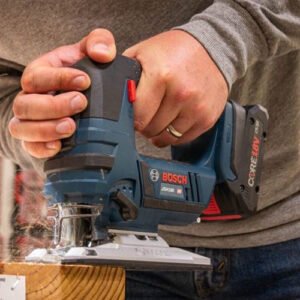
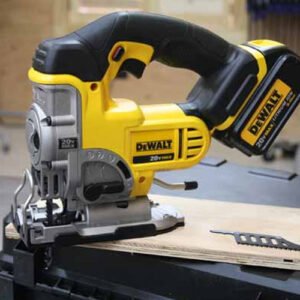
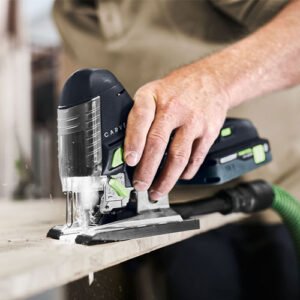
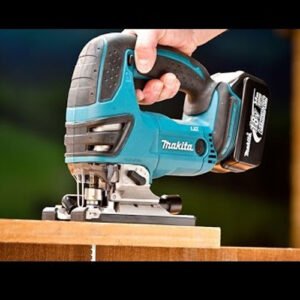
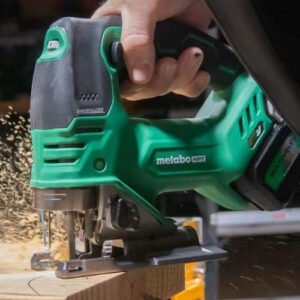
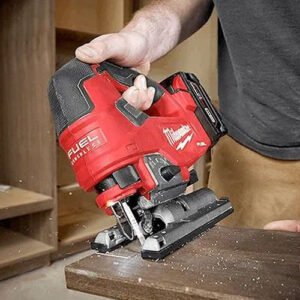


A cordless jigsaw can be one of the most versatile portable cutting tools in a workshop, garage, renovation project or jobsite. Unlike a corded model, a battery-powered jigsaw does not require a nearby electrical outlet, making it easier to move around a work area and particularly convenient for cutting sheet goods, timber, laminates and other compatible materials. However, cordless convenience should not be the only factor in a buying decision.
The best cordless jigsaw for one Canadian buyer may not be the right choice for another. A homeowner completing occasional DIY projects may prioritise low weight, straightforward controls and an affordable battery platform, while a professional tradesperson may need stronger cutting performance, longer runtime, tool-free blade changes, effective dust extraction and compatibility with batteries already owned.
When comparing cordless jigsaws, consider the complete system rather than the bare tool alone. Battery voltage, battery capacity, motor performance, stroke rate, stroke length, orbital action, cutting capacity, shoe design, blade compatibility, visibility of the cut line and vibration control can all influence how effectively the tool performs.
A smart purchase is not necessarily the cheapest cordless jigsaw available. It is the model that provides the combination of features, performance, compatibility and ownership costs that best match the intended workload.
For Canadian shoppers, battery compatibility deserves particular attention. Cordless power-tool manufacturers generally build families of tools around shared battery platforms. If you already own compatible batteries and a charger from brands such as DeWalt, Makita, Milwaukee, Bosch, Ryobi or another established manufacturer, purchasing a jigsaw from the same platform can reduce the need to buy another battery and charger.
Battery voltage is one of the specifications buyers commonly use to compare cordless jigsaws, but it should not be treated as a direct measurement of cutting performance. A higher nominal voltage does not automatically mean that one jigsaw will outperform every lower-voltage model.
Motor design, electronic controls, battery condition, blade selection, cutting technique and the material being cut all affect practical performance. For this reason, compare the manufacturer's complete specifications rather than relying on a single voltage number.
Battery capacity is commonly expressed in amp-hours, or Ah. In general terms, a higher-capacity battery can provide more stored energy, although actual runtime varies according to workload, material, blade type, cutting speed and operating conditions.
A larger battery may also add weight. For detailed woodworking where the jigsaw is held for extended periods, the lightest suitable battery can sometimes provide a more comfortable experience. For demanding cutting where runtime is more important, a higher-capacity pack may be more practical.
Many cordless power tools are sold as bare tools without a battery or charger. Others are packaged as complete kits. The difference can substantially affect the total purchase cost.
Before comparing advertised deals, check exactly what is included. A lower-looking tool price can become less attractive if a compatible battery and charger must be purchased separately.
Cutting capacity is more useful than marketing language when deciding whether a jigsaw suits your projects. Manufacturers commonly specify maximum cutting depths for materials such as wood and metal, but these figures should be interpreted within the conditions stated by the manufacturer.
If your typical projects involve plywood, dimensional lumber, shelving, flooring materials or workpieces with varying thicknesses, compare the manufacturer's stated wood-cutting capacity with your requirements. For metal cutting, use the relevant metal-cutting specification rather than assuming the wood rating applies.
Jigsaws are particularly useful for curved cuts, openings, notches and other shapes that are difficult to create with a straight-cutting saw. Blade selection has a major effect on the finish and cutting speed.
A coarse blade may remove material quickly but can leave a rougher edge, whereas a finer blade can be better suited to cleaner cuts in appropriate materials. The correct blade also depends on the material composition and thickness.
A cordless jigsaw can cut certain metal materials when equipped with an appropriate metal-cutting blade and operated according to the manufacturer's instructions. Metal cutting generally requires different blade characteristics and cutting practices from wood cutting.
Do not use the maximum advertised wood-cutting depth as an indication of metal-cutting capability. Always check the manufacturer's specifications for the particular material and thickness.
The jigsaw's stroke mechanism moves the blade up and down. Two specifications that help describe this movement are stroke length and strokes per minute.
Stroke length describes how far the blade travels during each reciprocating cycle. Strokes per minute, often abbreviated as SPM, describes how frequently those cycles occur.
These specifications can help buyers understand how a jigsaw is configured, but they should be considered alongside motor control, orbital settings, blade design and the manufacturer's cutting specifications. A larger numerical rating is not automatically better for every application.
Variable-speed control is valuable because different materials and cutting situations can benefit from different blade speeds. A controlled, slower setting may be preferable for certain delicate materials or when beginning a cut, while higher speeds can be useful for appropriate wood-cutting applications.
A jigsaw with a responsive variable-speed trigger can also make it easier to control the tool when starting a cut. Some models provide additional electronic speed settings or controls that allow users to establish a preferred operating range.
Orbital action changes the blade's movement so that it travels with an additional forward-and-back component during the cutting cycle. Depending on the tool and setting, this can increase cutting aggressiveness and speed.
Higher orbital settings can be useful for faster cutting in suitable materials, while lower orbital settings can favour control and potentially cleaner results. Some jigsaws allow the orbital action to be adjusted through several positions, while others provide fewer choices.
If your projects range from rough construction cuts to more precise woodworking, adjustable orbital action can be a useful feature because it gives you more control over how the tool behaves.
A cordless jigsaw is only as useful as the blades available for the work you intend to perform. Before purchasing, identify the blade system used by the model and check the availability of compatible blades in Canada.
Common jigsaw blade designs include T-shank systems, although compatibility should always be confirmed with the specific tool. Blade tooth configuration, tooth spacing, blade material and blade length can all affect the cutting result.
Using a sharp, suitable blade can make a greater difference to cutting quality than simply upgrading to a more powerful tool. A worn blade can increase cutting effort, reduce control and produce poorer results.
A tool-free blade-change mechanism is one of the most useful convenience features on a modern cordless jigsaw. It can save time when switching between blades designed for different materials or when replacing a worn blade.
When comparing models, look at how securely the blade is held, how straightforward the release mechanism appears to be and whether the system is compatible with the blades you intend to use.
The jigsaw shoe supports the tool against the workpiece and helps maintain the intended cutting angle. Many models allow the shoe to be tilted for bevel cuts.
A secure adjustment mechanism is important because unwanted movement can affect the accuracy of an angled cut. If you frequently create mitres, bevels or angled openings, pay close attention to the available bevel range and the way the shoe is locked in position.
Weight is particularly important for a handheld cutting tool. A heavier jigsaw may feel substantial and stable, but it can become tiring when making numerous cuts or working above a comfortable bench height.
Balance matters as well. A tool with a comfortable centre of gravity can be easier to guide along a marked line. Handle shape, grip texture, trigger position and switch placement all contribute to how naturally the tool can be controlled.
If possible, compare the complete operating weight with the battery attached rather than considering the bare-tool weight alone. Battery size can materially change the balance of a cordless jigsaw.
Reciprocating cutting naturally produces movement, but manufacturers may incorporate design features intended to reduce vibration transmitted to the user. Reduced vibration can make prolonged use more comfortable and may help with control.
Do not evaluate vibration solely from marketing descriptions. Consider the overall design, weight distribution, handle geometry and intended workload. For frequent use, comfort features become more important because small ergonomic differences can become noticeable over a long work session.
An integrated LED can illuminate the work area around the blade, which may be useful in workshops, garages or jobsite conditions where ambient lighting is less than ideal.
Visibility also depends on the shape of the shoe, blade guard, dust accumulation and the user's viewing position. A bright LED cannot compensate for a poorly positioned sightline, so evaluate lighting as one part of the overall cut-line visibility system.
Cutting wood and sheet materials can produce significant dust and debris. A jigsaw that supports dust extraction can help manage the cutting area when connected to a compatible extraction system, where supported.
Dust management can also improve visibility around the cutting line. However, extraction performance depends on the tool, adapter or port design, extraction equipment, material and cutting conditions.
Brand selection can be useful when comparing cordless jigsaws, particularly when you want to build a broader power-tool collection around a common battery platform. Established tool manufacturers such as DeWalt, Makita, Milwaukee, Bosch, Ryobi, Metabo HPT and other major brands offer cordless equipment across different user categories.
However, brand recognition alone should not determine your purchase. Compare the specific jigsaw model, battery platform, included accessories, specifications, ergonomics and intended workload.
DeWalt is a major power-tool brand with a broad cordless ecosystem. Buyers considering a DeWalt jigsaw should pay particular attention to battery-platform compatibility, whether the listing is for a bare tool or kit, and the specific specifications of the model being considered.
Makita has a long-established range of cordless and corded power tools. When comparing a Makita jigsaw, consider the battery system already used in your workshop, the model's ergonomics and the manufacturer's stated cutting and control features.
Milwaukee offers cordless tools aimed at demanding professional and trade applications as well as broader workshop use. Buyers should compare individual jigsaw specifications rather than assuming that all models within a brand provide the same features or performance.
Bosch is another established name in cutting and power tools. A Bosch cordless jigsaw may appeal to buyers who value tool ergonomics, cutting control and integration with a compatible battery system. Verify battery compatibility carefully because different tool families may use different battery systems.
Ryobi is widely associated with cordless tools designed for homeowners, DIY users and general workshop applications. If you already own compatible Ryobi batteries and chargers, a Ryobi jigsaw can be worth comparing because battery-platform compatibility may reduce the need to purchase additional charging equipment.
For occasional DIY work, avoid paying for professional-grade features that you will rarely use. Instead, focus on a balanced combination of cutting capacity, manageable weight, comfortable handling, useful speed control and a battery system that fits your existing tools or future plans.
Woodworkers often have different priorities from users performing rough construction cuts. For cabinetry, shelving, furniture components and decorative shapes, control and cut quality can be more important than maximum cutting speed.
Look for a stable shoe, precise bevel adjustment, useful speed control, low vibration and a blade system with a wide selection of suitable fine-cutting blades. Dust management and visibility can also become increasingly important when making detailed cuts.
Remember that a jigsaw is not normally the first choice for every perfectly straight cut. For long, precise straight cuts, a suitable circular saw, track saw or table saw may be more appropriate depending on the project and available equipment.
Renovation work can involve a mixture of materials and cutting conditions. A cordless jigsaw can be useful for trimming panels, cutting openings, shaping timber and handling tasks where bringing a larger saw into position is inconvenient.
For renovation work, portability, battery availability and blade versatility can be especially valuable. Keep several suitable blade types available rather than expecting one blade to provide an ideal result across every material.
Voltage is useful for identifying a battery system and general tool category, but it should not be used as the sole measure of cutting ability. Compare the entire specification set.
A bare tool can appear inexpensive until the cost of a compatible battery and charger is added. Calculate the complete setup before deciding which deal offers better value.
The highest-capacity battery is not necessarily the best choice for every user. Extra capacity can mean additional weight, which may matter when performing detailed or prolonged cutting.
Different materials require different blade designs. A blade intended for fast wood cutting may not be appropriate for metal, laminate or fine-finish work.
A jigsaw depends on the shoe remaining securely positioned against the workpiece. An unstable or poorly adjusted shoe can make accurate cutting more difficult.
Excessive pressure can reduce control and place unnecessary stress on the blade and tool. Let the blade cut at a suitable pace for the material and selected blade.
A jigsaw is a long-term purchase, so check whether appropriate replacement blades are readily available from reputable retailers in the Canadian market.
When two models appear similar, use a structured comparison rather than relying on headline specifications.
A genuine value comparison should consider the complete package rather than the headline discount. Product listings can differ in whether they include a battery, charger, case, blades or other accessories.
Before choosing a deal, verify the exact model number and package contents. Closely related models can have similar names while differing in battery compatibility, included accessories or specifications.
Customer reviews can provide useful information that specifications do not fully communicate, but they should be evaluated carefully. Look for repeated observations rather than treating a single review as proof of a product's overall quality.
Useful review topics include battery life under comparable workloads, comfort, blade changes, shoe stability, dust handling, cut-line visibility and ease of use. Reviews are more informative when the reviewer describes the actual material and task rather than simply giving a rating.
Basic maintenance can help keep a cordless jigsaw operating reliably. Always follow the manufacturer's maintenance instructions for the specific model.
The battery is one of the most important components in a cordless tool system. Correct charging, storage and handling practices should follow the battery manufacturer's instructions.
Use only batteries and chargers approved for the particular tool platform. Avoid mixing incompatible battery systems or using damaged battery packs. If a battery shows unusual physical damage or other signs of a serious problem, follow the manufacturer's safety guidance rather than attempting an improvised repair.
A cordless jigsaw is a powerful cutting tool and should be operated with appropriate care. Read the manufacturer's instructions before first use and select personal protective equipment suitable for the task and material.
The main advantage of a cordless jigsaw is freedom from a power cable. This can be particularly useful when working outdoors, moving between rooms or working in locations where access to mains electricity is inconvenient.
A corded jigsaw can remain attractive for users who work close to a reliable power outlet and want to avoid battery charging or additional battery purchases. The right choice depends on how and where the tool will be used.
A jigsaw and circular saw serve different purposes. A circular saw is generally better suited to longer straight cuts, while a jigsaw is especially useful for curved cuts, openings, notches and detailed shapes.
For a workshop that performs a variety of cutting tasks, the two tools can complement each other. Choose based on the type of cuts you actually make rather than expecting one saw to replace every other cutting tool.
Although both tools use reciprocating blades, their designs and intended applications are different. A jigsaw uses a shoe to support the tool against the workpiece and is commonly used for controlled shaping and cutting. A reciprocating saw is generally designed around more aggressive freehand cutting and demolition-oriented applications.
If accurate curved cuts in sheet goods or woodworking materials are the priority, a jigsaw is usually the more appropriate category to investigate.
Brand reputation can help reduce uncertainty, particularly when choosing a cordless battery platform that you expect to use for years. Established manufacturers may offer extensive tool ecosystems and broader accessory choices, but the individual product still needs to meet your requirements.
Do not select a jigsaw simply because it carries a familiar logo. Compare model-specific specifications, package contents, battery compatibility and user feedback before making a final decision.
Even a high-quality jigsaw can produce poor results if the blade, speed and technique are inappropriate. Start by selecting a blade designed for the material and the desired finish. Secure the workpiece firmly and mark the cutting line clearly.
Keep the shoe properly supported against the workpiece and guide the tool steadily. Avoid twisting the jigsaw during curved cuts, because excessive lateral force can deflect the blade. For visible finish surfaces, choose an appropriate blade and cutting direction based on the material and blade design.
For critical cuts, practise on scrap material first. This allows you to confirm the blade, speed and orbital setting before cutting the final workpiece.
It is easy to focus on motor output and battery specifications when shopping for cordless tools. However, the cutting interface is the blade. A powerful jigsaw fitted with an unsuitable, dull or damaged blade can deliver worse results than a more modest tool fitted with the correct sharp blade.
When comparing a potential purchase, consider the wider blade ecosystem as part of the ownership experience. A tool that accepts readily available blades in the sizes and tooth configurations you need can be more practical over time.
Canadian buyers should consider more than the advertised product price. The final cost of a cordless jigsaw setup can include the tool, battery, charger, blades and potentially a carrying case or other accessories.
For buyers in different parts of Canada, retailer selection, stock levels and delivery timing can also vary. Because availability and pricing can change, verify current information before completing a purchase rather than relying on an old deal price or an outdated listing.
Where a product is offered in several configurations, compare the complete package carefully. A kit containing a higher-capacity battery may have a different value proposition from a bare tool even when the jigsaw itself is identical.
There is no single best cordless jigsaw for every Canadian buyer. The right choice depends on the materials you cut, required cutting capacity, frequency of use, budget, preferred battery platform and desired features. Compare specifications and package contents before choosing a model.
Many cordless jigsaws are suitable for woodworking applications, provided the tool's specifications, battery and blade are appropriate for the material and thickness. Choose a blade specifically designed for the intended cut and follow the manufacturer's operating guidance.
No. Voltage is only one part of a cordless jigsaw's specification. Motor design, electronic control, battery characteristics, blade selection, cutting capacity and ergonomics can all influence practical performance.
A bare tool can be a sensible choice if you already own compatible batteries and a charger. If you do not have a compatible battery platform, compare the total cost of the tool, battery and charger against complete kits.
The best battery size depends on your workload. A higher-capacity battery can be useful when longer runtime is important, while a smaller and lighter pack may be preferable for detailed work or extended handheld use where weight matters.
No. Jigsaw blades are designed for different materials and cutting objectives. Use blades appropriate for wood, metal, laminate, plastic or other materials as specified by the blade manufacturer.
They can make straight cuts, particularly shorter cuts, but maintaining a perfectly straight line can require more attention than with a tool designed specifically for long straight cuts. For demanding straight-cut work, consider whether a circular saw or another suitable saw would be more appropriate.
Basic cleaning, blade inspection and correct battery care are important. Keep ventilation openings and the cutting area free of excessive debris, inspect the tool for damage and follow the maintenance instructions supplied by the manufacturer.
Orbital action adds a forward-and-back component to the blade's normal up-and-down movement. It can make cutting more aggressive, while lower settings can favour control and cleaner cutting depending on the material and blade.
Check the exact model, battery compatibility, included battery and charger, cutting specifications, accessories, blade system and current total cost. Also compare recent verified customer feedback and the manufacturer's specifications rather than relying only on a discount percentage.
They can be worthwhile when their additional features or performance directly match your workload. For occasional users, a simpler model may provide better value. For frequent users, ergonomics, battery compatibility, control features and cutting performance may justify spending more.
The smartest way to choose among cordless jigsaws in 2026 is to start with the work rather than the product name. Identify the materials you cut, the thicknesses involved, the type of cuts you make and how frequently you use the tool. Then compare compatible battery systems, cutting capacity, speed control, orbital action, blade compatibility, ergonomics and package contents.
For existing cordless-tool owners, battery-platform compatibility can be one of the most practical considerations. For first-time buyers, compare the total cost of entering a battery ecosystem rather than focusing solely on the jigsaw's advertised price.
Before purchasing, verify the current Canadian listing, exact model number, included accessories and manufacturer specifications. Prices, retailer availability and package configurations can change throughout 2026, so current information should take priority over older deal claims.
A good cordless jigsaw should give you the control and cutting capability you actually need without paying for features that do not contribute to your projects. Compare the specifications carefully, choose suitable blades, maintain the tool properly and use the manufacturer's safety and operating instructions as the final authority.