

♥ Wishlist
Compare 7 Shop Cordless Angle Grinders for Cutting, Grinding and Polishing products in Canada. Reviews, ratings, pros, cons and buying advice updated for October 2026.
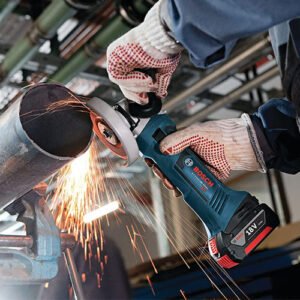
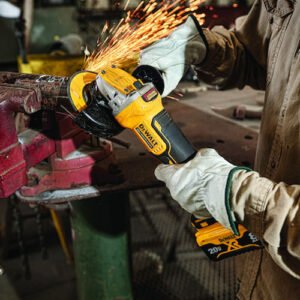
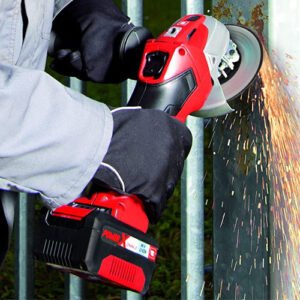
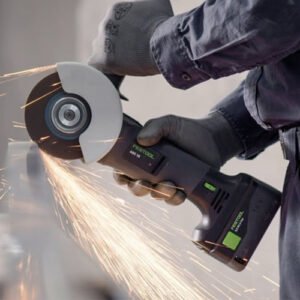
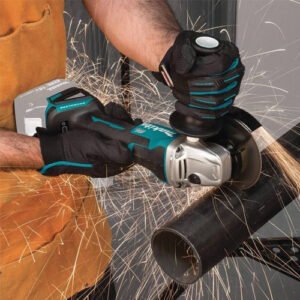
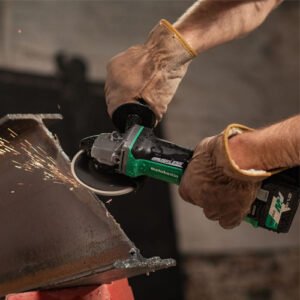
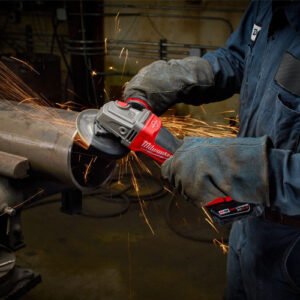
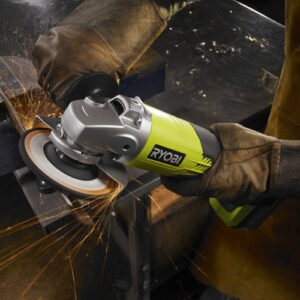


A cordless angle grinder can be one of the most versatile power tools in a Canadian workshop, garage, renovation project or jobsite. The right model can handle grinding, cutting, surface preparation, rust removal and other abrasive-wheel tasks without requiring a nearby electrical outlet. However, cordless grinders differ substantially in motor performance, battery platform, ergonomics, speed control, guard design and accessory compatibility.
For Canadian buyers, the smartest purchase is not necessarily the grinder with the highest advertised voltage or the largest battery. A better approach is to match the tool to the work you actually perform, then compare battery ecosystem, disc size, power delivery, safety features, handling and total ownership cost.
Brands such as DEWALT, Milwaukee, Makita, Bosch, Metabo HPT, RIDGID and Ryobi offer cordless angle grinders across different user categories. Availability, included accessories, battery bundles and pricing can change, so compare the exact configuration rather than relying only on a model family name.
A smart buy balances performance, durability, convenience and long-term value. A relatively inexpensive grinder may become a poor value if its battery platform is unsuitable for your other tools, replacement batteries are expensive, or the tool lacks the control needed for your applications.
The biggest advantage of a cordless grinder is freedom from an extension cord. This is particularly useful for outdoor projects, remote construction areas, vehicle work and jobs where routing a power cable would be inconvenient.
A corded grinder, however, can remain attractive for stationary or prolonged work where continuous mains power is more important than portability. Cordless models introduce battery management into the equation. Runtime depends on the battery, material, wheel, pressure applied and workload, so battery capacity should be evaluated alongside motor performance.
Disc diameter is one of the first specifications to check. Compact grinders are generally easier to handle, while larger machines can accommodate larger accessories and may be intended for more demanding applications.
Compact 4.5-inch-class grinders are popular for general-purpose workshop and DIY tasks. They can be useful for cutting and grinding suitable metal stock, cleaning welds and preparing surfaces when paired with the correct accessory.
5-inch models can provide a little more working area while remaining relatively compact. They may appeal to users who regularly perform heavier fabrication, renovation or maintenance tasks and want more capability than a very small grinder.
Larger grinders are designed around larger wheels and different workloads. They can offer increased cutting or grinding capacity, but size and weight become more important. Do not assume that a larger grinder is automatically better for every job.
Brushless motors are common in higher-end cordless power tools. They eliminate replaceable carbon brushes and use electronic control rather than traditional mechanical brush-and-commutator operation.
For cordless tools, brushless technology can be particularly attractive because manufacturers can electronically manage motor operation and battery power. Buyers should nevertheless compare the complete tool rather than treating the word "brushless" as proof of superior performance.
Cordless grinders are commonly marketed using battery-platform voltage labels such as 18V, 20V Max or similar terminology. These labels should not be compared in isolation because manufacturers can describe battery voltage differently.
For example, a platform marketed as 20V Max may use a battery architecture whose nominal operating voltage is lower than its maximum charged voltage. Consequently, comparing "20V" directly with "18V" does not necessarily reveal which grinder is more powerful.
Instead, evaluate the manufacturer's complete platform, motor design, battery options, grinder specifications and real application requirements.
Battery capacity is commonly expressed in amp-hours, or Ah. In general terms, a higher-capacity battery stores more energy than a lower-capacity battery within the same voltage platform, although actual runtime depends heavily on workload and tool efficiency.
When comparing a grinder kit, check whether the advertised price includes a battery and charger. A tool-only package may appear inexpensive until the cost of entering that battery ecosystem is included.
If you already own cordless drills, impact drivers, saws or other tools, staying within the same battery family can make considerably more sense than purchasing an isolated grinder platform.
A grinder can consume substantial battery energy during demanding cutting and grinding. If your existing platform includes several compatible battery capacities, chargers and tools, the grinder may become a more practical addition to your collection.
On the other hand, if you are buying your first cordless tool, compare the wider ecosystem rather than choosing a grinder based solely on its advertised price.
Variable-speed grinders allow the operator to select from different rotational speeds rather than operating at one fixed speed. This can provide greater control for certain accessories and materials.
Variable speed is especially worth considering if the grinder will perform more than basic metal grinding. Different accessories can have different recommended operating speeds, so always follow the accessory manufacturer's instructions.
Do not assume that maximum speed is appropriate for every disc, brush or polishing accessory. The accessory's rated speed must be compatible with the grinder.
Modern cordless grinders can incorporate electronic features designed to manage motor behaviour and improve control. Depending on the model, these may include electronic braking, overload protection, restart protection, soft-start behaviour, kickback-related protection or speed regulation.
Feature names and implementation vary between manufacturers, so read the specific model documentation rather than assuming that similarly named features operate identically.
An electronic brake can reduce the time required for the wheel to stop after the trigger or switch is released. This can make the tool easier to put down or reposition between operations.
Overload protection can help manage situations where the motor is subjected to excessive demand. It should not be interpreted as permission to force the wheel through material or operate the tool beyond its intended workload.
Restart protection is designed to reduce the chance of the motor unexpectedly starting after power interruption or a battery-related interruption, depending on the design.
Some grinders incorporate electronic systems intended to detect sudden changes in wheel movement or motor load. These systems can provide an additional layer of protection, but they do not replace correct technique, wheel selection, guarding and personal protective equipment.
The accessory determines much of what an angle grinder can accomplish. A grinder itself is only part of the system; the wheel, disc or brush must be appropriate for the material and application.
Always verify the accessory's material compatibility, maximum rated speed, dimensions and mounting requirements before use.
Before buying a cordless angle grinder, check the spindle and accessory specifications. The grinder must be compatible with the wheels and accessories you intend to use.
Do not purchase a grinder simply because a particular disc looks physically compatible. Check the manufacturer's specifications for wheel diameter, bore size, spindle thread, guard requirements and maximum permitted accessory speed.
Safety should be a major part of any cordless angle grinder comparison because abrasive wheels operate at high rotational speeds and can generate sparks, fragments, dust and significant noise.
Never remove a guard merely because it makes an accessory easier to position. Use accessories that are approved for the grinder and follow the manufacturer's operating instructions.
Appropriate protective equipment is essential when operating an angle grinder. The exact protection required depends on the task, material, environment and applicable workplace rules.
For professional work in Canada, follow applicable provincial or territorial occupational health and safety requirements as well as the tool and accessory manufacturers' instructions.
Canadian users may operate cordless grinders in garages, workshops, farms, construction areas, fabrication shops and outdoor environments. Weather, temperature and work conditions can influence battery performance and tool handling.
Cold temperatures can affect rechargeable battery behaviour and available performance. Avoid storing or charging batteries in conditions outside the manufacturer's specified temperature range. Follow the battery manufacturer's instructions for storage, charging and transportation.
For outdoor or construction use, also consider dust exposure, moisture, storage conditions and the availability of charged replacement batteries.
Grinder weight becomes especially important during prolonged work. A high-capacity battery can provide more runtime but also shifts the balance and increases overall weight.
When comparing models, consider:
A grinder that is slightly less powerful but easier to control may be the more sensible choice for detailed or extended work.
Compact cordless grinders are appealing when portability and control are more important than maximum endurance. High-performance models are generally more appropriate when the grinder will regularly perform demanding work.
For users who expect to operate an angle grinder regularly, a brushless model can be worth investigating. The main appeal is not simply the motor label but the combination of brushless drive technology, electronic control, battery compatibility and overall tool design.
Frequent users should also consider whether the manufacturer offers the battery sizes and related tools they are likely to need in the future. A grinder purchase can effectively become a decision about an entire cordless tool ecosystem.
Brand comparison is most useful when it focuses on ecosystems rather than reputation alone.
The best brand depends heavily on which battery platform you already own, the frequency of use, the type of work and the accessories you require.
One of the most important price comparisons is whether a grinder is sold as a bare tool or as a kit.
A tool-only grinder can be economical if you already own compatible batteries and a charger. It also avoids accumulating duplicate chargers.
A complete kit can be more convenient for a first-time buyer entering a battery platform. Compare the included battery capacity rather than assuming every kit provides the same runtime.
When comparing Canadian deals, calculate the complete setup cost: grinder, required battery, charger, suitable accessories and any additional battery you realistically need.
Voltage alone does not tell the complete performance story. Motor design, electronics, battery capability, wheel size and tool architecture all matter.
A low tool-only price can be misleading if you need to purchase batteries and a charger separately.
More capacity is not automatically better. Larger grinders can be heavier and less convenient for precision work.
Not every wheel fits every grinder. Confirm diameter, bore, spindle and rated speed before purchasing.
Cutting wheels, grinding wheels, flap discs, wire brushes and specialised accessories are designed for different purposes. Follow their individual instructions.
A grinder used for short DIY tasks has different battery requirements from one used continuously on a jobsite.
If you expect to purchase several cordless tools, the battery platform can become more important than the initial grinder price.
Deal pricing can change frequently, so compare the exact model number and package configuration rather than relying on a percentage-off claim.
A simple comparison table can make the buying process much easier. Record the following specifications for every grinder you are considering.
Power requirements depend on the material, wheel, cutting depth, grinding pressure and duration of use. A homeowner removing occasional rust from metal has different requirements from a fabricator performing repeated heavy grinding.
Instead of selecting the most powerful specification available, consider the workload in realistic terms. If most jobs involve brief cuts and light surface preparation, a compact grinder may be sufficient. If the grinder will be used repeatedly for demanding material removal, prioritize a platform and battery system designed around sustained cordless work.
Good battery management can make a cordless grinder substantially more convenient to own. Use only batteries and chargers approved for the manufacturer's platform, and follow the manufacturer's instructions for charging, storage and inspection.
Cordless grinders require relatively straightforward routine care, but abrasive dust can accumulate around vents and moving components. Regular inspection can help identify problems before they interfere with work.
Always disconnect the battery before maintenance or accessory changes unless the manufacturer's procedure specifically states otherwise.
Where a grinder is stored can affect convenience and battery care. Keep the tool in a dry, protected environment and follow the battery manufacturer's recommendations for temperature and long-term storage.
For seasonal users, inspect the grinder, battery and accessories before putting the tool back into service. Do not assume that an accessory remains safe simply because it was stored unused; examine it for deterioration or damage before use.
An angle grinder is versatile, but it should not be treated as a universal replacement for dedicated tools. The appropriate tool depends on the material, cut, finish and required precision.
A grinder may be useful for suitable cutting, grinding, deburring, cleaning and surface-preparation tasks. However, a dedicated saw, sander, polisher or other tool may be more appropriate for operations requiring controlled cuts, specific finishes or specialised dust management.
DIY buyers should generally prioritize manageable size, ease of use, safety features and battery compatibility. If the grinder will only be used a few times a year, spending heavily on professional-level features may not provide meaningful value.
A compact grinder from a battery platform you already own can be a particularly practical choice. Before purchasing, identify the actual projects you expect to complete and select compatible accessories for those applications.
Automotive applications can involve rust removal, surface preparation, cutting suitable components and other metalworking tasks. In this environment, control and access can be more important than maximum size.
A compact grinder with a manageable profile may be useful when working around confined areas. However, always verify that the selected accessory is designed for the material and operation, and protect surrounding components from sparks and abrasive debris.
Metal fabrication can involve repeated cutting, grinding, weld cleanup and surface preparation. Frequent users should pay particular attention to battery capacity, motor performance, cooling, ergonomics and accessory availability.
Having multiple compatible batteries can be more valuable than choosing the grinder with the highest headline specification. If the tool is part of a larger fabrication workflow, minimizing battery downtime and making accessory changes convenient can improve overall productivity.
For farm and property maintenance, portability can be especially useful when work takes place away from a workshop outlet. A cordless grinder can simplify occasional repairs and maintenance tasks involving suitable metalwork.
Buyers in this category should consider battery storage, dust exposure, weather conditions and whether other tools already use the same battery system.
Customer reviews can provide useful information about ownership experience, but they should not replace specification checks or safety documentation. Look for recurring themes across many reviews rather than relying on one unusually positive or negative comment.
Useful review topics include battery fit, switch operation, handling, vibration, accessory changes, balance, durability concerns and compatibility with the buyer's existing tools. Reviews that clearly describe the workload and configuration are generally more informative than comments that simply state whether the buyer likes the product.
When two models appear similar, compare them in this order:
The cheapest cordless grinder may not be the most economical choice over several years. Battery purchases, chargers, accessories and replacement tools can make platform compatibility an important part of total value.
For an existing cordless-tool owner, a slightly more expensive grinder that uses the batteries already in the workshop may provide better overall value than starting another battery ecosystem. For a first-time buyer, the wider platform should be part of the decision.
There is no single best model for every Canadian buyer. The right choice depends on the intended workload, disc size, battery platform, desired features, ergonomics and budget. Compare the exact specifications and kit contents of the models that fit your application.
Many modern cordless grinders are designed for demanding applications, but suitability depends on the specific model, battery, accessory and workload. Users performing sustained heavy grinding should pay particular attention to the manufacturer's intended application and battery recommendations.
For frequent cordless-tool users, brushless models can be attractive because of their motor design and electronic control capabilities. For occasional users, a simpler model may provide sufficient functionality at a lower overall cost.
An 18V-class battery platform can power many cordless grinders effectively. However, voltage alone does not determine real-world performance. Compare the complete grinder, battery system, motor design and intended workload.
For many general-purpose tasks, a compact 4.5-inch or similar grinder can be a practical starting point. If your work regularly requires larger accessories or greater capacity, consider a larger model that matches those requirements.
A larger-capacity battery can provide greater energy storage and potentially longer runtime, but capacity in amp-hours should not be confused with voltage or maximum motor power. Actual performance depends on the complete tool and battery system.
A tool-only grinder can make sense when you already own compatible batteries and a charger. If you are entering a new battery platform, compare the total cost of the grinder, battery and charger before deciding.
No. The disc must match the grinder's permitted diameter, mounting specifications, rated speed and intended application. Always follow both the grinder and accessory manufacturer's instructions.
They can be useful for suitable rust-removal and surface-preparation applications when paired with the correct wire brush, abrasive disc or other compatible accessory. Choose the accessory specifically for the intended material and task.
There is no universal runtime figure. Runtime changes according to battery capacity, material, accessory, cutting or grinding pressure, motor efficiency and how continuously the grinder is operated.
Not necessarily. Fixed-speed models can be suitable for straightforward grinding and cutting. Variable speed becomes more useful when your applications include accessories or materials where controlled rotational speed is advantageous.
A properly adjustable guard, secure auxiliary handle and appropriate electronic protection features are useful considerations. Correct accessory selection, operating technique and personal protective equipment remain essential regardless of the feature set.
No. Battery platforms are generally manufacturer-specific and should only be used with tools and batteries approved for that platform. Do not assume batteries from different brands are electrically or mechanically interchangeable.
Yes, depending on the specific model and workload. Professional users should evaluate durability, battery availability, ergonomics, electronic protections, accessory compatibility and expected duty cycle rather than relying solely on the brand name.
Before choosing among cordless angle grinder deals in Canada, use this checklist to narrow the options:
The smartest cordless angle grinder purchase is the one that fits your actual work rather than simply offering the biggest battery, highest voltage label or lowest advertised price. For occasional DIY work, a compact grinder on a broad battery platform can provide excellent practicality. For frequent fabrication, construction or maintenance, battery availability, motor performance, ergonomics, electronic protection and accessory compatibility deserve much more weight.
When comparing the best cordless angle grinders and current deals in Canada in 2026, focus on the complete package. Check the exact model, battery configuration, disc compatibility, included accessories, safety features and total cost of ownership. Prices and retailer inventory can change, so verify the current specification and deal details immediately before purchasing.