

♥ Wishlist
Compare 49 Contact Lens Care Products for Everyday Lens Maintenance products in Canada. Reviews, ratings, pros, cons and buying advice updated for October 2026.


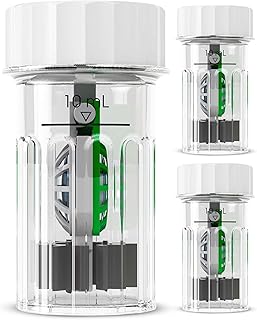


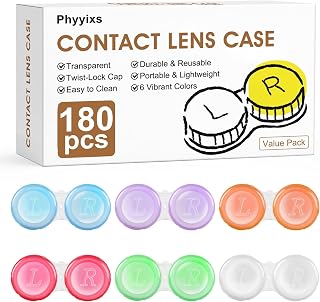




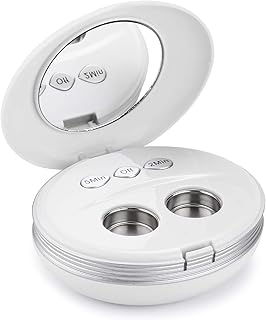
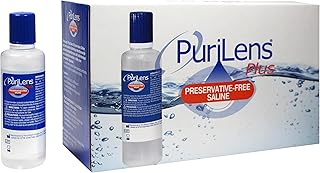


Choosing contact lens care products is different from shopping for an ordinary household item. Compatibility, hygiene, lens material, replacement schedules and the type of lens you wear can all affect which solution or accessory is appropriate. A lower price is useful only when the product is suitable for your lenses and used exactly as directed.
For Canadian shoppers, a smart comparison should therefore look beyond a promotional price. Consider the solution type, bottle size, intended lens type, packaging, manufacturer instructions, expiry information, storage requirements and the reputation of the retailer. Customer feedback can help identify practical concerns such as packaging quality or ease of use, but reviews should never replace professional advice about whether a particular product is appropriate for your eyes.
This guide is designed for commercial comparison and buying research. It focuses on the factors that matter when evaluating contact lens care deals in Canada, including multipurpose solutions, hydrogen peroxide systems, saline products, rewetting drops and useful lens-care accessories.
Contact lens care is a broad category rather than a single type of product. Depending on the lenses you wear and the instructions provided by your eye-care professional and lens manufacturer, your routine may involve a disinfecting solution, cleaning or rinsing products, a storage case, rewetting drops or other approved accessories.
The most important distinction is between products designed to disinfect and store contact lenses and products designed primarily to rinse, lubricate or otherwise support lens wear. These products are not automatically interchangeable.
Multipurpose solutions are among the most familiar options for people wearing compatible soft contact lenses. A single solution may be intended for several stages of lens care, but shoppers should read the label carefully because formulations and approved uses vary.
When comparing brands such as Biotrue, Opti-Free, Renu and Complete, focus on the exact product formulation rather than assuming every solution from a familiar brand performs the same function. Packaging may also differ by bottle size, multipack configuration and market.
Hydrogen peroxide systems use a different approach from conventional multipurpose solutions. They require a designated neutralisation process, normally using the special case supplied or specified with the system. The neutralisation step is essential.
Hydrogen peroxide should never be treated as an ordinary multipurpose solution. Putting non-neutralised hydrogen peroxide directly into the eyes can cause significant irritation and injury. Anyone considering this category should follow the product instructions precisely and make sure the system is compatible with their lenses.
When comparing hydrogen peroxide products, examine the complete system rather than the bottle alone. The case, neutralisation instructions and required soaking period are part of the product's intended use.
Saline is often inexpensive and may look similar to other lens-care liquids, but its intended purpose can be different. A saline product should not be assumed to disinfect contact lenses simply because it is marketed for contact lens use.
If saline is part of your lens-care routine, confirm its intended use from the manufacturer's instructions and follow the recommendations provided by your eye-care professional.
People who experience occasional lens dryness may encounter rewetting drops designed for contact lens wearers. These products can differ in formulation and intended lens compatibility, so the packaging should specifically indicate that the product is suitable for use with your type of contact lenses.
Do not automatically substitute ordinary eye drops for contact-lens-compatible products. Some eye drops are not intended to be used while wearing lenses.
A lens case is a small purchase with an important role in a reusable-lens care routine. A good deal on solution does not compensate for poor case hygiene.
Look for a case that is compatible with the solution system you use and easy to clean according to the manufacturer's instructions. Avoid treating a case as a permanent accessory. Follow recommended replacement guidance rather than keeping the same case indefinitely.
Compatibility should be the first filter in any buying decision. Contact lenses are made from different materials and may have different care requirements. A product that is appropriate for one lens category may not be appropriate for another.
Before purchasing, identify whether you wear daily disposable lenses, reusable soft lenses, rigid gas-permeable lenses or another specialty lens. Then compare that information with the product's official instructions.
Ask what the product is actually designed to do. Cleaning, rinsing, disinfecting, storing and lubricating are separate functions even when a particular formulation is intended to perform several of them.
The cheapest bottle is not necessarily the best value. Compare the total volume, number of bottles and realistic usage period. A large multipack can be economical for regular users but may be poor value if several bottles will approach expiry before they are opened or consumed.
For occasional users, smaller packaging can sometimes be more practical. Frequent users may prefer multipacks when the per-unit cost is attractive and the products can be used within their stated shelf life.
Check expiry information when purchasing contact lens solutions and related products. Avoid products with damaged, leaking, opened or questionable packaging. When purchasing online, examine the retailer's product information and inspect the package when it arrives.
The instructions supplied with the specific product are more important than generic advice found in product listings or customer comments. Formulations can change, and different products can have different procedures.
A useful comparison should calculate more than the advertised headline price. For example, a two-bottle package may appear cheaper than a four-bottle package while providing a higher cost per millilitre.
These two categories are not simply different brands of the same product. They use different care processes and therefore require different handling.
Daily disposable lenses are designed to be worn for the prescribed period and then discarded rather than cleaned and stored for repeated use. Someone wearing daily disposables generally has different lens-care needs from someone wearing reusable lenses.
Buying a large quantity of solution makes little sense if your lens routine does not require reusable-lens disinfection and storage. On the other hand, reusable lenses require a care routine appropriate to their design and the manufacturer's instructions.
Reusable soft lenses require consistent care. When evaluating solutions for this category, look at the specific lens manufacturer's compatibility information and the recommendations provided by your optometrist or other qualified eye-care professional.
Price is an important buying factor, but it should come after compatibility and intended use. Saving a few dollars on a product that is unsuitable for your lenses is not a genuine bargain.
This is one of the most important distinctions to understand. Read the product's intended-use information rather than relying on the word “solution” on the front of the bottle.
Contact lenses should not be exposed to tap water as a substitute for approved lens-care procedures. Water can contain microorganisms and does not provide the disinfecting process required for reusable lenses.
Contact lens care is not an appropriate area for homemade substitutes. Use products specifically manufactured and labelled for the intended contact lens-care purpose.
A premium solution cannot compensate for poor case hygiene. The case is part of the lens-care system and should be maintained and replaced according to appropriate guidance.
Bulk buying can reduce the cost per bottle, but only if the products can be used before expiry. This is particularly relevant when shopping during major promotions or seasonal sales.
Eye drops are formulated for different purposes. Check whether a particular product is explicitly intended for use while wearing contact lenses before using it with your lenses.
Customer reviews can be useful for evaluating packaging, bottle design, ease of dispensing and general shopping experience, but they should be interpreted carefully when the subject is eye care.
Recognised brands can provide a useful starting point for comparison, but brand recognition alone should not determine the purchase. Always compare the exact product and formulation.
Brand names should be treated as comparison starting points rather than automatic recommendations. Product formulation, lens compatibility, instructions and availability can vary between individual products and package sizes.
When comparing products online in Canada, examine established retailers and marketplaces while paying attention to the exact seller, product description and package configuration. Amazon Canada and major pharmacy and optical retailers may carry contact lens-care products, but listings can change over time.
Before purchasing, confirm that the listing identifies the correct product, size and formulation. Marketplace listings can sometimes contain multiple package variations under similar titles, so the product photographs alone should not be treated as definitive.
Amazon Canada can provide a convenient way to compare package sizes and current offers, but shoppers should read the complete listing rather than relying exclusively on the product title.
Correct storage is part of maintaining the integrity of a lens-care product. Follow the manufacturer's storage instructions for temperature, closure and use after opening.
Packaging is easy to overlook when comparing contact lens-care products, yet it affects everyday use. A bottle that is easy to control can make it simpler to dispense the intended amount without touching the nozzle.
Look for packaging that provides clear instructions, a secure cap and an easy-to-read product label. If you have difficulty reading small print, a clearly organised package can also make routine instructions easier to follow.
Travelling creates additional reasons to plan your lens-care supplies carefully. Before a trip, check how much solution you realistically need, whether your lens case is in good condition and whether you have enough lenses or approved care products for the journey.
Canada's climate varies considerably by region and season. Indoor heating during winter can create a dry environment, while air conditioning can also contribute to perceived dryness. Outdoor cold, wind and changing humidity may affect comfort for some contact lens wearers.
These conditions do not necessarily mean you need a different disinfecting solution. If lens comfort changes substantially, discuss the issue with an eye-care professional rather than switching products solely because of seasonal conditions.
Contact lens discomfort should not automatically be solved by purchasing a different solution. Dryness, lens fit, deposits, environmental conditions, wearing time and other factors can contribute to discomfort.
If your lenses become unusually uncomfortable, remove them as appropriate and follow the guidance provided by your eye-care professional. Persistent or significant symptoms warrant professional assessment rather than repeated experimentation with different consumer products.
Contact lenses are medical devices, and improper care can increase the risk of eye complications. Follow the instructions supplied with your lenses and care products, as well as the recommendations of your optometrist, ophthalmologist or other qualified eye-care professional.
If you experience significant eye pain, pronounced redness, unusual light sensitivity, discharge, sudden vision changes or other concerning symptoms while wearing contact lenses, remove the lenses when appropriate and seek prompt professional eye care. Do not attempt to manage potentially serious symptoms simply by changing contact lens solution.
Use this checklist when comparing contact lens-care offers in Canada:
The best contact lens-care deal is not necessarily the product with the largest discount percentage. A more useful definition of value combines appropriate compatibility, reliable packaging, sufficient quantity, sensible shelf life and a price that fits your normal usage.
For frequent reusable-lens wearers, a multipack may make financial sense when the product is appropriate and can be used before expiry. For occasional users, buying smaller quantities may reduce waste. For specialty lenses, compatibility should take priority over promotional pricing.
When two suitable products have similar prices, compare the total volume, instructions, included accessories, package convenience and retailer reliability. This approach provides a more meaningful comparison than looking at the percentage discount alone.
There is no single best solution for every contact lens wearer. The appropriate choice depends on the type and material of the lenses, the intended care routine, individual circumstances and professional recommendations. Compare compatible products from established brands such as Biotrue, Opti-Free, Renu and other suitable options rather than selecting solely on price.
No. Price alone does not establish that one solution is better for a particular wearer. Compatibility and correct use are more important. Compare the exact formulation, intended use, bottle size and instructions before deciding whether a higher-priced product offers meaningful value for your routine.
Not automatically. Saline and disinfecting solutions serve different purposes. Check the product's intended use and follow your lens-care instructions. Do not assume saline disinfects reusable contact lenses.
Tap water should not be used as a substitute for approved contact lens-care products. Water can expose lenses to microorganisms and is not a suitable disinfecting system.
Hydrogen peroxide systems can be used when appropriate for the lens and when the manufacturer's complete procedure is followed. The solution must undergo the specified neutralisation process before the lenses are placed in the eyes. Never put non-neutralised hydrogen peroxide directly into your eyes.
Follow the replacement guidance provided by your eye-care professional and the product manufacturer. Regardless of the recommended replacement schedule, the case should be maintained according to appropriate hygiene instructions and should not be treated as a permanent accessory.
Yes, bulk purchasing can be practical for regular users, provided the products are compatible with your lenses and can be used before expiry. Check the total volume, shelf life and storage requirements before purchasing a large multipack.
They can be worth comparing, particularly when multiple package sizes and sellers are available. However, check the exact formulation, seller information, package quantity, product condition and current listing details before purchasing.
Compare the total quantity and calculate the approximate cost per unit or per 100 mL. Also consider shipping charges, included accessories and whether the package size is practical for your expected usage.
Not without considering other possible causes. Lens fit, wearing time, environmental conditions and other factors can contribute to discomfort. If dryness or irritation persists, discuss the problem with an eye-care professional before changing your care routine.
Daily disposable lenses are generally intended for single-day use rather than cleaning and storing for reuse. Follow the specific instructions for your lenses and professional recommendations.
Do not use expired lens-care products. Replace them with an in-date product that is appropriate for your lenses and follow the manufacturer's instructions for disposal where applicable.
The smartest way to compare contact lens-care deals in Canada in 2026 is to put eye safety and product compatibility ahead of the discount. Start by identifying your lens type and required care system, then compare reputable brands, exact formulations, bottle sizes, expiry information and retailer details.
Products from recognised names such as Biotrue, Opti-Free, Renu, Clear Care and Boston can provide useful comparison points, but the exact product matters more than the brand name alone. Always read the current manufacturer's instructions and follow the care routine recommended for your lenses.
Before completing a purchase, compare today's total cost, package quantity and practical shelf life. A genuinely smart deal is one that fits your lens-care routine, can be used safely and provides sensible value without encouraging unnecessary stockpiling.