

♥ Wishlist
Compare 55 Changing Tables for Practical Baby Care & Nursery Organisation products in Canada. Reviews, ratings, pros, cons and buying advice updated for October 2026.


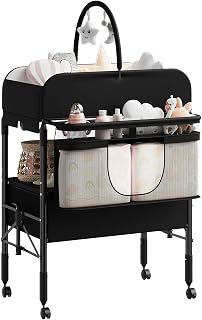


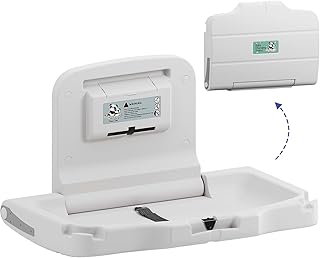


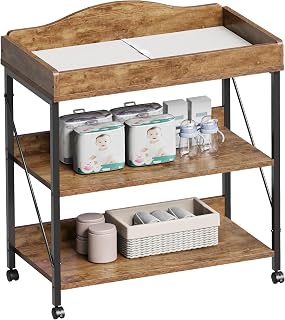
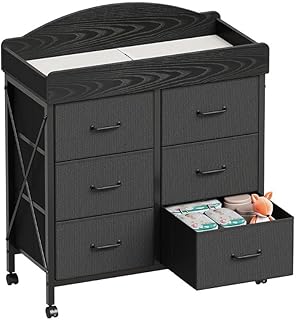


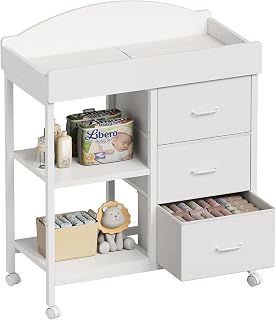


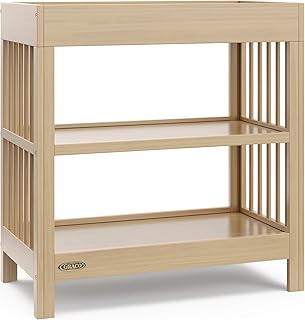


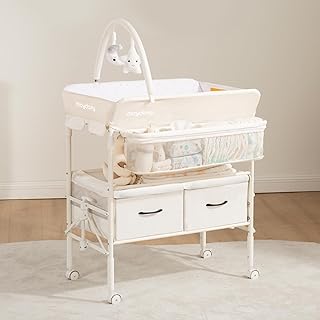


Choosing a changing table is about more than finding a convenient place to change diapers. The right setup should provide a stable and appropriately sized changing surface, sensible storage, easy access to supplies, and a design that fits the available space. Canadian shoppers should also consider room dimensions, seasonal clothing and storage needs, cleaning requirements, and whether the furniture will continue to be useful after the diaper-changing stage.
When comparing changing tables, look beyond the product title and headline features. Examine the manufacturer's stated dimensions, weight limits, materials, included components, safety information, assembly requirements, and compatibility with any changing pad or accessories. Customer reviews can help identify recurring practical issues, but specifications and manufacturer documentation should remain the primary sources for safety-critical information.
Changing tables are available in several configurations, and each style solves a slightly different household need. There is no universally best design because the ideal choice depends on available floor space, storage requirements, budget, and how long you expect to use the furniture.
A traditional changing table normally has a dedicated changing surface above shelves, drawers, or cabinets. This arrangement keeps diapers, wipes, clothing, towels, and other necessities within reach while leaving the surrounding floor relatively uncluttered.
For a nursery with sufficient floor space, a freestanding model can be a practical choice because its purpose is immediately clear and its storage is generally easy to organize. Before purchasing, check the complete footprint rather than looking only at the changing-surface dimensions.
A dresser designed to accommodate a changing pad can provide greater long-term value because the storage furniture may remain useful after diaper changes are no longer part of the daily routine. This can be particularly appealing in smaller Canadian homes or apartments where every piece of furniture needs to serve more than one purpose.
However, a dresser-style unit can be heavier and deeper than a compact dedicated changing station. Check drawer clearance, overall height, changing-pad dimensions, and the manufacturer's instructions for securing the changing setup before making a decision.
Portable changing stations can make sense for families who need flexibility between rooms, travel, grandparents' homes, or temporary living arrangements. Their main advantages are portability and reduced storage requirements.
The trade-off is usually limited storage and a smaller working area. A portable design should never be evaluated solely on how lightweight it is; stability, locking mechanisms, surface dimensions, and the manufacturer's stated usage requirements are equally important.
Wall-mounted changing stations can be useful where floor space is extremely limited. They can keep the changing area off the floor and may work well in compact nurseries or dedicated changing areas.
Installation requirements deserve particular attention. The wall structure, mounting hardware, installation instructions, and maximum load specified by the manufacturer should all be considered. A wall-mounted product is only as dependable as its correctly installed mounting system.
The usable changing area should be large enough for the intended changing pad and leave enough room to work without creating an awkward setup. Measure the available room before shopping and compare the furniture's external dimensions with the actual usable surface.
Do not assume that similarly named changing tables have interchangeable dimensions. A changing pad that fits one model may not fit another, so check the manufacturer's recommended pad size whenever compatibility information is provided.
Changing-table height can have a meaningful effect on everyday comfort. A surface that is too low may encourage repeated bending, while a surface that is too high can make handling a baby less comfortable or practical for some caregivers.
Consider the height of the primary caregivers and the room in which the table will be used. If two caregivers have substantially different heights, a compromise height may be more practical than choosing furniture around only one person.
Storage is one of the biggest differences between changing-table designs. Shelves provide quick visual access, drawers hide clutter, and cabinets can keep supplies protected from dust and sunlight. A combination of open and closed storage can provide a useful balance.
Think about what you actually need to store. Typical nursery supplies may include diapers, wipes, spare clothing, blankets, towels, creams, changing-pad covers, and small personal-care items. Frequently used supplies should be accessible without requiring the caregiver to move away from the changing area.
For drawer-based furniture, inspect the drawer construction, extension mechanism, handles, alignment, and stated load limitations. Smooth operation is convenient, but structural quality matters more than a premium-feeling drawer glide.
Look for clear assembly instructions and inspect customer feedback for recurring reports of missing hardware, difficult alignment, or drawers that do not operate as expected. Individual complaints do not necessarily indicate a defective product, but repeated patterns are worth investigating.
A changing table should feel stable and appropriately constructed for its intended use. Examine the base, legs, frame, joints, and any included anti-tip or anchoring hardware.
Do not confuse a heavy piece of furniture with a properly stable one. Design, weight distribution, construction quality, and installation all contribute to stability. Follow the manufacturer's assembly and anchoring instructions rather than relying on the furniture's weight alone.
Safety should take priority over appearance, storage capacity, or price when choosing nursery furniture. A changing table creates a raised surface where a baby may be exposed to a fall hazard, so the caregiver's behavior and the furniture's design both matter.
Never leave a baby unattended on a changing surface, even for a moment. Keep frequently needed supplies within reach so there is less temptation to turn away or step away from the table. If something essential is missing, take the baby with you rather than leaving the child on the elevated surface.
Follow the manufacturer's instructions concerning the changing pad, restraints, maximum weight, anchoring, and intended use. If the product includes a safety strap or restraint system, use it according to the supplied instructions rather than modifying it.
For tall furniture, use the supplied anti-tip hardware or other manufacturer-specified anchoring method where applicable. This is especially important in homes where children may later climb or pull on drawers and shelves.
Canadian shoppers should look for current safety information from Health Canada and verify that the product and its instructions are appropriate for the Canadian market. Product recalls can change over time, so checking current recall information before buying and periodically after purchase is a sensible part of responsible product ownership.
Do not rely solely on a marketplace listing's statement that a product is “safe,” “tested,” or “certified.” If a safety claim matters to your purchasing decision, identify what standard, testing process, or regulatory requirement the claim actually refers to and whether it applies to the exact model you are considering.
Solid wood can provide a substantial, furniture-like appearance and may be well suited to buyers looking for a changing table that complements other nursery furniture. Different wood species and finishes can vary considerably in hardness, appearance, maintenance requirements, and resistance to scratches.
Do not assume that every wooden changing table has the same construction quality. Examine how the frame, joints, panels, drawers, and hardware are assembled.
Engineered wood products can offer practical furniture construction at a range of price points. Their performance depends heavily on the specific material, thickness, edge treatment, hardware, and overall design.
Inspect the product specifications rather than judging quality from photographs alone. Images can make two pieces of furniture appear similar even when their construction and material specifications are substantially different.
Metal may appear in frames, brackets, drawer slides, handles, hinges, or other structural components. Metal hardware can contribute to durability, but its presence does not automatically indicate superior construction.
Pay attention to how the metal components integrate with the rest of the furniture and whether the manufacturer provides appropriate installation instructions.
Plastic changing stations can be lightweight and comparatively easy to clean. They may suit buyers who prioritize portability or simple maintenance over a traditional furniture aesthetic.
Check the stated weight capacity, construction details, locking mechanisms, and surface dimensions. Lightweight does not necessarily mean unsuitable, but the design must be appropriate for its intended purpose.
The changing pad is an important part of the overall setup and should be evaluated alongside the furniture rather than as an afterthought. Measure both the changing table surface and the pad, and check manufacturer compatibility information where available.
A waterproof or water-resistant cover can simplify routine cleaning, while removable covers may make laundering easier. The pad should be appropriate for the intended changing surface and used according to its own instructions.
Some changing tables are sold without a changing pad, while others may include one. Never assume that a pictured accessory is included unless the product description or manufacturer documentation specifically says so.
A changing table can become a high-traffic storage station, so organization matters. The best layout depends on how you intend to use the furniture rather than simply how many shelves or drawers it has.
Space-efficient furniture can be particularly valuable in condos, apartments, compact bedrooms, and shared nurseries. Before buying, measure the available floor area, door openings, nearby furniture, and walking path around the changing station.
Consider vertical storage when floor space is limited, but do not sacrifice stability for a narrow footprint. A compact table that requires awkward positioning or blocks access to a door may be less practical than a slightly larger unit placed correctly.
Convertible furniture can also reduce the amount of equipment needed over time. A dresser that remains useful after the changing stage may make more sense than a dedicated table that has no obvious second use.
A lower-cost changing table can be appropriate when it meets the necessary safety, construction, size, and storage requirements. Avoid assuming that a cheaper product is automatically poor quality, but scrutinize specifications and customer feedback carefully.
Budget shoppers should prioritize stability, correct dimensions, suitable materials, and reliable hardware before decorative details. A simple design with useful storage can provide better practical value than a visually elaborate model with limited functionality.
Mid-range furniture often provides more flexibility in storage configuration, finishes, construction details, or convertible functionality. This category can be attractive to families seeking a balance between nursery aesthetics and longer-term usefulness.
Higher-priced changing tables may use premium materials, more substantial hardware, refined finishes, or designs intended to function as permanent nursery or bedroom furniture. A higher price alone does not guarantee that a product is safer or more suitable.
When comparing premium models, identify exactly what additional value the price provides. Pay particular attention to construction, longevity, repairability, dimensions, storage design, and convertible functionality.
Brand familiarity can be useful when narrowing a large selection, but it should not replace model-level comparison. Established nursery and furniture brands such as Delta Children, DaVinci, Storkcraft, Graco, Babyletto, South Shore, and IKEA offer products across different furniture categories and price segments.
The important distinction is between a brand's general reputation and the specifications of an individual model. Always verify the exact product dimensions, included accessories, weight limits, assembly requirements, safety information, and current customer feedback for the specific changing table you are considering.
When two models appear similar, compare them systematically rather than choosing based on photographs or star ratings alone.
Nursery furniture is highly visual, but attractive finishes and coordinated colours do not tell you whether the furniture will fit the room, provide enough storage, or remain stable when assembled. Treat appearance as one criterion rather than the deciding factor.
A changing table can look compact in product photography while occupying substantial floor space in a real room. Measure before ordering and consider clearance around the furniture.
Photographs may show baskets, pads, organizers, or decorative accessories that are not part of the standard package. Confirm the included components in the exact product listing.
Storage quantity is not the same as storage usefulness. A deep drawer that is difficult to access may be less practical than several smaller, well-positioned storage compartments.
Large nursery furniture may require significant assembly. Review the assembly information before buying, especially if you are furnishing a nursery shortly before a baby's arrival.
A dedicated changing table can become unnecessary once diaper changes end. If budget or space is limited, compare it with convertible furniture that can transition into a dresser, storage unit, or other useful piece of furniture.
Customer reviews can provide useful real-world context, but the most valuable reviews are usually specific. Look for comments about assembly, dimensions, stability, drawer operation, finish quality, missing components, storage practicality, and whether the product matched its description.
Give less weight to reviews that discuss only packaging, delivery speed, or subjective appearance when you are evaluating structural performance. Also consider whether a review refers to the exact model and size you intend to purchase.
Recent reviews can be particularly useful when a manufacturer has changed materials, packaging, hardware, or product revisions. Nevertheless, specifications and official product documentation should be checked alongside reviews.
Before assembling a changing table, inspect the package and identify all major components and hardware. Follow the supplied instructions in sequence rather than improvising alternative assembly methods.
Changing areas are exposed to frequent spills and messes, so ease of cleaning should be considered before purchase. Smooth, appropriately finished surfaces are generally easier to wipe than highly textured designs with numerous decorative grooves.
Use only cleaning products that are compatible with the furniture's material and finish. Follow the manufacturer's care instructions, particularly for painted wood, engineered panels, metal finishes, and plastic surfaces.
Inspect the furniture periodically for loose fasteners, damaged components, cracked surfaces, unstable legs, malfunctioning drawers, or other changes that could affect safe use. Address problems according to the manufacturer's instructions rather than modifying structural components yourself.
Canadian homes can experience significant changes in indoor heating and humidity between seasons. Wood and wood-based furniture can respond to changes in environmental conditions, so appropriate placement and maintenance are important.
Avoid placing nursery furniture directly against heat sources or in locations exposed to excessive moisture unless the manufacturer specifically indicates that the product is suitable for that environment. Maintaining reasonable indoor conditions and following the care instructions can help preserve the furniture's finish and structural condition.
Online shopping makes it easy to compare a large number of changing tables, but product pages should be examined carefully before making a purchase. Confirm that the listing describes the exact model, finish, size, and configuration you intend to buy.
A large advertised discount does not automatically make a changing table a good deal. A useful deal combines an appropriate price with the features, dimensions, construction, safety information, and functionality you actually need.
Compare the current price with similar products offering comparable materials and storage. Pay attention to whether the lower-priced option excludes a changing pad, has fewer storage components, uses different materials, or requires additional accessories.
For affiliate shoppers, the best purchase decision is not necessarily the product with the highest rating or largest apparent discount. It is the model that provides the strongest combination of suitability, verified specifications, practical functionality, and overall value for the household.
The most useful features tend to be the ones that reduce unnecessary movement during routine diaper changes. Accessible storage, sensible surface dimensions, appropriate height, easy-to-clean materials, and stable construction can have more practical value than decorative features.
Parents and caregivers should also think about how the furniture will evolve as the child grows. A design that initially works well may become less useful once diapers, clothing, and nursery supplies change. Convertible or dresser-style furniture can therefore be worth comparing even when its initial purchase price is higher.
For shoppers comparing the best smart buy changing tables in Canada in 2026, start with safety and dimensions, then evaluate storage, construction, materials, compatibility, ease of maintenance, and long-term usefulness. Only after these fundamentals are satisfied should appearance and promotional pricing become major deciding factors.
Build a shortlist of several models rather than selecting the first highly rated option you encounter. Compare their specifications side by side, read current customer feedback, inspect the manufacturer's information, and check the retailer's current terms before completing a purchase.
For a first-time nursery setup, a well-organized dresser-style changing station may provide better long-term utility than a single-purpose table. For a compact room, a smaller or portable design may make more sense. For a dedicated nursery with substantial storage needs, a larger freestanding unit may be preferable. The best choice is ultimately the one that fits the room, caregiver, budget, and intended period of use without compromising safe operation.
The best changing table depends on your available space, storage requirements, preferred materials, budget, and whether you want furniture that remains useful after the diaper-changing period. Compare specifications and safety information rather than choosing solely by brand or rating.
A changing table can be worthwhile when it provides a dedicated, organized changing area and useful storage. Its value is greater when the furniture can later function as a dresser or storage unit. Families with limited space may prefer a multifunctional design or a more compact changing solution.
There is no single height that is ideal for every caregiver. Choose a surface that allows the primary caregiver to work comfortably without excessive bending while still providing safe and practical access to the changing area.
Many changing tables are designed to be used with a separate changing pad, while some products include one. Check the exact product specifications and confirm that the pad is compatible with the furniture before purchase.
Both can work well. Drawers can keep supplies organized and concealed, while shelves make frequently used items easier to see and reach. The best configuration depends on how much you need to store and how you prefer to organize the nursery.
They can be, particularly for households that want to minimize single-purpose furniture. Compare the conversion design, dimensions, storage capacity, and intended future use rather than assuming that every convertible model provides the same long-term value.
Weight capacity is an important specification and should be checked against the manufacturer's intended use. Never exceed the stated limits, and remember that a weight rating does not replace appropriate supervision and safe-use practices.
Keep only the supplies needed for convenient routine changes, such as diapers, wipes, spare clothing, and suitable changing accessories. Avoid overcrowding the changing surface and keep potentially hazardous products appropriately secured and out of a child's reach.
Review the construction materials, dimensions, hardware, weight limits, safety information, assembly instructions, manufacturer documentation, and customer feedback. Look for specific evidence about construction and everyday functionality instead of relying on promotional wording alone.
Not necessarily. Price can reflect materials, design, storage, finish, branding, or construction details, but a higher price by itself does not establish superior safety. Safety information, appropriate construction, correct assembly, and responsible use are more important.
Inspect it periodically and whenever you notice movement, loose hardware, damaged components, or changes in drawer or door operation. Follow the manufacturer's maintenance recommendations and address structural problems before continuing normal use.
The smartest changing-table purchase is not simply the cheapest model or the one with the most impressive marketing claims. It is the product that combines an appropriate changing surface, stable construction, useful storage, manageable dimensions, suitable materials, clear safety information, and practical long-term value.
For Canadian buyers, compare current specifications carefully, consider the realities of your home and climate, review current customer feedback, and verify important safety information before purchasing. Whether you choose a dedicated changing table, dresser combination, portable station, or space-saving design, prioritize suitability and safe everyday use over superficial features.