

♥ Wishlist
Compare 52 Casual Daypacks for Everyday Carry products in Canada. Reviews, ratings, pros, cons and buying advice updated for October 2026.


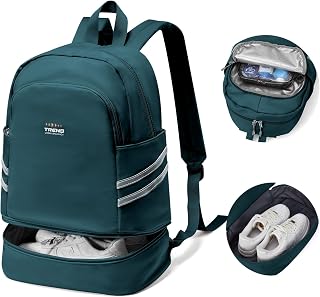
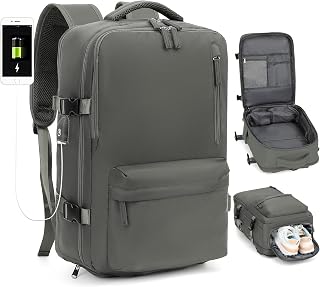




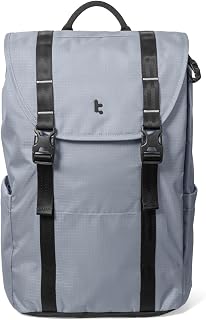


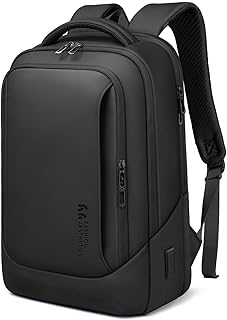
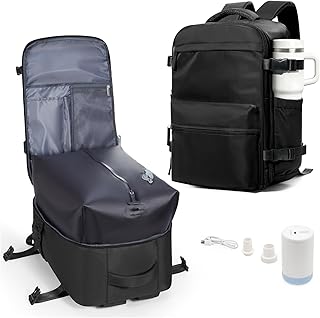


A casual daypack can serve very different purposes depending on how you travel, work, study and spend time outdoors. A commuter may prioritise a padded laptop compartment and organisation, while a student may need a larger main compartment, durable construction and comfortable shoulder straps. Someone looking for an everyday city backpack may care more about low weight, appearance and quick access to essentials.
For Canadian buyers, the local environment adds another layer to the decision. Rain, snow, freezing temperatures, crowded public transit and seasonal changes can affect which materials, closures, straps and storage layouts make sense. The best daypack is therefore not necessarily the largest or most expensive model. It is the one that matches your normal load, carrying habits and environment without adding unnecessary weight or bulk.
When comparing options, look beyond star ratings or promotional claims. Check the actual dimensions, stated capacity, empty weight, fabric construction, laptop compatibility, pocket layout, closure system, water resistance and carrying features. Brands such as Osprey, Patagonia, The North Face, Thule, Fjällräven, Herschel, Timbuk2 and Bellroy offer useful reference points across different daypack styles, but the right choice depends on the specifications that matter to you.
A smart purchase balances functionality, durability, comfort and cost rather than focusing on a single specification. A backpack with a very large capacity may seem versatile, but excess space can encourage overpacking and make a compact daily load feel less organised. Conversely, a very minimalist pack may become frustrating if you regularly carry a laptop, lunch, water bottle, headphones, charger and weather gear.
A practical daypack should provide enough capacity for your routine while remaining comfortable when partially filled. It should also make frequently used items easy to access and protect items that are sensitive to impacts or moisture.
Capacity is one of the most important specifications to compare, but litre ratings should be considered alongside dimensions and internal layout. Two backpacks with similar stated capacity can feel completely different because one may devote more space to compartments, padding or laptop protection.
For light everyday use, a compact daypack can be sufficient for a wallet, phone, keys, sunglasses, small personal items and a light layer. A medium-sized backpack is generally more practical for commuters and students who also carry a laptop, notebook, lunch and accessories. Larger daypacks can be useful for travel days, winter clothing or equipment-heavy routines, but they may feel bulky for short trips.
Before choosing capacity, make a realistic list of what you carry on a typical weekday. Include seasonal items rather than estimating from an idealised packing list. A Canadian commuter who carries a sweater or insulated layer during colder months may need considerably more usable space than someone carrying only lightweight clothing.
Water resistance is particularly worth examining when a backpack will be used year-round in Canada. A fabric described as water-resistant is not automatically waterproof, and a water-resistant exterior does not guarantee that every zipper, seam or opening will prevent water entry.
For everyday commuting, moderate resistance can be useful for protecting clothing, notebooks and electronics during ordinary wet conditions. If you frequently walk or cycle through prolonged rain, look for more comprehensive weather protection and determine whether the manufacturer specifies a rain cover or stronger water-resistant construction.
Snow presents a slightly different challenge. Melting snow can introduce moisture gradually, particularly when a wet backpack is brought indoors. A practical design should therefore avoid unnecessary exposed openings and should allow wet outer clothing or accessories to be kept separate when possible.
The fabric affects weight, durability, abrasion resistance, appearance and weather performance. There is no single material that is automatically best for every buyer.
Nylon is commonly used in backpacks because it can provide a useful balance of strength, weight and abrasion resistance. Different nylon constructions can have substantially different characteristics, so the word nylon alone does not tell you everything about a backpack's durability.
Polyester is another common backpack fabric. It can offer good everyday durability and colour retention, and it is frequently used in casual and commuter designs. As with nylon, fabric weight, weave, coating and construction matter as much as the basic fibre type.
Many contemporary backpack manufacturers use recycled synthetic fibres in selected products. This can be an important consideration for buyers who want to reduce reliance on virgin materials, but recycled content should be evaluated alongside construction quality, repairability and expected service life.
Canvas and similar materials can provide a more traditional casual appearance. They may appeal to buyers who prioritise style and a less technical aesthetic. However, compare the actual weather protection and care requirements rather than assuming that a heavier-looking fabric is automatically more durable.
If your daypack will carry a laptop, do not rely on a product description that simply says it has a laptop compartment. Check the stated device compatibility and the location of the sleeve within the backpack.
A padded compartment positioned away from the exterior can provide useful separation from everyday impacts. A suspended or elevated sleeve can also reduce the chance of the laptop making direct contact with the ground when the backpack is placed down, depending on the design.
Comfort depends on how the backpack distributes its load rather than simply how much padding it contains. A thickly padded backpack can still feel uncomfortable if the shoulder straps are poorly shaped or the load sits too far away from your back.
Look for shoulder straps that sit naturally without digging into the neck. A useful adjustment range is important because winter clothing can significantly change how a backpack fits compared with a lightweight summer shirt.
The back panel can also influence ventilation. Some designs use channels, mesh or structured padding to create space between the backpack and your back. These features can be helpful in warmer conditions, although more structure can sometimes add weight.
More pockets do not necessarily mean better organisation. Excessive compartments can make larger items difficult to store and can reduce the usable capacity of the main compartment.
A well-designed everyday backpack often benefits from a combination of one main storage area, a protected laptop or tablet section and several smaller pockets for frequently accessed items. A front organiser can be useful for chargers, pens, cables and small accessories, while a side pocket can provide convenient access to a water bottle.
Think about the objects you carry rather than counting compartments. If your routine involves a lunch container, headphones, power bank and notebook, the ideal layout may be different from that of a commuter who mainly carries a laptop and documents.
Commuter and travel daypacks overlap, but their priorities are often different. A commuter backpack may emphasise laptop protection, professional styling and quick access to daily essentials. A travel-oriented daypack may place greater emphasis on packing efficiency, luggage integration and access to a larger main compartment.
If you want one backpack to perform both roles, consider whether the compromises are acceptable. A highly structured laptop backpack may be excellent for office use but less convenient when packed with clothing for a weekend trip. A travel pack with a large main compartment may accommodate more gear but provide less fine-grained organisation for everyday office accessories.
Students often need a combination of capacity, durability and organisation. Books, notebooks, laptops, chargers, lunch containers and personal items can quickly create a heavy load, making carrying comfort especially important.
Before choosing a student daypack, check the laptop compartment, main compartment dimensions, shoulder strap construction and the expected load. A fashionable minimalist backpack can work well for a light academic load but may become impractical if several textbooks and electronic devices must be carried simultaneously.
Durability also deserves attention because a student backpack may be placed on classroom floors, under desks, in lockers and on public transit repeatedly. Reinforced stress points and robust zippers can therefore matter more than decorative features.
For office commuting, organisation and professional appearance can be just as important as raw capacity. Look for a backpack that keeps your laptop protected and provides enough room for chargers, documents, headphones, lunch and a light outer layer.
A relatively clean exterior can transition more easily between commuting, meetings and casual settings. Brands such as Bellroy, Timbuk2, Thule and Herschel have different approaches to urban and commuter styling, so compare individual models rather than assuming that an entire brand uses one standard design.
Cyclists generally benefit from a backpack that remains stable while moving. A sternum strap can help keep shoulder straps positioned correctly, while a relatively close-to-body design can reduce unnecessary movement.
Weather protection becomes more significant when cycling because exposure can be longer and more direct than during a short walk from a vehicle to a building. If you regularly cycle in wet conditions, investigate the manufacturer's stated weather resistance rather than relying on marketing terms such as all-weather.
Visibility can also be worth considering. Reflective details, bright accessories or compatibility with visibility equipment may be useful for riders who travel during early mornings or evenings.
A casual daypack can be a practical personal bag for domestic travel, sightseeing and day trips. The best travel size depends heavily on whether you are carrying only personal essentials or using the backpack as a secondary bag alongside luggage.
Brand reputation can help establish a shortlist, but it should not replace model-level comparison. A manufacturer can offer several backpack families with very different designs and intended uses.
When two backpacks appear similar, compare the specifications in a consistent order. This prevents attractive styling or a large number of pockets from overshadowing more important characteristics.
Maximum capacity can look attractive during comparison shopping, but unused space adds bulk and can encourage unnecessary packing. Choose based on your actual routine rather than hypothetical situations.
A lower initial price does not automatically represent better value if the design lacks the features you need or if the backpack is poorly suited to your daily use. Compare construction, comfort, capacity and intended use alongside price.
These terms should not be treated as interchangeable. Check the manufacturer's specific description of weather protection and consider a rain cover or protective pouch for sensitive contents when appropriate.
A backpack that feels impressive because of its structure and padding can become unnecessarily heavy once fully packed. Empty weight is especially relevant if you commute on foot or public transit.
Device compatibility varies. Check the stated laptop dimensions instead of assuming that a sleeve labelled for a particular screen size will fit every laptop with that diagonal measurement.
Style matters, particularly for an everyday accessory, but an attractive exterior cannot compensate for poor organisation, uncomfortable straps or inadequate capacity.
Zippers, handles and strap attachment points experience repeated mechanical stress. Examine these areas carefully when comparing construction quality.
Use the manufacturer's specifications and verified customer feedback as complementary sources of information. Specifications are generally best for objective details such as dimensions and capacity, while customer feedback can reveal practical issues such as whether a pocket is difficult to access or whether a particular layout works well for everyday use.
Customer reviews can be useful, but individual experiences should not be treated as universal product testing. A backpack that is ideal for a lightweight commuter may be unsuitable for someone carrying heavy books every day.
Look for patterns rather than isolated comments. Repeated feedback about strap comfort, zipper reliability, laptop fit, capacity or fabric behaviour is more informative than a single enthusiastic or negative review.
Also check whether reviewers are discussing the same model, size and generation. Product names can be reused across variants, and marketplace listings can occasionally group related products together. Verify the exact specifications before using a review to make a buying decision.
There is no universally correct budget for a daypack. The appropriate spending level depends on how frequently the backpack will be used, how demanding the environment is and which features you require.
For occasional use, a straightforward backpack with adequate capacity and basic organisation may provide better value than a highly technical model. For daily commuting, frequent travel or intensive use, comfort and construction quality may justify paying more if the additional features directly address your needs.
Instead of setting a budget first and then selecting the cheapest option within it, identify your essential specifications and compare models that meet them. This makes it easier to distinguish useful features from expensive extras that you are unlikely to use.
Proper care can help preserve a backpack's fabric, zippers and structural components. Always follow the manufacturer's cleaning instructions because different materials and coatings can require different treatment.
Even a well-designed backpack can feel uncomfortable when its contents are poorly distributed. Place heavier items close to your back where practical, while keeping frequently accessed objects in convenient outer or upper compartments.
Keep fragile electronics separated from hard objects such as bottles or metal accessories. Use dedicated sleeves when provided, and avoid filling a compartment beyond the point where zippers or seams are under unnecessary strain.
A year-round Canadian backpack needs to work across substantially different conditions. Rather than choosing a bag solely for summer use, think about how the same backpack will perform with winter clothing, wet weather and heavier seasonal accessories.
The terminology used by retailers can overlap, so focus on construction and intended use rather than the product label. A casual daypack may be visually simple but still provide laptop protection and commuter organisation. A laptop backpack may prioritise device protection and office organisation. A general backpack may offer a large open compartment with fewer dedicated features.
If you carry a laptop every day, dedicated protection should generally take priority over simply choosing the product described as a casual backpack. If you mostly carry lightweight personal belongings, a simpler daypack can reduce unnecessary structure and weight.
Technical outdoor features can be valuable, but they are not automatically beneficial for urban everyday use. A hiking-oriented pack may include suspension systems, external attachment points and specialised compartments that are unnecessary for someone travelling between home, work and public transit.
For city use, a streamlined commuter or casual daypack may be easier to organise and more appropriate in professional or social environments. Choose technical features when they solve a real problem rather than because the backpack appears more advanced.
A minimalist backpack can make sense when your everyday load is light and you value low bulk. Fewer pockets can also make the main compartment easier to use for irregularly shaped items.
Minimalism works particularly well for users who carry a small number of predictable essentials. However, if you regularly carry a laptop, lunch, charging equipment, documents and weather gear, an extremely simple layout may become inconvenient.
Casual daypacks are particularly useful for people who need a flexible everyday carry solution rather than a specialised hiking, business or travel bag. They can work well for commuting, school, university, errands, sightseeing and short day trips.
They are a strong choice when you want one backpack to cover several ordinary situations. If your needs are highly specialised, however, a purpose-built laptop backpack, cycling pack, hiking pack or travel backpack may provide better functionality.
A casual daypack may not be the best option if you routinely carry very heavy loads, require extensive technical outdoor equipment, need formal business luggage or regularly transport unusually large objects.
The smartest way to compare casual daypacks in 2026 is to start with your actual routine and then work through the specifications that affect it. Capacity, weight, comfort, materials, laptop protection, weather resistance and organisation should be evaluated together rather than independently.
For Canadian use, also consider seasonal clothing, rain and snow exposure, commuting conditions and whether the backpack needs to transition between work, school, travel and casual activities. A versatile medium-sized design may be more useful than an oversized pack if most of your everyday loads are moderate.
Brand recognition can help create a shortlist, but the exact model remains the deciding factor. Compare Osprey, Patagonia, The North Face, Thule, Fjällräven, Herschel, Timbuk2, Bellroy and other established options according to their individual specifications rather than choosing solely by brand name.
Before buying, verify the latest product specifications, current retailer information and verified customer feedback for the exact model. Product configurations, colours, availability and pricing can change during 2026, so information displayed at the time of research should always be checked again before placing an order.
The best option depends on your intended use, budget and required features. A commuter may prioritise laptop protection and organisation, while a student may need more capacity and durability. Someone using a backpack for sightseeing may value low weight, weather resistance and convenient access.
There is no universal ideal size. Choose a capacity based on what you normally carry, including seasonal items. A compact bag can be sufficient for light essentials, while a medium or larger daypack may be more practical for laptops, books, lunch and extra clothing.
They can be worthwhile when the additional cost provides features you will actually use, such as better organisation, improved carrying comfort, stronger construction or more suitable weather protection. Price alone does not establish quality, so compare specifications and verified customer feedback.
Neither material is automatically better in every situation. Fabric weight, weave, coating, stitching and overall construction influence performance. Compare the complete specification rather than selecting a backpack solely because it uses nylon or polyester.
It depends on your environment and how exposed the backpack will be to precipitation. For ordinary commuting, water resistance may be sufficient. If you regularly travel through prolonged rain or wet snow, more comprehensive weather protection can be valuable. Sensitive electronics should still receive appropriate internal protection.
Check the manufacturer's stated laptop dimensions, padding, sleeve position and overall compartment design. A dedicated laptop compartment should not be treated as proof that every laptop will fit or that the device is fully protected against moisture.
Not for everyone. It can improve stability when walking longer distances, cycling or carrying heavier loads. For short urban trips with a light load, many people may not need one.
Not necessarily. The best organisation is the organisation that matches your belongings. Too many small compartments can consume usable space, while too few can make chargers, keys and small accessories difficult to find.
There is no single feature that matters most to every buyer. For many users, the combination of appropriate capacity, comfortable carrying, durable construction and useful organisation provides the strongest foundation for an everyday backpack.
Compare capacity, dimensions, empty weight, materials, laptop compatibility, weather protection, strap construction, pocket layout and warranty or repair information. Then consider verified customer feedback for recurring practical observations.
Yes. A versatile daypack can cover both uses if it has enough capacity and appropriate organisation without becoming excessively bulky. Look for a layout that accommodates work electronics while retaining enough flexible space for personal or travel items.
This buying guidance is written for 2026 and is intended to help Canadian shoppers evaluate products using current specifications and purchasing considerations. Because prices, inventory, product variants and retailer information can change, verify the exact listing and specifications before purchasing.