

♥ Wishlist
Compare 23 Blue Light Blocking Glasses for Screen Time products in Canada. Reviews, ratings, pros, cons and buying advice updated for October 2026.


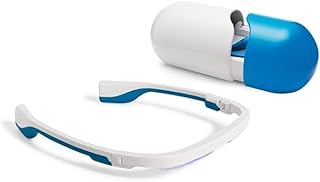
![2 Pack Blue Light Blocking Glasses for Computer Eye Strain [Dry Eye & Sour Eye], Anti Bluelight Glasses Men Women](https://m.media-amazon.com/images/I/61hxsq1-K8L._AC_UL320_.jpg)


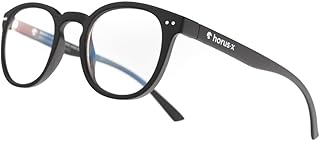

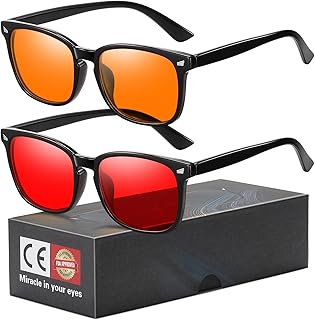

Blue light blocking glasses are available in a wide range of frame styles, lens technologies, tint levels and price categories. The right choice depends less on a headline “blue light blocking” percentage and more on how you intend to use the glasses. A person working eight hours a day at a monitor may prioritise lightweight frames, anti-reflective treatment and prescription compatibility, while a gamer may prefer a more pronounced amber tint, durable construction and a frame that remains comfortable with a headset.
It is also important to separate lens filtering from broader claims about eye health. A 2023 Cochrane systematic review of randomised trials found that blue-light filtering spectacle lenses probably make little or no difference to short-term visual fatigue compared with non-filtering lenses. That does not mean the glasses are useless: shoppers may still value them for glare management, lens coatings, comfort, appearance or reduced exposure to selected wavelengths. They should not, however, be treated as a guaranteed treatment for digital eye strain or a substitute for professional eye care.
Blue light is part of the visible-light spectrum. Digital displays emit visible light across multiple wavelengths, including portions of the blue spectrum. Blue-light filtering lenses are designed to reduce the amount of selected short-wavelength light reaching the eyes by absorbing, reflecting or otherwise attenuating portions of that spectrum.
Different products can therefore behave very differently even though they are all marketed as blue light glasses. One lens may have a subtle filtering coating and remain almost completely clear, while another may use a stronger filter that produces a noticeable yellow, orange or amber appearance.
For shoppers, the useful question is not simply “How much blue light does it block?” Instead, consider which wavelengths are filtered, how the filtering is measured, whether the lens is tinted, how the coating is applied, and whether independent testing or technical documentation is available.
These features are frequently confused. A blue-light filter is intended to modify transmission of selected wavelengths. An anti-reflective coating is designed to reduce reflections from the lens surfaces. They can coexist on the same lens, but they are not the same technology.
For computer use, an anti-reflective treatment can be particularly useful because reflections from overhead lighting, windows and bright screens can make viewing less comfortable. When comparing products, do not automatically assume that the pair with the largest blue-light percentage is the most comfortable option.
Clear lenses are generally the easiest choice for daytime work, studying, general office use and situations where accurate colour perception matters. They are also easier to wear as ordinary eyewear because they do not dramatically change the appearance of white backgrounds or photographs on a display.
Zenni Optical's Blokz range, for example, includes different filtering options with varying levels of visible tint and filtration. This illustrates an important buying principle: “blue light glasses” is a category rather than a single lens specification.
A light yellow tint can provide stronger filtering than a completely clear lens, depending on the lens design. The trade-off is that colours displayed on a monitor may appear slightly warmer. This may be acceptable for gaming, reading or evening computer use but less desirable for photography, graphic design, video editing or other colour-sensitive work.
Amber lenses are visually much more noticeable and can filter a broader or more substantial portion of short-wavelength visible light, depending on the product. They are often marketed toward evening wear, gaming or sleep-oriented routines.
However, stronger filtering does not automatically mean greater overall benefit. If a tint makes the glasses unpleasant to wear, distorts colours you need to see accurately or causes you to remove them frequently, the theoretical advantage may be less important than choosing a comfortable, appropriately specified lens.
If you already wear prescription eyewear, adding a separate pair of non-prescription blue-light glasses may be inconvenient. Prescription-compatible options allow the blue-light filtering feature to be incorporated into lenses matched to your existing prescription.
Brands such as Zenni Optical and Felix Gray offer prescription configurations for selected eyewear. Availability, prescription ranges, lens options and pricing can change, so Canadian shoppers should check the current specification for the exact frame and lens combination before ordering.
For anyone who has headaches, blurred vision, difficulty focusing, persistent eye discomfort or changing vision, it is better to have the underlying issue assessed rather than assuming blue light is responsible.
Look for meaningful technical information rather than a vague claim such as “blocks harmful blue light.” A useful specification identifies the relevant wavelength range or explains how filtration is measured.
Be cautious when comparing percentages from different manufacturers. A statement that a lens blocks a particular percentage of blue light is not necessarily comparable with another brand's percentage unless the wavelength range, measurement method and reference conditions are equivalent.
An anti-reflective coating can be valuable for monitor work, particularly in offices with overhead lighting. It can also improve the appearance of lenses by reducing distracting reflections.
Weight becomes more important as daily wearing time increases. A frame that feels fine for twenty minutes may become irritating after eight hours. Pay attention to frame material, bridge construction, temple design and how firmly the frame sits without excessive pressure.
Do not choose a frame solely from photographs. Compare the listed lens width, bridge width and temple length with a pair of glasses you already find comfortable.
Frame measurements can also help prevent common problems such as temples pressing against the head, lenses sitting too close to the eyes or the frame sliding down the nose.
The bridge affects both comfort and lens position. Adjustable nose pads can provide more fitting flexibility, while moulded bridges can offer a cleaner appearance. People with lower or higher bridges should pay particular attention to how the manufacturer describes the intended fit.
Common eyewear materials include different forms of plastic and polycarbonate. The appropriate choice depends on prescription strength, frame construction, weight requirements and impact considerations. Do not assume that the most expensive material is automatically the best option for every wearer.
Scratch-resistant treatments can help lenses withstand everyday handling, but they do not make lenses scratch-proof. Store glasses in a protective case and clean them with suitable lens-cleaning materials rather than abrasive household products.
Some blue-light glasses are available only as non-prescription eyewear, while others can be configured with single-vision, progressive, bifocal or reading prescriptions. Check the exact lens category before purchasing because the availability of these options can vary between frames.
For long workdays, prioritise comfort, accurate vision, low reflection, suitable frame dimensions and prescription compatibility. A nearly clear lens can be preferable if you frequently switch between a monitor, printed documents and other people in a meeting.
Felix Gray is one brand worth comparing in this category because its range includes multiple frame shapes and lens configurations designed around screen use. Compare the exact lens and frame specifications rather than choosing solely on brand reputation.
Gaming glasses should be assessed differently from ordinary fashion frames. Consider whether the temples interfere with a gaming headset, whether the bridge remains comfortable during long sessions and whether the lens tint affects the appearance of games.
GUNNAR is a well-known name in gaming eyewear and offers designs specifically associated with gaming and screen use. Its more visibly tinted options may appeal to shoppers who prefer stronger filtering, but colour perception should be considered before choosing an amber lens.
Students often move between laptops, tablets, phones, books and classrooms. A lightweight, versatile frame with a relatively neutral lens can therefore be more practical than a highly tinted specialist pair.
Budget-conscious shoppers can compare Zenni Optical's Blokz options with other entry-level frames, paying attention to the total configured cost rather than the frame-only price.
For people who specifically want stronger filtering in the evening, amber or orange lenses may be worth investigating. The important distinction is that this is a lifestyle preference rather than proof that the glasses will prevent or cure sleep problems.
If evening screen exposure is affecting your routine, also consider reducing screen brightness, using warmer display settings and avoiding stimulating screen activity close to bedtime.
If you want glasses that can remain on your face throughout the day, frame design matters as much as lens technology. Warby Parker, Felix Gray and Zenni Optical provide useful examples of brands where shoppers can compare conventional eyewear styling with blue-light lens options.
Digital eye strain is often associated with prolonged close-up screen work, reduced blinking, focusing demands, glare, poor ergonomics and extended periods without visual breaks. It is therefore overly simplistic to attribute every symptom to blue light.
A major evidence review by Cochrane found that blue-light filtering spectacles probably make little or no difference to visual fatigue over the short term compared with non-filtering lenses. This is an important consideration for anyone shopping specifically because of claims that blue-light glasses are proven to eliminate computer-related eye strain.
That evidence does not prevent someone from preferring a particular pair. Eyewear can still be useful as a comfort accessory, particularly when the frame fits well and the lenses include features the wearer values. The key is to make the purchase based on realistic expectations.
Amazon Canada can contain a very large selection of blue-light glasses, including established eyewear brands, specialist gaming products and inexpensive generic frames. A high review count by itself is not enough to identify the best product.
Before buying, examine the complete product listing and compare the actual lens specification, frame measurements, prescription availability, coating information and customer feedback.
Customer reviews are most useful when you look for repeated, specific observations rather than isolated praise or criticism.
A larger percentage can sound better in marketing copy, but the number is meaningful only when you understand what wavelength range it refers to. Strong filtering may also introduce more visible colour changes.
A great-looking frame can still be uncomfortable if it is too narrow, too wide or poorly suited to your bridge. Use measurements whenever they are provided.
Blue-light filtering eyewear should not be treated as a guaranteed treatment for eye disease, digital eye strain or sleep disorders. Evidence for broad health claims is considerably weaker than some product marketing suggests.
A low price is not automatically a problem, but shoppers should still check whether the listing clearly explains the lens, frame material, dimensions and return terms. If the technical information is missing, it becomes difficult to make a meaningful comparison.
If your work involves photography, design, video editing, ecommerce product images or colour grading, a strongly tinted lens may be inconvenient. A clearer lens may be more appropriate for those tasks.
The best lens technology cannot compensate for a frame that constantly slips, pinches or presses behind the ears. Comfort should be treated as a core specification, not an afterthought.
Canadian shoppers can have very different requirements depending on work and seasonal routines. A remote worker in Toronto may spend most of the day in front of multiple monitors, while a university student may alternate between a laptop, phone and printed materials. A gamer may care more about headset compatibility, while an outdoor user may place greater emphasis on UV protection and durable everyday eyewear.
For this reason, there is no universally correct “best” pair. The better approach is to identify the features that matter for your routine and then compare several products on equal terms.
Blue-light filtering and UV protection should not be treated as interchangeable. Ultraviolet radiation is outside the visible spectrum, while blue light is part of visible light.
If UV protection matters to you, look specifically for a stated UV specification rather than assuming a blue-light filter provides the same protection. Some modern lens ranges combine blue-light filtering with UV protection, but the exact specification depends on the lens selected.
Price should reflect the features you actually need. Basic non-prescription frames can be inexpensive, while prescription eyewear, premium materials, specialised lens treatments and advanced frame designs can increase the overall cost.
Instead of setting a budget around a marketing claim, decide which specifications are essential. For example, a shopper who needs prescription lenses should compare the complete prescription configuration, while someone seeking occasional screen-use glasses may not need premium prescription-level construction.
Prices, promotions, seller offers and configurations can change frequently in Canada, so always verify the current total price and exact specification before completing a purchase.
The following brands are useful starting points for commercial comparison because they represent different approaches to blue-light eyewear. This is not a claim that one brand is universally superior.
A genuine deal is not necessarily the product with the lowest advertised price. Value comes from the combination of frame quality, lens specification, fit, coatings, prescription compatibility and the total cost of the configuration you actually need.
For example, a very inexpensive frame may become less attractive if you need to pay substantially more for the lens treatment or prescription. Conversely, a higher-priced pair may offer features that are unnecessary for occasional use. Compare products at the same level of configuration before deciding which represents better value.
Proper maintenance can extend the useful life of almost any pair of glasses. Keep the glasses in a protective case when they are not being worn and avoid placing the lenses face-down on desks or other hard surfaces.
For cleaning, use a suitable lens-cleaning solution and a clean microfiber cloth. Avoid using paper towels, clothing or abrasive household cleaners because they can contribute to scratches or damage certain coatings.
Do not leave glasses exposed to excessive heat for extended periods. High temperatures can affect some frame materials and lens coatings.
If the frame becomes loose or misaligned, professional adjustment may be preferable to repeatedly bending the temples yourself. Prescription eyewear should also be checked periodically if the fit or vision seems to have changed.
If your primary concern is persistent eye pain, sudden changes in vision, recurring headaches, double vision, significant blurred vision or another ongoing visual problem, purchasing blue-light glasses should not be the first or only response.
Screen discomfort can have multiple causes, including uncorrected vision problems, focusing demands, dry eyes, poor workstation setup and excessive uninterrupted near work. An eye-care professional can help determine whether corrective lenses or another intervention is appropriate.
The best choice depends on your intended use, prescription requirements, preferred tint, frame fit and budget. Felix Gray, GUNNAR, Zenni Optical, Warby Parker, Cyxus and GlassesUSA are useful brands to compare across different categories.
They can be worthwhile if you like the frame, lens characteristics or filtering feature and understand what the product does. However, current clinical evidence does not support treating blue-light filtering glasses as a guaranteed solution for digital eye strain.
They can filter selected wavelengths of visible light, but that physical filtering should not be confused with proof of a broad health benefit. The Cochrane evidence review found little or no short-term difference in visual fatigue compared with non-blue-light-filtering lenses.
Choose clear or nearly clear lenses if colour accuracy and daytime versatility matter most. Consider a stronger yellow or amber tint if you specifically prefer more noticeable filtering and are comfortable with warmer colour reproduction.
They can be a practical accessory for gaming, but frame comfort and lens tint are more important than simply choosing the strongest filtering claim. Gamers should also check compatibility with their headset and consider whether the tint changes the appearance of game graphics.
Many non-prescription blue-light glasses are designed for everyday wear, but suitability depends on the specific lens and frame. If the glasses cause discomfort, distortion or headaches, discontinue use and reassess the fit and lens specification.
Blue light can interact with circadian processes, but consumer blue-light glasses should not be presented as a guaranteed sleep treatment. The effectiveness of a particular pair depends on its actual spectral filtering, timing of use and individual circumstances.
Parents should avoid choosing eyewear solely because of marketing claims about screen protection. Children who need prescription correction should receive appropriate professional eye care, and screen habits, viewing distance and regular breaks remain important considerations.
No. Non-prescription blue-light glasses do not correct refractive errors. If you require vision correction, choose an appropriate prescription configuration or consult an eye-care professional.
There is not strong evidence that ordinary screen exposure causes the type of eye damage that blue-light glasses are frequently marketed as preventing. Do not interpret a filtering claim as proof of protection against eye disease.
Not necessarily. Higher-priced glasses may provide better frame materials, lens options, prescription compatibility or coatings, but price alone does not establish superior performance. Compare specifications and fit rather than assuming cost equals quality.
The smartest way to shop for blue-light blocking glasses in 2026 is to treat them as eyewear first and a filtering accessory second. Start with the correct prescription or lens type, choose a frame that fits your face, decide how much tint you can tolerate and then compare the technical filtering and coating specifications.
For heavy computer users, prioritise comfort, lens clarity, reflections and ergonomics. For gamers, add headset compatibility and colour perception to the checklist. For evening use, consider whether a stronger tint fits your routine. For budget shoppers, compare the complete configured price and do not judge a product from its frame-only price.
Most importantly, keep expectations realistic. Blue-light filtering is one feature among many, not a guarantee of better eye health. A well-fitting pair of glasses, sensible screen habits, suitable lighting, regular breaks and appropriate professional eye care are all more useful foundations for comfortable digital-device use.