

♥ Wishlist
Compare 59 Baby Pillows for Cot products in Canada. Reviews, ratings, pros, cons and buying advice updated for October 2026.


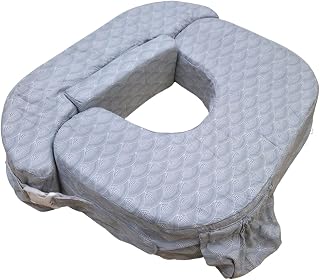


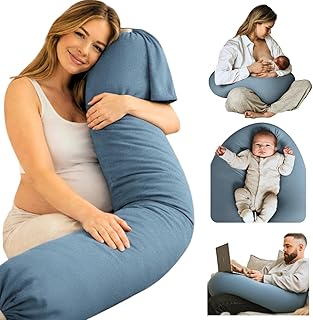


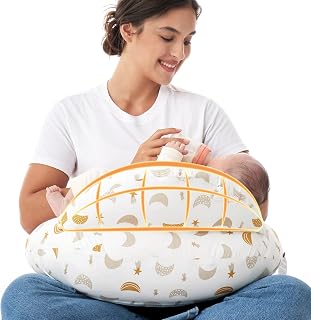
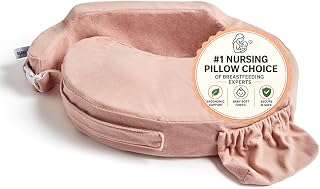


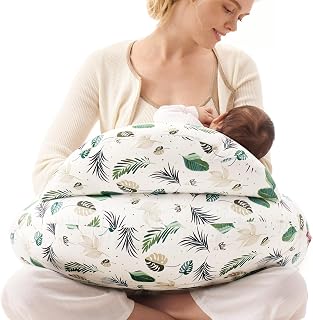


Choosing baby sleep products requires a different approach from shopping for ordinary pillows or adult bedding. For infants, the most important consideration is a safe sleep environment rather than softness, decorative design, or additional cushioning. In Canada, parents and caregivers should evaluate whether a product is actually appropriate for an infant's sleep space before considering comfort or convenience.
A baby pillow can be marketed for comfort, positioning, lounging, travel, or supervised use, but that does not automatically make it suitable for unsupervised sleep in a crib, cradle, or bassinet. A safer buying decision starts by identifying the intended use, the child's age and developmental stage, the manufacturer's instructions, and the applicable Canadian safety guidance.
For routine infant sleep, a firm, flat sleep surface with a properly fitted mattress and a fitted sheet is generally the foundation of a safer setup. Pillows, loose bedding, positioners, cushions, stuffed items, and other soft accessories should not be treated as necessary additions to an infant's sleep space. If a product is designed for use only while a baby is awake and supervised, its marketing should not be interpreted as approval for overnight or unattended sleep.
The terms baby pillow, cot pillow, crib pillow, newborn pillow, infant pillow, and baby sleeping pillow are sometimes used interchangeably in product listings. They do not necessarily describe products with the same purpose or safety profile.
A pillow is designed to elevate or cushion part of the body. A cot mattress, by contrast, is the primary sleep surface that supports the infant's entire body. When comparing products, shoppers should therefore avoid treating a highly cushioned pillow as an upgrade to a cot mattress.
Parents naturally associate plush materials, contoured shapes, head supports, and extra padding with comfort. For an infant's sleep environment, however, more cushioning is not automatically better. A product can feel extremely soft to an adult while creating an unsuitable sleep surface for a baby.
Before purchasing any baby pillow or cot accessory, ask whether the item is intended for sleep at all. If the manufacturer specifies supervised use, daytime use, or use while the child is awake, those limitations should be followed rather than assuming the product can remain in the crib overnight.
For babies, the safest purchasing decision is often the one that avoids unnecessary items in the sleep space. A parent looking for a baby cot deal should therefore evaluate the complete sleep system rather than simply choosing the softest or most highly padded product.
If the goal is to improve a baby's sleep setup, the cot mattress deserves more attention than decorative pillows. A suitable mattress should be designed specifically for the sleep enclosure and should match the dimensions specified by the crib, cradle, or bassinet manufacturer.
A firm, flat mattress provides a stable surface rather than allowing a baby's head or body to sink deeply into cushioning. Avoid interpreting adult mattress terminology such as plush, pillow-top, cloud-like, or ultra-soft as a benefit for infant sleep.
Fit is a critical specification. The mattress should be compatible with the particular crib, cradle, or bassinet rather than selected solely because its advertised dimensions appear close. Even a small mismatch can create an undesirable gap between the mattress and the sleep enclosure.
Look for a mattress that retains its intended shape and does not develop obvious depressions or excessive deformation during normal use. The mattress should be used according to its manufacturer's instructions and the instructions supplied with the sleep product.
Babies create frequent laundry challenges, so a removable and washable cover can be useful. However, convenience should not come at the expense of fit, firmness, or safe construction. Check exactly how the cover is intended to be washed and whether laundering affects its dimensions.
Material descriptions can help with comparison, but a material name alone does not establish whether a baby sleep product is suitable. Shoppers should assess the complete construction rather than assuming that natural, organic, hypoallergenic, breathable, or memory-foam terminology automatically means safer.
Foam can be used in mattresses and cushions because it can provide consistent structural support. When evaluating a foam-based product, consider firmness, thickness, construction, cover design, ventilation claims, odour information, care instructions, and the manufacturer's intended age range.
Memory foam is engineered to respond to body pressure and can create a sinking or contouring effect. That characteristic may be desirable in some adult products but should not automatically be considered appropriate for infant sleep. A baby sleep product should be assessed against infant-specific safety requirements rather than adult comfort expectations.
Fibre-filled cushions can be lightweight and soft, but softness is precisely why parents should be cautious about using them in an infant's unattended sleep environment. Follow the product's intended-use instructions and do not assume that a small size makes a cushion appropriate for a crib.
Cotton is commonly used for baby bedding because it can be comfortable and washable. However, a cotton cover does not change the safety characteristics of the underlying cushion. A product with a cotton exterior can still be unsuitable for unsupervised infant sleep if its construction is soft, loose, elevated, or otherwise inconsistent with safe-sleep recommendations.
Natural-fibre marketing can be attractive to parents, particularly when shopping for nursery products. Evaluate the actual fibre composition, finishing treatments, care requirements, and product construction rather than relying on labels such as natural or eco-friendly as a substitute for safety information.
Breathable is frequently used in descriptions of baby pillows, mattresses, liners, covers, and bedding. The term can refer to airflow through a particular material, but it should not be treated as a universal safety certification.
A product described as breathable can still be inappropriate for an infant's sleep space if its shape, thickness, softness, positioning function, or placement creates an unsafe environment. Parents should consider the entire product and its intended use rather than focusing on one marketing feature.
Water resistance and waterproofing can be valuable practical features because milk, spit-up, urine, and other fluids can reach the mattress. The important distinction is between protecting the mattress and adding a bulky or loose layer that changes the intended sleep surface.
The lowest advertised price is not necessarily the best deal. Baby bedding products can differ substantially in dimensions, construction, included accessories, warranty terms, washability, and intended age range. A meaningful comparison should look at the complete specification.
Customer reviews can help identify practical issues, but they should not replace safety guidance or manufacturer instructions. A reviewer may describe a pillow as comfortable for their baby, but that personal experience does not establish that the product is appropriate for unattended sleep.
When reading reviews, look for recurring comments about dimensions, material quality, washing performance, odour, durability, cover fit, and whether the item matches its published description.
Be particularly cautious with reviews that make broad safety claims without explaining the product's intended use. For infant products, independent safety information and current manufacturer documentation carry more weight than a collection of anecdotal comments.
Some product descriptions use persuasive language that can distract from the basic question of intended use. A careful buyer should pause when a listing emphasizes benefits without providing clear specifications or age restrictions.
Visual softness is not a reliable indicator of suitability for an infant. A plush pillow may be appropriate for supervised use in a particular situation while being unsuitable for the baby's regular sleep space.
A compact cushion can still introduce soft material into an infant's sleep area. Size alone does not determine suitability.
Ratings measure customer satisfaction with varying aspects of a product. They do not replace applicable safety recommendations or manufacturer instructions.
Even a high-quality mattress or bedding accessory may be unsuitable if it does not match the dimensions or configuration specified for the particular sleep enclosure.
Parents sometimes build a nursery sleep setup around bumpers, pillows, positioners, blankets, toys, and decorative cushions. More accessories do not necessarily produce a better sleep environment. For infant sleep, unnecessary items can create additional concerns.
Check mattresses, covers, fasteners, seams, and protective layers periodically. If a component is damaged, misshapen, excessively worn, or no longer fits correctly, it should not simply be kept in use because replacing it feels inconvenient.
Use the following checklist when comparing products available in Canada:
Brand familiarity can be useful when creating a shortlist, but a recognizable name should not be treated as proof that every product from that manufacturer is appropriate for every child or sleep situation. Product-specific instructions and specifications still matter.
Depending on the product category, Canadian shoppers may encounter established baby and nursery brands such as Graco, Safety 1st, Chicco, Delta Children, Newton Baby, Sealy Baby, HALO, Babyletto, and Simmons Kids. These names can be useful starting points for comparing product ranges, but buyers should evaluate each individual model rather than choosing solely by brand.
For mattresses and cot equipment, compare the exact model, dimensions, intended use, construction, care instructions, and current manufacturer information. A brand may offer several products with very different purposes and specifications.
The appropriate sleep setup changes as a child develops, but parents should not assume that reaching a particular age automatically makes every pillow or positioning product appropriate.
Newborns require especially careful attention to the basics of the sleep environment because they have limited motor control. As babies grow, they become increasingly mobile, but developmental changes can also affect how products interact with the child's movements.
Always follow current Canadian infant safe-sleep guidance and the manufacturer's age and use instructions. If a product is marketed for a specific developmental stage, verify the criteria rather than relying on an approximate age.
Portable cribs, travel cots, play yards, and similar products can make travel easier, but they should not automatically be treated as interchangeable with a full-size cot. The sleep surface and approved accessories should be used according to the product's instructions.
Parents should resist the temptation to add an aftermarket mattress, pillow, topper, cushion, or extra padding simply because the supplied surface feels firmer or thinner than an adult mattress. Before replacing or modifying a sleep surface, verify that the alternative component is specifically approved for that product.
Second-hand shopping can reduce costs, but infant sleep products deserve particularly careful inspection. The buyer may not know the complete history of an older mattress or cot, including whether it has been stored improperly, modified, damaged, recalled, or exposed to moisture.
For used products, check the exact model and manufacturer's instructions where possible. Inspect structural components, mattress fit, seams, fasteners, and the condition of the sleep surface. Do not rely on a seller's statement that an item is safe without verifying the product information yourself.
Frequent laundering is normal with baby bedding. Use the care instructions supplied by the manufacturer and allow components to dry completely before reuse.
Look for permanent depressions, damaged edges, torn covers, exposed internal material, moisture damage, or changes in shape. A mattress that no longer maintains its intended form should be replaced rather than repaired with improvised padding.
A clean sleep surface is easier to inspect and maintain. Avoid accumulating accessories that are not required for the intended sleep arrangement.
Fabric products can change dimensions after repeated washing. A fitted sheet or protector that once fitted securely should be checked periodically to ensure it continues to fit correctly.
Canadian winters can be extremely cold in some regions, but indoor nursery temperatures and heating systems vary. Parents should avoid solving cold-weather concerns by adding loose pillows, bulky bedding, or excessive layers to an infant's sleep space.
Instead, follow appropriate infant sleep guidance for clothing and room conditions. The objective is to keep the baby appropriately comfortable without introducing unnecessary loose or soft materials into the sleep environment.
This term can be useful when comparing materials, but it does not mean that a product is suitable for every baby or appropriate for unsupervised sleep.
Organic describes particular material or production characteristics when substantiated by appropriate information. It does not by itself establish that a pillow or bedding accessory is safe for infant sleep.
Breathability can describe material airflow, but it should never be used as the sole reason for placing a soft product in an infant's sleep space.
These terms can sound authoritative but may describe design characteristics rather than an infant-specific safety assessment. Check the intended age, purpose, and supporting product documentation.
Products marketed for head positioning require particular caution. Parents should discuss concerns about an infant's head shape with an appropriate healthcare professional rather than assuming that an aftermarket pillow is necessary or suitable for sleep.
Some baby cushions are designed for activities such as supervised tummy time, supported sitting, feeding, photography, travel, or temporary awake-time positioning. Such uses are fundamentally different from leaving a pillow in an infant's crib for unattended sleep.
If a product is intended for supervised activity, keep the child within the required level of supervision and follow the manufacturer's instructions. Do not extend the stated use simply because the child appears comfortable.
When evaluating a shortlist of baby cot mattresses or accessories, use a consistent framework. This makes it easier to distinguish meaningful differences from marketing language.
Deal hunting is most effective when shoppers establish the required specifications before looking at discounts. A low price is not a saving if the product is incompatible with the cot, cannot be cleaned conveniently, or does not meet the intended use.
Before comparing today's prices, write down the required mattress dimensions, cot model, preferred construction, cleaning requirements, and any relevant age limitations. Then compare like-for-like products across reputable Canadian retailers and marketplaces.
Also check whether a discount applies to the exact model you want. Product listings can contain several sizes, colours, generations, or configurations under one page, and the lowest displayed price may not correspond to the specification you need.
For routine unsupervised sleep, parents should not select a newborn pillow simply because it is marketed as soft, supportive, or ergonomic. A newborn's sleep environment should follow current Canadian safe-sleep recommendations. If a pillow is intended for supervised use, follow its specific instructions and age restrictions.
Parents should follow current Canadian infant safe-sleep guidance rather than adding a pillow to an infant's sleep space for comfort or positioning. A pillow marketed for supervised use should not automatically be used for overnight or unattended sleep.
A pillow is generally not a necessary component of an infant's basic sleep setup. A properly fitted, firm and flat sleep surface is more fundamental to the sleep environment than adding cushioning.
Prioritize a firm, flat construction, correct fit for the specific sleep enclosure, appropriate dimensions, stable construction, clear manufacturer instructions, and practical cleaning requirements. Verify compatibility before purchase.
Do not assume that memory foam is suitable simply because it is comfortable for adults. Infant sleep products should be evaluated according to their intended use, construction, firmness, manufacturer instructions, and applicable safety guidance.
Organic materials can be a personal material preference, but the label does not by itself establish that a pillow is suitable for infant sleep. Construction, intended use, firmness, fit, and safety guidance remain important.
There is no single replacement interval that applies to every mattress. Follow the manufacturer's guidance and inspect the mattress for damage, deformation, contamination, deterioration, or loss of proper fit. Replace it when it no longer meets the required condition or compatibility requirements.
A properly designed mattress protector can help with cleaning, provided it is compatible with the mattress and used according to the manufacturer's instructions. It should not create an excessively soft, loose, or poorly fitted sleep surface.
Parents concerned about an infant's head shape should seek advice from an appropriate healthcare professional. A commercially marketed head-shaping pillow should not be assumed to be necessary or suitable for unattended sleep.
The cot mattress is the more fundamental component of the sleep surface. For infant sleep, shoppers should prioritize a properly fitted, firm and flat mattress and a simple sleep environment rather than adding unnecessary pillows or cushions.
The smartest way to shop for baby cot products in 2026 is to separate genuine product benefits from features that merely sound appealing. A pillow's softness, contouring, plush filling, or decorative appearance should never take priority over a safe and appropriate sleep environment.
When comparing products, start with intended use and safety, then evaluate fit, construction, materials, cleaning, durability, and value. Check the exact model rather than relying on a brand name or generic product category, and review current manufacturer information before making a purchase.
For infant sleep, simpler is often better. A properly fitted sleep surface and appropriately selected bedding can address the essential requirements without adding unnecessary cushions or accessories. For any question involving a baby's health, development, positioning, or sleep safety, current advice from a qualified healthcare professional and Canadian public-health guidance should take precedence over retailer descriptions or customer reviews.