

♥ Wishlist
Compare 56 Baby Gear for Everyday Parenting in Canada products in Canada. Reviews, ratings, pros, cons and buying advice updated for October 2026.


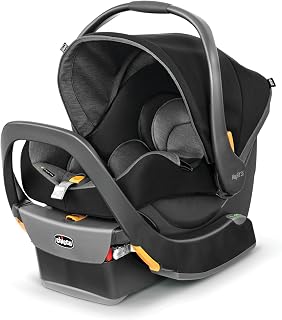


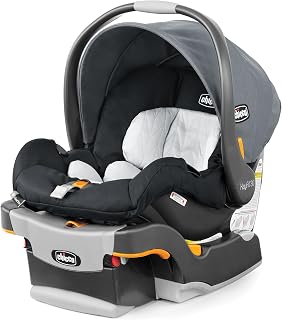


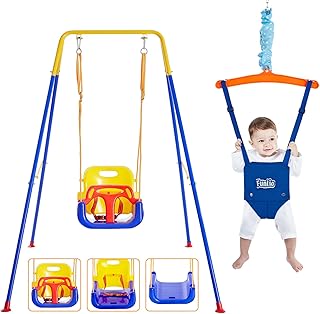


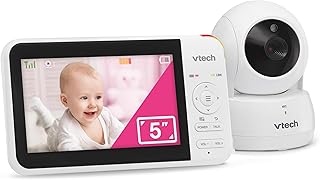


Choosing baby gear is less about buying the most expensive option and more about matching the product to your baby's age, your daily routine, available space, climate, and the way you actually travel. A smart purchase should solve a specific problem, remain useful for an appropriate period of time, and be practical enough that you will use it regularly.
For Canadian families, the buying decision can also involve considerations that are easy to overlook, including winter clothing and stroller compatibility, indoor versus outdoor use, storage space, vehicle size, Canadian safety requirements, replacement parts, cleaning requirements, and whether a product is realistically suitable for the baby's current developmental stage.
This guide is designed to help shoppers compare baby gear more intelligently rather than choosing solely on brand recognition, promotional wording, star ratings, or headline discounts. Before purchasing, compare the manufacturer's specifications, current retailer information, age and weight limits, safety instructions, included accessories, and verified customer feedback.
A smart buy is not necessarily the cheapest baby product. A lower-priced item can become expensive if it needs to be replaced quickly, has difficult-to-source accessories, is inconvenient to clean, or does not work well with the rest of your baby-care setup.
Conversely, a premium product is not automatically a better choice. Some higher-priced products offer useful improvements in materials, adjustability, portability, or convenience, while others may include features that a particular family never uses.
When comparing baby gear, consider the following:
The phrase “baby gear” covers a very broad range of products. Instead of treating every item as interchangeable, shoppers should evaluate each category according to its primary purpose and safety requirements.
A stroller is one of the most frequently used pieces of baby equipment, so comfort and everyday usability can matter more than a long list of specifications. Consider the stroller's folded dimensions, weight, wheel design, suspension, storage basket, handle height, braking system, recline mechanism and compatibility with the child's age and size.
Canadian shoppers should pay particular attention to how the stroller behaves in the environments where it will actually be used. A lightweight city stroller may be convenient for public transportation and indoor shopping, while a larger model may offer different handling characteristics on uneven surfaces. Winter conditions can introduce additional challenges, so wheel clearance, maneuverability and practical access to the basket should be considered where relevant.
Travel systems can combine a stroller with an infant car seat, but compatibility should never be assumed simply because two products are made by the same company. Verify the exact model and approved configuration before using an infant car seat with a stroller.
Brands commonly considered by Canadian baby-gear shoppers include UPPAbaby, Nuna, Graco, Chicco and Britax. Brand reputation can be useful as a starting point, but the exact model specifications should determine the final comparison.
Car seats require a different buying approach from ordinary baby accessories because correct installation and appropriate use are fundamental. Compare the seat according to the child's height and weight limits, installation method, vehicle compatibility, harness design, adjustment system and instructions.
Do not choose a car seat based only on appearance, price or online ratings. Read the manufacturer's installation instructions and consult appropriate Canadian safety guidance. Families should also check whether the seat is approved for use in Canada and whether it is suitable for the specific vehicle.
Infant seats can be convenient because they can often be removed from a vehicle without disturbing a sleeping baby, whereas convertible seats are designed to remain installed and accommodate children through multiple stages. The better choice depends on the family's routine, vehicle usage and intended period of use.
Britax, Graco, Chicco, Evenflo and Clek are among the brands shoppers may encounter when comparing car-seat options in the Canadian market. Always evaluate the exact model rather than relying on the reputation of the brand alone.
A carrier can be useful when parents want to keep their hands relatively free while carrying a baby. The most important factors include the child's permitted size and developmental stage, adjustability, support, ease of putting it on, fabric construction, ventilation and how the carrier distributes weight.
Different carrier designs suit different users. Structured carriers may offer straightforward adjustment and support, while wraps and soft carriers can provide a different carrying experience. If more than one caregiver will use the carrier, an adjustable design may be more practical.
Ergobaby and BabyBjörn are well-known names in this category, but shoppers should still read the instructions carefully and confirm the correct carrying position for the child's age and developmental stage.
A high chair should be evaluated for stability, restraint design, tray configuration, footprint and cleaning requirements. Food inevitably reaches areas that are easy to overlook, so a chair with an uncomplicated surface and accessible components may be easier to maintain.
Consider where the chair will be stored and whether it can be positioned safely at the family's normal dining area. Foldable designs can be helpful in smaller Canadian homes or apartments, while full-size high chairs may provide different levels of adjustability and longevity.
Never use a high chair outside its stated age, weight or developmental specifications. Follow the manufacturer's restraint and supervision instructions.
Baby monitors range from straightforward audio units to video systems with features such as night vision, two-way audio, temperature information, motion-related notifications and smartphone connectivity.
The smartest choice depends on which features genuinely solve a problem. A family primarily concerned with hearing a baby from another room may not need an advanced connected system. Conversely, parents who need remote access while travelling may place greater importance on connectivity.
Connected baby monitors deserve additional attention to account security and software support. Check whether the manufacturer provides firmware updates, what account protections are available, and whether the product continues to receive software support. Avoid treating connected features as a substitute for safe sleep practices or direct supervision.
Feeding products include bottles, sterilizing equipment, bottle warmers, breast pumps, formula preparation accessories, food processors and storage containers. The best choice depends heavily on the family's feeding method and routine.
For bottles, compare nipple flow options, bottle shape, material, cleaning requirements and replacement availability. Philips Avent and Dr. Brown's are familiar names in bottle and feeding products, while Medela and Spectra are commonly encountered when comparing breast-pump equipment.
For any powered feeding appliance, consider the cleaning process as carefully as the advertised functionality. A machine that performs several functions but requires complicated disassembly may be less convenient in daily use than a simpler product.
Changing tables, portable changing mats, diaper organizers, wipes containers and diaper-disposal systems are generally selected for convenience rather than advanced technology. Nevertheless, thoughtful design can make a substantial difference to daily routines.
Look for stable construction, accessible storage and surfaces that can be cleaned easily. A changing station should be arranged so that essential supplies are within reach without requiring a caregiver to leave the baby unattended.
Portable changing mats can be particularly useful for Canadian families who regularly move between home, vehicles and public spaces. When choosing one, compare its folded size, surface material, cleaning requirements and storage method.
Sleep-related baby gear requires especially careful product selection. Parents should distinguish between products designed for an approved sleep environment and accessories marketed primarily for comfort or convenience.
Cribs, bassinets and other sleep spaces should be selected according to current Canadian safety guidance and the manufacturer's instructions. Check dimensions, mattress compatibility, structural condition, assembly requirements and the product's intended stage of use.
Do not assume that additional pillows, positioners, padded accessories, loose bedding or decorative products make a baby's sleep space safer. For sleep products, safety requirements should take priority over convenience or appearance.
Bouncers, swings and activity centres can provide supervised entertainment or a convenient place for a baby to spend limited periods while awake. They should not automatically be treated as substitutes for an appropriate sleep space.
When comparing these products, examine weight limits, developmental-stage requirements, restraint systems, stability, battery or power requirements and cleaning access. Powered swings may provide additional motion settings, while simpler bouncers can be easier to move between rooms.
Fisher-Price, Graco, Ingenuity and BabyBjörn are examples of brands shoppers may encounter in this category. Compare the exact product instructions and intended use before making a decision.
Baby tubs, bath supports, towels, grooming kits and related accessories are relatively inexpensive compared with larger baby equipment, but their usability still matters.
Look for easy-to-clean materials, stable placement, appropriate sizing and clear instructions. Bathing products should always be used with direct adult supervision and according to their intended purpose.
Product specifications are more useful when they are interpreted in context. A long feature list does not automatically indicate better value.
Measure the product when both assembled and folded where applicable. For strollers, consider the available space in the vehicle trunk, entrance, closet and home. For high chairs and other large equipment, check doorways and storage areas before purchasing.
Product weight matters most when an item must be carried regularly. A heavier stroller may have characteristics that make it attractive for a particular use, but parents who frequently lift it into a vehicle may prioritize a lighter design.
Never treat age recommendations as merely marketing information. For baby gear, the manufacturer's specified age, height, weight and developmental requirements can determine whether the product is appropriate.
Common baby-gear materials include plastics, aluminum, steel, wood, silicone, polyester, cotton and various synthetic fabrics. Material selection should be considered alongside durability, cleaning requirements, comfort, weight and intended use.
Do not automatically assume that a particular material is safer simply because it sounds premium or natural. Look at the complete product construction and follow the manufacturer's care and usage instructions.
Baby products encounter milk, formula, food, saliva, diaper-related messes and frequent handling. Before buying, determine which parts can be removed, how they should be cleaned, whether they can be machine washed or dishwasher cleaned when permitted, and whether replacement parts are available.
Shopping in Canada introduces several practical considerations beyond comparing the advertised price.
Baby products can be subject to Canadian safety requirements and product-specific rules. Before buying a safety-critical item, confirm that the product is intended and approved for Canadian use where applicable, and review current guidance from relevant Canadian authorities.
Winter can significantly affect the practicality of outdoor baby gear. Parents in colder regions may need to consider stroller maneuverability, clothing layers, snow and slush exposure, storage of wet equipment and how frequently outdoor products will actually be used.
However, adding thick clothing or accessories to products such as car seats without confirming compatibility can create safety concerns. Follow the car-seat manufacturer's instructions rather than assuming that winter accessories are automatically appropriate.
A product may look attractive at the time of purchase, but long-term convenience depends partly on whether consumables and replacement components can be obtained when needed. Check availability of items such as bottle nipples, pump parts, stroller accessories, tray components, covers and other model-specific pieces before committing to a product.
A discount is only valuable if the underlying product is suitable for your needs. A useful deal comparison should consider the regular price, current price, included accessories, model generation, warranty information supplied by the manufacturer, replacement-part costs and the product's expected period of use.
A large percentage discount can attract attention, but the more important question is whether the product offers good value at the current price. Compare competing models with similar specifications instead of focusing on the size of the advertised reduction.
Retail listings can sometimes contain several versions of what appears to be the same product family. Compare the exact model number, included accessories, dimensions and specifications before concluding that two listings represent the same item.
Older baby-gear models may still be perfectly suitable when they meet current requirements and have appropriate manufacturer support. However, shoppers should distinguish between a legitimate clearance of an older model and a product that has been superseded because of a safety, design or compatibility issue.
Customer reviews can reveal practical issues that specifications do not describe, such as difficult cleaning, awkward folding or confusing assembly. They should be treated as one source of information rather than definitive proof of product quality.
Pay attention to recurring patterns rather than isolated comments. A single complaint may reflect an individual circumstance, while repeated comments about the same practical issue deserve closer investigation.
The right price point depends on how frequently the product will be used and which features matter to your family.
A budget product can be a sensible choice for occasional-use equipment, straightforward accessories or products where premium features provide little practical benefit. The key is to confirm that the lower-cost product still meets the relevant safety, quality and usability requirements.
Higher spending can sometimes make sense for products used every day or for several years, particularly when the additional cost provides meaningful improvements in durability, adjustability, ergonomics, cleaning convenience or compatibility.
Before paying more, identify the specific benefit you are receiving. If you cannot explain why the premium feature matters to your household, a simpler alternative may represent better value.
One of the easiest ways to control a baby-gear budget is to separate essential equipment from convenience products.
Whether a convenience product is worthwhile depends on the household. A feature that saves time every day can be valuable for one family and unnecessary for another.
Parents frequently operate equipment while holding a baby or managing another task. Where appropriate, one-handed folding, adjustment or opening can improve convenience. However, convenience should never override proper installation or safe operation.
For strollers, carriers, high chairs and other fabric-heavy products, removable covers can make maintenance easier. Check the manufacturer's cleaning instructions before assuming that a cover is machine washable.
Modular products can offer flexibility through interchangeable components. Compare exactly what is included and which accessories require additional purchases. A modular system is most useful when its flexibility matches the family's actual needs.
Compact folding can be particularly valuable in apartments, smaller homes and vehicles with limited cargo capacity. Always compare folded dimensions rather than relying on terms such as “compact” or “travel-friendly.”
Adjustable handles, harnesses, seats and other components can improve usability across different caregivers and developmental stages. Confirm the permitted adjustment range rather than assuming that a product is universally adjustable.
When two products appear similar, use a consistent comparison framework rather than switching between unrelated features.
Online reviews are useful when they are treated as practical evidence rather than as a replacement for specifications and safety information.
Look for reviews that explain how a product was used, what type of environment it was used in, and which specific feature caused satisfaction or frustration. Reviews that simply say a product is “amazing” or “terrible” provide less useful information for comparison.
Also look for differences between short-term and long-term feedback. A product can be easy to assemble and attractive when new but become more difficult to clean or operate after months of frequent use. Conversely, a product may initially feel complicated but become straightforward after regular use.
A disciplined buying process can prevent impulse purchases and make comparison shopping easier.
Good value does not end at checkout. Proper maintenance can help preserve the intended function of baby equipment and make it easier to identify wear or damage.
Do not use cleaning methods, detergents or disinfectants that are incompatible with the product's materials. Follow the manufacturer's instructions for removable fabrics, plastics, electronics and mechanical components.
Regularly look for damaged straps, loose fasteners, cracks, unusual wear, broken components or other signs that a product may no longer be suitable for use. Stop using equipment that appears damaged and consult the manufacturer when necessary.
Retaining the instruction manual and exact model information can make maintenance, accessory purchases and safety checks easier. This is particularly useful for products with multiple versions or model-specific replacement parts.
Baby products should never be selected solely for convenience, appearance or promotional claims. For safety-critical equipment, follow the manufacturer's instructions and current Canadian guidance, and verify that the product is appropriate for the intended use.
Parents should be especially cautious about products involving vehicle travel, sleep, restraints, elevated surfaces, water, electricity, heat or moving mechanisms. The correct product can still become unsafe if it is installed incorrectly, used outside its intended purpose or modified with incompatible accessories.
For recalled products, check current official recall information rather than relying exclusively on marketplace listings or older customer reviews. A product's historical popularity does not establish that every model or production batch remains suitable for use.
Brand familiarity can help shoppers build an initial shortlist, but it should not replace model-level comparison. Depending on the category, Canadian shoppers may encounter brands such as UPPAbaby, Nuna, Graco, Chicco, Britax, Clek, Evenflo, Ergobaby, BabyBjörn, Philips Avent, Dr. Brown's, Medela, Spectra, Fisher-Price, Ingenuity and Baby Brezza.
Each brand can offer products across different price levels and categories, so the most appropriate choice should be based on the exact product specifications, intended use, current safety information, compatibility and household requirements.
There is no single best baby-gear product for every Canadian family. The best choice depends on the baby's age and size, the family's transportation needs, home layout, climate, budget and intended frequency of use. Start by identifying the specific category and requirements before comparing individual models.
Compare the exact model across multiple reputable retailers, check the current specifications, review what accessories are included, and consider the total ownership cost. A low advertised price is not necessarily a good deal if essential accessories or replacement components cost substantially more.
Premium gear can be worthwhile when the additional cost provides a feature you will use frequently, such as better adjustability, easier cleaning, improved portability or a design that fits your routine particularly well. It is not necessary to buy premium products simply because they are more expensive.
No. Some simple products offer excellent practical value because they avoid unnecessary features. Compare construction, safety information, usability, durability, maintenance and specifications instead of assuming that price alone represents quality.
Pay particular attention to car seats, sleep-related products, strollers, carriers and other equipment involving restraints, elevated positions, transportation or moving components. These products require careful attention to age, size, installation, compatibility and intended use.
Customer reviews can provide useful information about everyday usability, but they should be combined with manufacturer specifications and official safety information. Look for recurring patterns and detailed experiences rather than relying on a single rating or review.
Products with appropriate adjustability can offer good value when they remain safe and suitable across multiple developmental stages. However, “grows with baby” should not be treated as a reason to compromise on fit or intended-use requirements.
Consider wheel design, maneuverability, folded dimensions, storage, cleaning requirements and how the stroller will be used on the surfaces encountered in your area. Also consider how bulky winter clothing affects the child's comfort and how any accessories interact with the manufacturer's approved configuration.
Frequently used equipment should be inspected regularly for damage, wear, loose components and other changes that could affect safe use. Follow the manufacturer's maintenance instructions and check current safety or recall information when appropriate.
Compare equivalent models according to the same criteria: safety and intended use, dimensions, weight, materials, adjustability, cleaning, included accessories, replacement parts, warranty information and total cost. Brand reputation is useful context, but the exact model should determine the comparison.
Before purchasing any major baby product, run through this checklist:
The smartest baby-gear purchase is ultimately the one that combines appropriate safety, dependable construction, practical usability and sensible total cost for your family's circumstances. Use this guide as a framework for comparing current products and deals in Canada, then confirm the latest specifications, retailer terms and official safety information before making a final purchase decision.