
♥ Wishlist
Compare 27 Baby Cream for Gentle, Everyday Baby Skin Care products in Canada. Reviews, ratings, pros, cons and buying advice updated for October 2026.


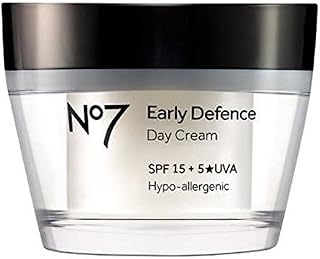



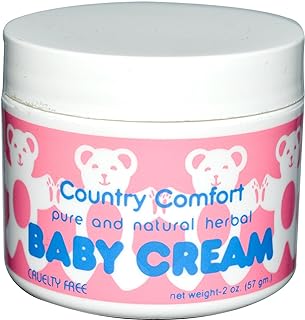




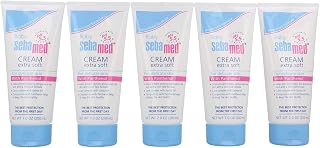


Choosing a baby cream is less about finding the longest ingredient list and more about matching the product to a baby's skin needs, climate, age, and the area where it will be used. A cream intended for everyday dryness may not be the right choice for the diaper area, while a rich barrier ointment can be useful for protecting particularly dry or exposed skin but may feel too heavy for routine use.
For Canadian families, seasonal conditions are another practical consideration. Cold outdoor air, dry indoor heating, wind, and frequent bathing can all contribute to dry-looking or rough skin. A suitable moisturizer should therefore be evaluated for its ingredients, texture, intended use, packaging, fragrance profile, and suitability for sensitive skin rather than simply its advertised claims.
This buying guide is designed to help shoppers compare baby creams and related moisturizers sold in Canada. Product availability, package sizes, formulations, prices, and retailer promotions can change, so always check the current product label and specifications before purchasing.
A smart purchase balances skin compatibility, formulation quality, intended use, ease of application, and overall value. The cheapest container is not necessarily the best value if the formula is unsuitable for your baby's skin or requires frequent replacement because of inefficient packaging.
The words cream, lotion, and ointment are often used interchangeably in everyday shopping, but their textures and water-to-oil ratios can differ substantially. Understanding these differences makes product comparison much easier.
Creams generally sit between lightweight lotions and heavier ointments. They can provide meaningful moisturization while remaining relatively easy to spread across larger areas of skin. This makes them a practical choice for everyday body moisturizing, particularly when skin feels dry but does not require an especially occlusive product.
Lotions are typically lighter and may spread quickly over large areas. They can be convenient after bathing or when a lightweight texture is preferred. However, very dry skin may benefit from a richer cream or ointment depending on the individual situation.
Ointments are generally more occlusive and can help reduce moisture loss by creating a protective layer over the skin. Their thicker texture can be especially useful for very dry areas or barrier protection. The trade-off is that ointments can feel greasy and may be less convenient for applying over the entire body.
Reading the ingredient list is one of the most useful ways to compare products that appear similar on the shelf. Instead of focusing on one fashionable ingredient, consider the complete formulation and the product's intended purpose.
Ceramides are lipids naturally associated with the skin barrier. Baby moisturizers containing ceramides are often marketed toward dry or sensitive skin because these ingredients can help support the skin's barrier function. CeraVe Baby is one example of a brand family shoppers may encounter when comparing ceramide-containing baby skincare.
Petrolatum is an occlusive ingredient that helps reduce water loss from the skin. It is widely used in protective skincare products and can be useful when the goal is to create a durable moisture barrier. Aquaphor products are another familiar option for shoppers comparing petrolatum-based protective formulations.
Colloidal oatmeal is used in moisturizers designed for dry and sensitive skin. It can provide soothing and moisturizing properties, although individual tolerance still matters. Aveeno Baby products are commonly associated with oatmeal-based skincare formulations.
Glycerin is a humectant that helps attract and retain water in the outer layers of the skin. It is frequently found in moisturizing formulations and can contribute to a comfortable, hydrated skin feel.
Dimethicone is a silicone-based ingredient used in many skincare formulations. It can help create a smooth protective layer and improve the feel and spreadability of a cream. Whether it is desirable depends on the overall formula and the baby's individual skin response.
Ingredients such as shea butter and certain plant-derived oils can contribute emollient properties. Natural origin alone does not guarantee that an ingredient will be better tolerated, however. Babies with particularly reactive skin may do better with a simple formulation containing fewer potential irritants.
For babies with sensitive or easily irritated skin, fragrance-free products are often worth prioritizing. Fragrance can make a product smell pleasant, but it does not provide a moisturizing benefit. If minimizing potential sources of irritation is the priority, a simple fragrance-free formulation can be a sensible starting point.
Do not confuse “fragrance-free” with “unscented.” An unscented product may still contain ingredients used to mask the natural smell of other components. Read the current ingredient declaration rather than relying exclusively on front-label marketing language.
When shopping for a baby with sensitive skin, simplicity is often more useful than an extensive list of botanical extracts or cosmetic additives. Look for products specifically formulated for babies or sensitive skin and examine the complete ingredient list.
Winter can change how a baby's skin feels. Outdoor cold and wind combined with heated indoor air may make skin appear drier than usual. A practical winter skincare routine may involve shorter, appropriately warm baths, gentle cleansing, and regular application of a suitable moisturizer after bathing.
A richer cream may be preferable to a lightweight lotion when dryness is the main concern. For particularly exposed or dry areas, an ointment can provide a more substantial barrier. The correct choice depends on the child's skin and how the product is tolerated.
Canadian shoppers should also consider package usability during winter travel. A container that is easy to close securely and dispense with one hand can be more convenient for parents managing a baby during cold-weather routines.
A very heavy product may feel uncomfortable during warmer weather, especially when applied over large areas. A lighter cream or lotion can be easier to spread and may be more comfortable for everyday use.
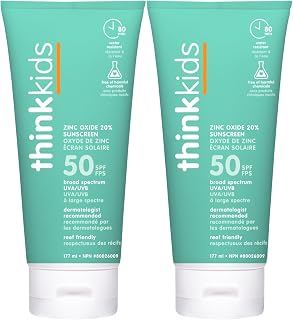
Moisturizer should not be treated as a substitute for sun protection. For babies and young children, follow age-appropriate sun-safety guidance and the product manufacturer's directions for any sunscreen product.
The face can require different considerations from the rest of the body because facial skin is exposed to saliva, food, wind, cold temperatures, and frequent wiping. A product suitable for the body is not automatically the best facial choice.
When comparing baby face creams, consider whether the product is specifically intended for facial use, whether the formulation is fragrance-free, how easily it spreads, and whether it leaves a heavy residue. Avoid getting skincare products into the eyes or mouth and follow the product label carefully.
Hands and cheeks can become especially exposed to cold, wind, saliva, and repeated wiping. A protective moisturizer can help maintain comfortable skin when applied according to its directions.
For localized dryness, a richer cream or protective ointment may make more sense than purchasing a large quantity of lightweight lotion. For frequent application, however, packaging that allows quick and hygienic dispensing can be more important than having the thickest possible formula.
Diaper-area products deserve separate consideration because the skin is exposed to moisture, friction, and contact with urine or stool. Barrier products are generally designed with protection in mind rather than simply providing everyday moisturization.
Common barrier formulations may contain ingredients such as zinc oxide or petrolatum. A diaper cream should be used according to its label directions, with attention to cleanliness and appropriate application.
If a diaper-area rash is persistent, severe, blistered, bleeding, spreading, associated with significant pain or fever, or otherwise concerning, consult a healthcare professional rather than repeatedly changing consumer skincare products.
The ingredient declaration can look intimidating, but shoppers do not need to memorize every cosmetic ingredient. Start by identifying the ingredients that relate to the product's main purpose.
Ingredients are generally listed in descending order of predominance under applicable labeling requirements, although the precise conventions and exceptions can vary. The presence of a particular ingredient should therefore be considered in the context of the complete formula rather than treated as proof that the product will work for every baby.
Natural-origin ingredients are not automatically safer or more suitable for every baby. Botanical extracts and essential oils can still cause irritation or sensitivity in some individuals. Evaluate the entire formula and the product's intended use.
A larger package can offer better value, but only if the product is appropriate and will be used before its recommended period after opening or expiration. Compare quantity, application requirements, packaging, and current price rather than automatically choosing the biggest container.
Everyday dry skin, diaper-area irritation, facial dryness, and a persistent rash are not necessarily the same problem. A general moisturizer should not be expected to address every type of skin condition.
Formulas and packaging can change. Always check the current ingredient list, directions, warnings, age guidance, and intended-use information on the package you are considering.
Price does not provide a reliable shortcut to suitability. Compare ingredients, formulation type, quantity, intended use, packaging, and verified customer feedback rather than assuming a premium price guarantees a better result.
When comparing several baby creams, use the same criteria for every product. This prevents packaging design, promotional language, or brand familiarity from dominating the purchasing decision.
Brand recognition can be useful as a starting point, but it should not replace ingredient and formulation comparisons. Depending on the specific product line and current Canadian availability, shoppers may encounter brands such as Aveeno Baby, CeraVe Baby, Cetaphil Baby, Aquaphor, Eucerin, Mustela, and other established skincare manufacturers.
Different products from the same brand can have substantially different purposes and ingredient profiles. Compare the exact product rather than assuming that every item carrying the same brand name has the same characteristics.
There is no single amount that is correct for every baby, every body area, and every formulation. Follow the product directions and apply enough to cover the affected area without unnecessarily creating a thick layer.
For everyday moisturizing, spreading the product evenly over clean skin can be more practical than repeatedly applying very small amounts that leave dry areas uncovered. For barrier products, follow the manufacturer's specific instructions because the desired layer can differ according to the product.
Applying moisturizer after bathing is a common part of a baby skincare routine because the product can help maintain skin hydration after cleansing. Gently pat the skin dry rather than aggressively rubbing it, then apply the moisturizer according to the product directions.
Moisturizer can also be reapplied when skin becomes dry or when the product label recommends additional applications. A consistent routine is generally more useful than applying a large amount of product only occasionally.
Over-cleansing can contribute to dryness, particularly when combined with very warm water or products that are not well suited to sensitive skin. Keep bathing routines gentle and use products according to their intended purpose.
Tubes are compact, portable, and convenient for diaper bags. They can also make it easier to dispense a controlled amount without repeatedly putting fingers into the container.
Pump packaging can be convenient when applying moisturizer with one hand. This can be particularly useful during busy bath-time routines. The downside is that pumps can take up more space and may be less convenient for travel.
Jars can make it easy to access thicker creams and balms, but repeated contact with the product can be less convenient than dispensing from a tube or pump. Follow storage and hygiene instructions provided by the manufacturer.
Customer reviews can provide useful information about texture, packaging, scent, ease of application, and perceived value, but they should be interpreted carefully. A review describing one child's experience cannot establish that a formulation will work for every baby.
Price promotions can change frequently, so the best approach is to compare the current price against package quantity and the normal cost of the product rather than relying on a displayed percentage discount alone.
When products come in different package sizes, cost-per-unit is a more meaningful comparison than the shelf price. For liquid or cream products sold by volume, divide the price by the number of millilitres and multiply by 100. For products sold by weight, use the same approach with grams.
This calculation should be combined with formulation and usage considerations. A cheaper product is not automatically better value if significantly more is required per application or if it is unsuitable for the intended purpose.
Prioritize a comfortable moisturizer that is easy to apply consistently. A medium-weight cream can provide a useful balance between hydration and convenience.
Consider richer creams or ointments designed to reduce moisture loss. A thicker texture may be less convenient but can be appropriate when greater occlusion is desired.
Keep the formulation simple and consider fragrance-free options. Introduce new products thoughtfully and discontinue use if irritation develops.
Packaging becomes especially important. A secure tube or appropriately sized container can be easier to carry than a large jar, while a familiar product may be preferable to experimenting with a new formulation immediately before travel.
Choose a compact, leak-resistant package that can be opened and closed quickly. For diaper-area care, select a product designed specifically for that purpose rather than relying on a general body moisturizer.
Every baby can respond differently to skincare products. If you are introducing a new product, using a small amount on a limited area first can make it easier to observe how the skin responds. Follow the manufacturer's directions and discontinue use if the product appears to cause irritation.
Keep skincare products away from the baby's eyes and mouth unless they are specifically intended for those areas. Store products safely and follow the manufacturer's storage instructions.
Consumer moisturizers should not be used as a substitute for medical diagnosis or treatment. If a baby develops a persistent or significant skin problem, consult an appropriate healthcare professional.
Marketing phrases can sound reassuring but should not be treated as a complete measure of product quality. Claims such as “dermatologist tested,” “hypoallergenic,” or “for sensitive skin” should be evaluated alongside the ingredient list, intended use, directions, and applicable labeling information.
“Hypoallergenic” does not mean that an allergic or sensitive reaction is impossible. Individual responses can occur with virtually any skincare formulation.
Before adding a baby cream to your shopping list, ask the following questions:
A richer cream can be a sensible choice for families dealing with noticeably dry skin, especially during periods when environmental conditions contribute to moisture loss. The heavier texture can provide longer-lasting protection than a lightweight lotion, although personal preference and skin response still matter.
A lightweight lotion can be preferable when the skin needs routine moisturization without a heavy or greasy finish. It may also be convenient for covering larger areas quickly. However, families dealing with significant dryness may find a richer cream more appropriate.
Ointments are useful when the primary objective is creating an occlusive layer that helps reduce moisture loss or provides protective coverage. They can be particularly practical for small, very dry areas. Their greasy texture means they are not necessarily the most convenient choice for routine full-body application.
Canada encompasses a wide range of climates, so there is no single “Canadian” baby cream requirement. A family living in a cold, dry winter climate may prioritize a richer barrier-supporting product, while a household in a warmer or more humid region may prefer a lighter formulation.
Indoor conditions matter too. Central heating can reduce indoor humidity during colder months, potentially making dry skin more noticeable. Rather than changing products repeatedly, consider whether bathing frequency, water temperature, cleansing products, and indoor environmental conditions are also contributing to dryness.
There is no single baby cream that is best for every child. The right choice depends on whether you need everyday moisturization, sensitive-skin care, protection from dryness, facial care, or diaper-area barrier protection. Compare formulation, ingredients, intended use, texture, package size, and current customer feedback before buying.
Fragrance-free can be a useful preference when minimizing potential irritation is important, particularly for sensitive skin. It is not a guarantee that a product will suit every baby, so the complete formulation still matters.
Always check the specific product label for age and usage directions. Newborn skin can be particularly delicate, and unnecessary skincare products may not be needed. If you have concerns about a newborn's skin, consult a healthcare professional.
Cream is generally richer than lotion and may be preferable when skin is noticeably dry. Lotion can be more comfortable for routine moisturizing over larger areas. The best choice depends on the severity of dryness, formulation, and individual skin response.
Neither is universally better. Ointments are generally more occlusive and can be useful for protecting very dry areas, while creams can offer a balance between moisturization and easier application.
Only use a product on the face when its directions indicate that it is appropriate for facial use. Keep products away from the eyes and mouth and consider a gentle, fragrance-free formulation when suitable.
A product made specifically for babies or sensitive skin may be a more appropriate starting point, particularly when the child has easily irritated skin. Always check the formulation and directions rather than assuming that every adult moisturizer is suitable.
Frequency depends on the baby's skin and the product's directions. Some families apply moisturizer after bathing and whenever dry areas appear. Follow the label and adjust the routine according to how the skin responds.
There is no universal list of ingredients that every baby must avoid. However, families concerned about sensitive skin often choose simple fragrance-free formulations and avoid products that have previously caused irritation. If a baby has a known allergy or diagnosed skin condition, follow the guidance provided by the appropriate healthcare professional.
Not necessarily. A higher price does not automatically mean a more suitable formulation. Compare ingredients, intended use, package quantity, texture, and current customer feedback to determine whether the additional cost provides a meaningful benefit for your needs.
Compare equivalent package sizes or calculate the cost per 100 mL or 100 g. Also check whether one listing is a single container while another is a multipack. A discount percentage alone does not tell you which product offers the better overall value.
Stop using a product that appears to cause irritation and follow appropriate medical guidance. For persistent, severe, painful, rapidly worsening, infected-looking, or otherwise concerning skin changes, seek advice from a healthcare professional rather than repeatedly testing different consumer products.
The smartest way to shop for baby cream in 2026 is to start with the skin's actual need and then compare formulations that are designed for that purpose. A lightweight lotion may be ideal for everyday use, a richer cream may be preferable for dry skin, and an ointment or dedicated barrier product may make more sense when stronger protection is required.
Pay particular attention to fragrance, ingredient composition, texture, package size, intended application area, and current labeling. Established brands such as Aveeno Baby, CeraVe Baby, Cetaphil Baby, Aquaphor, Eucerin, and Mustela can provide useful starting points for comparison, but the exact product formulation matters more than the brand name alone.
Before purchasing, compare current Canadian listings, verify the exact package and ingredient information, read recent verified customer reviews, and calculate the real cost per unit. Most importantly, remember that a consumer baby cream is intended for everyday skincare and should not replace professional advice when a baby's skin problem is persistent, severe, or unusual.