
Best Orthodontic Instruments Including Pliers Products online Canada
Explore our real-time updated product directory index curated for performance, verified star metrics, and historical consumer trust rankings.
Verified Deal Selections
54 Items Indexed


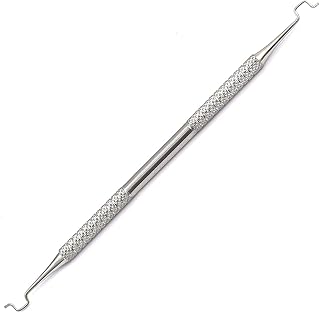


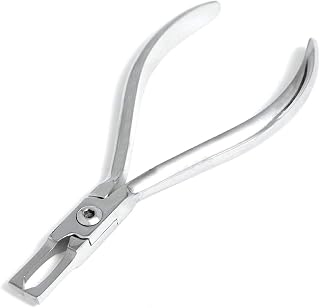


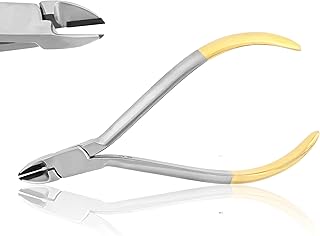


Explore Orthodontic Instruments Including Pliers
Orthodontic treatment relies on precise manipulation of wires, brackets, bands and related components. Orthodontic instruments including pliers are designed to give dental professionals the control required for these specialised procedures. Depending on the instrument design, a plier may be used for bending an archwire, forming loops, holding orthodontic components, cutting wire or making controlled adjustments during treatment.
This category is intended for shoppers researching orthodontic hand instruments and pliers for professional dental applications in Canada. Because different instruments are engineered for different tasks, understanding the basic functions of each type can make product selection more straightforward. The right instrument should match the clinical application rather than being selected solely by appearance or general similarity.
Common Types of Orthodontic Pliers
Orthodontic pliers are available in a range of specialised designs. Wire-forming and bending pliers can help clinicians create controlled bends and adjustments in orthodontic wires. Bird beak pliers are commonly associated with forming and contouring wires, while other specialised designs may provide different working ends for particular orthodontic techniques.
Distal end cutters are designed for cutting orthodontic wire, particularly where access and controlled cutting are important. Ligature cutters are intended for cutting smaller orthodontic ligature materials. Utility and holding pliers can assist with gripping or positioning components during clinical procedures. The exact application depends on the instrument's construction and the manufacturer's intended use.
Choosing Orthodontic Instruments for Clinical Use
When comparing orthodontic instruments, start with the procedure for which the tool will be used. Consider whether the instrument is intended for cutting, bending, forming, gripping or positioning. The shape of the working tips, jaw configuration and overall dimensions can affect access and control, so these characteristics deserve attention when evaluating products.
Handle design is another important consideration for professionals who use instruments repeatedly. A suitable handle can support controlled movements and comfortable handling during routine procedures. Instrument balance, grip characteristics and the amount of force required for the intended task can all influence day-to-day usability.
Materials, Construction and Instrument Quality
Orthodontic instruments are precision dental tools, so construction quality matters. Depending on the product, instruments may feature stainless-steel construction or other materials selected for strength, durability and resistance to corrosion. Smooth finishing and accurately formed working ends can be particularly relevant when precise manipulation is required.
Before purchasing, review the available product specifications carefully. Pay attention to dimensions, working-end configuration, material information and the manufacturer's stated application. For professional environments, it is also sensible to consider cleaning, disinfection and sterilisation requirements and to confirm that the selected instrument is appropriate for the facility's established infection-control procedures.
Orthodontic Pliers for Different Procedures
No single orthodontic plier is suitable for every task. Wire adjustment may call for a forming or bending instrument, while wire removal or trimming may require a dedicated cutter. Instruments designed for gripping or positioning can serve a different role. Building an appropriate instrument selection around the procedures performed in a practice can help ensure that clinicians have suitable tools available when needed.
For Canadian dental practices, clinics and professional buyers, it can also be useful to distinguish between instruments intended for routine orthodontic work and those designed for more specialised techniques. Product descriptions and technical specifications should be checked before ordering so the instrument's intended use aligns with the requirements of the practice.
Care and Maintenance of Orthodontic Instruments
Proper instrument care can help maintain functionality over time. Follow the manufacturer's instructions for cleaning, disinfection, sterilisation and storage. Instruments should be inspected regularly for signs of wear, corrosion, damaged tips, misalignment or other conditions that could affect performance.
Precision instruments should be handled carefully and stored in a way that protects their working ends. Cutting instruments in particular can lose effectiveness if their edges are damaged or used for materials outside their intended application. Using each orthodontic instrument only for its specified purpose can help support consistent performance and reduce unnecessary wear.
Shop with the Intended Application in Mind
When selecting orthodontic instruments including pliers, focus on the specific clinical function rather than simply choosing a general-purpose tool. Compare the instrument type, working-end design, dimensions, construction and stated application. This approach can make it easier to identify products that fit the requirements of orthodontic procedures and the working practices of a Canadian dental environment.
Whether you are replacing an existing instrument, expanding a clinical setup or sourcing specialised orthodontic hand instruments, reviewing the available specifications before purchase can help you make a more informed selection. Always follow professional protocols and manufacturer guidance for the use and maintenance of dental instruments.
Introduction
Orthodontic instruments including pliers are specialised dental tools designed for procedures involving orthodontic wires, brackets, bands and other components of orthodontic treatment. This category brings together instruments used for tasks such as wire manipulation, bending, cutting, contouring and adjustment. For Canadian dental and orthodontic professionals, selecting the appropriate instrument involves considering the intended procedure, instrument design, working access, handling characteristics and compatibility with clinical workflows.
Frequently Asked Questions
What are orthodontic instruments including pliers used for?
Orthodontic instruments including pliers are specialised dental hand instruments used for tasks such as bending, forming, holding, positioning and cutting orthodontic wires or related components. The specific function depends on the instrument design.
What types of orthodontic pliers are available?
Common types include wire-forming pliers, bird beak pliers, distal end cutters, ligature cutters and utility or holding pliers. Each design is intended for particular orthodontic applications.
How do I choose the right orthodontic plier?
Choose an instrument according to the procedure it is intended to perform. Review the working-end design, jaw configuration, dimensions, material, handle characteristics and manufacturer's stated application before purchasing.
Are orthodontic pliers suitable for cutting all dental wires?
No. Different cutters are designed for specific materials, sizes and cutting applications. Always check the manufacturer's specifications and use a cutter only for the materials and applications for which it is intended.
What should I consider when buying orthodontic instruments in Canada?
Canadian buyers should consider the intended clinical application, instrument construction, dimensions, working-end configuration, handling characteristics, manufacturer guidance and the cleaning and sterilisation requirements applicable to their practice.
How should orthodontic instruments be maintained?
Follow the manufacturer's instructions for cleaning, disinfection, sterilisation and storage. Regularly inspect instruments for corrosion, wear, damaged tips or misalignment and remove instruments from clinical use when their condition could affect safe performance.
Why is instrument design important in orthodontic procedures?
Orthodontic procedures can require precise movements in areas with limited working space. The shape and configuration of an instrument's working ends and handles can influence access, control and suitability for a particular task.
Frequently Asked Questions (FAQ)
❓ How are these Orthodontic Instruments Including Pliers options ranked?
Our custom data engine continuously scans product entries to verify high-performing items that carry a consistent rating above 4.2 stars, filtering out unreliable listings or items with artificial review jumps.
❓ Does clicking outbound links increase my checkout price?
Absolutely not. All generated product buttons use standard, secure commercial tracking tags. The item cost values reflect the official live marketplace catalog pricing identically.
❓ How often are the pricing deals updated on this page?
Our data tables utilize automated cache transients refreshed continuously throughout the week to fetch the freshest inventory nodes, live pricing metrics, and tracking structures.
❓ Are these products backed by standard consumer warranties?
Yes. Because our directory routes you directly to the verified official listing pages on Amazon, your purchases qualify for complete merchant protections, returns, and original brand manufacturing warranties.