Best Orthodontic Adhesive for Dental Bonding Applications Products online Canada
Explore our real-time updated product directory index curated for performance, verified star metrics, and historical consumer trust rankings.
Verified Deal Selections
51 Items Indexed


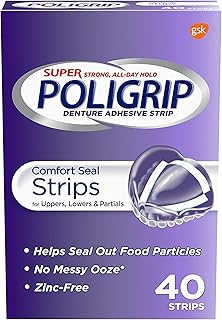


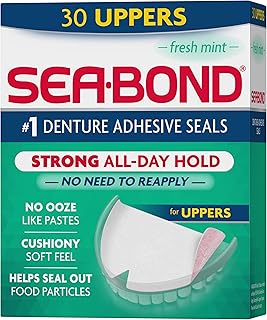


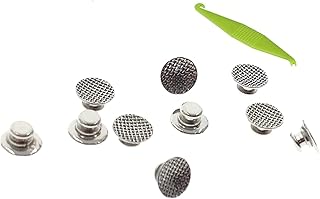


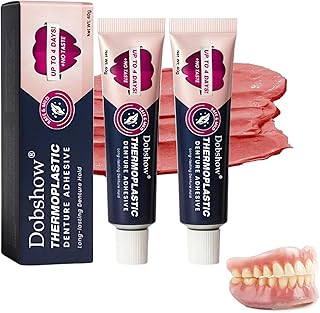


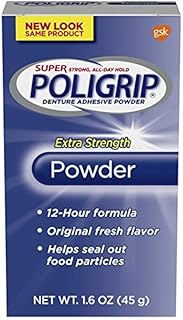
Shop Orthodontic Adhesive for Dental Applications
Orthodontic adhesive is used to create a bond between orthodontic components and tooth surfaces during procedures such as bracket placement. Because bonding performance can affect how securely an appliance remains positioned, choosing an adhesive according to its intended clinical application, handling characteristics, curing method, and manufacturer instructions is important. For Canadian dental professionals and practices, this category provides a focused way to explore orthodontic bonding materials while considering practical requirements such as workflow, storage, packaging, and compatibility.
Orthodontic adhesives can differ considerably in formulation and delivery format. Depending on the product, you may encounter light-cured, chemically cured, or dual-cure systems, as well as materials supplied in syringes, cartridges, bottles, or other professional-use packaging. Some products are designed as part of a complete bonding system and may be used alongside primers, etchants, applicators, or other accessories. Always check the individual product information to understand what is included and whether additional components are required.
How to Choose Orthodontic Adhesive
When comparing orthodontic adhesive products, start with the intended use. A material formulated for orthodontic bracket bonding may have different handling requirements from an adhesive intended for another dental procedure. Review the manufacturer's stated indications, substrate compatibility, curing requirements, working time, setting characteristics, and recommended application technique before selecting a product for professional use.
Consider the Curing Method
Curing method can influence how an adhesive fits into a clinical workflow. Light-cured systems can provide control over when curing begins, while chemically cured systems set through a chemical reaction. Dual-cure materials combine curing mechanisms and may be selected when particular clinical circumstances call for additional curing flexibility. The appropriate choice depends on the procedure, equipment, technique, and manufacturer's directions.
Review Handling and Application
Handling characteristics can be important when working through a multi-step bonding procedure. Consider factors such as viscosity, working time, dispensing method, placement control, and cleanup requirements. A product that fits the workflow of a dental practice can help make preparation and application more predictable. Product documentation should always be reviewed for precise instructions, recommended accessories, and any preparation steps.
Orthodontic Adhesive Features to Compare
Canadian shoppers can compare orthodontic bonding products by looking at several practical specifications. These may include adhesive chemistry, curing technology, package size, delivery format, storage requirements, shelf life, and compatibility with the manufacturer's recommended bonding protocol. If a product is supplied as part of a system, check whether primers, conditioners, etchants, or other components are sold separately.
Packaging can also matter for dental practices. Smaller packages may suit lower-volume use or practices that want to minimise opened-product storage, while larger formats may be useful where a product is used regularly. Always follow the manufacturer's storage conditions and expiration guidance. Proper storage can be important for maintaining product performance throughout its stated shelf life.
Orthodontic Bonding Materials for Professional Workflows
Orthodontic adhesive is generally selected as one part of a broader clinical bonding process. Depending on the bonding protocol, the workflow may involve tooth preparation, conditioning, primer application, adhesive placement, bracket positioning, excess removal, and curing. The exact sequence varies by product and clinical technique, so the manufacturer's instructions should take priority over general guidance.
When comparing products online, pay close attention to the exact product description rather than relying only on the category name. Verify whether the material is intended for orthodontic bonding, whether it requires a separate primer or activator, how it is cured, and what equipment is needed. This is especially useful when replacing a familiar product with an alternative formulation or purchasing supplies for a new clinical workflow.
Buying Orthodontic Adhesive in Canada
Canadian buyers may want to consider package quantity, product availability, shipping considerations, storage requirements, and the intended professional application when evaluating orthodontic adhesive. Product labels and manufacturer documentation should be checked for applicable regulatory information and professional-use requirements. If you are purchasing for a dental practice, maintaining consistent product specifications across routine procedures can also simplify inventory management.
For any dental material, use should be limited to the applications specified by the manufacturer and qualified dental professionals should follow applicable clinical protocols. Product information presented online should not replace the manufacturer's instructions, professional training, or clinical judgment. Before purchasing, compare the technical specifications of each adhesive and confirm that the product meets the requirements of the procedure for which it is intended.
Find the Right Orthodontic Adhesive for Your Needs
Whether you are reviewing bonding materials for routine orthodontic procedures or comparing alternatives for a professional dental practice, focusing on intended application, curing system, handling properties, packaging, and manufacturer guidance can make product selection more straightforward. Explore the orthodontic adhesive category to compare available options and identify products that align with your clinical workflow and purchasing requirements in Canada.
Introduction
Shop orthodontic adhesive options for dental bonding and orthodontic applications. This category helps Canadian buyers explore adhesive products designed for use with orthodontic appliances and related dental procedures, with attention to formulation, handling, curing method, packaging, and intended application.
Frequently Asked Questions
What is orthodontic adhesive used for?
Orthodontic adhesive is primarily used for bonding orthodontic components, such as brackets, to prepared tooth surfaces. The exact indication depends on the specific product and its manufacturer's instructions.
What types of orthodontic adhesive are available?
Orthodontic adhesives can include light-cured, chemically cured, and dual-cure formulations. Products may also differ in viscosity, delivery format, working time, and required bonding protocol.
Does orthodontic adhesive require a curing light?
Not necessarily. Light-cured adhesives require an appropriate curing light, while chemically cured products use a chemical setting reaction. Dual-cure systems use both curing mechanisms. Check the product specifications before purchase.
Do orthodontic adhesives require a primer?
Some adhesive systems are designed to be used with a separate primer or conditioning agent, while others may have different preparation requirements. Always follow the specific manufacturer's bonding protocol.
How should orthodontic adhesive be stored?
Storage requirements vary by formulation and manufacturer. Keep the product according to its stated temperature, light, humidity, and handling requirements, and do not use material beyond its stated expiry date.
What should Canadian buyers check before purchasing orthodontic adhesive?
Canadian buyers should review the intended application, curing method, formulation, package size, storage requirements, compatibility, manufacturer instructions, and applicable product or regulatory information before purchasing.
Can orthodontic adhesive be used for purposes other than its stated indication?
Use should follow the manufacturer's stated indications and instructions. An orthodontic adhesive should not be substituted for another dental material unless the manufacturer specifically supports that application.
Frequently Asked Questions (FAQ)
❓ How are these Orthodontic Adhesive for Dental Bonding Applications options ranked?
Our custom data engine continuously scans product entries to verify high-performing items that carry a consistent rating above 4.2 stars, filtering out unreliable listings or items with artificial review jumps.
❓ Does clicking outbound links increase my checkout price?
Absolutely not. All generated product buttons use standard, secure commercial tracking tags. The item cost values reflect the official live marketplace catalog pricing identically.
❓ How often are the pricing deals updated on this page?
Our data tables utilize automated cache transients refreshed continuously throughout the week to fetch the freshest inventory nodes, live pricing metrics, and tracking structures.
❓ Are these products backed by standard consumer warranties?
Yes. Because our directory routes you directly to the verified official listing pages on Amazon, your purchases qualify for complete merchant protections, returns, and original brand manufacturing warranties.