
Best Oral Surgery Burs Products online Canada
Explore our real-time updated product directory index curated for performance, verified star metrics, and historical consumer trust rankings.
Verified Deal Selections
16 Items Indexed






Explore Oral Surgery Burs for Dental Procedures
Oral surgery burs are rotary dental instruments designed for controlled cutting, shaping, or removal of tooth structure, bone, and other dental materials in appropriate clinical or laboratory applications. They are available in different materials, head shapes, cutting geometries, sizes, and shank configurations, allowing dental professionals to select an instrument according to the procedure and handpiece being used. The American Dental Association's standards resources identify dental rotary instruments and burs as a distinct area of dental standardisation, while ISO standards cover steel and carbide burs as well as finishing burs.
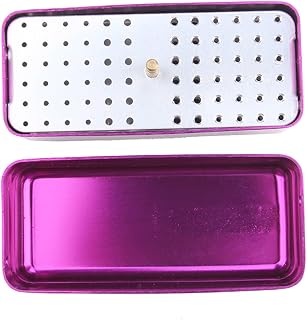
On this category page, Canadian shoppers can compare listings for oral surgery burs and related dental rotary instruments in one place. The products indexed here may include carbide burs, diamond burs, surgical-style cutting burs, bur assortments, and accessories associated with dental bur storage or handling. Because product availability and specifications can change, review the individual listing carefully before making a purchase.
Types of Oral Surgery Burs
Carbide Burs
Carbide burs are commonly selected when a cutting instrument with defined blade geometry is required. Their design can vary according to the intended application, head shape, cutting pattern, and shank configuration. When comparing carbide options, pay attention to the manufacturer's stated application, dimensions, and compatibility with the intended dental handpiece.
Diamond Burs
Diamond burs use an abrasive diamond surface rather than conventional cutting blades. They are available in a broad range of shapes and grit specifications and may be used for selected cutting, shaping, or finishing applications. Product descriptions should be checked for the recommended material, operating conditions, and handpiece compatibility before selection.
Different Head Shapes and Sizes
Bur geometry influences access, contact area, cutting behaviour, and the type of work for which an instrument is intended. Common descriptive terms may include round, tapered, fissure, bud, flame, and other specialised profiles. Diameter and working length are also important because the dimensions need to suit the procedure and available access.
How to Choose Oral Surgery Burs
Choosing the right bur starts with identifying the clinical application rather than selecting solely by price or appearance. Confirm whether the product is intended for the required procedure and material. Then check the bur's material, head shape, diameter, working length, cutting or grit characteristics, and shank type.
Handpiece compatibility is especially important. Dental rotary instruments can use different shank configurations, and a bur that does not match the required handpiece should not be selected simply because its head design appears suitable. Review the manufacturer's specifications for compatibility and operating requirements.
For Canadian dental practices and professional buyers, it can also be useful to compare pack quantity, replacement requirements, product dimensions, manufacturer information, and seller details. If a listing does not provide enough technical information to confirm suitability, consider obtaining the relevant specifications before ordering.
Consider Sterility, Reprocessing, and Handling
Dental surgical instruments require appropriate infection-prevention procedures. A product listing should not be interpreted as a substitute for the manufacturer's instructions for use, sterilisation requirements, or clinical protocols. Whether a bur is supplied sterile, intended for single use, or designed for validated reprocessing depends on the specific product. Always follow the manufacturer's instructions and the requirements applicable to the dental practice.
Compare Oral Surgery Burs in Canada
Use this category to compare available oral surgery bur listings and identify products that match your technical requirements. Product pages may differ in terminology, pack size, dimensions, and specifications, so comparing these details can help narrow the options. Where applicable, prices and availability are presented through the linked marketplace listing and may change over time.
When shopping online, consider the complete product specification rather than relying on a product title alone. Check the exact bur number or model, head dimensions, shank type, material, intended application, quantity, and manufacturer information. If you are purchasing for clinical use, make sure the selected product is appropriate for the intended professional application and is handled according to applicable instructions and standards.
Why Compare Dental Surgical Burs Before Buying?
Different oral surgical procedures can require different rotary instrument characteristics. A bur designed for one application may not be appropriate for another, even when the products have similar shapes. Comparing material, geometry, dimensions, compatibility, and manufacturer instructions helps create a more informed purchasing process.
For Canadian shoppers, this category also provides a convenient starting point for reviewing online listings through Amazon Canada. Use the available product information to compare options, then verify the current listing details before checkout because inventory, pricing, delivery estimates, and seller information can change.
Professional Use and Product Selection
Oral surgery burs are specialised dental instruments rather than general-purpose household tools. Their selection and use should be based on appropriate professional training, the procedure being performed, the manufacturer's instructions, and the requirements of the dental practice. This category is intended to help users discover and compare products; it does not replace clinical judgement, professional training, or manufacturer guidance.
Introduction
Shop and compare oral surgery burs for professional dental and oral surgical applications. Explore carbide and diamond options in different shapes, sizes, and shank configurations while checking compatibility, intended use, and product specifications before purchasing in Canada.
Frequently Asked Questions
What are oral surgery burs?
Oral surgery burs are rotary dental instruments used in appropriate professional applications for cutting, shaping, or removing tooth structure, bone, or dental materials. They are available in different materials, shapes, sizes, and shank configurations.
What materials are oral surgery burs made from?
Common dental bur materials include carbide and diamond-coated designs. The appropriate material depends on the intended application and the manufacturer's specifications.
How do I choose the right oral surgery bur?
Consider the intended clinical application, bur material, head shape, diameter, working length, cutting or grit characteristics, shank configuration, and compatibility with the intended handpiece. Always verify the manufacturer's specifications.
Are oral surgery burs reusable?
Reusability depends on the specific product. Some instruments may be designed for single use while others may be intended for validated cleaning and sterilisation procedures. Follow the manufacturer's instructions for use and the infection-control protocol of the dental practice.
Can any dental bur be used for oral surgery?
No. Dental burs differ in design, material, dimensions, and intended application. A bur should only be used for applications specified by the manufacturer and appropriate to the procedure and handpiece.
What should I check before buying oral surgery burs in Canada?
Check the exact model or bur number, material, head dimensions, working length, shank type, compatibility, intended application, pack quantity, manufacturer information, seller details, current price, and delivery information.
Are carbide and diamond burs the same?
No. Carbide burs use a cutting surface with carbide blades or geometry, while diamond burs use diamond abrasive particles. Their cutting characteristics and suitable applications can differ, so selection should be based on the intended use and manufacturer guidance.
Frequently Asked Questions (FAQ)
❓ How are these Oral Surgery Burs options ranked?
Our custom data engine continuously scans product entries to verify high-performing items that carry a consistent rating above 4.2 stars, filtering out unreliable listings or items with artificial review jumps.
❓ Does clicking outbound links increase my checkout price?
Absolutely not. All generated product buttons use standard, secure commercial tracking tags. The item cost values reflect the official live marketplace catalog pricing identically.
❓ How often are the pricing deals updated on this page?
Our data tables utilize automated cache transients refreshed continuously throughout the week to fetch the freshest inventory nodes, live pricing metrics, and tracking structures.
❓ Are these products backed by standard consumer warranties?
Yes. Because our directory routes you directly to the verified official listing pages on Amazon, your purchases qualify for complete merchant protections, returns, and original brand manufacturing warranties.