

♥ Wishlist
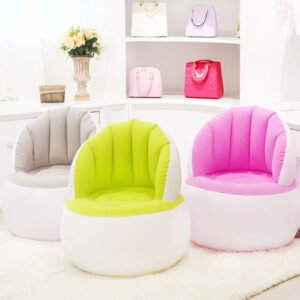


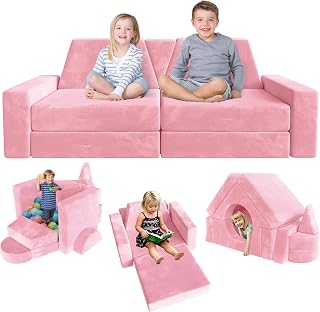




Choosing the right kids furniture can make a child’s bedroom, playroom, study area, or shared family space easier to use and enjoy. Children need furniture that supports everyday activities while fitting comfortably into the available room. A well-planned furniture collection can provide dedicated places for sleeping, studying, playing, reading, storing belongings, and getting ready for the day.
Kids furniture can include a wide variety of products, from beds and bedside pieces to children’s tables, chairs, desks, shelves, cabinets, toy storage, and other room essentials. The best choice depends on the child’s age, the purpose of the room, available floor space, storage requirements, and the overall layout you want to create. For Canadian households, practical design can be especially useful when rooms need to serve multiple purposes throughout the year.
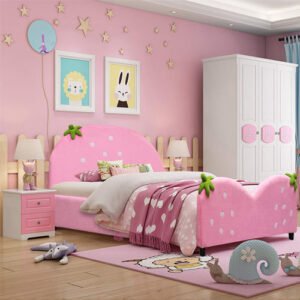
A child’s bedroom often needs to combine comfort, storage, and personal space. Kids bedroom furniture can help create an organised environment where everyday essentials have a designated place. Depending on the room, you may look for beds, nightstands, wardrobes, dressers, shelves, storage units, or compact furniture suited to smaller bedrooms.
When selecting bedroom furniture, consider the available floor area and how much room your child needs to move around comfortably. Furniture dimensions should be checked carefully before purchase, particularly in apartments, condos, shared bedrooms, and compact Canadian homes. It is also useful to think about how the furniture may work as the child grows and their needs change.
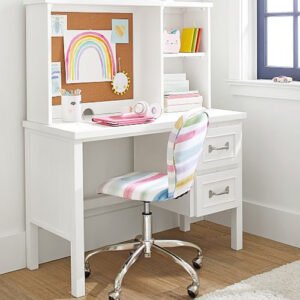
A dedicated table or desk can give children a comfortable place for homework, drawing, reading, crafts, and other activities. Kids desks and tables come in different sizes and configurations, making it possible to create a study or activity area without using excessive floor space. Matching or coordinating chairs can complete the setup while helping define a specific area for focused activities.
For school-age children, consider the desk surface, storage options, available legroom, and placement within the room. A suitable setup can help keep books, stationery, art supplies, and other everyday items organised. If the furniture will be used for several activities, a versatile design can be more practical than a piece intended for only one purpose.
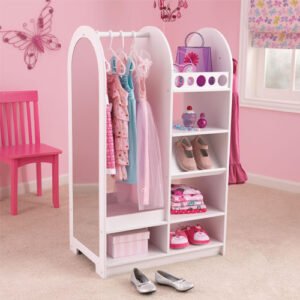
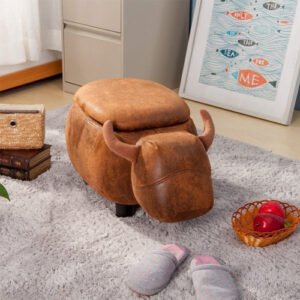
Storage is an important part of children’s furniture because toys, books, clothing, school supplies, and personal belongings can quickly accumulate. Shelving units, storage cabinets, toy organisers, drawers, and other storage furniture can help keep frequently used items accessible while reducing visual clutter.
Think about what needs to be stored before choosing a storage solution. Open shelving can make books and toys easy to see, while enclosed cabinets can provide a tidier appearance. For smaller rooms, vertical storage can make better use of available space without taking up as much floor area. Flexible storage can also adapt as children move from toys and picture books to school materials, sports equipment, and hobbies.
A playroom or activity corner benefits from furniture that supports creativity and independent play. Depending on the available space, this may include child-sized tables and chairs, book storage, toy storage, shelves, cabinets, or furniture designed for specific activities. Keeping frequently used items organised can make it easier for children to access their belongings and participate in tidying up.
For multipurpose family rooms, consider furniture that blends naturally with the rest of the home. Neutral finishes and adaptable designs can work well when a space needs to transition from playtime to homework, reading, crafts, or family activities.
Before buying kids furniture, measure the intended space and compare the product dimensions carefully. Consider doorways, stairways, lift access, room layout, and clearance around other furniture. In a shared bedroom, compact pieces may help preserve valuable floor space, while larger rooms may allow more flexibility.
Material and construction are also worth considering. Look for furniture appropriate for its intended use and follow the manufacturer's assembly, weight, cleaning, and care instructions. If purchasing furniture for younger children, pay particular attention to applicable safety information and age recommendations provided with the product.
Kids furniture should balance everyday practicality with the needs and personality of the child using the space. Whether you are furnishing a nursery-to-childhood transition, refreshing a bedroom, creating a study corner, or organising a play area, choosing furniture based on room dimensions and daily routines can make the space more useful.
Explore the kids furniture category to compare options for bedrooms, study areas, storage, playrooms, and other children's spaces. Focus on dimensions, intended use, materials, storage capacity, and care requirements to find furniture that fits your home and your child's everyday routine.
Make children’s rooms more comfortable, organised, and inviting with kids furniture designed for everyday living. From bedroom essentials and storage solutions to tables, chairs, desks, and playroom furniture, the right pieces can help create a practical space that suits growing children. Browse kids furniture with Canadian homes, room sizes, everyday routines, and changing needs in mind.