

♥ Wishlist


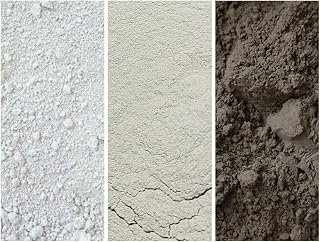


Type 9 Glass Ionomer Cement is a category of dental glass ionomer materials intended for professional dental applications. Glass ionomer cements are commonly formulated from a glass component and an acid component that react to form a cement. Depending on the particular formulation, these materials can provide adhesion to tooth structure and release fluoride after setting. Because formulations and indications vary between manufacturers, dental professionals should always review the product documentation before selecting a cement for a specific procedure.
For Canadian dental clinics, choosing the right glass ionomer cement involves more than searching for a product by category name. Type 9 or Type IX may be used as a product classification or marketing designation, so it is important to check the manufacturer's stated indication, working time, setting time, mixing requirements, delivery format, and recommended technique. Product specifications can differ considerably, even among materials that appear similar in an online category.
When reviewing Type 9 Glass Ionomer Cement products, start with the intended clinical application. Some glass ionomer materials are designed for restorative procedures, while others may be formulated for lining, base, luting, or other dental uses. A product should only be selected when its documented indication matches the planned procedure. Checking the manufacturer's instructions for use is particularly important for professional dental materials.
Handling characteristics are another important consideration. Look at the powder-to-liquid ratio where applicable, mixing method, working time, setting time, moisture sensitivity, and recommended finishing procedure. Some products are supplied as conventional powder and liquid systems, while others may use pre-measured capsules or other delivery formats. The appropriate choice depends on the workflow of the dental practice and the requirements of the procedure.
When comparing Type 9 Glass Ionomer Cement in Canada, review the complete specification rather than relying only on the category title. Consider the product's composition, shade options where applicable, package quantity, dispensing format, mixing instructions, and storage conditions. Also check whether accessories or dispensing equipment are required. These details can affect both convenience and total purchasing cost.
Setting behaviour can also influence clinical workflow. A dental team may need a material with a particular working time or setting profile depending on the procedure. However, setting times should not be compared in isolation because they are affected by the manufacturer's formulation and recommended mixing technique. Follow the manufacturer's instructions for preparation, placement, protection, finishing, and curing or setting procedures.
Canadian shoppers can use this category to review available Type 9 Glass Ionomer Cement products and compare their specifications before making a purchase. Pay attention to package size and unit quantity when comparing prices. A larger pack may have a different cost per application than a smaller pack, while capsule-based products may have different handling requirements from conventional systems.
It is also useful to confirm product availability, shipping information, and any applicable Canadian taxes or delivery charges before completing an order. Dental practices should consider stock requirements and expiry information when purchasing materials in larger quantities. Ordering a suitable quantity can help avoid unnecessary waste while maintaining an appropriate supply for routine clinical work.
Dental cement is a professional-use material, and correct handling is essential. Always consult the current manufacturer's instructions for use, safety information, storage requirements, and clinical indications. The product information should take precedence over general descriptions on an ecommerce category page. If there is uncertainty about whether a specific Type 9 Glass Ionomer Cement is appropriate for a procedure, consult the relevant manufacturer documentation and qualified dental professionals.
Whether you are replenishing dental supplies or comparing glass ionomer materials for a clinic, this category provides a starting point for reviewing Type 9 Glass Ionomer Cement options. Compare intended use, formulation, delivery system, handling requirements, pack size, and manufacturer guidance to narrow your choices. For Canadian dental practices, also consider delivery timelines and purchasing requirements when selecting a product.
Use the available product listings to compare specifications and select a Type 9 glass ionomer cement that aligns with the documented requirements of your intended dental application. Always verify the current product description and manufacturer's instructions before purchase and use.
Explore Type 9 Glass Ionomer Cement for dental professionals and clinics in Canada. This category brings together glass ionomer cement products identified as Type 9 or Type IX, with options that can be reviewed according to formulation, intended application, setting characteristics, packaging, and manufacturer specifications. Before purchasing, check the individual product information carefully to confirm that the cement is suitable for the procedure and clinical use intended.