

♥ Wishlist
Compare 60 Womens Suiting Blazers products in Canada. Reviews, ratings, pros, cons and buying advice updated for October 2026.


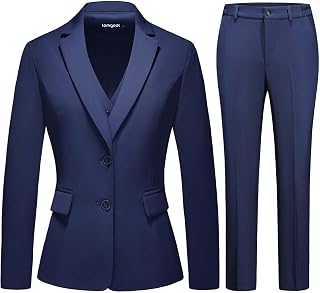


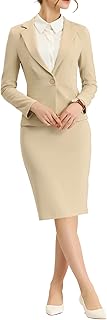

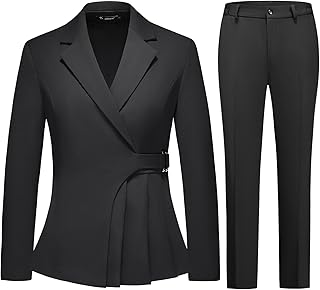


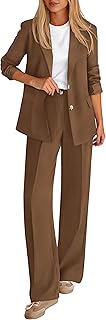


A well-chosen women's suiting blazer can work across professional, smart-casual and occasion wardrobes. The right model should do more than look polished on a product page. It should have a suitable cut, dependable construction, comfortable fabric, useful pockets and proportions that work with the rest of your wardrobe. For Canadian shoppers, seasonal conditions also matter, particularly when a blazer needs to work between heated indoor spaces and cooler outdoor temperatures.
The best women's suiting blazer depends heavily on where and how you plan to wear it. A blazer for a corporate office may require a more structured silhouette and conservative colour. A model intended for business travel may need wrinkle resistance and lighter construction. For everyday wear, stretch and easy-care materials can be more valuable than formal tailoring.
One of the most common mistakes when shopping for women's blazers online is treating the stated size as a guarantee of fit. Sizing varies considerably between manufacturers and styles. A blazer marked with the same numerical or letter size can fit differently depending on its intended silhouette, fabric and pattern.
The shoulder seam should generally sit close to the natural edge of the shoulder. If it extends noticeably beyond the shoulder, the blazer may appear oversized even when the rest of the garment fits. If it sits too far inward, movement can become uncomfortable and the garment may pull across the upper back.
For a single-breasted blazer, check how the fabric behaves when the front is closed. Excessive pulling around the button can indicate that the chest or waist area is too restrictive. At the same time, a very loose front can reduce the tailored appearance.
Sleeve length is partly a matter of personal preference, but it should look intentional. A sleeve that is substantially too long can make a fitted blazer look poorly proportioned. If you intend to wear the blazer with shirts or thin knitwear, allow enough room for comfortable layering.
Blazer length affects the overall appearance of an outfit. Longer styles can create a streamlined look with trousers, while shorter cuts can work well with dresses, skirts and high-rise bottoms. Consider your usual wardrobe rather than selecting a length based solely on a product photograph.
Product photographs can show styling, but specifications and detailed images are more useful for assessing construction. Examine the collar, lapels, seams, cuffs, buttons and lining wherever product information makes those details available.
Notch lapels are versatile and commonly suit professional wardrobes. Peak lapels create a stronger, more formal visual effect. Collarless and minimalist designs can look contemporary but may be less traditional for formal business settings.
Buttons influence both appearance and practicality. Check whether the product description specifies the closure style and whether the blazer is designed to be worn open, closed or either way. Decorative buttons can provide visual interest, while simpler hardware tends to support a more understated professional appearance.
Functional pockets are useful, but pocket placement also influences the silhouette. Welt pockets can provide a streamlined appearance, while flap pockets create a more traditional suiting look. If you expect to carry a phone, keys or other small items, verify whether the pockets are genuinely functional rather than decorative.
A lined blazer can slide more easily over other clothing and may provide a more structured finish. However, lining can also increase warmth. For Canadian shoppers who frequently move between cold outdoor conditions and heated interiors, the balance between insulation and breathability should be considered carefully.
The fabric determines much of a blazer's comfort, appearance, durability and care requirements. No single material is automatically best for every shopper.
Polyester is widely used in affordable suiting garments. It can offer useful resistance to wrinkles and relatively straightforward care. However, breathability and hand feel vary significantly between fabrics, so the percentage alone does not tell the entire story.
Rayon and viscose can provide a soft drape and a smoother feel. They are often used in blends to improve comfort and appearance. Care instructions should be checked because some constructions may require more careful laundering.
A small amount of stretch fibre can make a substantial difference in comfort, especially around the shoulders, arms and waist. Stretch can be particularly useful if the blazer is worn for long working days or while travelling.
Wool and wool-blend suiting can provide a classic tailored appearance and useful temperature regulation. These fabrics can be particularly appropriate for cooler seasons, although care requirements, weight and price can vary widely.
Cotton-based fabrics can feel comfortable and breathable, making them useful for less formal settings and warmer conditions. Depending on the weave and blend, they may have less structure than traditional suiting fabrics.
A structured blazer typically has more defined shoulders, a firmer shape and a more formal appearance. It can be a strong choice for interviews, office environments and formal business clothing.
An unstructured blazer usually has a softer construction and less pronounced shaping. It tends to feel more relaxed and can transition easily into casual outfits. Neither construction is universally better. The better choice depends on your wardrobe and intended use.
Single-breasted blazers are generally easier to style and are a practical choice for a versatile wardrobe. They work naturally with trousers, skirts, dresses and denim.
Double-breasted designs have overlapping front panels and usually create a more pronounced silhouette. They can add visual structure and make a strong statement, but shoppers should pay particular attention to button placement, waist shaping and overall proportions.
Colour should be considered according to how many outfits the blazer can complement. Black, navy, charcoal and grey are generally versatile choices for professional wardrobes. Beige, camel and other neutral shades can provide a softer alternative for smart-casual styling.
Brighter colours and patterns can add personality, but they may be less flexible if you want one blazer to work across many outfits. Before buying, consider at least three existing tops, bottoms or dresses that could be worn with the blazer.
A black blazer is a dependable option for formal and semi-formal wardrobes. It can work with matching trousers for a suit-inspired appearance or with contrasting clothing for a more relaxed outfit.
Navy offers a professional appearance while providing a softer alternative to black. It can work particularly well with grey, white, beige and denim-based outfits.
Grey is useful when you want a neutral blazer that does not create as much contrast as black. Different shades range from light and casual to dark and formal.
Checks, stripes and other patterns can make an outfit more distinctive. However, patterns can reduce versatility. If your wardrobe already contains printed shirts, dresses or accessories, a restrained blazer may be easier to coordinate.
When comparing several products, avoid focusing on one headline feature. A blazer with an attractive appearance may not be the best overall choice if the sizing information is unclear or the fabric is unsuitable for your intended use.
Product photography can make a blazer appear more structured, fitted or substantial than it is. Images may also use professional styling, lighting and tailoring. Always compare the photographs with the written specifications.
Buying a blazer based only on your usual clothing size is risky. Your best reference is often a blazer that already fits you well. Measure it where appropriate and compare those dimensions with the product's published measurements.
A blazer can look appropriate for a season without being comfortable in that season. Consider whether you will wear it over a shirt, blouse, sweater or dress and whether the fabric is suitable for the temperatures in which you expect to use it.
Stretch improves freedom of movement, but it cannot compensate for fundamentally incorrect proportions. A blazer should still have appropriate shoulder width, body length and chest dimensions.
A garment that requires more maintenance may be inconvenient if you need a blazer for frequent workwear. Review the care label and product instructions before making a decision.
Canada's climate makes layering an important consideration. A blazer intended for year-round use should be evaluated differently from one purchased specifically for winter or summer.
Medium-weight blazers and breathable blends can work well during transitional weather. A moderately structured design can also layer over lightweight tops without becoming excessively bulky.
Look for lighter construction and fabrics that allow comfortable movement. Breathability becomes especially important when wearing a blazer indoors without removing it throughout the day.
Autumn is well suited to versatile blazers because they can be layered over shirts, blouses and fine knitwear. Neutral colours can also coordinate easily with seasonal trousers and skirts.
For colder conditions, consider wool or suitable heavier blends and leave enough room for the layers you normally wear underneath. A blazer should not be so tight that a sweater restricts movement.
A professional blazer does not necessarily need to be expensive. What matters is how consistently its fit, construction and appearance meet your requirements. For interviews and formal workplaces, restrained colours and conventional tailoring are usually easier to style than highly decorative designs.
For business travel, versatility becomes more important. A blazer that can be worn with matching trousers, separate trousers, a skirt or dark denim may provide greater practical value than a highly specialised formal design.
If you want a complete suit, check whether the blazer is designed to coordinate with matching trousers or a skirt. Colour alone does not guarantee that two garments will look like a matched set. Fabric texture, weave, shade and finish can differ.
For a separate blazer wardrobe, contrast can be intentional. A navy blazer with grey trousers, a black blazer with neutral trousers or a beige blazer with darker bottoms can create distinct looks without requiring a complete matching suit.
When researching women's suiting blazers, comparing established fashion and apparel brands can help shoppers understand differences in styling, materials and sizing. Depending on the product range and retailer, names such as Calvin Klein, Anne Klein, Jones New York, Nine West, Tahari ASL, DKNY, Tommy Hilfiger and Amazon Essentials may appear among women's blazer options.
Brand familiarity should not replace product-level evaluation. A recognised brand can still offer different fits and materials across collections. Compare the specific garment's measurements, fabric composition, construction and customer feedback before choosing.
Reviews can be useful, but they should be interpreted carefully. Look for repeated observations rather than relying on one extremely positive or negative comment.
A smart buy is not necessarily the lowest-priced blazer. It is the option that provides the strongest combination of suitability, quality, comfort and versatility for your particular needs.
For one shopper, that could mean a stretch blazer for long office days. For another, it could mean a structured wool blend for professional meetings. Someone building a capsule wardrobe may value a neutral blazer that works with many existing pieces.
Proper care can help preserve the appearance of a blazer. Always follow the manufacturer's care instructions because different fabric blends and constructions require different treatment.
Avoid unnecessary washing when the garment only needs airing or light spot treatment and the care instructions permit it. Hanging the blazer on a suitable broad hanger can help maintain its shape. Allow the garment to air after extended wear and avoid compressing it under heavy clothing when possible.
If wrinkles develop, use the care method recommended for the specific fabric. Some garments can tolerate steaming, while others require more cautious handling. Never assume that a blazer is safe for machine washing simply because it contains synthetic fibres.
There is no single best blazer for every Canadian shopper. The right choice depends on fit, intended use, fabric, season, styling preferences and budget. Compare specifications and verified customer feedback before choosing.
Black, navy and grey are among the easiest colours to coordinate with professional wardrobes. The most versatile choice for you will depend on the colours already present in your clothing collection.
A blazer should provide enough room for comfortable movement without creating excessive fabric around the body. The ideal fit depends on the intended silhouette and whether you plan to layer clothing underneath.
Stretch can improve comfort and mobility, especially during long working days. However, fabric stretch should complement rather than replace proper sizing and construction.
Price alone does not establish quality. Compare material composition, construction, fit, lining, finishing details, care requirements and verified customer feedback to assess overall value.
A blouse, button-down shirt, fine knit top, shell or simple dress can work depending on the formality of the blazer. For colder Canadian conditions, choose layers that provide warmth without making the blazer restrictive.
Use the manufacturer's size chart and compare its measurements with a garment that already fits well. Pay particular attention to bust, waist, shoulder and sleeve measurements.
Yes. A less formal blazer can work naturally with jeans, while a structured suit blazer can create a deliberate contrast between formal and casual clothing. Footwear and accessories can determine how polished the final outfit appears.
A well-fitting blazer in a restrained colour with clean tailoring is usually a practical choice. Comfort also matters because a blazer that restricts movement or requires constant adjustment can become distracting during an interview.
When comparing the best women's suiting blazers deals in Canada for 2026, focus on the complete product rather than a single feature or promotional claim. Start with the purpose of the blazer, then evaluate fit, measurements, material, construction, seasonality, versatility and care requirements.
Before purchasing, compare the current specifications of shortlisted products, read verified customer reviews, check the latest retailer information and confirm the applicable return conditions. Product prices, stock, colours, sizes and promotions can change, so current information should always take priority over older recommendations.
The strongest choice is the blazer that fits your actual wardrobe and routine. A versatile, comfortable and appropriately constructed blazer can serve as a reliable foundation for professional outfits while also adapting to smart-casual occasions throughout the year.