
♥ Wishlist
Compare 59 Womens Jeans products in Canada. Reviews, ratings, pros, cons and buying advice updated for October 2026.


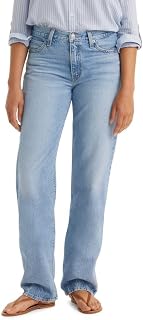


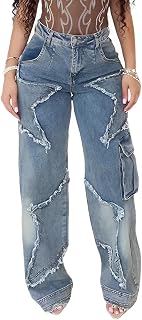


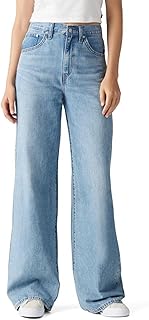
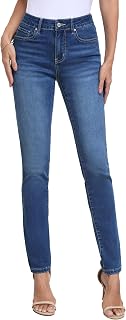


Finding the right pair of women’s jeans is not simply about choosing a familiar brand or looking for the lowest price. A smart purchase should balance fit, fabric, comfort, construction, versatility and value. Canadian shoppers also need to consider seasonal dressing, indoor heating, colder outdoor conditions and the practical difference between denim weights.
This buying guide is designed for shoppers comparing women’s jeans in Canada. It focuses on the details that are easiest to overlook when browsing product listings, including rise measurements, stretch content, leg profiles, inseam options, waistband construction, pocket placement and care requirements.
Brands such as Levi’s, Wrangler, Lee, Calvin Klein, Gloria Vanderbilt, Lee Riders and Silver Jeans Co. can be useful starting points when comparing established denim ranges. However, brand recognition alone should not determine the final choice. The specific cut, fabric composition and sizing of each model matter more than the name on the label.
A smart buy does not necessarily mean buying the cheapest jeans. A better approach is to identify the pair that offers the right combination of fit, comfort, durability and everyday usefulness for your wardrobe.
Fit terminology can vary between brands, so shoppers should treat labels such as skinny, straight, bootcut and wide leg as general descriptions rather than universal measurements.
Skinny jeans generally follow the shape of the legs from the hips through the ankles. They can create a streamlined silhouette and work well with longer coats, oversized sweaters and boots. Stretch denim is particularly important for this style because a close-fitting cut can become uncomfortable when the fabric has little flexibility.
Straight-leg jeans maintain a relatively consistent leg profile from the thigh toward the ankle. They offer a versatile alternative to both very slim and very loose designs. For shoppers wanting one dependable everyday style, straight-leg denim is worth comparing because it can work with sneakers, boots and casual footwear.
Bootcut jeans typically become slightly wider toward the lower leg. The shape is designed to accommodate footwear such as boots while maintaining a fitted appearance through the upper portion of the jeans. Check the inseam carefully because the intended proportions can change significantly when the jeans are worn with different shoes.
Wide-leg jeans provide more room through the leg and create a relaxed silhouette. They can be especially useful for shoppers who dislike restrictive denim. Because the cut has additional fabric, waist and hip measurements become particularly important when evaluating fit.
Relaxed and boyfriend styles generally prioritize a less structured fit. They can be useful for casual wardrobes and layered outfits. Before buying, check whether the product description specifies a relaxed fit throughout the garment or simply a looser leg opening.
The rise determines where the waistband sits on the body and has a major influence on comfort and appearance.
High-rise jeans sit higher on the waist and can provide additional coverage. They pair naturally with tucked-in shirts, cropped sweaters and fitted tops. However, the front rise and waistband construction should be checked carefully because two high-rise models can feel very different.
Mid-rise jeans provide a middle ground between higher and lower waist positions. They are often a practical option for everyday outfits because they can be paired with a broad range of tops. The exact position depends on the garment pattern and the wearer’s body proportions.
Low-rise jeans sit lower on the hips and may suit shoppers who prefer a different silhouette. When evaluating this style, pay close attention to the rise measurement rather than relying only on the product title.
The fiber composition can tell you a great deal about how a pair of jeans may feel and behave. Traditional denim is commonly made with cotton, while modern jeans may include elastane, polyester, recycled fibers or other materials.
100% cotton denim generally provides a more structured feel. It may initially feel firmer than stretch denim and can soften through wear. Shoppers who prefer traditional denim should pay close attention to sizing because rigid fabric does not provide the same flexibility as stretch materials.
Stretch jeans commonly include a small percentage of elastane or a similar stretch fiber. This can improve freedom of movement and make fitted cuts more comfortable. Too much emphasis on stretch, however, can be misleading if the garment loses its intended shape quickly.
Blended fabrics can be designed to balance softness, durability, stretch and recovery. Always read the complete fiber composition when available rather than assuming that all denim with a similar appearance will perform in the same way.
Denim weight is another useful consideration for Canadian shoppers. Lightweight jeans can feel more comfortable during warmer months, while heavier denim can provide a more substantial feel during cooler weather.
For year-round wardrobes, it can be practical to compare several weights rather than expecting one pair to perform identically in every season. In winter, jeans alone should not be treated as a substitute for appropriate cold-weather clothing. Layering with suitable outerwear and footwear is often more important than choosing denim solely for thickness.
Online sizing deserves special attention because numeric and letter sizes are not standardized across every manufacturer. A size that fits in one brand may not fit identically in another.
Inseam length affects both comfort and appearance. Petite shoppers may need shorter inseams, while taller shoppers may prefer longer options. Regular lengths can work for many people, but the correct choice depends on height, leg proportions, footwear and the intended style.
Bootcut and wide-leg jeans deserve particular attention because excessive length can change the shape of the garment. Conversely, an inseam that is too short can make the proportions look different from the product photographs.
Body proportions can make standard sizing less predictable. Some shoppers need additional room through the hips while requiring a smaller waist measurement. Curvy-fit jeans may address this difference through a different pattern.
Petite jeans are generally designed with shorter proportions, while tall collections can provide longer inseams and adjusted garment dimensions. These categories should not be treated simply as shorter or longer versions of standard jeans because the rise, knee position and overall proportions may also change.
The waistband is one of the most important areas to inspect before purchasing. A rigid waistband can provide structure but may feel restrictive when sitting. A stretch waistband can improve comfort but should still provide sufficient support.
Look at whether the product uses belt loops, a traditional button closure, a zipper fly, elastic sections or another construction. Consider how the jeans feel during both standing and sitting rather than judging fit from the standing position alone.
Small construction details can make a meaningful difference in everyday use. Front pocket depth, rear pocket placement and pocket opening shape can affect both functionality and appearance.
The wash can influence how easily jeans fit into an existing wardrobe.
Dark denim has a polished appearance and can transition from casual daytime outfits to more refined combinations. It works particularly well with neutral tops, sweaters, blazers and boots.
Medium-blue denim is a flexible everyday choice. It can complement casual shirts, knitwear, sneakers and seasonal jackets.
Light-wash jeans create a more relaxed appearance and are often useful for spring and summer outfits. They can also work with layered looks during cooler weather.
Black denim offers a different styling option and can create a cleaner, more understated appearance. Check the care instructions because repeated washing can gradually affect the original colour.
Distressed jeans may include fading, abrasions, frayed areas or intentional tears. They can create a casual look but may require more consideration if durability is a priority.
Clean-finish jeans generally offer a simpler appearance and can be easier to style for different settings. Neither option is universally better. The appropriate choice depends on personal style, intended use and how frequently the jeans will be worn.
Brand comparison can be useful, but shoppers should compare individual models rather than assuming every product from a particular manufacturer has the same fit.
When comparing brands, prioritize the exact measurements, fabric blend, rise, inseam and care instructions for the product you are considering.
A deal should be evaluated against the complete product specification rather than the advertised discount alone. A lower price is not automatically better value if the fit is unsuitable or the garment does not match your intended use.
Brand sizing can vary considerably. Your usual size is a useful starting point, but measurements are more reliable when shopping online.
Two pairs with the same waist measurement can feel completely different because their rise and pattern proportions differ.
Product photographs can show colour and silhouette, but they cannot tell you everything about comfort, fabric recovery or how the jeans will feel during extended wear.
Incorrect length can affect both appearance and practicality. Always check the available lengths before placing an order.
Stretch can improve flexibility, but it does not compensate for an incorrect waist, rise or hip measurement.
Some denim requires more careful laundering than shoppers expect. Check the manufacturer’s instructions before buying if easy maintenance is important to you.
Product descriptions often contain useful information that can be overlooked. Terms such as “comfort stretch,” “rigid denim,” “high rise,” “ankle length,” “curvy fit” and “relaxed leg” should be treated as clues that require closer examination.
Look for the actual fiber composition, available sizes, inseam choices, rise information and closure type. If a specification is not provided, avoid assuming that it matches another model from the same brand.
Customer reviews can provide useful clues, particularly when several buyers independently mention the same issue. However, individual body shape and personal preferences vary, so reviews should complement rather than replace the manufacturer’s measurements.
For everyday use, versatility is usually more valuable than an unusually distinctive design. Straight-leg, mid-rise, high-rise and moderately fitted styles can work across many casual wardrobes.
A practical everyday pair should be comfortable while sitting, walking and moving around. Neutral washes can also increase the number of outfits that can be created from one pair.
Where denim is appropriate for the workplace, a clean dark wash and restrained design can provide a more polished appearance. Avoid choosing solely on colour. Fit and construction are equally important.
Dark straight-leg, slim-straight or tailored bootcut silhouettes can be worth comparing when a more refined denim appearance is required. Always follow the specific dress expectations of your workplace.
Weekend denim can prioritize comfort and freedom of movement. Relaxed, boyfriend, straight and wide-leg cuts can work well for casual activities depending on personal preference.
Light and medium washes can create an informal appearance, while stretch fabrics can be useful when the jeans need to remain comfortable during extended periods of walking or sitting.
Jeans can form part of a winter outfit, but they should be selected according to the complete layering system rather than treated as standalone cold-weather protection. Heavier denim may feel more substantial, while thermal layers can be considered underneath when conditions require additional insulation.
Boot compatibility is also important. Check the lower-leg opening before choosing winter footwear. A narrow opening may fit differently over boots than a straight or wide-leg design.
During warmer months, lighter-weight denim and relaxed silhouettes can improve comfort. Light washes and cropped or ankle-length styles can also create a seasonal appearance.
Breathability depends on the complete fabric composition and garment construction. Cotton-rich denim may feel different from synthetic-heavy blends, so read the product specification rather than judging from photographs.
Proper care can help preserve the appearance and fit of jeans. Always follow the care label supplied with the specific garment because denim treatments and fabric blends can require different washing methods.
Dark jeans can gradually change appearance with repeated washing and wear. Following the garment’s care instructions is the safest starting point. Avoid aggressive washing routines that are not recommended by the manufacturer.
If colour retention is an important priority, compare care instructions before purchasing. A pair that requires a maintenance routine you are unlikely to follow may not represent the best practical choice.
When product photographs are available, inspect the areas most likely to reveal construction quality. Look at the waistband, pockets, belt loops, zipper area, inseams and hems.
Consistent stitching is preferable to visibly irregular construction. Check whether pocket edges appear securely finished and whether the hem looks appropriate for the intended style. For online purchases, combine visual inspection with the written specifications.
The lowest listed price is not always the smartest purchase. Value depends on how well the jeans meet your requirements and how frequently you expect to wear them.
A versatile pair that works with many outfits may provide greater practical value than a highly specialized style that is worn only occasionally. Similarly, paying more for a feature you do not need does not automatically improve value.
Before choosing from a selection of women’s jeans deals, compare each candidate using the same criteria. This prevents promotional wording from becoming the deciding factor.
Shoppers do not necessarily need many pairs of jeans. A small collection with clearly different purposes can be more useful than multiple pairs with nearly identical cuts.
A versatile wardrobe might include a dependable dark pair, a comfortable everyday blue pair and a different silhouette such as wide-leg, bootcut or relaxed denim. The ideal combination depends on personal style, workplace requirements, climate and footwear preferences.
Stretch denim can be useful for shoppers who prioritize flexibility, especially when wearing fitted silhouettes. It may also be appealing for travel, commuting and everyday activities that involve frequent movement.
Shoppers who prefer traditional structured denim may instead prefer low-stretch or rigid fabrics. The best choice depends on how the jeans should feel and how closely the wearer wants the garment to retain its original structure.
Rigid denim can appeal to shoppers who prefer a classic, structured appearance and a firmer fabric feel. It generally requires more attention to sizing because there is less flexibility in the fabric.
If comfort is the primary priority, compare rigid and stretch options side by side before deciding. Neither construction is universally superior.
For 2026 shopping, the most reliable approach is to compare the complete specification of each candidate instead of focusing on a single rating, discount or product photograph. Denim trends can influence the range of available silhouettes, but personal fit remains more important than following a particular trend.
Start with the silhouette you actually wear. Then narrow the options by rise, measurements, fabric composition, inseam and wash. Finally, review current customer feedback and retailer policies before making a purchase.
The best everyday jeans depend on personal fit and wardrobe needs. Straight-leg, slim-straight, relaxed and classic high-rise or mid-rise designs can all be practical choices when the measurements and fabric suit the wearer.
No. Price alone does not establish quality or suitability. Compare construction, fabric, fit, comfort, versatility and care requirements before deciding whether a higher-priced option offers meaningful additional value.
The waistband should sit securely without creating excessive pressure or requiring constant adjustment. Check the manufacturer’s measurements and consider how the jeans feel while both standing and sitting.
Not automatically. Stretch percentage, fabric recovery, cut and brand sizing all affect fit. Use the specific product’s measurement chart and read the fit description before choosing a size.
Comfort is personal. High-rise, mid-rise and low-rise jeans place the waistband differently, so the best option depends on body proportions and preference.
Heavier denim can provide a more substantial feel, but jeans should be considered part of a broader winter clothing system. Layering and suitable outerwear are important when temperatures are low.
Dark-wash jeans can be particularly versatile because their cleaner appearance works with casual and more polished outfits. However, medium and light washes can be equally useful depending on the wardrobe.
There is no single schedule appropriate for every pair. Follow the manufacturer’s care instructions and consider the fabric, frequency of wear and level of soiling.
Check the size chart, rise, inseam, fabric composition, fit description, wash, closure, care instructions and retailer return terms. These details provide a much stronger basis for comparison than product photographs alone.
Curvy-fit designs can be useful when there is a significant difference between waist and hip measurements. Look for brands and models that provide detailed waist and hip sizing rather than relying solely on standard size labels.
They can be. Wide-leg jeans provide a relaxed silhouette and can be comfortable for casual outfits. Consider the inseam and footwear combination because excessive length can affect practicality.
A worthwhile deal combines a suitable fit, useful fabric construction, acceptable quality, appropriate style and a price that represents good value for the intended use. A large discount is less meaningful if the jeans do not fit properly or suit your wardrobe.
The best women’s jeans are the ones that match your measurements, lifestyle and preferred style rather than simply the pair with the most prominent promotion. Canadian shoppers should pay particular attention to fabric weight, layering needs, inseam length and compatibility with seasonal footwear.
Before purchasing, compare the exact model specifications, consult the available size chart, read recent customer feedback and review the retailer’s current policies. Established names such as Levi’s, Wrangler, Lee, Calvin Klein, Gloria Vanderbilt and Silver Jeans Co. can provide useful options to investigate, but the individual product specification should remain the deciding factor.
Use this guide as a practical checklist when comparing women’s jeans deals in Canada in 2026. A careful comparison of fit, rise, fabric, construction, length, wash, comfort and long-term usefulness can make it much easier to identify a pair that genuinely fits your needs.