

♥ Wishlist
Compare 58 Women's Boots products in Canada. Reviews, ratings, pros, cons and buying advice updated for October 2026.


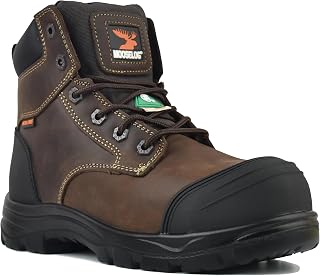
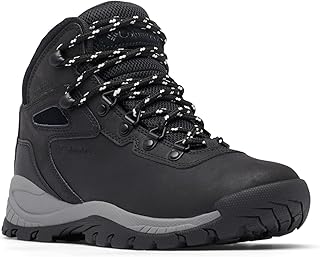


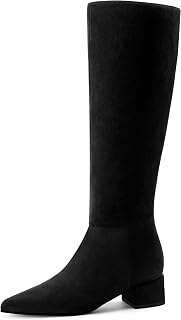


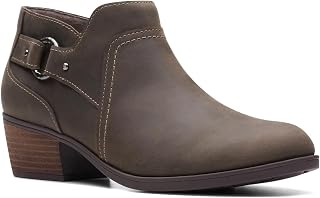


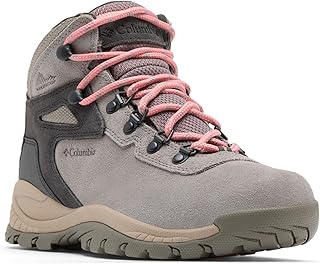


Finding the right pair of women’s boots in Canada requires more than choosing a style that looks good. Weather, insulation, traction, materials, fit, construction and intended use can all affect whether a boot is a practical purchase. A pair suitable for mild autumn conditions may not provide enough protection for a Canadian winter, while heavily insulated winter boots can feel unnecessarily warm for indoor commuting or transitional seasons.
This 2026 buying guide is designed to make comparison easier. When reviewing women’s boots, consider the conditions in which they will be worn, the distance you normally walk, the type of surfaces you encounter and the amount of maintenance you are prepared to provide. Brands such as Sorel, Timberland, Blundstone, Dr. Martens, UGG, Columbia, The North Face and Merrell offer different approaches to footwear design, making it important to compare individual models rather than relying on brand reputation alone.
Canada covers a wide range of climates, so there is no single boot specification that works perfectly everywhere. Someone living in Vancouver may prioritise water resistance and flexible construction, while shoppers in Winnipeg, Edmonton or other colder regions may need substantially more insulation and protection from snow and freezing temperatures.
Before comparing prices or styles, identify the main purpose of the boots. Everyday city boots, hiking boots, snow boots, riding boots, Chelsea boots and fashion boots have different construction priorities. Matching the boot to its primary use is often more important than selecting the most expensive option.
A boot worn for a short commute has different requirements from one used for several hours outdoors. If you spend most of your day indoors, excessive insulation may become uncomfortable. If you regularly walk outdoors, sole flexibility, cushioning and weight deserve greater attention.
For hiking or outdoor recreation, examine the outsole pattern, ankle support, upper durability and water protection. For office commuting, appearance, comfort and easy cleaning may matter more. For occasional snow use, a versatile waterproof boot may provide greater value than a highly specialised expedition-style design.
Material affects appearance, durability, weather resistance and maintenance. Leather is widely used because it can offer a structured feel and develop character over time when properly cared for. Suede can provide a softer, more casual appearance but generally requires greater attention to moisture and staining. Synthetic materials can offer easier care and may be used in lightweight or weather-focused designs.
Do not assume that a particular material automatically makes a boot waterproof. Water resistance depends on the complete construction, including the upper, seams, gusseting, lining and manufacturing method.
These terms should not be treated as interchangeable. Water-resistant footwear can repel or resist moisture for a period of time, while waterproof construction is intended to provide a higher level of protection when properly designed and used according to the manufacturer's instructions.
For Canadian shoppers, examine the manufacturer's exact wording rather than relying only on product photographs or marketplace titles. Also check whether waterproofing applies to the complete boot or only to specific components.
Insulation is particularly important when buying winter boots. However, more insulation is not automatically better. A heavily insulated boot can become uncomfortable when worn indoors or during moderate temperatures.
Look at the type of insulation, boot height, lining and intended temperature range when such information is provided by the manufacturer. Temperature ratings should also be treated as guidance rather than a universal guarantee because warmth depends on activity level, socks, circulation, exposure time and individual comfort.
The outsole is one of the most important components for Canadian winter use. Look for a tread pattern appropriate to the surfaces where you expect to walk. Deeper or more pronounced lugs can be useful on loose snow and uneven terrain, while everyday urban boots may use a different tread design.
Even a well-designed outsole cannot guarantee grip on every icy surface. Smooth ice, packed snow, slush and wet pavement can behave very differently. Shoppers who frequently encounter ice should consider boots designed specifically for winter traction and use additional caution when walking.
Higher heels can change the way weight is distributed across the foot and may be less practical for long periods of walking on snow or uneven ground. A lower, stable heel is often easier to manage for everyday winter commuting.
If style is the priority, compare heel height with the environments where the boots will actually be worn. A fashion boot can still be practical, but stability should not be overlooked.
Boot height affects warmth, protection and styling. Ankle boots are generally versatile and easy to pair with everyday clothing. Mid-calf boots can provide greater coverage in snow or wet conditions. Tall boots can offer additional protection and a different silhouette but may be less convenient for storage, driving or indoor wear.
Fit is one of the most important buying considerations, particularly when shopping online. A boot can have excellent specifications and still be unsuitable if the shape does not match your foot.
Do not select a size solely because it is the size you normally purchase from another brand. Sizing can vary between manufacturers and individual models. Use the brand's own sizing information whenever possible and consider both foot length and width.
Winter boots deserve particular attention because you may wear thicker socks. A boot that fits perfectly with thin socks can become restrictive when paired with winter socks.
Pay attention to areas around the toes, heel, instep and ankle. Your toes should have enough space to move without the foot sliding excessively inside the boot. Excessive pressure can become particularly noticeable during extended wear.
The boot opening should be practical for your leg shape and intended clothing. A narrow shaft can be difficult to wear with certain trousers, while a wide opening may allow snow or moisture to enter more easily depending on the design.
Leather can be an excellent choice for shoppers seeking a classic appearance and structured construction. Quality varies considerably, however, so examine the leather description, construction details and care requirements before purchasing.
Leather generally benefits from appropriate cleaning and conditioning. Using products unsuitable for the particular leather finish can affect appearance, so always follow the manufacturer's care instructions.
Suede offers a distinctive texture and casual appearance. Its surface can be more sensitive to moisture, salt and staining, which makes care especially relevant for Canadian winters.
If you choose suede footwear for winter or wet conditions, check the manufacturer's recommended protection and cleaning methods before use. Avoid assuming that a general leather-care product is appropriate for suede.
Synthetic materials are used across many casual, winter and outdoor boots. They can provide useful combinations of light weight, weather resistance and easy maintenance. Their performance depends on the specific material and construction rather than the word "synthetic" alone.
Everyday boots are usually designed around versatility. They may prioritise appearance, moderate weather protection and comfort across multiple settings. Winter boots place greater emphasis on insulation, protection and traction.
If you need one pair for commuting, shopping and casual activities, a versatile weather-resistant boot may make more sense than purchasing the most specialised winter design. If you regularly spend significant time outdoors during severe weather, dedicated winter footwear can be the more sensible choice.
Chelsea boots remain popular because their slip-on construction and streamlined profile work well with casual and smart-casual clothing. However, not every Chelsea boot is designed for winter.
When considering a Chelsea boot for Canadian weather, examine the sole, upper material, lining and moisture protection. Elastic side panels can also affect how the boot performs in wet conditions. A fashion-focused Chelsea boot should not automatically be treated as a snow boot.
Blundstone is one brand commonly associated with Chelsea-style footwear, while other established footwear companies offer their own variations. Compare the specifications of the individual model rather than selecting solely by style.
A practical winter boot should be evaluated as a complete system. Insulation, outsole, upper, lining, closure and boot height all contribute to performance.
Look beyond the outer appearance when evaluating durability. Examine how the sole connects to the upper, the quality of visible stitching, reinforcement around high-wear areas and the overall construction described by the manufacturer.
For boots intended for frequent outdoor use, construction quality can matter more than decorative details. A boot that is attractive but difficult to maintain may also be less practical over several seasons.
Different boots use different construction techniques. Stitching, adhesives, moulded components and combinations of these methods can all be found in modern footwear. There is no single construction method that automatically makes every boot superior.
Instead, consider how the construction corresponds to the intended use. Outdoor and work-oriented footwear may emphasise durability and repairability, while fashion footwear may prioritise silhouette and flexibility.
A visually appealing boot may not provide enough warmth, traction or weather protection for your environment. Start with the conditions and use case, then narrow the options by appearance.
Length alone does not determine fit. A boot can be long enough while still being too narrow across the forefoot. Look for width options when available and check customer feedback for recurring fit observations without treating individual reviews as universal evidence.
A lower price does not necessarily represent better value. Compare construction, materials, features, intended use and long-term versatility before deciding that a deal is worthwhile.
Winter footwear can be warm without being waterproof. Snow, slush and freezing rain create different challenges, so check the product specifications carefully.
Thick winter socks can change the fit substantially. Leave enough room for the socks you realistically expect to wear rather than choosing a size based only on bare-foot measurements.
When purchasing online, review the retailer's current return and exchange terms before placing an order. Footwear fit can be difficult to judge from photographs alone, and policies can vary by retailer, product and seller.
When comparing several products, create a consistent checklist. Start with intended use, then compare weather protection, insulation, materials, traction, height, closure, weight and fit information.
Customer ratings can provide useful clues about recurring experiences, but they should not replace technical specifications. Read recent verified customer reviews where available and look for patterns rather than focusing on one unusually positive or negative comment.
Product photographs can also be misleading when used alone. Examine written specifications for sole construction, lining, waterproofing, insulation and material composition.
Several established footwear brands offer women's boots across different categories. The most appropriate brand depends on the type of boot rather than brand popularity alone.
These brands should be treated as starting points for comparison rather than automatic recommendations. Individual models can differ substantially in fit, materials, insulation, traction and intended use.
Proper maintenance can help footwear remain comfortable and presentable for longer. The correct care routine depends on the material and construction.
Seasonal storage can influence the condition of footwear. Clean boots before storing them and make sure they are completely dry. Keep them in a cool, dry location away from prolonged direct sunlight or excessive heat.
Boots with tall shafts may benefit from appropriate support to help maintain their shape. Avoid compressing footwear under heavy items, particularly when the material or structure is prone to creasing.
Ratings can be useful when comparing products, but a numerical score does not tell the complete story. A boot may receive strong overall feedback while still having fit characteristics that make it unsuitable for some shoppers.
Read reviews for recurring themes such as sizing consistency, comfort during extended wear, warmth, waterproofing, sole grip, durability and ease of cleaning. Give greater attention to detailed reviews that explain the conditions in which the product was used.
Also distinguish between reviews about the product itself and comments about delivery, packaging or retailer service. Those issues may not reflect the actual performance of the footwear.
A deal should be evaluated against the complete product specification, not just the displayed discount. Compare the current price with the features you actually need and consider whether the boot is suitable for your climate.
Before purchasing, verify the current product price, available sizes, colour options, seller information, shipping details and applicable retailer policies. Online prices and availability can change, so information should be checked at the time of purchase.
Look for a comfortable, versatile boot with a practical sole, moderate weather protection and a style that works with several outfits. An ankle or Chelsea boot can be particularly adaptable for urban use.
Prioritise insulation, weather protection, suitable height and dependable traction. The appearance should be considered after these functional requirements have been met.
Focus on outsole traction, support, fit, durability and water protection. Hiking footwear should be selected according to terrain and activity rather than everyday fashion preferences.
Look for clear information about water resistance or waterproof construction, combined with an outsole appropriate for wet surfaces. A boot that is easy to clean can also be useful in areas where roads and sidewalks are frequently exposed to rain and slush.
For spring and fall, consider a lighter boot that provides moderate weather protection without excessive insulation. Versatility can be more valuable than extreme cold-weather performance during these seasons.
A smart purchase is not necessarily the cheapest boot or the most technically advanced model. It is the option whose specifications, fit, durability, appearance and price make sense for the way you intend to use it.
For frequent wear, prioritise comfort and construction. For occasional use, versatility and reasonable maintenance may be more important. For harsh weather, functional protection should take precedence over purely cosmetic features.
The best approach is to compare several suitable models, read verified customer feedback, check manufacturer specifications and confirm current retailer information before making a final decision.
The best choice depends on the local climate and intended use. For snowy and cold conditions, prioritise insulation, weather protection, traction and an appropriate boot height. For milder urban winters, a versatile weather-resistant boot may be sufficient.
No. Price alone does not establish whether a boot is right for a particular shopper. Compare materials, construction, fit, weather protection, traction and intended use before judging value.
Look for explicit manufacturer information about waterproof construction rather than relying on appearance. Also examine seams, closures, materials and boot height because these can influence how effectively the footwear protects against moisture.
They can be, provided the specific design offers appropriate protection for the conditions. Leather alone does not indicate insulation, waterproofing or winter traction. Check the complete specification before choosing a leather boot for snow or freezing weather.
Some are suitable for wet or cold conditions, while others are primarily fashion footwear. Check the individual model's outsole, lining and weather-protection specifications rather than assuming every Chelsea boot is suitable for winter.
Winter footwear should provide enough space for comfortable movement and the socks you expect to wear, without allowing excessive foot movement. Follow the manufacturer's sizing guidance because fit varies between models.
Maintenance varies by material and finish. Some synthetic uppers can be relatively straightforward to clean, while leather and suede have specific care requirements. Always follow the manufacturer's instructions.
Start with footwear designed for the surfaces and conditions you encounter. Even boots with aggressive tread cannot eliminate the risk of slipping on smooth ice. Walk carefully and consider appropriate traction aids where suitable.
Not automatically. Oversizing can create unwanted movement and reduce stability. Instead, check the manufacturer's sizing guidance and choose a fit that accommodates your normal winter socks without excessive looseness.
There is no universal replacement schedule. Inspect the outsole, upper, seams, cushioning and structural components. Frequent use, harsh weather and demanding terrain can accelerate wear, so replacement should be based on condition and performance.
Choosing women's boots in Canada is ultimately a balance between climate protection, comfort, fit, durability and personal style. Start by identifying where and when the boots will be worn. Then compare waterproofing, insulation, outsole traction, materials, construction and sizing.
Do not let a discount, brand name or attractive photograph make the decision by itself. Read the specifications, examine verified customer feedback, compare competing models and confirm current information before ordering. The right pair is the one that meets your actual requirements without paying for features you are unlikely to use.
Because product prices, stock, colours, sizes and retailer policies can change during 2026, always verify the latest information before completing a purchase. A careful comparison can help you find a women's boot that offers a practical combination of comfort, protection, style and long-term value for Canadian conditions.