

♥ Wishlist
Compare 50 TV Stands and Cabinets products in Canada. Reviews, ratings, pros, cons and buying advice updated for October 2026.


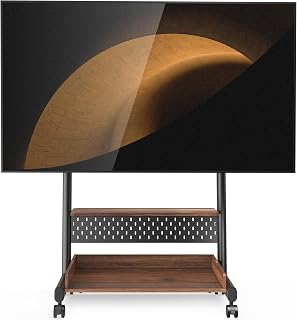


Choosing a TV stand is no longer only about finding a surface large enough for your television. Modern living rooms often need a piece of furniture that combines display space, media storage, cable management, ventilation, and a clean appearance. The best smart buy TV stands and cabinets in Canada balance these practical requirements with suitable dimensions, dependable construction, and a design that works with the rest of the room.
For Canadian shoppers, the right choice also depends on room size, television dimensions, viewing height, storage requirements, floor space, and the type of equipment being connected. A compact stand can work well in an apartment or bedroom, while a wider entertainment cabinet may be more appropriate for a large living room and a bigger television.
This 2026 buying guide focuses on the factors that matter when comparing TV stands and cabinets. Instead of choosing based only on appearance or a headline discount, use the information below to compare dimensions, materials, weight capacity, storage configuration, ventilation, cable management, assembly requirements, and long-term practicality.
A smart purchase should solve several problems at the same time. It should safely support the television, provide enough room for connected devices, fit the available space, and remain practical as your entertainment setup changes.
A good TV stand should also complement the television rather than compete with it. Designs from brands such as Walker Edison, Ameriwood Home, Bestier, Furinno, and Convenience Concepts cover different furniture styles and room requirements, but the specifications should always be checked for the individual model.
Dimensions are among the most important specifications to compare. A TV stand that looks attractive online can become impractical if it is too narrow, too deep, or too tall for the intended location.
Television screen sizes are normally stated diagonally, while furniture dimensions are measured by width, depth, and height. A 55-inch television does not have a 55-inch physical width. The actual width depends on the screen's aspect ratio and bezel design.
Before selecting a stand, measure the television's actual width and compare it with the manufacturer's stated furniture dimensions. Also account for the television's feet if the TV is being placed directly on the cabinet rather than wall-mounted.
A stand that is approximately the same width as the television can create a minimalist appearance, while a wider cabinet can provide additional visual stability and storage. The correct choice depends on the room layout and the style you prefer.
Avoid selecting a stand simply because it is advertised for a particular screen size. Verify the actual top dimensions and weight capacity. Manufacturers may use different guidelines when describing compatible television sizes.
Depth is easy to overlook. A cabinet that extends too far into a walkway can make a room feel crowded. At the same time, a shallow stand may not provide sufficient room for certain receivers, consoles, speakers, or cable connections.
Measure the available floor area before comparing products. Leave practical clearance around doors, drawers, ventilation openings, and nearby furniture.
Material affects appearance, structural characteristics, maintenance, and overall furniture feel. There is no single material that is ideal for every Canadian household.
Engineered wood is widely used in affordable entertainment furniture. It can provide a consistent appearance while allowing manufacturers to produce different shapes and finishes. It is often paired with laminate or decorative surfaces.
When comparing engineered-wood furniture, pay attention to panel thickness, hardware quality, support structure, edge finishing, and the manufacturer's weight specifications rather than judging quality solely by the exterior finish.
Solid wood can provide a distinctive appearance and substantial furniture feel. It may also age differently from engineered materials. However, construction quality varies, and solid wood furniture can be heavier and more expensive.
Metal frames are common in contemporary and industrial-style TV stands. They can provide a strong structural framework while allowing manufacturers to create open shelving. The finish and frame construction should be checked carefully, particularly if the furniture will be placed in a high-traffic area.
Tempered glass shelves are often used for modern entertainment furniture. Glass can create an open appearance and works well with minimalist interiors. However, the manufacturer's specifications should be checked for shelf capacity and appropriate equipment placement.
The choice between open shelving and enclosed storage depends largely on how you use your entertainment system.
Open shelves provide easy access to game consoles, streaming devices, speakers, controllers, and other equipment. They can also make a smaller room appear more open.
The disadvantage is that equipment remains visible. Cables can also become more noticeable if the stand does not include practical cable-management openings.
Closed cabinets are useful when you want to keep accessories, remotes, game controllers, movies, books, or other household items out of sight. They can produce a cleaner visual appearance and reduce visible clutter.
However, enclosed storage should not restrict ventilation around heat-producing electronics. Check how air moves through the cabinet before placing a console, receiver, or other warm-running device inside.
A modern television setup can involve multiple cables, including power cords, HDMI connections, antenna cables, network cables, speaker wires, and charging cables. A stand with cable-management openings can make the installation significantly easier.
Good cable management is not simply about appearance. Organized cables make it easier to identify connections, replace equipment, and clean behind the television.
Ventilation deserves particular attention when a TV stand includes enclosed compartments. Televisions themselves may have ventilation requirements, while devices such as game consoles, AV receivers, amplifiers, and streaming equipment can generate heat during operation.
Do not assume that an enclosed cabinet is suitable for every electronic device. Follow the equipment manufacturer's ventilation instructions and maintain the required clearance around vents. Avoid blocking ventilation openings with books, accessories, or decorative items.
Open-backed furniture can make cable routing easier and may provide more airflow. Fully enclosed cabinets can offer a cleaner appearance but require more careful equipment placement.
Weight capacity is one of the most important safety specifications. The furniture must be suitable for the actual weight of the television and any equipment that the manufacturer permits on its shelves.
Do not estimate capacity based on appearance. A large, heavy-looking cabinet is not automatically stronger than a smaller model. Always check the manufacturer's stated limits for the top surface, shelves, drawers, and other supported areas.
If you use a television stand with a mounted or elevated screen, follow the relevant manufacturer's installation instructions. The furniture should be positioned on a stable, level surface and assembled according to the supplied instructions.
Modern designs commonly feature clean lines, simple hardware, neutral finishes, and combinations of open and closed storage. They can work well in contemporary apartments and living rooms.
Farmhouse-inspired cabinets often use wood-look finishes, framed doors, contrasting hardware, and traditional proportions. They can complement rooms with rustic or transitional furniture.
Industrial designs frequently combine metal frames with wood-look shelving. These models can suit loft-style interiors, home offices, gaming rooms, and contemporary spaces.
Mid-century-inspired furniture often emphasizes tapered legs, horizontal lines, wood tones, and relatively simple storage. It can be useful when the TV stand needs to blend with existing furniture rather than dominate the room.
Minimalist consoles prioritize visual simplicity. They can be particularly useful in smaller Canadian apartments where bulky furniture may overwhelm the available floor area.
Compact furniture should be selected around the available floor area rather than television size alone. Measure the wall, nearby furniture, and walking route before purchasing.
Models with vertical storage can be useful when floor space is limited. Open shelving can also reduce the visual weight of the furniture.
A medium-sized room provides more flexibility. A cabinet with a combination of drawers, shelves, and enclosed compartments can accommodate a broader entertainment setup without requiring separate storage furniture.
Large rooms may benefit from a wider entertainment console. A broader cabinet can create a stronger visual relationship with a large television and provide space for speakers and accessories.
Do not choose an oversized cabinet simply because the room has space. The furniture should still allow comfortable movement and leave sufficient clearance around doors, windows, and other fixtures.
Before buying, make a list of everything you intend to store inside or on the cabinet. This can include a streaming device, Blu-ray player, gaming console, soundbar, AV receiver, speakers, controllers, remotes, cables, and accessories.
Measure larger equipment individually. A compartment that appears large enough in photographs may not accommodate an AV receiver because of its depth or ventilation requirements.
A television cabinet can interfere with a soundbar if the furniture blocks the speaker or places it too far below the television. Before buying, measure the soundbar's width and height.
Also consider whether the television's feet, centre stand, or other components occupy the same surface. If the soundbar uses a separate mounting arrangement, follow the manufacturer's instructions for positioning and clearance.
Gaming setups place additional demands on entertainment furniture. Consoles need accessible connections, adequate airflow, and enough room around ventilation openings. Controllers, headsets, charging accessories, and games can also create storage requirements.
A gaming-friendly TV stand should therefore be evaluated beyond its appearance. Look for practical shelf dimensions, cable openings, ventilation, stable construction, and easy access to the front or rear connections of your equipment.
If you regularly upgrade consoles, avoid choosing a cabinet that fits only your current system with almost no additional space. A small amount of flexibility can make the furniture more useful over time.
A product may be described as suitable for a particular television size, but the actual physical dimensions and weight limits still need to be checked.
Depth affects both room layout and equipment compatibility. Measure your components before selecting a cabinet.
Rear connectors can add several centimetres to the effective depth of a television or media device. Make sure cables can be connected without creating excessive pressure or sharp bends.
Placing heat-producing electronics inside an unsuitable enclosed compartment can interfere with normal operation. Check manufacturer guidance for every device.
Flat-pack furniture can contain many panels, fasteners, hinges, shelves, and alignment points. Read the assembly requirements before ordering and allow enough time for careful installation.
A beautiful cabinet is not necessarily the right cabinet. Storage layout, dimensions, stability, weight capacity, and equipment compatibility are more important than photographs alone.
When comparing several models, use the same criteria for each one. This prevents a low price or attractive finish from dominating the decision.
Customer reviews can provide useful information, but the most valuable reviews are usually those that discuss specific characteristics. Look for comments about assembly, dimensions, stability, finish quality, storage space, hardware, and whether the furniture matched the listed specifications.
Do not rely on an overall rating alone. Read a mixture of positive and negative feedback and look for recurring themes. A single complaint may reflect an individual situation, while repeated comments about the same issue deserve closer attention.
Verified customer feedback can be especially useful for identifying practical issues that are difficult to understand from product photographs, such as the appearance of the finish in normal indoor lighting or the difficulty of aligning cabinet doors during assembly.
Brand recognition can help narrow a large selection, but the individual model still matters. Different product lines can use different materials, construction methods, dimensions, and storage layouts.
When comparing brands, do not assume that a familiar name automatically makes every model a better choice. Evaluate the specifications, construction, customer feedback, and suitability for your room.
A lower advertised price is not always the best value. Compare the complete specifications and total practical value of each model before making a decision.
During 2026, shoppers may encounter changing discounts, promotional pricing, seasonal offers, and different seller availability. Because prices can change, it is better to compare current listings and specifications rather than relying on a fixed price stated in an evergreen buying guide.
Value is determined by the combination of construction, functionality, dimensions, storage, and suitability. A very inexpensive stand may be a sensible choice for a simple bedroom setup, while a more substantial cabinet may provide better value for a large home-theatre system.
Instead of asking which TV stand is cheapest, consider which option solves your requirements with the fewest compromises. Paying slightly more for useful cable management, better storage, stronger construction, or a suitable size can be more practical than replacing an unsuitable cabinet later.
Careful assembly is important because furniture stability depends partly on correct installation. Before starting, identify all panels and hardware and read the supplied instructions completely.
If the furniture includes an anti-tip or wall-anchoring system, use it as directed. This is particularly important in homes with children or pets.
Proper maintenance can help furniture retain its appearance. Dust surfaces regularly with a suitable soft cloth and follow the manufacturer's cleaning recommendations for the particular material and finish.
Avoid excessive moisture around engineered-wood surfaces, joints, drawer edges, and cabinet seams unless the manufacturer specifically states that the finish can tolerate it. Spills should generally be dealt with promptly.
Periodically inspect screws, hinges, shelf supports, and other hardware. If a component becomes loose or damaged, address the issue before placing heavy equipment back on the furniture.
A TV stand and a wall mount solve different problems. A wall-mounted television can free floor space and create a clean appearance, but it does not eliminate the need for storage if you have consoles, receivers, game systems, or other media equipment.
A TV stand offers a convenient furniture-based solution and can provide substantial storage. It can also be easier to change or reposition than a wall-mounted installation.
Some rooms benefit from combining both approaches: the television is mounted at an appropriate viewing position while a low media console below provides storage and houses connected equipment.
Prioritize a compact footprint, sensible storage, and cable management. Avoid deep cabinets that unnecessarily reduce usable floor space.
Focus on overall width, top-surface capacity, structural stability, and appropriate support for the television. Always verify the manufacturer's specifications rather than relying on a generic screen-size recommendation.
Look for accessible shelves, airflow, cable routing, and storage for controllers and accessories. Adjustable shelving can provide additional flexibility.
A home-theatre setup usually benefits from deeper and wider furniture with sufficient ventilation and room for multiple components.
Choose a simple design with restrained proportions and enough concealed storage to keep unnecessary accessories out of sight.
Look for cabinets with multiple compartments, drawers, or adjustable shelving. Consider how often you need access to stored items before choosing fully enclosed doors.
Long-term usefulness comes from flexibility. A stand that accommodates only one exact television and one specific set of devices may become inconvenient after an upgrade.
Adjustable shelves, generous cable openings, sensible storage, and a neutral design can make furniture easier to reuse. Strong construction and stable hardware can also matter more over several years than decorative details.
Think about your likely entertainment setup rather than only your current television. If you expect to add a soundbar, game console, speakers, or media player, allow enough space for those components.
Before choosing one of the best smart buy TV stands or cabinets, compare the following points:
The best option depends on the television's actual dimensions, weight, room layout, and equipment requirements. A suitable large-TV stand should have adequate width, sufficient weight capacity, stable construction, and enough space for connected devices.
A wider stand can provide a balanced appearance and additional usable surface area, but it is not an absolute requirement. The most important factors are stability, compatibility with the television base, weight capacity, and room proportions.
There is no universal depth requirement. The furniture needs to accommodate the television, its base if applicable, connected equipment, and cable connections while fitting comfortably within the room. Measure your equipment before choosing the cabinet.
They can be suitable if the compartment provides adequate airflow and follows the console manufacturer's ventilation requirements. Do not place heat-producing equipment in a restricted compartment simply because it fits physically.
Yes. Cable-management openings can reduce visible clutter and make equipment easier to connect, disconnect, and maintain.
The best material depends on your budget, room style, desired durability, weight requirements, and maintenance preferences. Engineered wood, solid wood, metal, and glass can all be suitable when properly designed and used within their specifications.
Check the manufacturer's maximum weight capacity and compare it with the television's stated weight. Also verify that the television base fits safely on the available surface.
Many can, but compatibility depends on the soundbar's dimensions and the furniture's layout. Check the available surface width and height before buying.
Not necessarily. A wider stand can provide more storage and visual balance, but it also occupies more floor space. Choose the width that suits the room and equipment rather than selecting the largest available model.
Check the current product dimensions, weight capacity, materials, storage configuration, cable management, ventilation, assembly requirements, customer feedback, and current retailer information. Product specifications and pricing can change, so verify the latest details before purchasing.
The best smart buy TV stand or cabinet is the one that fits your television, room, equipment, storage needs, and budget without creating unnecessary compromises. Screen size alone should never determine the purchase.
For Canadian shoppers in 2026, a careful comparison of dimensions, weight capacity, construction, ventilation, cable management, storage, assembly, and customer feedback can make the selection process much easier. Whether you need a compact console for an apartment, a stylish cabinet for a family room, or a substantial entertainment centre for a home-theatre setup, focus on specifications that affect everyday use.
Before making a final decision, compare the latest product details and current Canadian pricing, review verified customer feedback, and confirm that the selected furniture works with your television and equipment. A thoughtful comparison can help you find a TV stand that looks right today while remaining practical as your entertainment setup evolves.