

♥ Wishlist
Compare 51 Sunscreens & Tanning Products in Canada products in Canada. Reviews, ratings, pros, cons and buying advice updated for October 2026.


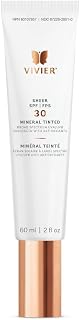


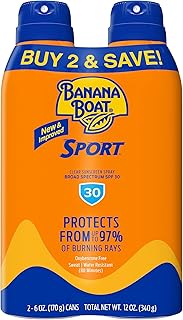


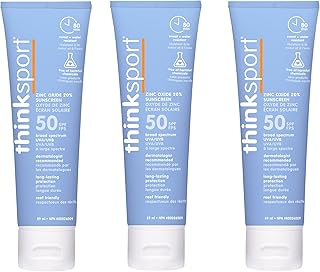


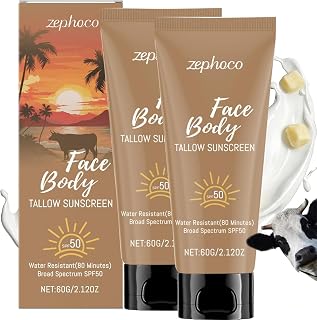
Choosing sunscreen or a tanning product in Canada requires more than comparing a star rating or looking for the lowest price. The right product depends on your skin type, intended exposure, desired finish, application method, and whether you want everyday protection, outdoor coverage, or a tanning-focused formula. Canadian shoppers should also consider seasonal conditions, travel plans, winter sun exposure, and the amount of time they expect to spend outdoors.
This buying guide focuses on the practical differences between sunscreen and tanning products so you can compare specifications more intelligently. Product availability, pack sizes, formulas, ratings, and prices can change, so always verify the current product details before purchasing.
A sunscreen should be selected according to how and where you use it rather than simply choosing the highest-looking SPF number. Everyday city use can have different requirements from a full day at a beach, hiking trail, ski resort, or outdoor sports event.
Look for broad-spectrum protection when you want coverage against both UVA and UVB radiation. SPF primarily communicates the level of protection against UVB-related sunburn when sunscreen is used as directed. Broad-spectrum protection is important because UVA exposure is also associated with skin ageing and other forms of skin damage.
Application habits matter just as much as the label. A technically strong sunscreen can provide inadequate real-world protection if too little is applied, important areas are missed, or the product is not reapplied when necessary.
One common buying mistake is treating SPF as a complete description of a sunscreen. SPF is only one part of the selection process. Broad-spectrum coverage, water resistance where relevant, texture, application method, and suitability for your skin all deserve attention.
For Canadian summer activities, a sunscreen that feels comfortable enough to apply generously and reapply may be more useful than a formula that looks impressive on paper but discourages regular use because it feels greasy, sticky, heavy, or difficult to spread.
Sunscreens can use different types of UV filters. The terminology and permitted ingredients can vary by market, so Canadian shoppers should check the current product label and regulatory information rather than relying solely on descriptions from international retailers.
Mineral formulas commonly use zinc oxide and/or titanium dioxide as UV-filter ingredients. They can be appealing to shoppers who prefer mineral-based formulations. Some products may leave a visible cast, particularly when applied generously, although modern formulations can differ considerably in appearance and texture.
Many sunscreens use organic UV filters that absorb UV radiation. Their cosmetic feel can vary substantially between formulas. Some are designed to feel lightweight, spread quickly, or work well under makeup.
Hybrid sunscreens combine different filter technologies. They may be worth considering when you want a balance between protection characteristics and cosmetic feel. Always check the actual ingredient list because formulas can change between product versions and markets.
Look for formulas designed with moisturising ingredients and a comfortable finish. Creams and lotions may be preferable to highly drying formulas. If your skin becomes dry during Canadian winters, consider whether the same sunscreen will remain comfortable throughout the year.
Light lotions, fluids, gels, and non-greasy formulas can be easier to incorporate into an everyday routine. Look for descriptions such as lightweight or oil-control, but judge the actual ingredient list and formulation rather than relying on marketing language alone.
Shoppers with easily irritated skin may prefer simpler formulas and may want to avoid ingredients they already know cause discomfort. Fragrance-free options can be worth considering for people who prefer to minimise potential irritants.
A product does not need to be extremely heavy to provide a comfortable experience. A moisturising sunscreen with a relatively simple formulation may provide a better balance than repeatedly switching between separate products that do not work well together.
Facial sunscreen and body sunscreen can use similar UV-protection principles, but their cosmetic formulations may be very different. Facial products are often developed with considerations such as texture, shine, makeup compatibility, and interaction with skincare.
Body sunscreen is commonly sold in larger formats and may prioritise easy coverage and value. Using a product intended for the body on the face is not automatically wrong, but the formula may feel heavier or less cosmetically comfortable.
If you dislike how a sunscreen feels on your face, a dedicated facial formula can sometimes make consistent daily use easier.
Water-resistant sunscreen can be useful for swimming, sweating, and active outdoor use, but water resistance does not mean permanent protection. Sunscreen can be removed by water, towels, clothing, sweat, and physical activity.
If you are choosing sunscreen for Canadian beaches, boating, camping, hiking, cycling, or outdoor sports, check the product's water-resistance directions and follow the recommended reapplication instructions.
Outdoor activities create several practical challenges. You may be exposed for longer periods, sweat more, touch your face, wipe your skin with clothing, or have difficulty reapplying evenly.
For these situations, consider a formula that is comfortable enough for repeated application and suitable for the activity. A sunscreen stick can be useful for targeted touch-ups, while a lotion may be more practical for initial full-body application.
Do not rely on sunscreen alone. Hats, sunglasses, protective clothing, shade, and sensible scheduling can all reduce direct sun exposure.
Sun protection is not limited to summer. People spending time outdoors during winter can still encounter significant UV exposure. Snow can reflect sunlight, while outdoor activities at higher elevations can add another consideration.
A comfortable facial sunscreen can be particularly useful for skiing, snowboarding, winter hiking, and other prolonged outdoor activities. In cold weather, you may also want a formula that works comfortably with the rest of your skincare routine.
Tanning products are not interchangeable with sunscreen. A product designed to enhance or simulate a tan should not automatically be treated as a substitute for UV protection.
Self-tanning products are generally used to create the appearance of tanned skin without deliberately exposing the skin to ultraviolet radiation. Their purpose differs from products intended to protect against UV exposure.
A self-tanner is designed to change the appearance of the skin temporarily through its tanning ingredients. A tanning oil may be formulated to condition the skin or support a tanning routine, but its presence does not necessarily mean it provides adequate sun protection.
Always check the product label for an actual SPF and broad-spectrum protection claim if sun protection is important to you. Never assume that a product marketed for tanning provides sufficient protection simply because it contains skincare ingredients.
If your primary objective is a bronzed appearance rather than UV exposure, self-tanning products can be a different category to investigate.
Brand recognition can help narrow a large selection, but it should not replace product-level comparison. Well-known brands such as La Roche-Posay, Neutrogena, Aveeno, Coppertone, Banana Boat, Hawaiian Tropic, Bioderma, Vichy, and Sun Bum offer different product types and formulations. The best choice depends on the specific product rather than the brand name alone.
When comparing products from the same brand, check the SPF, broad-spectrum claim, intended use, ingredients, volume, application format, water-resistance information, and current customer feedback.
A useful comparison should go beyond price and star ratings. Start with the product's intended purpose and then evaluate its technical and practical characteristics.
The cheapest bottle is not always the lowest-cost option in practical use. A small package may have a lower purchase price but provide less product. Conversely, a large package can appear economical while being inconvenient for travel or carrying in a daily bag.
Compare the amount of product, recommended usage, packaging, application method, and intended frequency of use. For family purchases, larger formats can be useful. For travel or occasional use, smaller formats may be more convenient.
Customer ratings can provide useful information, but they should be interpreted alongside the product specifications. A sunscreen can receive positive feedback for its texture while another shopper may prefer a different finish.
When reading reviews, look for repeated comments about application, residue, greasiness, fragrance, pilling, white cast, packaging, ease of reapplication, and suitability for particular skin types. A single unusual review should not automatically outweigh the manufacturer's product information and a broader pattern of feedback.
SPF is important, but it does not tell you everything about a product. Consider broad-spectrum protection, formulation, water resistance where relevant, application method, and whether you will actually use enough of it.
If a sunscreen feels unpleasant, leaves an unwanted finish, or interferes with your normal routine, you may be less likely to apply it consistently. Cosmetic comfort is therefore a practical buying consideration rather than a minor luxury.
Applying sunscreen once in the morning does not necessarily provide protection for an entire day outdoors. Follow the product's directions and consider reapplication after swimming, sweating, towelling, or prolonged exposure.
Ears, neck, hairline, hands, shoulders, feet, and other exposed areas can easily be overlooked. When choosing an application format, think about whether it will make these areas easier to cover.
A tanning product and a sunscreen serve different purposes. If you want both a tanned appearance and UV protection, evaluate the products separately and follow the instructions for each.
A simple routine can make consistent protection easier. Apply sunscreen according to the product directions before sun exposure, pay attention to exposed areas, and reapply as directed when spending extended time outdoors.
For outdoor days, combine sunscreen with physical protection. A wide-brimmed hat or other suitable head covering, sunglasses, protective clothing, shade, and sensible exposure management can complement sunscreen.
Keep your sunscreen accessible. A product that stays in a bathroom cabinet may not be useful when you need to reapply it during a long day outside.
One of the most important considerations is application quantity. Applying a thin layer simply to make the product last longer can reduce the protection you receive compared with applying the amount specified by the product directions.
For face and body application, follow the manufacturer's instructions and use enough product to cover exposed skin evenly. Pay particular attention to areas that are commonly missed.
If sunscreen is part of your daily facial routine, texture can become especially important. Look for a formula that fits comfortably underneath your preferred makeup products.
Pay attention to whether reviews repeatedly mention pilling, excessive shine, heaviness, or difficulty layering. However, results can vary depending on the skincare products and makeup used underneath or over the sunscreen.
Canadian travellers may need sunscreen for domestic summer trips, international holidays, beach destinations, hiking adventures, or winter escapes. A travel-friendly option should be easy to pack, simple to apply, and suitable for the expected conditions.
Follow the storage instructions printed on the product packaging. Avoid conditions that the manufacturer identifies as unsuitable. Excessive heat can be particularly relevant during summer travel, when products may be left inside vehicles, bags, or direct sunlight.
Keep the container properly closed and check the product's expiration information. If the packaging provides specific instructions regarding storage or use after opening, follow them.
Families often need several application formats rather than one universal product. Adults may prefer a facial sunscreen with a lightweight finish, while a larger body lotion may be more practical for covering children or multiple family members.
Consider each person's age, skin needs, activity level, and ability to tolerate the formulation. For children, follow age-specific product directions and seek professional guidance when you have questions about suitability.
The ingredient list can help identify potential allergens, fragrances, UV filters, moisturising agents, and other formulation components. If you already know that your skin reacts to a particular ingredient, checking the complete label can help you avoid unsuitable products.
Do not evaluate a sunscreen by focusing on a single ingredient in isolation. The complete formulation, concentration, product instructions, and intended use all contribute to the finished product.
Fragrance is largely a personal preference, although some shoppers specifically seek fragrance-free products because they prefer a simpler sensory experience or have known sensitivity to fragrance ingredients.
If you are comparing several products, check whether the label states that the formula is fragrance-free rather than assuming that a product with a mild smell contains no fragrance.
Visible residue can be an important consideration with some mineral sunscreens. The appearance can depend on the formula, amount applied, skin tone, and how thoroughly the product is spread.
If this is a concern, compare product descriptions and current customer feedback for comments about finish and visible residue. Tinted formulations may be worth considering when appropriate, but shade compatibility should also be evaluated.
Reapplication is one of the most important practical aspects of sunscreen use. Outdoor activities, swimming, sweating, towelling, and friction can affect coverage. Follow the specific instructions on your sunscreen packaging and reapply as directed.
For long outdoor days, consider buying a format that makes reapplication realistic. A convenient product that you can carry and use correctly may be more useful than a formula that is difficult to reapply.
A genuine smart buy should balance price with suitability and quantity. Before choosing a discounted sunscreen, confirm that the product is the exact formulation you intended to purchase.
Bundles can be useful when they contain products you would otherwise purchase separately. For example, a facial sunscreen combined with a body sunscreen may provide practical value for a holiday or outdoor season.
However, do not buy a bundle simply because the package contains more items. Compare the individual product sizes, formulations, and current prices. A bundle is only a smart purchase when the included products match your actual needs.
The best everyday sunscreen is not necessarily the most expensive or most heavily marketed product. It is one that provides appropriate protection, suits your skin, fits comfortably into your routine, and is practical enough to use consistently.
For daily Canadian use, texture and convenience can have a major influence on whether you apply enough product. A sunscreen that works well with your skincare, makeup, workday routine, commute, or outdoor activities can be a more practical choice than a product selected solely for its headline specifications.
Vacation sunscreen should be selected around the conditions you expect. Beach days often involve prolonged sun exposure, swimming, sweating, and repeated application. Consider broad-spectrum protection, appropriate SPF, water resistance when relevant, and packaging that is convenient to carry.
Remember that sunscreen does not make prolonged direct sun exposure risk-free. Shade, protective clothing, and other sun-safety measures remain important.
There is no single sunscreen that is best for everyone. The right choice depends on your skin type, SPF preference, intended activity, formulation preferences, and budget. Compare broad-spectrum protection, ingredients, application method, size, and current customer feedback before buying.
SPF 30 can be a practical choice for many everyday situations when applied correctly. The appropriate choice depends on your exposure and individual circumstances. Follow the product directions and use additional sun-protection measures during prolonged exposure.
A higher SPF provides a higher labelled level of UVB protection when properly applied, but SPF alone does not determine whether a product is right for you. Broad-spectrum coverage, application quantity, reapplication, and real-world usability remain important.
You should not assume that a tanning oil provides adequate sun protection. Check the label for a specific SPF and broad-spectrum protection claim. A product intended primarily for tanning is not automatically a sunscreen.
No. A self-tanner is intended to create the appearance of a tan and should not be treated as UV protection unless the specific product is separately labelled as providing appropriate sun protection.
Sun protection can remain relevant during winter, particularly during prolonged outdoor activities. Snow can reflect sunlight, and exposure can be significant in certain outdoor environments. Consider sunscreen alongside clothing, sunglasses, shade, and other protective measures.
Neither format is universally better. Lotion can make it easier to see and spread coverage, while spray can be convenient for larger areas. The most important consideration is whether you can apply the product adequately and follow its instructions.
Check the complete ingredient list and consider formulas that align with ingredients you know your skin tolerates. Fragrance-free products may be worth comparing if fragrance is a concern. If you have persistent or significant skin reactions, seek advice from an appropriate healthcare professional.
Reviews can help identify recurring practical observations about texture, finish, packaging, or ease of use. They should be considered alongside the manufacturer's current specifications and product instructions rather than used as the only purchasing criterion.
Compare the exact product, SPF, volume, formulation, and current price. Calculate the effective cost relative to the amount of product rather than comparing package prices alone. Also confirm that the discounted product matches your actual needs.
Price does not automatically determine suitability or performance. A less expensive sunscreen may be a better fit if it provides the features you need and has a formulation you will use consistently.
Before purchasing a sunscreen or tanning product, use this checklist to make the comparison more objective:
The smartest sunscreen purchase is the one that matches your actual routine. Start with protection requirements, then narrow the selection according to skin type, formulation, application method, activity, and budget. Once you have identified suitable products, compare current specifications and customer feedback rather than selecting solely on brand recognition or promotional wording.
For 2026 shopping decisions, keep in mind that prices, package sizes, product formulations, retailers, ratings, and availability can change. Check the latest product information before buying and make sure the product you receive matches the specifications you intended to purchase.
Whether you need an everyday facial sunscreen, a family-size body sunscreen, an outdoor sports formula, a travel-friendly option, or a self-tanning product, careful comparison can help you avoid paying for features you do not need while ensuring that the product fits your intended use.