

♥ Wishlist
Compare 54 Silicones products in Canada. Reviews, ratings, pros, cons and buying advice updated for October 2026.





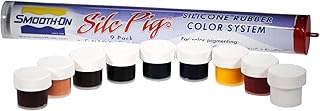


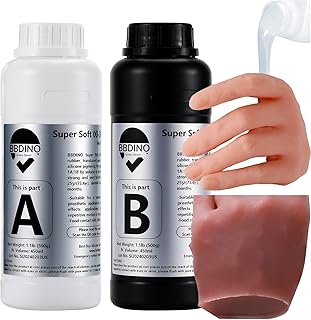


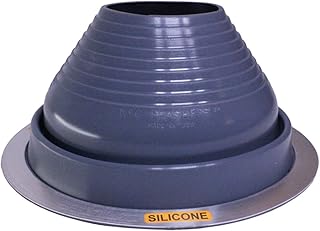


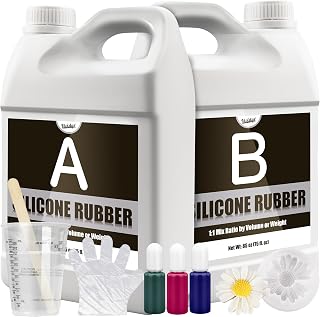

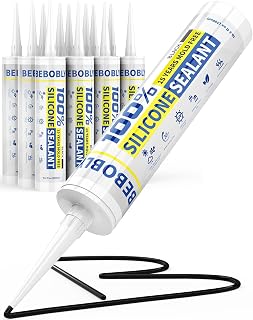


Choosing a silicone product is not simply a matter of selecting the lowest price or the highest number of reviews. The right option depends on the material being sealed, the location of the application, exposure to moisture and temperature, expected movement, curing requirements and the type of finish required. Canadian buyers should also consider seasonal temperature changes, indoor ventilation and the conditions under which the silicone will be applied.
Silicone sealants can be designed for very different jobs. A product intended for a bathroom may not be the best choice for exterior joints. A general-purpose formulation may be suitable for routine household repairs but less appropriate for applications involving prolonged water exposure, high temperatures or significant joint movement. Reading the technical specifications before purchasing is therefore more useful than relying on the product name alone.
For a smart purchase, compare the intended application, silicone chemistry, adhesion characteristics, flexibility, curing method, temperature range, resistance properties, packaging and manufacturer instructions. Brands such as DAP, GE, Gorilla, 3M, Loctite, Sika and Permatex offer silicone and sealant products for different applications, but the exact formulation should always be checked before making a buying decision.
A smart buy balances suitability, performance, application requirements and total cost rather than focusing on one feature. A more expensive tube is not automatically better, while a cheaper product can become poor value if it is unsuitable for the substrate or environment.
100% silicone formulations are commonly selected when flexibility and resistance to moisture are important. They can be useful for sealing joints around suitable surfaces where a durable, elastic seal is required. However, the phrase 100% silicone does not by itself guarantee compatibility with every material or application, so the manufacturer's specifications remain important.
Acetoxy-cure silicone is one of the established silicone curing systems. It can release an acidic by-product during curing, which means substrate compatibility should be checked carefully. Some metals, masonry materials and other sensitive surfaces may require a different formulation.
Neutral-cure formulations are designed for applications where the curing chemistry makes them more appropriate for particular sensitive substrates. They can be worth considering when working with metals, certain plastics or other materials for which compatibility is a concern.
Silicone intended for kitchens and bathrooms is formulated with wet-area applications in mind. Buyers should examine the complete product description rather than assuming that every bathroom-labelled sealant has identical properties. Look for information about moisture exposure, intended substrates, curing and any additional resistance claims stated by the manufacturer.
Exterior applications introduce additional considerations. A sealant may need to tolerate temperature variation, moisture and environmental exposure. Canadian buyers should pay particular attention to the manufacturer's stated application temperature and service-temperature information, especially when planning outdoor work during colder months.
High-temperature silicone is designed for applications where ordinary household sealants may not provide the required temperature performance. It is important to distinguish maximum service temperature from application temperature. A product that can withstand elevated temperatures after curing may still require a particular temperature range during application and curing.
Bathrooms are among the most common places where consumers use silicone. Typical applications include sealing around bathtubs, showers, sinks, basins and suitable tile or fixture joints. The main buying priorities are moisture resistance, adhesion to the intended substrate, flexibility and a finish that complements the surrounding area.
Before purchasing bathroom silicone, identify exactly what materials will meet at the joint. Ceramic tile, glass, acrylic, porcelain, metal and plastic components can have different adhesion requirements. The sealant should also be applied to a properly prepared and dry surface unless the manufacturer specifically states otherwise.
Do not choose a product solely because its packaging says waterproof. Determine whether the formulation is actually intended for the particular wet-area application and whether the manufacturer's instructions specify any limitations.
Kitchen sealing can involve countertops, sinks, backsplashes, fixtures and other joints where water can enter gaps. The correct product should be compatible with the surfaces being joined and appropriate for repeated moisture exposure.
When comparing options, examine adhesion information, curing requirements, flexibility and the manufacturer's recommended applications. For areas that are regularly cleaned, also consider how easily the finished bead can be maintained without damaging the seal.
Exterior sealing requires more attention to environmental conditions than many indoor repair jobs. Window and door joints can experience repeated temperature changes, precipitation and movement between adjacent materials.
Canadian buyers should avoid applying a sealant outside the manufacturer's recommended temperature range. If an exterior repair is planned during cold weather, check the product documentation carefully before starting. Application temperature, curing temperature and fully cured service performance are separate considerations.
For exterior projects, also consider whether the joint requires a high degree of movement capability and whether the product is compatible with the existing frame, glass, siding, metal or masonry. A technically excellent silicone can still fail when used on an incompatible surface.
Clear silicone is often selected when the goal is to make the seal less visually prominent. It can be useful around transparent or differently coloured surfaces, although cured clear silicone does not necessarily become completely invisible.
White silicone can provide a more deliberate finished appearance around white fixtures, trim and many bathroom installations. The best colour is primarily a visual and application decision, but it is worth checking the manufacturer's colour description because appearance can vary between products.
Surface compatibility is one of the most important factors in choosing a silicone sealant. Common substrates include glass, ceramic, porcelain, aluminium, stainless steel, wood, painted surfaces, acrylic and various plastics.
Not every silicone adheres equally well to every substrate. Some materials may require special preparation or a compatible primer. Certain plastics can also present adhesion challenges. Always consult the manufacturer's substrate list before assuming that a sealant will bond securely.
Glass is commonly sealed with silicone, particularly in suitable bathroom, window and glazing-related applications. Cleanliness is critical because dust, grease and residue can interfere with adhesion.
Ceramic and porcelain surfaces are frequently encountered in kitchens and bathrooms. The surface should be clean and free from contamination, while the selected silicone should specifically be suitable for the intended joint and surrounding materials.
Metal applications require attention to curing chemistry and corrosion considerations. Aluminium, stainless steel and other metals can behave differently depending on the formulation and environment. Check the manufacturer's compatibility guidance before application.
Plastic and acrylic surfaces can vary significantly in composition and surface characteristics. Because some plastics are difficult to bond reliably, buyers should verify compatibility instead of assuming that a general-purpose silicone will work.
Curing time describes how the sealant progresses from its freshly applied state toward its cured condition. The actual process can depend on factors such as temperature, humidity, bead size and ventilation. Do not treat a package's stated curing time as a universal guarantee for every installation.
Application temperature is particularly important in Canada. A sealant may have a broad operating range after curing while requiring a narrower temperature range during application. Always distinguish these two specifications.
Service temperature describes the conditions the cured product is designed to withstand. Compare this specification with the actual environment rather than choosing a product solely because it has a high advertised maximum.
Sealants are often used where two surfaces may move relative to each other. Flexibility and movement capability can therefore matter in expansion joints, exterior installations and other applications subject to thermal or structural movement.
Silicone hardness can affect how a cured bead feels and behaves. A softer, more flexible formulation may be appropriate for some moving joints, while other applications may have different requirements. The ideal hardness depends on the application rather than being universally better or worse.
Silicone and acrylic caulk are not interchangeable in every application. Silicone is often selected where flexibility and moisture resistance are priorities, while acrylic products can be useful for different interior finishing tasks and may offer advantages for painting or cleanup depending on the specific formulation.
The right comparison should focus on the job. For a wet-area joint, investigate moisture suitability and flexibility. For an interior decorative joint that will be painted, determine whether the product is paintable and whether its manufacturer specifically recommends that use.
Polyurethane sealants and silicone sealants have different characteristics and are formulated for different applications. When comparing them, consider adhesion, elasticity, environmental exposure, paintability, curing behaviour and substrate compatibility.
Neither category should automatically be treated as superior. The appropriate choice depends on the joint design and the materials involved.
Product packaging often contains more useful information than the marketing headline. Before buying, look for the intended application, compatible substrates, curing system, application temperature, service temperature, cure information, limitations and storage instructions.
The cheapest cartridge is not necessarily the lowest-cost solution. If the formulation is unsuitable for the substrate or environment, replacing the failed seal can require additional materials and labour.
Silicone products differ in intended use. A general-purpose product should not automatically be treated as suitable for every shower, exterior or submerged application.
One of the most common mistakes is selecting a product before identifying the materials that need to be joined. Always check compatibility first.
Cold weather can affect application and curing. Outdoor Canadian projects should be planned around the manufacturer's stated temperature requirements.
Dust, oil, grease, soap residue and loose material can compromise adhesion. Proper preparation is part of the sealing process, not an optional finishing step.
A sealant joint needs an appropriate bead size and geometry for the application. Applying excessive material does not automatically produce a stronger seal.
Good preparation can be just as important as product selection. Remove old failed sealant where appropriate, clean the bonding area and ensure the surface is compatible with the new product.
Surfaces should generally be free of dust, grease, soap residue and loose material. If a manufacturer specifies a particular cleaning method or primer, follow those instructions rather than substituting an unverified preparation technique.
Masking adjacent surfaces can help create a cleaner bead. Use the manufacturer's application guidance and allow adequate curing time before exposing the sealant to conditions that could interfere with its performance.
The amount required depends on cartridge size, bead dimensions, joint length and application technique. A small household repair may require only one tube, while a larger renovation can require several cartridges.
Rather than buying solely by package count, estimate the total joint length and compare it with the coverage information supplied by the manufacturer. Coverage can vary according to bead diameter, so advertised yield should be treated as a planning figure rather than an exact guarantee.
Standard cartridges are commonly used with caulking guns, while smaller squeeze tubes can be more convenient for minor repairs. The best format depends on project size and the level of control required.
A quality caulking gun can make it easier to maintain consistent pressure and produce a controlled bead. A suitable nozzle cut also matters because the opening influences the amount of sealant delivered.
Brand recognition can be useful when creating a shortlist, but the exact product formulation matters more than the logo on the package. Buyers may encounter products from manufacturers such as DAP, GE, Gorilla, 3M, Loctite, Sika, Permatex and other established sealant brands.
Compare the specific product specifications rather than assuming that every silicone sold under the same brand has identical characteristics. A manufacturer's product range can include general-purpose, bathroom, construction, automotive, high-temperature and specialty formulations.
Automotive silicone products require a different buying approach from household bathroom sealants. Engine compartments and mechanical assemblies can involve elevated temperatures, oils, vibration and chemically demanding environments.
Products from brands such as Permatex and Loctite may include formulations intended for automotive or mechanical applications, but the precise product specification must be matched to the intended component and operating conditions.
Never substitute a household sealant for a specialized automotive product simply because both are described as silicone. Application-specific requirements can be significantly different.
For occasional DIY work, versatility and ease of application can be important. A homeowner may need to seal a small gap, repair a fixture joint or refresh a worn seal around a suitable household surface.
For these projects, avoid buying a large quantity unless it will be used within the manufacturer's recommended storage period. A smaller package can make more sense for infrequent repairs, provided it has the required specifications.
Canadian purchasing decisions should account for local climate and installation conditions. Indoor applications are generally easier to control, while outdoor sealing projects can be affected by seasonal temperature swings, rain, snow, frost and changing humidity.
When comparing products in 2026, check the current manufacturer's specifications and the exact product variant available from the retailer. Product names can be similar while formulations, packaging and intended applications differ.
Retail prices, promotions and availability can change frequently. For that reason, a buying guide should be used to narrow down suitable options, while the final purchase decision should be based on the current product specifications and retailer information.
A discount is useful only when the product is appropriate for the intended job. Before considering a deal attractive, compare the unit quantity, formulation, intended application, compatible substrates and relevant performance specifications.
Customer reviews can reveal practical details that are not always obvious from a product title. However, reviews should be interpreted carefully because a product can receive negative feedback after being used outside its intended application.
Look for recurring comments about application, nozzle control, curing, adhesion and packaging. Give greater weight to reviews that clearly explain the surface, application and conditions rather than comments that simply state that a product was good or bad.
Technical specifications should remain the primary source for compatibility and performance decisions. Customer feedback can supplement that information but should not replace the manufacturer's instructions.
Silicone sealants should be handled according to the manufacturer's safety instructions. Some curing systems can release vapours during curing, making appropriate ventilation important, particularly in enclosed indoor spaces.
Read the product label and safety documentation before use. Follow recommendations concerning ventilation, skin contact, eye protection, storage and disposal. Keep uncured sealant away from children and pets, and avoid using products in applications that are not supported by the manufacturer.
Proper storage can help preserve an unopened silicone cartridge until it is needed. Temperature, moisture and exposure conditions can affect the product, so follow the manufacturer's storage recommendations.
Once a cartridge has been opened, the nozzle and remaining material can begin to cure. If you expect to use silicone only occasionally, consider the package size and whether the remaining product can realistically be used before it becomes unusable.
A silicone joint should be inspected periodically, particularly in areas exposed to repeated moisture or movement. Look for visible cracking, separation, gaps, discoloration or loss of adhesion.
Do not simply apply new silicone over a failed seal without determining why the original joint failed. In many situations, proper removal and surface preparation are necessary before installing a replacement bead.
Keeping wet-area surfaces reasonably clean can also reduce the buildup of residues around the seal. Follow appropriate cleaning recommendations for both the silicone and surrounding surfaces.
Replacement may be appropriate when the seal has visibly separated from the substrate, developed cracks, lost adhesion or no longer provides the intended barrier. The surrounding area should be assessed to determine whether the problem is limited to the seal or connected to a larger moisture or construction issue.
For recurring failures, replacing the silicone without addressing the underlying cause may only provide a temporary solution. Excessive joint movement, unsuitable substrate preparation, water intrusion or incorrect product selection can all contribute to premature failure.
Prioritize moisture suitability, substrate compatibility, flexibility, curing requirements and the desired finish. Confirm that the selected formulation is designed for the specific bathroom surfaces involved.
Focus on adhesion, moisture exposure, compatibility with countertops and fixtures, appearance and ease of maintenance. The exact joint location should determine the formulation.
Give particular attention to application temperature, weather exposure, movement capability and long-term service conditions. Canadian seasonal conditions make temperature specifications especially relevant.
Choose a package size that matches the project and prioritize straightforward application. There is little value in buying a large cartridge if most of it will remain unused.
Use an application-specific automotive or high-temperature formulation when required. Compare chemical, thermal and mechanical requirements with the manufacturer's specifications before installation.
There is no single best silicone for every Canadian buyer. The best choice depends on the intended application, substrate, moisture exposure, temperature, movement and desired finish. Compare products according to the requirements of the specific project.
No. Price does not determine whether a silicone is appropriate for a particular application. A specialized formulation may cost more because of its intended performance characteristics, while a lower-cost product may be the better choice for a simple application if it meets all relevant requirements.
Look for a formulation specifically intended for wet-area use and verify compatibility with the shower's surfaces. Moisture suitability, adhesion, flexibility and curing requirements should all be considered.
Some silicone products are designed for exterior applications, but not every silicone is suitable for outdoor use. Check the manufacturer's application temperature, service temperature, weather-exposure and substrate guidance before applying it outside.
Some formulations may permit application in lower temperatures than others. Always check the specific manufacturer's application requirements. Do not assume that a product's cured temperature rating means it can also be applied at that temperature.
Neither is universally better. Clear silicone is often selected for a less visually prominent appearance, while white silicone can coordinate with white fixtures and surfaces. Choose according to the installation and desired finish.
No. Plastics vary significantly, and some can be difficult to bond. Check the product's substrate compatibility information before applying silicone to plastic or acrylic.
Curing depends on the formulation and environmental conditions, including temperature, humidity and bead dimensions. Use the manufacturer's stated curing guidance for the specific product rather than relying on a general rule.
Applying new sealant over an existing failed bead is generally not a substitute for proper preparation. If the old silicone has failed, determine whether it should be removed and whether the surface needs cleaning before a new application.
Compare the specific product rather than choosing solely by brand. These manufacturers offer products for different applications, so examine the formulation, intended use, substrate compatibility, temperature information, curing requirements and other technical specifications for the exact product.
Bulk purchasing can make sense for a large project when the product is known to be suitable and can be stored according to the manufacturer's requirements. For occasional household repairs, buying more cartridges than necessary can result in wasted material if the remaining product is not used in time.
There is no universal replacement schedule. Inspect the seal based on its environment and condition. Cracking, separation, gaps or visible loss of adhesion can indicate that replacement should be considered.
The smartest silicone purchase is the one that matches the actual job. Start with the substrate and environment, then compare formulation, moisture resistance, flexibility, temperature specifications, curing requirements and finish. Only after those factors are established should price, reviews and promotional deals become deciding factors.
For Canadian buyers, temperature conditions deserve particular attention when silicone is being used outdoors or in areas exposed to seasonal changes. For bathrooms and kitchens, moisture suitability and surface compatibility should take priority. For automotive and high-temperature applications, use products specifically designed for those conditions rather than relying on a general-purpose household sealant.
Before purchasing, verify the current product specifications, package size and retailer information for the exact formulation you are considering. Product availability, prices, packaging and promotions can change during 2026, so a current comparison is more useful than relying on an old deal or an outdated product description.