

♥ Wishlist
Compare 62 Orthodontic Patient Kits products in Canada. Reviews, ratings, pros, cons and buying advice updated for October 2026.


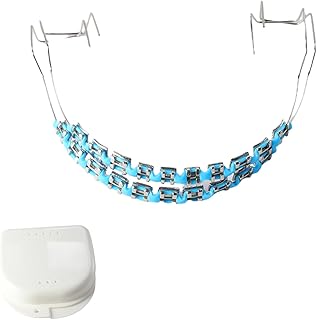


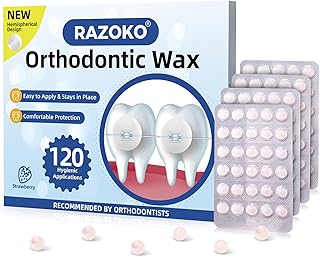


Choosing an orthodontic patient kit is less about buying the largest bundle and more about matching the contents to the daily demands of braces, aligners, retainers, or other orthodontic appliances. A useful kit should make routine oral care easier without encouraging unsafe self-treatment. For Canadian shoppers, the most practical approach is to compare the exact contents, material quality, portability, hygiene features, and compatibility with the orthodontic appliance being used.
Orthodontic care can create cleaning challenges because brackets, wires, attachments, and removable appliances introduce additional areas where food debris and plaque can collect. A thoughtfully assembled patient kit can therefore complement an established brushing and flossing routine. It should not, however, replace professional dental examinations, orthodontic appointments, prescribed treatment, or advice from a dentist or orthodontist.
There is no universal definition of an orthodontic patient kit. Bundles can differ substantially in both quantity and purpose. Some concentrate on everyday cleaning, while others include accessories intended for travel or appliance maintenance.
More items do not automatically make a kit better. A smaller package containing genuinely useful, compatible accessories may be a smarter purchase than a large bundle filled with tools that will rarely be used.
One of the most important buying considerations is the type of orthodontic treatment. Traditional braces and clear aligners create different cleaning requirements, so a kit designed around one may not be equally useful for the other.
Brackets and archwires create numerous surfaces that can be difficult to clean with an ordinary toothbrush alone. Look for a kit that supports detailed cleaning around brackets and underneath or around orthodontic wires.
Interdental brushes can be particularly useful for cleaning spaces around orthodontic components. The correct size matters because forcing an oversized brush into a tight space can be uncomfortable and may damage delicate areas. Your orthodontic professional can advise on suitable cleaning techniques and sizes.
Clear aligner users generally need a different combination of accessories. Removable aligners need to be handled and stored carefully, while teeth still require normal brushing and interdental cleaning. A compact case can be useful for protecting an aligner when it is removed for eating or cleaning.
Do not assume that every cleaning product is suitable for every aligner material. Follow the appliance manufacturer's cleaning instructions and your orthodontist's recommendations rather than relying on a generic kit description.
Retainer users should consider storage and cleaning accessories alongside everyday oral-hygiene tools. A protective case is especially practical for removable retainers because leaving an appliance loose in a bag, pocket, or other exposed location can increase the risk of contamination or accidental damage.
Always inspect the individual items included in a bundle. Product titles can make kits sound comprehensive, but the actual contents may be considerably more limited. Compare the number and type of brushes, flossing tools, cases, wax containers, and other accessories rather than judging a kit solely by its headline description.
For people with fixed braces, brush design deserves particular attention. Orthodontic brushes may have shaped bristles intended to make cleaning around brackets more manageable. Soft or appropriately designed bristles are generally preferable to unnecessarily aggressive brushing.
A familiar, reputable oral-care manufacturer may be worth considering when replacement brushes and compatible accessories are easy to identify. Brands such as Oral-B, Colgate, Philips, GUM, and TePe have established product ranges in the oral-care market, but individual products should still be evaluated according to their specifications and intended use.
A kit containing several interdental brush sizes can be useful because spaces between teeth are not identical. However, more sizes are only beneficial if they correspond to actual cleaning needs. A kit with one unsuitable size may provide less value than a smaller selection chosen appropriately.
Traditional floss can be difficult to manoeuvre around fixed orthodontic wires. Floss threaders and orthodontic-compatible flossing products may make the process easier. Look at how the accessory is designed and whether it is intended for braces, bridges, orthodontic appliances, or general interdental cleaning.
Orthodontic wax is commonly included in patient-oriented kits because new or adjusted orthodontic appliances can sometimes rub against the cheeks or lips. Check the packaging instructions and use wax only as directed. Persistent or severe irritation should be discussed with the orthodontic practice rather than managed indefinitely with an accessory.
A compact case can increase the practical value of a kit for students, commuters, travellers, or anyone who spends significant time away from home. Examine whether the case separates clean accessories from used items and whether ventilation or drying considerations are addressed.
When comparing orthodontic patient kits, material quality should be assessed alongside quantity. Brushes should have bristles that are appropriate for the intended oral-care application. Plastic components should be sufficiently durable for normal handling. Cases should be practical to clean and capable of protecting their contents during transportation.
For reusable accessories, hygiene is also important. Items that remain damp inside an enclosed case can become unpleasant to use. Follow the cleaning, drying, replacement, and storage instructions supplied with each product.
Disposable and reusable components each have advantages. Disposable accessories can simplify replacement and may be convenient when travelling. Reusable tools can reduce the need to continually purchase complete kits when only one component needs replacing.
Before choosing a bundle, consider the replacement cycle for its individual components. A kit may initially appear inexpensive but become less economical if the entire bundle must be repurchased when a frequently used brush or cleaning accessory wears out.
A good orthodontic kit should fit naturally into an existing routine. For home use, a larger collection can be practical if every item serves a purpose. For school, work, or travel, compact dimensions may matter more than the total number of accessories.
Marketing language such as “complete,” “professional,” or “premium” does not establish whether a kit is suitable for your treatment. The contents and intended applications matter more than promotional wording.
Not every oral-care accessory is appropriate for every orthodontic appliance. Before purchasing, verify that the product is designed for braces, clear aligners, retainers, or the specific appliance you use.
A large accessory count can look attractive, but unused tools add cost and storage requirements. Focus on practical usefulness rather than quantity.
Brushes and other frequently used components eventually require replacement. Consider the long-term cost of maintaining the kit instead of comparing only the initial purchase price.
More force does not necessarily mean better cleaning. Aggressive brushing or forcing interdental tools into restricted spaces can cause discomfort or injury. Use orthodontic accessories according to their instructions and professional guidance.
Price alone is not enough to determine value. A better comparison considers the useful contents, quality, expected replacement needs, portability, and compatibility.
When comparing orthodontic and oral-care accessories, established brands can provide a useful starting point because their product ranges are often easier to identify and compare. Oral-B, Colgate, Philips, GUM, and TePe are examples of recognised oral-care brands available in the Canadian market.
Brand recognition should not replace product-level evaluation. Different products from the same manufacturer can have different designs, sizes, materials, and intended applications. Always compare the specific product specifications and instructions before making a purchase.
Customer reviews can provide useful information about practical characteristics that may not be obvious from a product title. When researching a kit, look for repeated comments concerning durability, packaging, brush quality, case design, usability, and whether the listed contents actually match what buyers received.
Reviews should be treated as supplementary evidence rather than proof that a product is medically suitable. Individual experiences vary, and a review cannot replace advice from a qualified dental or orthodontic professional.
Canadian shoppers should examine the complete listing before ordering. Pay attention to the exact product variant, pack size, dimensions, included accessories, seller information, and current delivery terms shown at the time of purchase.
Product listings can change, including package contents and pricing. For that reason, compare the current specification rather than relying solely on an older review, search snippet, or product image.
Keeping the kit clean is just as important as choosing it carefully. Oral-care accessories come into contact with the mouth and should be handled according to the manufacturer's care instructions.
An orthodontic patient kit is an accessory collection, not a substitute for professional care. Contact your dentist or orthodontist when you experience persistent pain, significant swelling, bleeding that does not resolve, damage to an appliance, a loose bracket or wire, or another problem that requires professional assessment.
Do not use generic tools to bend, cut, tighten, remove, or otherwise modify orthodontic hardware unless specifically instructed by a qualified professional. Attempting repairs yourself can interfere with treatment or cause injury.
Before selecting one of the orthodontic patient kits being considered, use this checklist to narrow the options:
There is no single best kit for every Canadian shopper. The right option depends on whether you use braces, clear aligners, or retainers, along with your cleaning routine, preferred accessories, portability requirements, and budget. Compare the actual contents and compatibility before choosing.
They can be useful when the included accessories address genuine orthodontic-care needs. A kit is less attractive when it contains numerous unnecessary items or tools that are unsuitable for your appliance.
A regular toothbrush can be used for oral hygiene, but some people prefer orthodontic-specific brush designs that make cleaning around brackets and wires easier. Ask your dental or orthodontic professional which brush and technique are appropriate for you.
They may benefit from selected accessories, particularly a suitable storage case and products that support normal oral hygiene. The exact requirements depend on the aligner system and instructions supplied by the treating professional.
Replacement timing varies by product. Follow the manufacturer's instructions and replace components when they become worn, damaged, or unsuitable for continued use. Toothbrushes and similar cleaning products should not be kept indefinitely simply because they were purchased as part of a larger bundle.
Not necessarily. For travel, a compact kit containing the accessories you actually use can be more practical than a large bundle. Prioritise secure storage, portability, and hygiene.
No. Price does not automatically indicate better performance or compatibility. Compare materials, included accessories, design, replacement needs, and suitability for your orthodontic treatment.
Orthodontic wax may provide temporary comfort when an orthodontic component is irritating the mouth, but it does not repair damaged orthodontic hardware. Contact your orthodontic provider for appropriate advice when a bracket, wire, or appliance becomes damaged or displaced.
The smartest way to compare orthodontic patient kits in Canada is to start with your treatment type and daily routine. Identify the cleaning tasks that are difficult, then select a kit containing useful tools for those tasks. Prioritise appropriate brush designs, interdental cleaning options, practical storage, quality construction, clear instructions, and replaceable components.
Before purchasing, compare the current specifications, package contents, customer feedback, and total value of the shortlisted options. Avoid choosing solely because a kit has the most accessories or the most persuasive marketing language. The strongest choice is the one that fits your orthodontic needs, is practical to maintain, and supports the oral-care routine recommended by your dental or orthodontic professional.