

♥ Wishlist
Compare 54 Orthodontic Instruments Including Pliers products in Canada. Reviews, ratings, pros, cons and buying advice updated for October 2026.


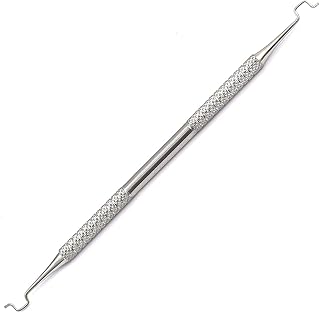


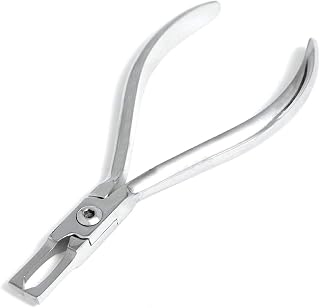


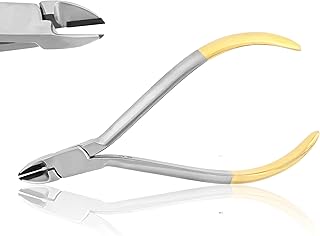


Orthodontic instruments are specialized tools designed for controlled work around orthodontic appliances, wires, brackets, bands, and other components. Although many instruments may look similar at first glance, small differences in tip geometry, working length, jaw profile, handle design, and construction can significantly affect precision and handling.
For buyers in Canada, the most important consideration is matching the instrument to its intended professional or educational purpose. A tool designed for bending archwires is not automatically suitable for cutting them, and a general-purpose plier may not provide the controlled geometry required for a specific orthodontic procedure. Before comparing deals, identify the exact task, material compatibility, working dimensions, and intended level of use.
Orthodontic pliers are not a single category of tool. They include several specialized designs, each intended for a particular manipulation or adjustment. Understanding these differences makes product comparisons much more meaningful.
Bird beak pliers typically feature tapered conical and pyramidal sections that allow controlled bends in orthodontic wire. They can be useful when forming loops, adjusting wire angles, or creating bends of different radii.
The geometry of the working ends matters because a smoother transition can help produce more predictable bends. Buyers should examine jaw dimensions and whether the instrument is intended for the wire sizes they expect to handle.
Howe-style pliers are commonly associated with holding and manipulating orthodontic wires. Their elongated working ends can provide access around brackets and other components where a conventional general-purpose plier may be less convenient.
When comparing these instruments, look at the shape of the tips, handle ergonomics, and overall reach rather than relying solely on the product name.
Three-prong pliers use a combination of two supporting tips and a central prong to create controlled wire bends. They can be particularly useful for forming precise adjustments while minimizing unwanted movement of the wire.
The spacing and shape of the prongs should be checked carefully. Different configurations can produce different bending characteristics, so a visually similar tool may not perform identically.
Distal end cutters are designed for cutting orthodontic wire at the distal end of an appliance. Their cutting surfaces need to align correctly and remain suitable for the wire type being manipulated.
A key buying consideration is whether the cutter is specified for the intended wire material and diameter. Using a cutter outside its intended capacity can lead to poor cuts, premature wear, or damage to the instrument.
Ligature cutters are intended for smaller wire-related cutting tasks. Their compact working ends can provide access in areas where larger cutters would be difficult to position.
Buyers should distinguish between instruments designed for light ligature work and heavier cutting applications. Product descriptions should clearly identify the intended use.
Weingart-style pliers generally have long, narrow tips intended for grasping, positioning, and manipulating orthodontic archwires. Their extended geometry can be useful when working in confined areas.
When comparing models, consider tip length, tip alignment, handle comfort, and whether the jaws are smooth or textured. The appropriate surface depends on the task and the need for secure grip versus protection of the wire.
Material selection influences durability, corrosion resistance, weight, maintenance requirements, and the feel of the instrument during use. Stainless steel is common because it combines strength with resistance to corrosion when appropriately manufactured and maintained.
Stainless steel instruments are widely used because they can provide a balance between rigidity and corrosion resistance. However, “stainless steel” alone does not describe every aspect of manufacturing quality. Different grades and manufacturing processes can produce different levels of hardness, surface finish, and resistance to wear.
Look for clear material information rather than assuming that every instrument marketed as stainless steel has identical performance characteristics.
A polished or satin finish can influence cleaning, handling, and visual inspection. A consistent finish may also make imperfections easier to identify.
Examine product images and specifications for evidence of consistent machining, smooth transitions, and properly formed working ends. Sharp edges or irregular surfaces in areas not intended to cut may indicate poor finishing.
Handles may be made entirely from metal or incorporate other materials intended to improve grip. Ergonomic handles can be more comfortable during repetitive manipulation, but a thicker or softer grip is not automatically better for every user.
The best handle design depends on hand size, intended duration of use, required force, and the degree of tactile feedback needed.
Product titles can make orthodontic instruments appear interchangeable. Specifications provide a better basis for comparison.
Instrument sets can be convenient when several related tools are required, but a larger kit is not necessarily a better purchase. Some sets contain multiple variations that may never be used.
Start by listing the individual instruments actually required. Then compare the set against that list. Check whether the included pliers have different jaw profiles or whether several tools perform essentially the same function.
A useful comparison should also consider storage. A case or organizer can reduce the risk of misplaced instruments and protect delicate working ends between uses. However, storage quality should not compensate for unsuitable or poorly specified tools.
Buying individual tools can make sense when a specific orthodontic task requires one specialized instrument. It also allows the buyer to prioritize quality for frequently used tools.
A kit may be more practical when several complementary instrument types are needed at once. Before selecting a kit, compare the material information, included tool types, dimensions, and intended applications rather than judging value solely by the number of pieces.
Orthodontic instruments are often manipulated through small, precise movements. Handle comfort can therefore affect control as well as convenience.
Look for handles that open and close smoothly without excessive resistance. The hinge should not feel loose, while excessive stiffness can make repeated movements uncomfortable. Finger placement should feel natural, and the working end should remain easy to position without unnecessary wrist movement.
For buyers comparing several similar models, photographs can help identify differences in handle profile, but specifications and manufacturer information should carry more weight than appearance alone.
The cheapest instrument may appear attractive when several products look nearly identical. However, price alone does not reveal material quality, machining precision, joint construction, or intended use.
Compare specifications and construction details before deciding whether a lower-priced option represents genuine value.
A large set may contain many instruments but still lack the exact plier required for a specific task. Always identify the required instrument type first.
Cutting tools should be selected according to the material and dimensions they are designed to handle. Do not assume that a small orthodontic cutter can safely cut every type of wire.
General-purpose pliers may not have the precision, dimensions, or geometry expected from an orthodontic instrument. Tools intended for unrelated applications should not automatically be substituted for specialized instruments.
Instrument longevity depends partly on appropriate cleaning, drying, storage, and maintenance. Different products can have different care requirements. Always follow the applicable manufacturer's instructions.
Brand recognition can help narrow a comparison, but it should not replace evaluation of the specific instrument. Established dental and orthodontic manufacturers such as Hu-Friedy, Dentsply Sirona, 3M, GC Orthodontics, American Orthodontics, and Ormco offer products across professional dental and orthodontic categories.
The exact product line, specification, intended application, and manufacturer instructions should always be checked before purchasing. A respected brand name does not mean every instrument in its range is appropriate for every task.
Budget instruments can be attractive for occasional educational or non-clinical applications, while higher-end instruments may offer more detailed manufacturing specifications, refined ergonomics, and construction intended for demanding professional environments.
Instead of assuming that premium pricing guarantees suitability, compare the actual features that matter: working-end geometry, material, hinge construction, cutting capacity, surface finish, dimensions, and maintenance requirements.
For professional clinical use, instrument selection should follow applicable workplace procedures, professional requirements, manufacturer instructions, and infection-control protocols.
Proper maintenance can help preserve the condition and functionality of reusable metal instruments. However, the correct procedure depends on the instrument design and manufacturer's instructions.
Online buyers cannot physically test an instrument before purchase, so the product listing becomes especially important. Strong listings should provide enough information to establish what the tool is designed to do.
Look for clear photographs showing the working ends, handles, hinge, and overall dimensions. Product descriptions should identify the instrument type and intended application. Where relevant, look for material details, cutting capacity, dimensions, included accessories, and manufacturer information.
Customer reviews can provide useful information about packaging, handling, perceived construction, or consistency, but they should be interpreted carefully. A reviewer's intended use may differ substantially from yours.
Do not treat a high review count as proof of professional suitability. Product specifications and intended use remain essential.
Canadian shoppers should consider more than the displayed product price. The final purchasing decision can also depend on delivery terms, taxes, retailer policies, product availability, and whether the item is appropriate for the intended application.
When comparing online listings, check the product specifications on the current listing rather than relying on an older description or a product title alone. Product configurations can change, and different sellers may use similar terminology for different instruments.
For professional use, buyers should also verify whether the selected instrument meets their workplace requirements and any applicable professional or regulatory expectations.
The best deal is not necessarily the product with the lowest advertised price. A better approach is to compare price against useful specifications and expected application.
For example, a specialized plier with the correct jaw geometry may provide better value than a larger inexpensive set containing several unsuitable tools. Conversely, a carefully selected kit can be economical when multiple required instruments are included.
Before purchasing, compare the current product description, specifications, included items, seller information, customer feedback, and applicable return conditions. Prices and availability can change, so verify current details at the time of purchase.
Orthodontic instruments are specialized tools used for tasks involving orthodontic wires, brackets, bands, ligatures, and related components. Different instruments are designed for cutting, bending, holding, positioning, or adjusting specific materials.
There is no universally best orthodontic plier. The appropriate choice depends on the intended task. A wire-bending plier, cutter, and wire-holding plier perform different functions and should be selected accordingly.
No. Their jaw shapes, tip dimensions, cutting surfaces, and intended applications can differ considerably. Selecting the correct instrument is more important than choosing a tool simply because it looks similar.
Stainless steel is widely used for reusable dental and orthodontic instruments because of its combination of strength and corrosion resistance. However, the specific grade, manufacturing quality, surface finish, and maintenance requirements should also be considered.
A kit can be useful when several different instruments are required. It may be less suitable when only one or two specialized tools are needed. Compare the individual contents and specifications rather than choosing based solely on the piece count.
Check the manufacturer's stated cutting capacity and compatibility with the wire material and dimensions you intend to work with. Consider tip access, handle design, hinge quality, and maintenance requirements as well.
Suitability depends on the specific instrument, its construction, specifications, and intended application. For professional clinical work, selection should also take account of applicable workplace procedures, manufacturer guidance, and professional requirements.
Maintenance should follow the manufacturer's instructions and the applicable cleaning and infection-control procedures. Instruments should be inspected, cleaned appropriately, dried, stored safely, and removed from service if damaged or no longer functioning correctly.
Review the current product specifications, intended use, material, dimensions, seller information, delivery terms, applicable taxes or fees, return conditions, and current availability. For professional applications, verify that the instrument is appropriate for the relevant clinical requirements.
The smartest way to compare orthodontic instruments in 2026 is to begin with function rather than price or appearance. Determine whether you need a bending plier, wire holder, cutter, ligature instrument, or a broader selection of tools. Then compare the working-end geometry, construction, dimensions, ergonomics, compatibility, maintenance requirements, and current customer feedback.
Established names such as Hu-Friedy, Dentsply Sirona, 3M, GC Orthodontics, American Orthodontics, and Ormco can provide useful starting points for research, but the individual product specification remains the deciding factor.
For Canadian buyers, always verify current pricing and availability before completing a purchase because online listings and deal conditions can change. Most importantly, choose an instrument that matches the intended task rather than selecting a product solely because it has more pieces, a lower price, or a large number of reviews.
This approach makes it easier to distinguish genuine value from superficial deals and to build an orthodontic instrument selection based on precision, compatibility, durability, ergonomics, and appropriate use.