

♥ Wishlist
Compare 16 Oral Surgery Burs products in Canada. Reviews, ratings, pros, cons and buying advice updated for October 2026.




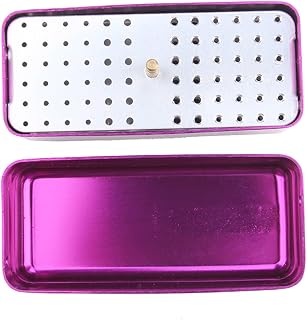


Choosing oral surgery burs is very different from choosing general-purpose dental rotary instruments. The correct bur must match the handpiece, procedure, material being removed, cutting requirements, irrigation approach and reprocessing protocol. A low purchase price alone does not make a bur a smart buy.
This 2026 buying guide focuses on the factors that matter when comparing oral surgery burs in the Canadian market. Product specifications, packaging, compatibility, intended use and manufacturer instructions should always be checked before purchase. Clinical selection should be made by a qualified dental professional according to the procedure and applicable infection-control requirements.
Oral surgery burs are rotary cutting instruments designed for use with compatible dental or surgical handpieces. Depending on their design, they may be used for cutting or removing hard dental tissues, bone, restorations or other materials during procedures performed by appropriately trained professionals.
A bur normally consists of a working head and a shank. The working head determines much of the cutting behaviour, while the shank must fit the intended handpiece or attachment correctly. ISO 1797:2017 addresses dimensional and material requirements for shanks used with dental rotary and oscillating instruments, making shank compatibility an important specification to verify rather than assume.
Start with the procedure rather than the brand. Different bur geometries are designed for different cutting tasks. A bur suitable for sectioning may not be the appropriate choice for controlled bone removal, and a finishing instrument should not automatically be treated as a surgical cutting bur.
Carbide and diamond are among the most familiar materials used in dental rotary instruments, but they are not interchangeable in every application. The cutting behaviour depends on the material, geometry, grit or flute configuration, head shape and operating conditions.
Carbide burs use cutting flutes to remove material. Their performance can depend heavily on flute geometry, manufacturing precision and the condition of the cutting edges. Diamond instruments use abrasive particles bonded to the working surface and are available in different abrasive characteristics and shapes.
When comparing products, look beyond the simple description of the working material. A manufacturer specification that identifies the exact bur design, dimensions, shank type and intended application provides much more useful information than a generic statement such as “surgical dental bur.”
Round burs are recognizable by their spherical working heads. Their suitability depends on the exact size, cutting design and intended procedure. Different diameters provide different levels of access and control, so the correct size should be selected according to the clinical task rather than convenience.
Fissure-style burs have elongated working heads and can provide a defined cutting surface. Variations in flute design influence how aggressively the instrument removes material and how the operator controls the cut.
Cross-cut burs include additional cutting features across the primary flutes. These designs can alter cutting efficiency and debris management. The exact configuration should be evaluated against the manufacturer's intended application and recommended operating parameters.
Long-shank instruments can provide additional reach when access is required. However, length should never be considered in isolation. Longer instruments can have different handling characteristics, and compatibility with the specific handpiece must be verified before use.
One of the easiest buying mistakes is ordering the correct-looking bur with the wrong shank configuration. Dental rotary instruments are manufactured for particular handpiece connections and operating systems.
ISO 1797:2017 specifically covers dimensions and material properties of dental rotary and oscillating instrument shanks. It also addresses measurement characteristics relevant to manufacturing and quality control. For purchasing decisions, this reinforces why dimensional specifications are more useful than vague compatibility statements.
Whether a bur is disposable or reusable is a major purchasing consideration. The correct choice depends on the specific product, manufacturer instructions, clinical protocol and applicable infection-control requirements.
Disposable instruments can simplify workflow when the manufacturer identifies the product as intended for single use. They can reduce the need to establish a repeated reprocessing cycle for that particular instrument.
Reusable instruments require appropriate cleaning, inspection, sterilization and storage procedures according to the manufacturer's instructions and the dental facility's infection-prevention protocol.
A reusable bur should not be treated as economical simply because it can technically be used more than once. The overall workflow, reprocessing requirements, inspection time, instrument condition and manufacturer's validated instructions should all be considered.
For instruments intended to be reprocessed, always follow the manufacturer's instructions for use. Do not assume that one sterilization method is suitable for every bur.
When evaluating an online listing, vague claims about “autoclavable” should not replace complete manufacturer instructions. The exact product and model should be identifiable so that its reprocessing requirements can be confirmed.
Size affects access, visibility, control and the amount of material that can be contacted by the working portion. A larger bur is not automatically better, and a smaller bur is not automatically more precise.
Compare the head diameter, head length, total instrument length and working length where those specifications are available. For procedures requiring access to deeper or less accessible areas, working length can be particularly important.
A common purchasing mistake is assuming that the most aggressive cutting instrument is always the best choice. Clinical control matters just as much as cutting speed.
Bur geometry, flute configuration, abrasive characteristics, handpiece speed, pressure, irrigation and the material being cut can all affect performance. The instrument should therefore be selected for the complete procedure rather than judged by one specification.
Precision matters for small rotary instruments. Inconsistent dimensions, poor surface finishing, damaged cutting edges or inadequate manufacturing control can affect fit and performance.
When comparing unfamiliar brands, examine the quality of the product documentation. Useful listings should provide clear information about the bur type, dimensions, shank, material, intended use, packaging and manufacturer or responsible supplier.
Recognized dental manufacturers such as Dentsply Sirona, Komet Dental, Meisinger, Brasseler USA and Prima Dental are examples of established names that may appear when researching professional dental rotary instruments. Brand recognition should still be treated as only one purchasing factor. The exact product specification must match the intended application.
The cheapest listing is not necessarily the best value. A more useful comparison considers the complete cost and specification of the purchase.
A pack of inexpensive burs may appear attractive, but the useful comparison is the cost per appropriate instrument. A smaller pack from a well-documented manufacturer may be preferable to a larger pack that contains an unsuitable size or lacks sufficient product information.
For reusable instruments, the calculation is more complicated because cleaning, sterilization, inspection and replacement requirements form part of the overall workflow. For single-use instruments, the cost per procedure may be easier to estimate, but packaging and waste considerations can still matter.
Budget instruments may be suitable when their specifications are clearly documented and they are appropriate for the intended application. However, a low price should not compensate for missing information about compatibility, dimensions, material, intended use or reprocessing.
Higher-priced instruments may provide more detailed product documentation, specialized geometries, established manufacturing processes or a broader range of configurations. These characteristics can be valuable when a specific clinical application requires a precise instrument.
The best choice is not necessarily the most expensive option. It is the instrument whose documented specifications and intended use most closely match the clinical requirement.
Two burs can look almost identical while having different dimensions, shanks, cutting patterns or intended applications. Always read the written specifications.
A bur that cannot be correctly fitted to the intended handpiece is not a bargain. Confirm compatibility before purchase.
Large packs can reduce unit cost, but only if the entire quantity is appropriate for the clinical workflow and product specifications.
Never infer reusability from appearance or material. Follow the manufacturer's stated use and reprocessing instructions.
Customer ratings can help identify packaging or listing issues, but they should not replace professional judgment or manufacturer documentation when evaluating instruments intended for clinical procedures.
A listing that does not clearly identify the manufacturer, model, size or configuration can make it difficult to verify whether the product is suitable. Product traceability and accurate documentation are particularly important for professional healthcare purchases.
Canadian buyers should pay attention to the regulatory status and supply chain of medical devices rather than assuming that a product listed online has the same regulatory position in every country.
Health Canada's medical-device framework uses four risk classes. Class II, III and IV medical devices generally require a Medical Device Licence before they can be imported or sold in Canada, while Class I devices follow different licensing requirements. The classification and licensing status depend on the specific device and its intended use, so buyers should verify the applicable requirements rather than applying a generic assumption to every dental bur.
For professional purchasing, it is sensible to retain product documentation, manufacturer information, lot or model details where provided, and applicable instructions for use. A dental practice should also follow its own procurement, infection-prevention and clinical governance procedures.
A strong listing should make it possible to identify the product without relying on photographs or marketing language alone.
Brand comparison is most useful when it is performed at the product level. A respected manufacturer can offer many different bur families, and those products may differ substantially in geometry, intended application and shank configuration.
Dentsply Sirona is a major dental manufacturer whose product range includes professional dental instruments and rotary systems. When evaluating a specific product, compare its exact model and manufacturer documentation rather than relying on the brand name alone.
Komet Dental is known for dental rotary instruments and related professional products. Buyers comparing Komet instruments with alternatives should examine exact geometry, dimensions, application and compatibility.
Meisinger produces dental rotary instruments in numerous configurations. When considering a Meisinger bur, verify the precise product reference and intended application before comparing it with another model.
Brasseler USA offers professional dental instruments and rotary products. Its products should be evaluated using the same criteria as competing brands: application, geometry, dimensions, compatibility, documentation and total cost.
Prima Dental is another name buyers may encounter while researching dental rotary instruments. As with any manufacturer, product-level specifications are more useful than brand familiarity alone.
A well-planned selection usually begins with the procedures performed most frequently and then maps the required instrument configurations to those procedures.
For reusable burs, inspection should form part of the established clinical workflow. Look for visible damage, distortion, corrosion, unusual wear, compromised cutting surfaces or other conditions that could make the instrument unsuitable.
Do not attempt to restore a damaged surgical bur simply to extend its useful life. Follow the manufacturer's instructions and the dental facility's instrument-management protocol when deciding whether an instrument should remain in service.
Exercise caution when a product page provides a dramatic claim but very little technical information. A listing becomes harder to evaluate when it lacks an identifiable model, dimensions, compatibility information or intended use.
For Canadian buyers researching oral surgery burs in 2026, the most reliable approach is specification-first comparison. Begin with the procedure and handpiece, identify the appropriate bur geometry, verify the dimensions and intended use, then compare reputable manufacturers and current retailer offers.
Use price and customer feedback as supporting information rather than the primary measure of clinical suitability. A lower-priced instrument is only a smart buy when it satisfies the same fundamental requirements as the alternatives being compared.
There is no single best bur for every oral surgery procedure. The appropriate choice depends on the clinical task, bur geometry, dimensions, working material, handpiece compatibility, operating requirements and manufacturer instructions.
Some carbide rotary instruments are designed for professional dental and surgical applications, but suitability depends on the exact instrument. Check the manufacturer's stated intended use rather than assuming that every carbide bur is appropriate for oral surgery.
Some diamond instruments are manufactured for specific dental or surgical applications. The correct product depends on its geometry, abrasive characteristics, dimensions and intended use. The exact manufacturer specification should be reviewed before clinical use.
Some instruments are designed for reuse while others are intended for single use. Reusability should never be assumed. Follow the exact manufacturer's instructions for the selected product and the applicable clinical infection-control protocol.
Check the shank configuration and the manufacturer's compatibility information for both the bur and handpiece. If the specifications are unclear, the product should not be selected solely on the basis of its appearance.
They can be economical when the product has adequate documentation, correct compatibility and appropriate specifications. Price alone cannot establish suitability. Compare equivalent products on a cost-per-instrument basis and consider intended use, quality documentation and reprocessing requirements.
A recognized manufacturer can make product documentation and identification easier, but brand reputation should not replace product-level evaluation. Compare the exact model, dimensions, geometry, compatibility and intended application.
Canadian buyers should verify the exact product information, intended use, supplier details, compatibility and applicable medical-device requirements. For professional clinical use, the purchasing decision should also follow the dental facility's procurement and infection-prevention procedures.
Online reviews can provide useful information about packaging, listing accuracy and purchasing experiences, but they should not be treated as a substitute for manufacturer documentation or professional clinical judgment.
The smartest way to compare oral surgery burs is to work from the clinical requirement backwards. Identify the procedure, determine the appropriate geometry and dimensions, confirm the shank and handpiece, review the manufacturer's instructions, then compare reputable brands and current Canadian prices.
Products from established manufacturers such as Dentsply Sirona, Komet Dental, Meisinger, Brasseler USA and Prima Dental can be useful starting points for comparison, but the exact product specification remains the decisive factor. Always verify the current listing, model, intended use and applicable instructions before purchase.
For professional dental applications, final instrument selection should be made by appropriately trained dental personnel. Online buying guides can help organize product research, but they should not replace clinical training, manufacturer instructions, infection-prevention protocols or professional judgment.