
♥ Wishlist
Compare 45 Oral Pain Relief Products for Everyday Dental Comfort products in Canada. Reviews, ratings, pros, cons and buying advice updated for October 2026.






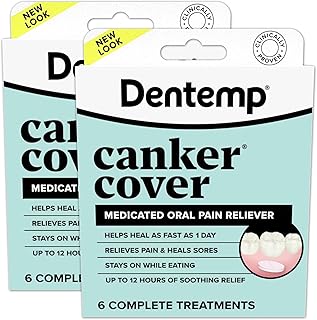


Choosing an oral pain relief product is not simply a matter of finding the lowest price. Toothache, gum irritation, mouth ulcers, sensitivity and pain after dental treatment can have very different causes, so the most suitable option depends on the type, location and severity of the discomfort. This guide helps Canadian shoppers compare common oral pain relief formats, active ingredients, safety considerations and practical buying factors before making a purchase.
For temporary dental pain, the Canadian Dental Association notes that over-the-counter medicines such as ibuprofen and acetaminophen can be effective when used appropriately. However, pain relief does not necessarily address the underlying dental problem. Persistent or severe tooth pain should be assessed by a dental professional rather than managed indefinitely with an over-the-counter product.
The best choice depends first on what you are trying to relieve. A topical oral gel may make more sense when you need localized temporary numbing, while an oral analgesic may be more appropriate for broader dental discomfort. Some products are designed specifically for toothache, while others target minor mouth or gum irritation.
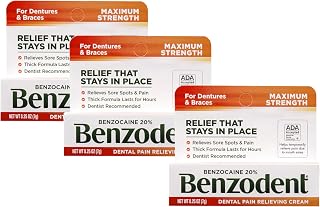
Topical gels are designed to be applied directly to an affected area. They can be useful when pain is concentrated around a particular tooth or section of the gums. Benzocaine is one topical anesthetic found in oral pain relief products. It works locally to temporarily reduce sensation.
Orajel is a recognizable example of a brand offering topical toothache products. The Canadian Dental Association's product information includes Orajel formulations containing 20% benzocaine for temporary toothache relief. Product-specific warnings and directions should always be checked before use.
A topical product can be convenient because application is localized. However, consumers should not assume that a stronger-sounding product is automatically better. Concentration, intended application, age restrictions and safety instructions all matter.
Acetaminophen is an established over-the-counter pain reliever available in Canada in several forms. Health Canada identifies toothache among the types of pain for which acetaminophen may provide temporary relief.
The main buying consideration is the total amount of acetaminophen taken from all products. Consumers should check combination cold, flu or pain medicines carefully because more than one product may contain the same active ingredient. Health Canada warns that exceeding the recommended amount can cause serious liver damage.
Tylenol is a familiar Canadian-market brand associated with acetaminophen products, but shoppers should compare the active ingredient and strength on the actual package rather than choosing based only on brand recognition.
Ibuprofen belongs to a different class of pain relievers and can be useful for certain types of dental pain. The Canadian Dental Association identifies ibuprofen and acetaminophen as commonly used non-prescription options for managing dental pain.
Ibuprofen is not suitable for everyone. Personal medical history, other medicines, allergies and specific health circumstances can affect whether it is appropriate. If you are unsure which pain reliever is suitable, a pharmacist or healthcare professional can help you assess the options.
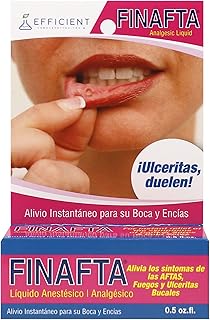
Not every painful area inside the mouth is caused by a tooth. Canker sores, gum irritation, minor injuries and other conditions can produce discomfort. A product intended specifically for toothache may therefore not be the most appropriate choice for another oral condition.
Before buying, identify whether the discomfort is coming from a tooth, gum tissue, tongue, cheek, ulcer or another area. The intended-use section on the label is one of the most important pieces of information to compare.
Benzocaine is a topical anesthetic used in some oral pain relief products. It temporarily numbs an area rather than treating the underlying cause of dental disease.
Canadian consumers should pay particular attention to benzocaine safety information. Health Canada has stated that benzocaine products should not be used in children under two years of age because of the risk of methemoglobinemia, a rare but potentially serious condition.
Some Canadian benzocaine products also carry specific warnings about allergic reactions and symptoms such as weakness, confusion, headache, difficulty breathing or blue-coloured lips or nails. Always follow the individual product label.
Acetaminophen can provide temporary relief from mild to moderate pain, including toothache. Health Canada states that adults and children aged 12 years and older should not exceed 4,000 mg of acetaminophen from all sources in a 24-hour period. Individual products may have different directions, so the package label should remain the primary reference.
Consumers should be especially careful with combination medicines. Taking multiple products containing acetaminophen can unintentionally increase the total daily amount.
Ibuprofen can help reduce pain and inflammation, which can make it relevant when inflammation contributes to dental discomfort. However, it is not appropriate for every person or situation.
Read the product warnings carefully and consider existing medicines and health conditions. When there is uncertainty, asking a pharmacist is a safer approach than selecting a product solely because it has a higher strength or more prominent marketing claims.
There is no universally best format. The right choice depends on where the pain occurs and how you prefer to use the product.
Oral pain relief products are medicines or medicinal products, so a smart purchase involves more than reading ratings and comparing prices.
Read the Drug Facts information carefully. Two products may have similar packaging but contain different active ingredients. Understanding the ingredient helps prevent accidental duplication and makes it easier to compare products objectively.
Age restrictions can vary significantly between formulations. Never assume that an adult oral pain relief product is suitable for a child. Benzocaine products have particularly important restrictions for young children in Canada.
Review the allergy warnings and other precautions before use. A product containing an ingredient that previously caused an allergic reaction should not be selected simply because it appears highly rated.
If you already take cold, flu, headache or other pain medicines, inspect their active ingredients before adding another pain reliever. Duplicate ingredients can increase the risk of exceeding recommended amounts.
Follow the product's instructions for amount, frequency, duration and application. Do not assume that using a larger quantity will produce better or faster relief.
Pain relief can temporarily make symptoms easier to manage, but it does not repair a cavity, restore a damaged tooth or eliminate every cause of dental pain. The Canadian Dental Association advises people with toothache to contact a dentist and seek assessment.
Common causes of tooth pain include tooth decay, infection, injury and irritation of the tooth's nerve. The appropriate treatment depends on the underlying cause.
Do not place pain-relief tablets directly against an aching tooth or gum. The Canadian Dental Association specifically warns against this practice because it can damage or burn gum tissue.
Some symptoms deserve prompt professional attention rather than repeated self-treatment.
Difficulty breathing or swallowing, significant facial swelling and certain serious injuries can require urgent medical attention. When symptoms appear severe or potentially life-threatening, seek emergency care rather than relying on an over-the-counter pain product.
Consumers sometimes assume that tooth pain automatically means antibiotics are required. That is not generally the case. The Canadian Dental Association explains that many toothaches require treatment of the underlying dental source and that antibiotics are not appropriate for every toothache.
This is an important distinction when comparing oral pain relief products. A pain reliever addresses symptoms, while dental treatment may be required to resolve the cause. Antibiotics should only be used when clinically indicated and prescribed or recommended by an appropriate healthcare professional.
A smart deal is not necessarily the product with the lowest advertised price. Compare the complete value proposition before buying.
Marketing language does not determine whether a product is appropriate for your situation. Compare the active ingredient, concentration, intended use and warnings instead.
Repeatedly treating tooth pain without investigating its cause can delay dental care. Temporary symptom relief should not be confused with treatment of the underlying problem.
Using several pain products at the same time can create unnecessary risks when their active ingredients overlap. Always check labels before combining medicines.
Children require age-appropriate products and dosing instructions. Do not estimate a child's dose from an adult product unless specifically instructed by a qualified healthcare professional.
Topical oral anaesthetics should be used according to their product-specific directions. More frequent or larger applications are not automatically safer or more effective.
When evaluating oral pain relief products in Canada, focus on useful product characteristics rather than unnecessary marketing features.
Customer reviews can be useful for assessing packaging, application convenience, texture, taste and general usability. They are much less reliable for determining whether a medicine is medically appropriate for a particular person.
For example, a large number of positive reviews does not mean that a benzocaine product is suitable for someone with a benzocaine allergy. Likewise, a highly rated acetaminophen product does not remove the need to check total daily intake.
Use reviews as one part of commercial research. Prioritize the active ingredient, official label information, warnings and suitability for your specific circumstances.
Established brands can make product identification easier, but brand familiarity should not replace ingredient-level comparison. Orajel is one recognizable name in topical toothache relief, while Tylenol is widely associated with acetaminophen-based pain relief.
Brand ranges can contain multiple formulations with different strengths, ingredients and intended uses. Always compare the exact product rather than assuming every product from the same brand has identical ingredients or directions.
A topical oral product may be worth considering when the discomfort is localized and the product label specifically indicates toothache relief. Check the active ingredient and warnings before use.
An appropriate oral analgesic may be more practical when pain is not limited to one easily accessible area. Acetaminophen and ibuprofen are among the non-prescription options discussed by the Canadian Dental Association for dental pain management.
Compare cost per usable quantity rather than package price. A larger container is not automatically the better deal if the formulation is unsuitable or likely to remain unused.
Look for straightforward labels, clearly stated active ingredients and simple directions. Avoid selecting a complicated combination product when you only need a single-purpose pain reliever.
Start by identifying the type of oral discomfort. Next, determine whether a topical or oral product is appropriate. Then compare active ingredients, strengths, age requirements, warnings, package sizes and prices.
After narrowing the options, verify the exact product details on a reputable Canadian retailer or manufacturer source. Product formulations can change, and marketplace listings can contain outdated information. The package you receive should always be checked against the current label.
There is no single best option for everyone. The most suitable product depends on the cause of pain, the location of discomfort, active ingredients, age, medical history and other medicines being taken. The Canadian Dental Association notes that ibuprofen and acetaminophen can be effective options for dental pain when appropriately used.
Not necessarily. A topical gel can provide localized temporary relief, while an oral analgesic works through the body. The better choice depends on the type of pain and whether the product is appropriate for you.
Pain relief products generally provide temporary symptom relief rather than correcting the underlying dental problem. Persistent toothache should be evaluated by a dentist.
Age restrictions are important. Health Canada does not authorize benzocaine products for children under two years of age because of the risk of methemoglobinemia. Always follow the current product label and seek professional advice when treating a child.
Do not combine medicines casually. Different products can contain overlapping ingredients, and individual health conditions can affect which medicines are appropriate. Check the labels and ask a pharmacist or healthcare professional when uncertain.
No. The Canadian Dental Association advises against placing pain-relief tablets directly on or near an aching tooth because this can damage gum tissue.
Follow the individual product's directions. Some topical toothache products have specific maximum-use periods. If pain persists or becomes worse instead of improving, professional dental assessment is more appropriate than continued self-treatment.
Not automatically. Antibiotics do not treat every cause of tooth pain and should not be used without appropriate professional guidance. The underlying dental problem may require dental treatment instead.
Compare the exact formulation, active ingredient, strength, package quantity, price per unit, expiry information and retailer reliability. Checking verified customer feedback can help with practical product comparisons, but it should not replace medical or dental guidance.
The smartest way to buy oral pain relief in 2026 is to compare ingredients and intended use before comparing prices. A low-cost product is not a good purchase if it contains an unsuitable ingredient, has inappropriate dosing for the intended user or does not address the type of discomfort involved.
For temporary dental pain, consider reputable products and established brands, but evaluate the exact formulation rather than relying on brand recognition. Read the label carefully, follow the stated directions and avoid duplicate active ingredients.
Most importantly, treat pain relief as temporary symptom management. Toothache can indicate decay, infection, trauma or another dental problem that requires professional care. If pain is severe, persistent or accompanied by swelling, fever, difficulty swallowing or breathing, seek appropriate dental or emergency medical attention rather than relying solely on an over-the-counter product.
This buying guide is intended for general consumer information and product comparison. It is not a diagnosis or individualized medical recommendation. Product labels, Canadian regulatory information, pharmacist advice and dental guidance should take priority when making a healthcare decision.