

♥ Wishlist
Compare 35 Milwaukee Cordless Impact Wrench products in Canada. Reviews, ratings, pros, cons and buying advice updated for October 2026.


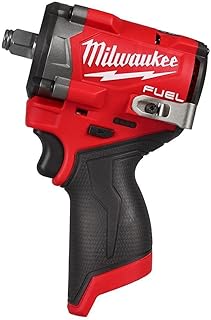


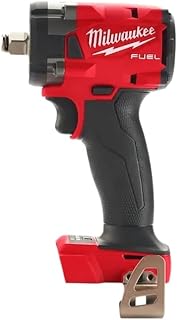


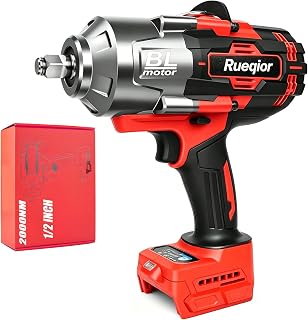


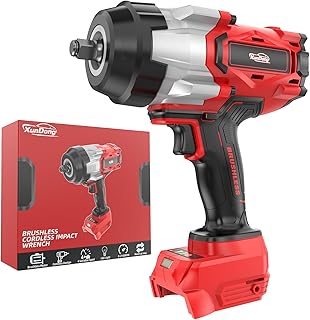


Choosing among Milwaukee cordless impact wrenches is less about finding the highest torque figure and more about matching the tool to the work you actually perform. Automotive repairs, seasonal tire changes, equipment maintenance, construction fastening and heavy-duty mechanical work can place very different demands on an impact wrench.
For Canadian buyers, the decision should also account for battery-platform compatibility, cold-weather use, socket requirements, tool size, fastening control and the availability of compatible batteries and chargers. A compact wrench can be easier to handle in confined areas, while a high-torque model may be more appropriate for stubborn fasteners and demanding applications.
Before choosing from the products featured in this guide, compare the specifications, included accessories, customer feedback and current retailer pricing. Product bundles can differ substantially even when the tool itself appears similar.
One of the most important decisions is choosing between Milwaukee's M12 and M18 cordless systems. The platform affects the physical size of the tool, battery capacity options, available power and compatibility with other cordless equipment.
M12 models are designed around Milwaukee's compact 12-volt battery platform. Their smaller form can be valuable when access is restricted, particularly around crowded engine compartments, suspension components and other areas where a full-size impact wrench may be awkward.
M18 models use Milwaukee's 18-volt battery platform and generally target users who need greater performance for demanding fastening tasks. Depending on the specific model, the M18 range includes compact, mid-torque and high-torque configurations.
Neither platform is automatically better for every buyer. A homeowner performing occasional wheel changes may value compactness and convenience, whereas a professional mechanic may prioritize sustained performance and fastening control.
Torque is one of the most visible specifications on an impact wrench, but it should not be treated as the only measure of performance. Manufacturers may publish different torque measurements, including fastening torque, nut-busting torque or maximum torque. These figures describe different aspects of tool capability.
Maximum torque indicates the upper level of rotational force a particular model can deliver under specified conditions. It can help when comparing tools within the same product family, but laboratory or manufacturer conditions may not represent every real-world fastening situation.
Breakaway or nut-busting torque is particularly relevant when removing corroded or tightly fastened hardware. It should not be confused with the torque required to tighten a fastener correctly.
Excessive output can be counterproductive when working with smaller fasteners. An extremely powerful impact wrench can damage fasteners, threads or components if used without appropriate control.
For critical applications, use the impact wrench primarily for installation or removal and finish tightening with a properly calibrated torque wrench when the manufacturer's specified torque is important.
The square-drive size determines which impact sockets can be used with the tool. Common sizes include 1/4-inch, 3/8-inch, 1/2-inch and 3/4-inch drives, although the most appropriate size depends on the application.
A 3/8-inch impact wrench is useful for smaller automotive and mechanical fasteners. It can offer a practical balance between accessibility and output for users who frequently work on lighter-duty applications.
The 1/2-inch drive is a particularly versatile choice for automotive work. It is commonly associated with wheel-related tasks, suspension work and general mechanical fastening. For many buyers, a 1/2-inch model represents the most useful all-purpose format.
A 3/4-inch impact wrench is intended for substantially heavier fastening applications. It can be appropriate for large machinery, commercial equipment and other demanding work where smaller drive sizes are insufficient.
Milwaukee's impact wrench lineup can be divided broadly by size and intended workload. Selecting the appropriate class is usually more useful than simply choosing the model with the largest specification.
A compact wrench is attractive when access and maneuverability are priorities. Its shorter head length can make a meaningful difference when working around suspension assemblies, engine components or other restricted areas.
Compact models are also worth considering for occasional home maintenance because they can be easier to store and handle than large high-output tools.
Mid-torque models provide a useful middle ground. They can offer considerably more capability than compact tools while remaining easier to manage than the largest high-torque designs.
For many automotive enthusiasts, service technicians and serious DIY users, the mid-torque category can provide a versatile combination of power, size and control.
High-torque models are designed for demanding fastening and removal tasks. They can be useful for heavy equipment, large fasteners and stubborn hardware where a compact impact wrench may not provide enough output.
The trade-off is generally greater tool size and weight. Before buying, consider whether you genuinely need that additional capability or whether a smaller model would be easier to use for most of your work.
Many modern Milwaukee cordless power tools use brushless motor technology. Brushless motors eliminate the physical brushes used in traditional brushed motor designs, allowing electronic control of motor operation.
For buyers, brushless construction can be an important specification when comparing otherwise similar cordless tools. It can contribute to efficient operation and is commonly associated with premium cordless tool platforms.
However, the presence of a brushless motor should not replace consideration of torque, speed settings, battery compatibility, ergonomics and intended application.
An impact wrench with multiple operating modes can be more useful than one that simply delivers maximum power at all times. Controlled output is especially important when working with different fastener sizes and materials.
Check the exact control system of each Milwaukee model before purchasing because operating modes and functionality vary between product generations and tool configurations.
A cordless impact wrench is only as useful as the battery system supporting it. When comparing Milwaukee models, determine whether the listing includes a battery and charger or whether it is a bare tool.
A bare-tool purchase can make sense when you already own compatible batteries. Buyers entering the Milwaukee ecosystem for the first time should calculate the total cost of the tool, suitable battery capacity and charger rather than comparing bare-tool prices alone.
Battery capacity affects runtime, but the largest available battery is not necessarily the best choice for every task. Larger packs can add weight and may make a compact impact wrench less convenient.
For occasional work, a smaller compatible battery may provide adequate portability. For extended professional use, additional or higher-capacity batteries may be more practical.
Always confirm the exact Milwaukee battery platform before purchasing. M12 and M18 batteries are different systems and should not be assumed to be interchangeable simply because they belong to the same brand.
Canadian users may operate cordless tools in conditions that differ significantly from a typical indoor workshop. Low temperatures can affect battery performance, charging behavior and general tool handling.
For winter work, avoid assuming that a battery will deliver identical runtime and output at very low temperatures. Store batteries appropriately and follow Milwaukee's instructions regarding charging and temperature limits.
If the impact wrench will primarily be used in an unheated garage, truck or outdoor work area, battery storage and charging practices deserve particular attention.
Specifications do not tell the entire story. An impact wrench can have excellent performance yet still be inconvenient if it is too bulky for the work being performed.
Consider the complete working setup rather than the bare tool. A larger battery increases total weight, and a longer tool can make access difficult in restricted areas.
Automotive users should first identify the type of work they perform most often. Tire changes, wheel removal, suspension repairs, engine work and heavy mechanical repairs do not necessarily require the same tool.
A suitable 1/2-inch impact wrench can be a practical choice for many automotive applications. However, the impact wrench should not be used as a substitute for final torque verification when wheel fasteners require a specified tightening torque.
Suspension components can involve stubborn fasteners and limited access. A compact or mid-torque design may provide a better balance than a large high-torque wrench when space is restricted.
Heavy-duty automotive or equipment maintenance may justify a high-torque M18 model. Buyers should evaluate the size of the fasteners, frequency of use and required removal capability before selecting this category.
Do not pair an impact wrench with ordinary chrome hand-tool sockets unless they are specifically rated for impact use. Impact sockets are designed for the forces and shock loads associated with powered impact tools.
When building a complete setup, confirm socket drive size and fastener sizes. A high-quality impact wrench cannot compensate for an incorrectly sized socket.
Milwaukee has several tool families and technologies that can appear in cordless impact wrench listings. Understanding the terminology can make product comparisons easier.
Milwaukee FUEL products represent a higher-performance segment of the company's cordless tool lineup. Depending on the specific model, FUEL impact wrenches can combine brushless motor technology, electronic controls and advanced tool management features.
Some Milwaukee tools incorporate ONE-KEY functionality. When comparing a model with connected-tool features against a conventional model, decide whether digital customization and tracking capabilities are genuinely useful for your workflow.
Product generations can have different specifications even when their names appear similar. Always compare the exact model number rather than relying solely on a product title or retailer category.
Maximum power can sound appealing, but a large high-torque wrench may be unnecessary for routine tasks. More power can also mean additional weight and reduced maneuverability.
Two listings can appear to represent the same impact wrench while containing different combinations of batteries, chargers, cases or accessories. Compare the complete package before evaluating value.
Confirm the drive size before ordering sockets or accessories. A 3/8-inch tool cannot directly accept a 1/2-inch socket without an appropriate adapter, and adapters can introduce additional considerations.
A low bare-tool price may not represent the final investment if you need to purchase batteries and a charger separately.
Impact wrenches are excellent for quickly removing and installing fasteners, but critical fasteners should be tightened according to the vehicle, equipment or component manufacturer's torque specifications.
When evaluating deals in Canada, compare more than the headline price. A meaningful comparison should include the exact model, battery platform, included accessories and intended use.
Customer reviews can provide useful information, but they should be evaluated critically. Look for comments from people performing the same type of work rather than relying on an overall star rating alone.
Pay attention to recurring observations about battery life, tool balance, accessibility, controls, durability and compatibility. A review from someone using an impact wrench for occasional household repairs may not be directly relevant to a professional mechanic using the tool throughout the working day.
Also check whether reviews refer to the exact model being considered. Retailer pages sometimes group multiple variants together, which can make review information less precise.
A compact or mid-torque Milwaukee model may provide a sensible balance for homeowners who perform tire changes, basic vehicle maintenance and general mechanical projects. Avoid paying for professional-level output unless your applications justify it.
Professional users should place greater emphasis on workflow speed, access, battery availability, durability considerations, control options and compatibility with existing Milwaukee tools.
Users working with larger structural or mechanical fasteners should focus on drive size, torque capability, battery capacity and tool durability. The appropriate model depends heavily on the fastener sizes and materials encountered in daily work.
Milwaukee is not the only manufacturer worth considering. Buyers may also compare products from DeWalt, Makita, Bosch, Ryobi and other established power-tool manufacturers.
The most useful comparison is usually ecosystem-based. If you already own several cordless tools, staying within the same battery platform can reduce the need for additional chargers and battery types.
Brand comparisons should focus on the specific model rather than assuming that one manufacturer is universally superior.
Basic maintenance can help keep a cordless impact wrench ready for use. Follow the manufacturer's instructions for detailed maintenance and servicing requirements.
Impact wrenches can generate substantial force. Appropriate eye protection, suitable work clothing and safe handling practices are important when using powered fastening equipment.
Use the correct socket size and make sure it is properly seated on the fastener. Keep hands away from moving components and disconnect the battery when performing inspection or maintenance that requires the tool to be inactive.
For vehicle work, never rely on the impact wrench alone to secure a vehicle. Use appropriate lifting and support equipment and follow the vehicle manufacturer's service procedures.
The best model depends on the application. Compact models prioritize accessibility, mid-torque models balance power and size, and high-torque models are intended for more demanding fastening work.
Neither platform is universally better. M12 is attractive when compact size matters, while M18 provides a broader range of higher-output options. Your existing battery ecosystem should also influence the decision.
Yes, a 1/2-inch drive is a versatile format for many automotive applications. The appropriate torque level still depends on the specific work being performed.
Yes, use sockets specifically designed and rated for impact-tool applications. Match the socket drive size to the impact wrench.
No. An impact wrench is designed for powered removal and fastening, while a calibrated torque wrench is used when a specific final tightening torque must be achieved and verified.
If you already own compatible Milwaukee batteries and a charger, a bare tool can be convenient. If you do not have the required battery platform, compare the total cost of a complete kit against buying components separately.
No. Tool size, weight, control, drive size, accessibility and battery compatibility can be equally important. Select enough power for your applications rather than automatically choosing the highest rating.
They can be used for appropriate applications, but cold temperatures can affect battery behavior. Follow the manufacturer's storage, operating and charging guidance for the specific battery and tool.
Before choosing one of the Milwaukee cordless impact wrench deals featured in this guide, use the following checklist:
The strongest buying decision is not necessarily the product with the biggest torque number or the most expensive specification sheet. It is the model that provides sufficient performance while remaining comfortable, compatible and practical for the work you actually perform.
For Canadian buyers, start with the battery platform, then determine the required drive size and torque category. From there, compare dimensions, weight, operating modes, included accessories and verified customer feedback. If you already use Milwaukee cordless tools, platform compatibility can be a major advantage. If you are starting from scratch, compare the complete kit cost rather than the bare-tool price alone.
Because deals, bundles, stock and retailer pricing can change during 2026, verify the exact specifications and current offer details before purchasing. A careful comparison can help you avoid paying for unnecessary power while ensuring the impact wrench you choose is capable of handling your intended work.