

♥ Wishlist
Compare 10 Milwaukee Cordless Circular Saw products in Canada. Reviews, ratings, pros, cons and buying advice updated for October 2026.
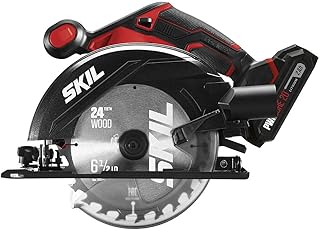


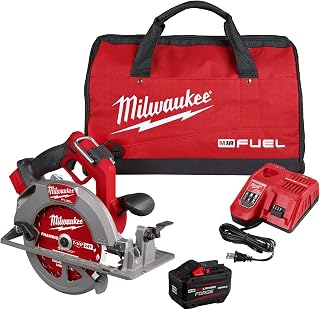


Choosing a Milwaukee cordless circular saw involves more than comparing blade size or advertised power. The right model depends on the type of material you cut, the depth and angle of each cut, how often you work away from a power outlet, and which Milwaukee battery platform you already own. For Canadian buyers, it is also worth considering cold-weather working conditions, battery storage, replacement blades, kit contents and compatibility with other cordless tools.
A compact cordless circular saw can be convenient for renovation work, framing adjustments, sheet goods and general woodworking. A larger, higher-output model may be better suited to demanding construction tasks where repeated cuts through thicker lumber are common.
One of the most important considerations is the battery platform. Milwaukee offers cordless circular saws within its M18 ecosystem, but buyers should not assume that every battery, charger or kit configuration is identical.
If you already own Milwaukee M18 tools, purchasing a saw that uses the same platform can reduce the need to maintain a separate battery system. However, battery size and output can affect the practical experience. A compact battery may reduce overall weight, while a higher-capacity battery can provide more operating time between charges.
Many cordless power tools are offered in tool-only configurations as well as kits containing a battery and charger. The better choice depends on what you already have.
Before comparing prices, check exactly what is included. A lower advertised price may represent the bare tool rather than a complete kit.
Blade diameter is an important specification because it influences the maximum cutting depth available from the saw. However, blade size should not be considered in isolation. Maximum cutting capacity can vary according to the saw design, blade position and cutting angle.
If your typical projects involve dimensional lumber, determine the thickness of the material before choosing a model. A saw should provide enough capacity for the cuts you routinely make without forcing you to change tools unnecessarily.
Bevel cuts generally provide less cutting depth than straight 90-degree cuts. Therefore, if angled cuts are a major part of your work, examine the manufacturer's stated capacities at the angles you actually intend to use.
Bevel capability is particularly useful for framing, roofing, cabinetry, furniture projects and other applications where the blade needs to travel through material at an angle.
A good cordless circular saw should make it reasonably straightforward to set and verify the desired bevel angle. Buyers should examine the adjustment mechanism, locking arrangement and angle markings rather than looking only at the maximum advertised angle.
Brushless motors are a major feature across modern cordless power tools. Milwaukee's cordless range includes brushless technologies in several product families, but the exact motor design and performance characteristics differ between models.
For a circular saw, brushless technology can be attractive because cordless cutting places significant demands on the motor and battery. Buyers should still evaluate the complete tool rather than assuming that a brushless label automatically makes one saw superior to every alternative.
Motor technology should be considered alongside blade speed, electronic controls, battery compatibility, cutting capacity, ergonomics and the intended workload.
Published specifications can help establish a baseline, but practical cutting performance depends on the material, blade condition, feed rate, battery condition and cutting technique.
A saw intended for repeated construction cuts needs to maintain useful power while the blade is loaded. For occasional DIY work, maximum output may be less important than weight, control and convenience.
No-load blade speed is useful for comparison, but it does not tell the complete story. A high no-load RPM figure does not automatically mean that a saw will cut every material faster under load.
For a meaningful comparison, consider several specifications together:
A cordless circular saw is often used while standing, reaching across material or working from different positions. Ergonomics can therefore influence accuracy and fatigue just as much as raw power.
Pay attention to the shape and position of the main handle, auxiliary handle, trigger arrangement and battery location. The balance of the saw can change when a larger battery is installed.
A well-balanced tool can feel easier to control during long cutting sessions. Excessive front or rear weight can make the saw more tiring to guide, particularly when making repeated cuts.
When comparing Milwaukee models, consider the complete working configuration rather than the bare-tool weight alone.
Accurate cutting depends on being able to see where the blade is travelling. A well-designed base plate, suitable sight openings and a clear line-of-cut reference can make setup easier.
Dust can quickly obstruct visibility during woodworking. Buyers should therefore consider how the saw manages debris and whether the cutting area remains easy to monitor during use.
Circular saws should always be treated as high-powered cutting equipment. Features designed to improve control and reduce accidental activation can be valuable, but they do not replace safe operating practices.
Always follow the manufacturer's operating instructions and use appropriate eye and hearing protection. Keep hands away from the blade path and make sure the material is properly supported before cutting.
The saw itself is only part of the cutting system. Blade selection can significantly affect cut quality, speed and the suitability of the tool for a particular material.
For lumber and sheet goods, choose a blade designed for the material and finish you require. A blade intended for fast rough cuts is not necessarily the best choice for clean finish work.
Tooth count influences the balance between cutting speed and finish. Lower-tooth-count blades are commonly associated with faster rough cutting, while higher-tooth-count designs can be preferable where a cleaner cut is important.
Always confirm the blade diameter, arbor specification and maximum compatible blade speed before installing a replacement.
Milwaukee is not the only established cordless power-tool manufacturer worth considering. Depending on your existing tools, budget and preferred ecosystem, alternatives from DeWalt, Makita, Bosch and Ryobi may also be relevant.
The best brand is not necessarily the one with the highest specification. If you already own several compatible batteries and chargers, staying within that ecosystem can offer greater practical value.
The cheapest circular saw is not necessarily the best value. A lower-cost option can become less attractive if it requires a new battery system, lacks the required cutting capacity or does not suit the workload.
For tool-only products, remember to account for the cost of a compatible battery and charger if you do not already own them.
Battery weight changes the tool's balance and total working weight. Compare the complete setup you expect to use.
Confirm the required blade diameter and arbor configuration before purchasing replacement blades.
A heavy-duty saw can be useful for demanding construction work, but a lighter model may be easier to control for occasional renovation and woodworking tasks.
Outdoor projects in Canada can involve cold temperatures, snow, moisture and significant seasonal changes. Batteries and cordless equipment should be stored and operated according to the manufacturer's guidance, particularly when working in very cold conditions.
Instead of comparing models by one headline specification, create a shortlist based on your actual requirements.
Cordless models can be especially convenient when working in locations without easy access to electrical outlets. They eliminate the need to manage a power cord across the cutting area and can be useful for outdoor construction, framing and renovation projects.
The trade-off is the need to manage batteries. For intensive work, having more than one compatible battery can help maintain productivity while another battery is charging.
A cordless circular saw is not automatically the best option for every workshop. If the tool will remain in one location with reliable access to mains power, a corded model can eliminate battery management entirely.
For buyers who already have a large collection of cordless tools, however, the convenience of sharing a battery platform may outweigh that consideration.
Proper maintenance helps keep a circular saw ready for use. Follow the manufacturer's maintenance instructions for the specific model, and inspect the tool before demanding work.
Temperature can matter when storing and using lithium-ion batteries. Avoid leaving batteries exposed to extreme temperatures, moisture or unsuitable storage conditions. Follow Milwaukee's recommendations for charging, storage and operating temperatures rather than relying on generic assumptions.
For seasonal users, inspect batteries before putting them back into service after extended storage. If a battery appears damaged, swollen or otherwise abnormal, discontinue use and follow the manufacturer's safety guidance.
A genuine good deal should be judged by total value rather than the headline discount. Compare the current price, included accessories, battery configuration, model generation and specifications.
Before purchasing, compare the same model number across reputable Canadian retailers where possible. Check whether a listing is for the bare tool or a complete kit, and verify the exact model number because similar product names can refer to different configurations.
Customer reviews can also help identify recurring concerns involving ergonomics, battery life, setup or long-term usability. Reviews should be evaluated alongside manufacturer specifications rather than treated as a substitute for them.
The best model depends on the user's workload, required cutting depth, battery platform, preferred blade size, weight tolerance and budget. A compact model can be preferable for lighter work, while a higher-capacity model may be more appropriate for demanding construction applications.
Milwaukee offers cordless circular saws designed for demanding construction applications. For framing, focus on cutting capacity, power delivery, battery performance, ergonomics and the blade appropriate for the lumber being cut.
Compatibility depends on the exact saw and battery platform. Check the manufacturer's specifications for the specific model before purchasing or connecting a battery.
A tool-only configuration can make sense if you already own compatible batteries and a charger. If you do not, compare the total cost of the saw, battery and charger against a complete kit.
Use a blade that matches the saw's required diameter, arbor configuration and operating specifications. Select the tooth design according to the material and the desired finish.
Battery capacity and battery output are not the same specification. A larger-capacity battery can provide greater runtime, while the tool's electronics and battery design determine how power is delivered. Always use batteries approved for the specific tool.
Yes, a suitable cordless circular saw and appropriate plywood blade can be used for many panel-cutting applications. Blade selection and cutting technique are important when a clean edge is required.
Check the exact model number, blade size, cutting capacity, bevel range, battery platform, weight, kit contents and current retailer information. Also consider whether replacement blades and compatible batteries fit your existing setup.
There is no universal replacement interval. Blade life depends on material, frequency of use, blade quality, cutting technique and damage. Replace a blade when it becomes unsuitable, damaged or no longer produces the required cutting performance.
Milwaukee has cordless tools intended for professional construction and trade applications. The appropriate model depends on the workload and specifications required for the job.
Before choosing among the best Milwaukee cordless circular saw options available to Canadian buyers, review the following checklist:
The strongest buying decision is the one that matches the saw to the work rather than simply choosing the model with the longest feature list. For Canadian buyers, battery compatibility, cutting capacity, ergonomics, blade selection and total ownership cost are particularly useful comparison points. Review the exact specifications of each shortlisted Milwaukee cordless circular saw, compare current Canadian offers and select the configuration that fits your projects, tools and working conditions.