

♥ Wishlist
Compare 58 Men's Suits & Sport Coats products in Canada. Reviews, ratings, pros, cons and buying advice updated for October 2026.


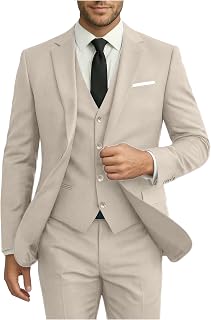


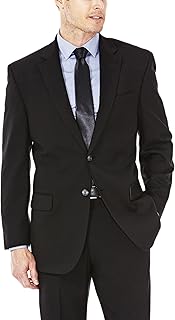


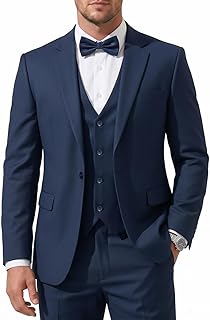


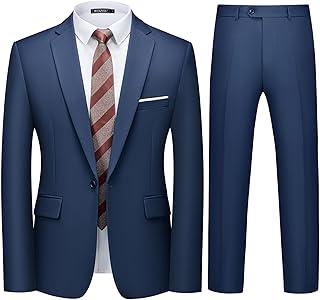


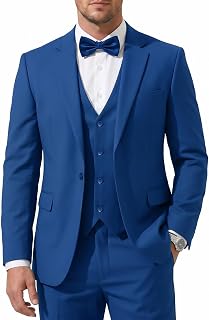
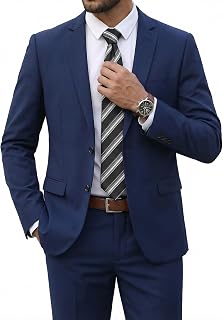


Finding the right men's suit or sport coat in Canada involves more than choosing a colour and checking the listed size. Fabric weight, construction, fit, climate, intended use, versatility, care requirements and value all affect whether a jacket becomes a dependable part of a wardrobe or an occasional purchase that rarely gets worn.
This guide expands the buying considerations behind men's suits and sport coats for Canadian shoppers in 2026. It is designed for comparing specifications, assessing fit and construction, understanding fabric choices, and narrowing down options before checking current retailer pricing, customer feedback and availability.
A suit is normally designed as a coordinated outfit consisting of a matching jacket and trousers made from the same fabric. A sport coat, also called a sports jacket or odd jacket, is intended to be worn separately from its trousers and can therefore work with chinos, dress trousers, dark denim or other complementary clothing.
If versatility is your priority, a well-fitting sport coat can complement more outfits than a traditional suit jacket. If you regularly attend formal occasions, however, a properly coordinated suit remains the more appropriate foundation.
Canada has significant seasonal variation, so the ideal suit depends partly on where and when you intend to wear it. A lightweight suit may be comfortable indoors during winter but less suitable for outdoor exposure. Conversely, a heavy wool suit can be excellent for colder months but unnecessarily warm during summer events.
Remember that a suit itself is only one layer. Someone commuting through Toronto, Montreal, Calgary or Vancouver may have very different practical requirements from someone wearing a suit primarily inside a heated office or event venue.
Fabric influences comfort, appearance, durability, drape and seasonal suitability. The most expensive-looking material is not necessarily the best choice for every wardrobe.
Wool remains one of the most useful suit fabrics because it can provide a polished drape, breathability and adaptability across different seasons depending on its weight and construction. Merino wool and other wool varieties can be used in different tailoring styles, while finer fabrics may provide a smoother formal appearance.
When comparing wool suits, look beyond a simple fibre label. Fabric weight, weave, finish and construction can make two wool garments feel very different.
Wool blended with synthetic fibres can provide a balance between appearance, durability and potentially easier maintenance. Blends are often worth considering for frequent commuters or shoppers who want a practical suit without requiring the same level of fabric care associated with some premium garments.
Polyester-based fabrics are commonly used in affordable tailoring. They can be practical and resistant to certain forms of wear and wrinkling, but breathability and hand feel vary considerably between garments. A low price should not automatically make a suit a poor choice, but shoppers should pay close attention to lining, construction, fit and fabric weight.
Linen is particularly useful for warm-weather tailoring. It is breathable and has a distinctive relaxed texture. Its tendency to crease is part of its natural character, so linen is generally better for relaxed summer styling than for situations requiring a perfectly pressed appearance throughout the day.
Cotton sport coats can provide a less formal appearance than traditional wool tailoring. They are useful for smart-casual wardrobes and transitional weather, particularly when paired with chinos or other casual trousers.
Construction is one of the most important areas to understand when comparing men's suits because it affects comfort, shape and long-term wear.
Fused jackets use an adhesive layer to connect the outer fabric with internal structural materials. This construction is commonly found in accessible price ranges and can produce a clean appearance. The quality of the finished garment still depends on the materials and manufacturing.
Half-canvas construction places a layer of canvas through the upper portion of the jacket, generally around the chest and lapel area, while the lower section uses a different construction method. This can provide more natural shaping around the upper body while balancing construction complexity and cost.
Full-canvas tailoring uses canvas through much of the jacket front. The structure can develop a natural relationship with the wearer's body over time. Full-canvas suits are often positioned toward the premium end of the market, but construction should still be evaluated alongside fabric, workmanship and fit.
An unstructured sport coat uses less internal padding and reinforcement. The result is generally softer and more relaxed than traditional structured tailoring. This can be particularly useful for travel, casual offices and warm-weather styling.
A moderately priced suit that fits well can look considerably better than an expensive suit in the wrong size. Fit should therefore be evaluated before colour, branding or decorative details.
The jacket shoulder should generally align closely with your natural shoulder. Excess material extending beyond the shoulder can make a jacket look oversized, while a shoulder that is too narrow can create pulling and discomfort.
The jacket should close comfortably without excessive strain across the chest. If the front pulls into an obvious X-shaped pattern when buttoned, the garment may be too small or have a cut that does not suit your proportions.
A traditional tailored jacket should provide sufficient coverage without appearing excessively long. Modern cuts vary, so proportion matters more than following one universal measurement.
The sleeve should allow a modest amount of shirt cuff to show when your arms are relaxed. Exact preferences vary by tailoring style, but dramatically short or excessively long sleeves can make an otherwise good jacket look poorly fitted.
Suit trousers should sit securely at the waist without excessive pressure. The seat should lie smoothly, and the trouser leg should provide a clean line without excessive bunching around the ankle.
Canadian shoppers may encounter US, UK and European sizing conventions depending on the retailer and manufacturer. Never assume that the same numerical size will fit identically across different brands.
If you are between sizes, examine the garment's cut and alteration possibilities rather than automatically choosing the larger or smaller option.
Slim-fit suits typically have a narrower silhouette through the chest, waist and trousers. They can create a contemporary appearance but should not restrict normal movement. A slim label should never be interpreted as a reason to buy a jacket that pulls across the chest or shoulders.
Regular-fit tailoring generally provides more room through the torso and sleeves. It can be a practical choice for business wardrobes, long working days and shoppers who prioritise comfort.
Modern and tailored fit labels vary between manufacturers. They generally indicate a shaped silhouette without necessarily being as narrow as an aggressively slim cut. Always compare actual garment measurements where available.
Relaxed tailoring provides additional room and often works well for casual sport coats or shoppers who prefer less restrictive clothing.
Single-breasted jackets remain the most versatile choice for many wardrobes. They can transition between professional and social occasions with relatively little effort.
Double-breasted jackets create a more distinctive silhouette and can make a strong statement at formal or fashion-oriented events. They are less universally versatile, so they may not be the first choice for someone building a compact wardrobe.
A two-button configuration is a practical choice for contemporary business and formal wardrobes. Three-button jackets create a different visual proportion and may appeal to shoppers who prefer a more traditional appearance.
The number of buttons should not be considered independently. Lapel width, jacket length, button stance and body proportions work together to determine the overall silhouette.
Notch lapels are common on business suits and versatile sport coats. Their adaptable appearance makes them suitable for many professional and semi-formal situations.
Peak lapels have pointed edges that extend upward toward the shoulders. They can produce a sharper and more formal appearance and are frequently associated with dressier tailoring.
Shawl lapels have a continuous rounded shape and are especially associated with eveningwear and formal dinner jackets.
Choosing a colour should depend on how frequently you expect to wear the garment and what is already in your wardrobe.
If you want one jacket that works across multiple situations, start with a restrained colour and moderate pattern. A navy, charcoal, grey or understated brown sport coat can often be combined with several trouser styles.
Consider the clothing you already own. A sport coat is not versatile simply because the product description calls it versatile. It needs to work with your existing shirts, trousers, shoes and accessories.
Although suit jackets and sport coats may look similar, they are designed with different styling assumptions. A suit jacket is normally intended to be worn with matching trousers. Separating it from those trousers can sometimes create an appearance that looks incomplete because of its fabric, sheen or formal construction.
Sport coats are deliberately designed as standalone pieces. Their textures, patterns and construction generally make them easier to combine with contrasting trousers.
A business suit should prioritise professional appearance, comfortable movement and repeatability. Neutral colours and restrained patterns are generally easier to incorporate into a working wardrobe.
Wedding attire depends heavily on the dress code. A formal evening event may call for darker and more structured tailoring, while a summer daytime wedding may be better suited to lighter colours and breathable materials.
Before choosing a suit, determine whether the invitation specifies black tie, formal, cocktail, business formal, semi-formal or another dress code. The right suit is the one that fits the occasion rather than simply following current fashion.
Frequent travellers should consider wrinkle resistance, fabric weight, comfort, pocket configuration and ease of care. A jacket that looks excellent on a hanger may be inconvenient if it becomes heavily creased during every trip.
Pockets are both functional and visual elements. Flap pockets, welt pockets and patch pockets contribute differently to a jacket's character.
Patch pockets generally produce a more casual appearance and are common on sport coats. Welt pockets can look cleaner and more formal. Flap pockets sit between practical and formal styling and are frequently seen on business tailoring.
Do not overload suit pockets. Excessive contents can distort the jacket and interfere with the clean lines of tailored clothing.
Lining affects how a jacket moves over a shirt and can also influence comfort. Fully lined jackets can provide structure and a smooth interior, while partially lined or unlined constructions can feel lighter and more breathable.
For Canadian summer wear, consider lightweight construction and breathable fabrics. For winter, lining is only one factor because an appropriate coat and layering system usually provide more meaningful protection against outdoor cold.
A small amount of stretch can make trousers and jackets more comfortable during commuting, sitting and movement. Stretch is particularly useful in garments intended for long working days.
However, stretch content should not replace attention to the underlying fabric and construction. A poorly fitting garment does not become well-fitting simply because it contains stretch material.
Trousers often receive less attention than jackets, but they strongly influence the final appearance of a suit.
The trouser break describes how the fabric meets the shoe. A full break creates more fabric at the ankle, while a shorter break creates a cleaner, more contemporary line. No single break is universally correct; it should complement the trousers, shoes and overall styling.
Climate should be part of the purchase decision rather than an afterthought. Someone looking for a suit for winter business meetings has different requirements from someone attending a summer wedding in a warmer region.
For colder conditions, heavier wool and layered clothing can provide greater comfort. For warm conditions, lightweight wool, linen, cotton and breathable blends may be preferable. Transitional seasons call for versatile medium-weight fabrics.
The suit is only part of the final appearance. Shirt, tie, shoes, belt, pocket square and outerwear can change how formal or relaxed the outfit looks.
The goal is contrast without visual conflict. A textured navy sport coat can work with grey trousers, chinos or carefully selected dark denim. A patterned sport coat usually benefits from simpler trousers.
Avoid combinations where the jacket and trousers are almost, but not exactly, the same colour and texture. This can look like an attempt at a suit without the benefit of coordinated tailoring.
The lowest price does not necessarily represent the best value. Consider fabric, construction, fit, alteration potential, versatility and expected frequency of use.
Brand sizing varies. Always check the measurements supplied for the particular garment instead of assuming your normal size will fit.
An unusual pattern can look impressive but may limit the number of outfits you can create. If this is your first or only sport coat, versatility should generally take priority.
Some fit issues can be corrected by tailoring, while others cannot. Sleeve length, trouser length and certain waist adjustments may be relatively straightforward, whereas major shoulder or chest problems can be much more difficult to correct.
A heavy jacket purchased for summer events may spend most of the year unused. Similarly, a very lightweight garment may not provide the comfort or appearance desired for winter.
For a complete suit, evaluate both pieces. A jacket that fits well does not compensate for trousers that are uncomfortable or poorly proportioned.
When comparing men's suit deals, calculate value from the complete garment rather than the advertised discount alone. A discounted suit is only a strong buy if its fabric, construction, fit, styling and intended use justify the purchase.
Customer reviews can provide useful information, but they should be interpreted carefully. A large number of reviews does not automatically prove that a garment is the right choice for you.
Look for repeated comments about sizing, fabric feel, colour accuracy, stitching, comfort, packaging and durability. Give greater weight to detailed reviews that explain the buyer's body measurements, intended use and experience with the specific garment.
Be cautious about judging quality from a single review. Recurring patterns across multiple independent customer comments are generally more useful for identifying potential strengths or weaknesses.
Brand selection can help narrow a large marketplace, but the best choice still depends on the particular garment. Depending on the category, Canadian shoppers may encounter brands such as Calvin Klein, Tommy Hilfiger, Ralph Lauren, Kenneth Cole, Hugo Boss, Perry Ellis, Van Heusen, J.M. Haggar and Dockers.
Brand reputation should not replace product-level comparison. Check the exact fabric composition, fit, construction, measurements and current customer feedback for the specific suit or sport coat you are considering.
Entry-level suits can make sense for occasional wear, first professional wardrobes and shoppers who need formal clothing without investing heavily. At this level, focus particularly on fit, fabric comfort and whether alterations are practical.
Mid-range tailoring can offer a stronger balance of materials, construction and styling. This category is often worth considering for people who expect regular use and want more versatility from a smaller wardrobe.
Premium suits may use finer fabrics and more sophisticated construction, but a higher price does not guarantee a better fit for every individual. If the garment requires extensive alterations or does not suit your lifestyle, the additional expenditure may provide limited practical benefit.
Instead of considering only the initial purchase price, think about expected usage. A versatile suit worn frequently for work, interviews, weddings and formal dinners may provide more practical value than a cheaper statement suit worn once.
For example, a shopper who needs formal clothing several times each month should prioritise durable construction, versatile colour and comfortable fit. Someone attending one formal event may reasonably place more emphasis on occasion-specific styling and budget.
There is no universal number. A compact wardrobe might begin with one versatile dark suit, while a professional who wears tailoring frequently may benefit from several colours, fabrics and seasonal weights.
If you already own a well-fitting navy or charcoal suit, the next useful addition may be a sport coat rather than another similar formal suit. A sport coat can expand your wardrobe into smart-casual situations that do not require matching trousers.
Consider a sport coat when your lifestyle includes dinners, networking events, business-casual meetings, weekend occasions and social gatherings where a complete suit would feel too formal.
Proper care can help tailored garments maintain their shape and appearance. Suit maintenance is generally about reducing unnecessary cleaning, controlling moisture and wrinkles, and giving the fabric adequate time to recover between wears.
A broad, supportive suit hanger can help preserve the jacket's shoulder shape. Avoid leaving tailored jackets crumpled over chairs or tightly compressed in wardrobes for extended periods.
After wearing a suit, allow it to air before placing it back into storage. This gives moisture and odours a chance to dissipate naturally.
Cleaning requirements depend on the fabric, use and manufacturer's care instructions. Unnecessary cleaning can place additional stress on garments, so follow the specific care label.
Use the method recommended for the garment. Excessive heat can damage some fabrics or finishes, so never assume that every suit should be treated like ordinary cotton clothing.
Store suits in a cool, dry environment with sufficient space between garments. A breathable garment bag can help protect against dust while reducing the risk of trapping moisture. Before long-term storage, make sure the garment is clean and completely dry.
Travel can expose tailoring to wrinkles, compression and moisture. Use an appropriate garment bag or packing method and avoid filling luggage so tightly that the jacket remains heavily compressed.
When you arrive, hang the suit promptly. Allowing the garment to rest can help reduce minor travel creases. For significant wrinkles, follow the manufacturer's recommended pressing or steaming method.
Online shopping makes comparison easier, but tailoring requires more attention to measurements than many casual clothing categories.
When reviewing a shortlist of ten men's suits or sport coats, use the same criteria for every product. Consistent comparison makes it easier to distinguish genuine value from attractive presentation or temporary pricing.
For shoppers building a versatile wardrobe, a well-fitting navy or charcoal suit is a practical starting point. A sport coat in a complementary neutral shade can then expand the wardrobe into less formal situations.
For frequent business wear, prioritise comfortable construction, durable fabric and a colour that can be rotated with several shirts and accessories. For weddings and social events, consider the dress code first. For summer use, pay close attention to breathability and fabric weight. For colder seasons, consider heavier materials and plan the complete outfit around appropriate outerwear.
The strongest deal is not necessarily the garment with the largest advertised reduction. Look for the combination of appropriate fabric, reliable fit, useful styling, suitable construction and a price that makes sense for the amount of use you expect.
Before buying, compare the same product across trusted retailers, check the latest price, review the available sizes and read current customer feedback. If a particular suit has an attractive price but limited sizing or a cut that does not suit your measurements, it may provide less value than a slightly more expensive alternative that fits correctly.
A versatile suit in navy, charcoal or grey with a comfortable, professional fit is usually a practical starting point. The best choice depends on workplace dress requirements, climate, fabric preference and how frequently the suit will be worn.
The best sport coat is one that fits correctly, complements your existing wardrobe and matches your typical occasions. A versatile neutral colour with moderate texture or pattern can provide more outfit combinations than a highly distinctive design.
Yes. Wool is available in a wide range of weights and constructions, making it suitable for many Canadian seasons. Choose fabric weight according to the temperatures and indoor environments where the suit will be worn.
They can be practical for shoppers who prioritise affordability, easy maintenance or particular durability characteristics. Compare the specific fabric, construction, fit and comfort rather than judging the garment solely by fibre content.
Navy or charcoal is often a useful first choice because both can work across professional and formal settings. The better option depends on your existing wardrobe and the occasions you attend.
For smart-casual dressing, often yes. A sport coat is designed to be worn with contrasting trousers, while a suit jacket is normally intended to be paired with its matching trousers.
A suit should look shaped rather than restrictive. The jacket should close without excessive pulling, and you should be able to move your arms and upper body comfortably.
The shoulder seam should generally align closely with the natural edge of your shoulder. Major shoulder problems are difficult to correct through tailoring, making this one of the most important areas to check before purchase.
Many suits can be altered to improve sleeve length, trouser length and certain waist or body measurements. Alteration possibilities vary by garment, so major fit problems should not be assumed to be fixable.
Consider an appropriate wool or wool-blend fabric weight, comfortable layering and an outer coat suitable for your local weather. The suit itself should not be expected to provide the same protection as dedicated winter outerwear.
Prioritise breathable fabrics, lighter construction and a fit that permits comfortable movement. Linen, cotton, lightweight wool and suitable blends can all be considered depending on the desired appearance and care requirements.
Compare fabric composition, construction, fit, measurements, seasonality, colour, care requirements, customer feedback and current price. Do not base the decision solely on the claimed discount.
No. Ratings can provide useful context, but tailoring is highly dependent on individual body proportions. Read detailed feedback about sizing, fit, fabric and comfort and compare those observations with the manufacturer's measurements.
The terminology varies between brands and retailers. Both are generally standalone jackets, while sport coats often have more texture or pattern and a relaxed character. Product descriptions should be checked individually rather than relying on the name alone.
The right men's suit or sport coat should solve a specific wardrobe need. Start with the occasions you attend, determine the appropriate level of formality, identify the fabric and seasonal requirements, then compare measurements and construction.
For a first suit, versatility and fit usually deserve priority over bold styling. For an additional sport coat, consider what your current wardrobe lacks. For Canadian seasonal use, choose fabric weight and breathability according to when and where you will wear the garment.
Before purchasing any product featured in a buying shortlist, verify the current size options, specifications, customer feedback, retailer terms and today's price. Product availability and pricing can change during 2026, so the information shown by a retailer at the time of purchase should be treated as the final reference.