

♥ Wishlist
Compare 49 Men's Socks and Hosiery products in Canada. Reviews, ratings, pros, cons and buying advice updated for October 2026.


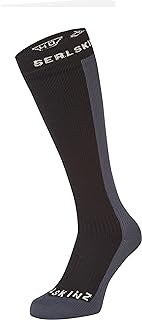

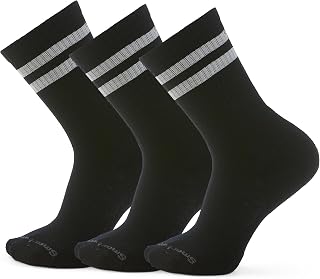


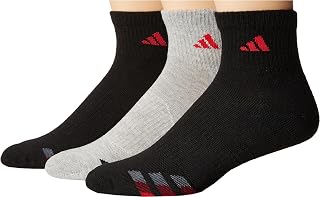




Finding the right men's socks is about more than choosing a colour or buying the largest multipack. The best option depends on where the socks will be worn, the season, footwear, fabric composition, fit, cushioning, moisture management and how frequently they will be washed. Canadian shoppers also need to consider very different conditions, from cold winter commutes and snow-filled outdoor activities to warm summer days and heated indoor spaces.
This buying guide helps compare men's socks and hosiery by practical performance rather than appearance alone. When evaluating any product, check the current specification, size chart, material composition and customer feedback before buying because colours, pack configurations and product details can change.
A smart purchase balances comfort, durability and suitability for the intended use. The cheapest pair is not necessarily the best value, while a premium construction may be unnecessary for occasional everyday wear. Consider the complete product rather than judging it only by its advertised material or pack price.
Fabric choice has a major influence on how a sock feels and performs. Many men's socks combine several fibres so manufacturers can balance softness, stretch, strength and moisture control.
Cotton is popular for everyday men's socks because it feels familiar, soft and comfortable against the skin. Cotton-rich socks can work well for casual use, office wear and general indoor activities. However, cotton can retain moisture, so it may not always be the first choice for intense exercise, very long walks or situations where rapid drying is important.
Merino wool is particularly relevant to Canadian shoppers because it can provide warmth without requiring an extremely bulky construction. It can also help manage moisture and odour during extended wear. Merino socks are available in different weights, making them suitable for everything from everyday use to colder outdoor conditions.
Polyester, nylon and polypropylene are commonly used in performance-oriented socks. Synthetic fibres can provide durability, shape retention and moisture-management properties. Nylon is also frequently included to strengthen high-wear areas, while elastane or spandex provides stretch.
Bamboo-derived viscose and other rayon-based fibres are often selected for their smooth, soft feel. They can be comfortable for everyday wear, although shoppers should examine the complete fibre blend rather than assuming that a single material determines overall performance.
Blends are often a practical choice because they combine different characteristics. For example, a sock may use cotton for comfort, nylon for durability and elastane for stretch. Wool blends can add warmth while reducing the bulk associated with some heavier wool constructions.
Choosing the correct length can make a noticeable difference to comfort and appearance.
Not every sock needs technical features. Everyday socks are generally designed around comfort, versatility and routine use. Performance socks place greater emphasis on moisture control, ventilation, support, cushioning and secure fit.
For office and casual wear, prioritise softness, appropriate thickness and a comfortable cuff. For hiking, running, gym sessions or outdoor work, pay more attention to moisture management, friction control, cushioning and construction around the heel and toe.
Cold weather changes the priorities considerably. A winter sock should complement the footwear rather than simply being as thick as possible. Excessive thickness can make a boot too tight, reduce comfortable circulation and create additional pressure points.
For cold-weather use, consider merino wool or suitable wool blends, thermal constructions and cushioning where appropriate. The correct thickness depends on the boot, activity level and expected outdoor temperature. A moderately warm sock inside a properly fitted insulated boot can be more practical than an extremely thick sock inside footwear that is already tight.
Warm-weather socks generally benefit from lighter constructions and good ventilation. Thick winter socks can trap unnecessary heat when paired with lightweight footwear. Low-cut designs may also be preferable with shorts and casual shoes.
For summer use, compare lightweight cotton blends, breathable synthetic fabrics and designs featuring ventilation zones. If you spend long periods walking or exercising, moisture management can be more important than simply choosing the thinnest available sock.
Work boots place more demands on socks than many casual shoes. Repeated friction, extended wear, perspiration and pressure around the heel and toe can expose weaknesses in construction.
Look for a sock with enough cushioning to work comfortably with the boot's internal fit. Reinforced high-wear areas can be beneficial, while moisture management can improve comfort during long shifts. Avoid choosing an excessively thick sock simply because the boot is designed for outdoor work; the combined fit of the boot and sock matters more than thickness by itself.
Hiking socks should be selected according to terrain, season, footwear and trip duration. A suitable hiking sock can help manage moisture, reduce friction and provide cushioning where the foot experiences repeated impact.
Sports socks need to remain comfortable during repetitive movement. The most important characteristics include secure fit, moisture management, breathability and resistance to friction. Some designs also include targeted cushioning or arch-support features.
Running socks should not be selected solely by their appearance. Check whether the construction is appropriate for your shoes and whether the size range provides a close fit. A sock that slips, folds or creates pressure points can be less comfortable during exercise regardless of how advanced its material specification appears.
Dress socks require a different balance of appearance and function. They should complement trousers and shoes while remaining comfortable during sitting, standing and walking.
Mid-calf or over-the-calf designs can provide better leg coverage than short socks when worn with formal trousers. Neutral shades such as black, navy, charcoal and grey are versatile, while patterned designs can add personality when appropriate for the outfit.
Material is also important. Fine cotton blends, wool blends and other lightweight constructions can provide a smoother profile inside dress shoes. Avoid overly bulky socks with narrow formal footwear.
Cushioning can be concentrated under the heel and forefoot or incorporated more extensively throughout the sock. More cushioning can provide a softer feel and may be useful for boots, hiking and certain work environments. However, thicker cushioning also takes up more space inside the shoe.
A well-designed sock can still be uncomfortable if the size is wrong. Socks that are too large may wrinkle and move inside the shoe, increasing friction. Socks that are too small can stretch excessively and create uncomfortable pressure.
Always compare the manufacturer's size chart with your usual shoe or foot size. Pay attention to whether the sizing is based on Canadian, US, UK or European measurements because sizing systems can differ between manufacturers.
The cuff should keep the sock in position without feeling unnecessarily tight. A loose cuff may allow the sock to slide down, while excessive compression can become uncomfortable during extended wear.
Look for descriptions such as stay-up, ribbed cuff or non-binding construction, but evaluate the actual fit through sizing and verified customer feedback where available. Marketing terminology alone does not guarantee that a particular cuff will suit every wearer.
The toe area is one of the most important construction details to examine. Bulky or poorly positioned seams can become noticeable inside footwear, particularly when shoes fit closely.
Some socks use smoother toe closures or seamless constructions to reduce the sensation of a raised seam. This can be especially useful for athletic footwear, long periods of walking and people who are sensitive to pressure around the toes.
The heel receives repeated pressure and friction, so reinforced construction can contribute to longer service life. A properly shaped heel can also help keep the sock positioned correctly inside the shoe.
When comparing products, inspect whether reinforcement is mentioned around both the heel and toe. Also consider the overall fibre blend, knitting density and care requirements. Durability depends on the combination of these factors rather than on reinforcement alone.
Brand selection can help narrow a crowded market, but the right brand still depends on the specific sock line and intended use. When comparing men's hosiery, shoppers may encounter established names such as Hanes, Fruit of the Loom, Calvin Klein, adidas, Nike, Under Armour, Puma, New Balance, Columbia, Smartwool, Darn Tough and Bombas.
These brands cover different categories and price levels, so compare the individual product specifications rather than assuming every sock from a particular brand has the same construction. For Canadian shoppers, also verify the current size range, pack quantity and retailer-specific product details before purchasing.
A discount is useful only when the underlying product suits your requirements. When comparing men's socks deals, calculate the effective cost per pair and then consider construction quality.
Multipacks can appear inexpensive because the total price is spread across several pairs. To make a meaningful comparison, divide the total purchase price by the number of pairs. Then compare that figure with material, construction and intended use.
For example, a lower cost per pair may make sense for basic everyday socks that are rotated frequently. A higher cost per pair may be reasonable for specialised hiking, winter or performance socks when their additional construction features match your requirements.
The lowest price does not necessarily represent the best value. Consider how often the socks will be worn, how they will be washed and what demands they will face.
A thick sock can change the internal fit of a shoe or boot. Always consider the sock and footwear together.
A no-show sock may be excellent with sneakers but inappropriate for a formal outfit. Conversely, a tall sock can be unnecessarily warm with low-cut summer footwear.
Terms such as soft, premium or performance do not tell you everything. Check the actual fibre blend and construction.
Wool socks are available in a range of weights. The appropriate thickness depends on the season, activity and footwear.
Brand sizing is not always identical. Check the current manufacturer's sizing information before ordering.
Product specifications can appear simple, but several details deserve closer attention. Start with fibre composition, then examine sock length, cushioning, construction and care instructions.
For everyday wardrobes, versatility is usually more valuable than specialised features. A practical collection might include lightweight dress socks, crew socks for casual wear, low-cut options for trainers and warmer socks for winter.
Travel adds another consideration: socks should be comfortable for long periods of sitting and walking while fitting the footwear you plan to take. Packing a mixture of lengths and weights can be more useful than carrying many identical pairs.
Compression socks are a specialised category and should not be treated as interchangeable with ordinary everyday socks. They are manufactured to apply pressure according to their specific construction and intended use.
Before choosing compression hosiery, understand the compression level, sizing system and intended application. If you are considering compression wear for a medical reason, seek appropriate advice from a qualified healthcare professional rather than selecting a product solely from an online ranking.
Proper care can help preserve the fit and construction of socks. Always follow the care label supplied with the particular product because recommended washing temperatures and drying methods vary.
There is no universal replacement schedule. Frequency depends on wear, washing, material, construction and personal use. Everyday socks worn repeatedly may show wear sooner than occasional dress socks, while hiking or work socks can experience substantial friction.
Visible holes are an obvious sign, but thinning fabric, stretched cuffs, persistent loss of shape and reduced cushioning can also indicate that a pair has reached the end of its useful life.
Instead of buying every available style, build your collection around your actual wardrobe and routine.
Customer reviews can provide useful information that specifications do not always communicate. Rather than focusing on the overall star rating alone, look for recurring comments about sizing, stretch, durability, warmth, thickness and whether the socks stay in position.
Pay particular attention to reviews from buyers using the socks for the same purpose you have in mind. A comment about a winter sock being too warm may be negative for summer use but positive for someone shopping for cold-weather footwear.
The best value depends on the relationship between price, useful features and expected wear. A basic multipack may be ideal for everyday rotation, while specialised socks can justify additional cost when their design solves a specific problem.
Compare like with like. A thin dress sock should not be directly judged against a heavily cushioned hiking sock based only on price per pair. Their materials, construction and intended applications are different.
There is no single best sock for every Canadian climate or activity. For cold conditions, compare merino wool, wool blends and thermal constructions. For warmer weather, lightweight and breathable designs may be more comfortable.
Merino wool can be an excellent choice for cold-weather socks because it can provide warmth while managing moisture. Choose the weight and thickness according to your activity and footwear.
Yes. Cotton and cotton-blend socks are widely suited to everyday casual and office use. However, other materials may be preferable for intense exercise, wet conditions or particularly cold weather.
Mid-calf and over-the-calf styles are common choices because they provide more coverage when trousers move while sitting or walking. The exact choice depends on the outfit and personal preference.
Thickness contributes to insulation, but warmth also depends on fibre type, construction, footwear and environmental conditions. A thicker sock can also make a shoe or boot fit too tightly.
Look for durable construction, appropriate cushioning, moisture management and a secure fit. The ideal thickness depends on how the work boot fits and the conditions in which it is used.
Check the current product specifications, size chart, material composition, sock length, pack quantity, care instructions and verified customer reviews. Also compare the current price and retailer-specific listing details before purchasing.
Calculate the cost per pair, then compare material, construction, thickness, cushioning, durability features and intended use. A larger multipack is not automatically the better value.
Well-known brands in the category include Hanes, Fruit of the Loom, Calvin Klein, adidas, Nike, Under Armour, Puma, New Balance, Columbia, Smartwool, Darn Tough and Bombas. Compare individual products because specifications can vary significantly within the same brand.
For formal outfits, socks are commonly coordinated with trousers or the overall outfit rather than treated as an exact match to the shoes. Casual clothing allows considerably more flexibility with colours and patterns.
Use the manufacturer's current size chart and compare it with your foot or shoe size. If you are between sizes, examine the product's fit guidance and construction before choosing.
Replace socks when holes, thinning, stretched cuffs, persistent loss of shape or worn cushioning reduce comfort or performance. Heavy-use socks may need replacement sooner than occasionally worn pairs.
The smartest way to compare men's socks is to start with the use case and work backwards. Decide whether you need everyday, dress, athletic, hiking, work, summer or winter socks. Then compare material, thickness, fit, length, cushioning and construction.
For Canadian shoppers, seasonal versatility is particularly important. A lightweight sock that works well in summer may not provide the warmth needed for winter boots, while an extremely thick winter sock can be uncomfortable in fitted footwear. Building a small collection of purpose-specific styles can therefore provide better value than relying on one type for every situation.
Before purchasing, verify the current specifications, size information, pack quantity, customer feedback and today's price from a trusted retailer. Product availability, configurations and promotions can change during 2026, so the most useful buying decision is the one based on the current listing rather than an old deal or outdated specification.