

♥ Wishlist
Compare 36 Makita Cordless Nail Guns products in Canada. Reviews, ratings, pros, cons and buying advice updated for October 2026.


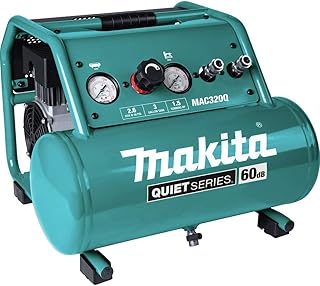

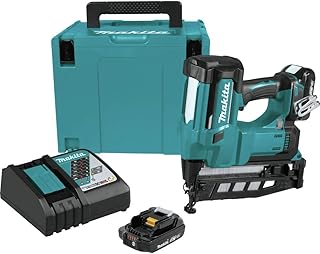


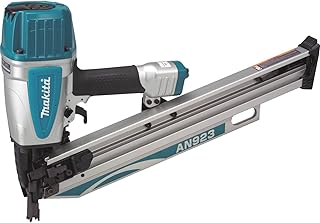
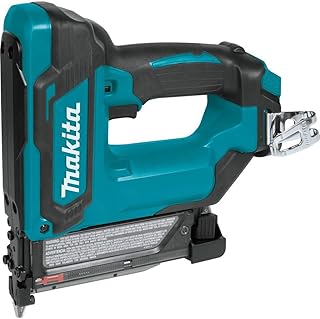


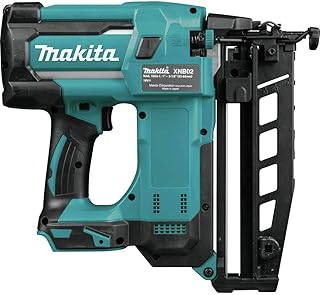


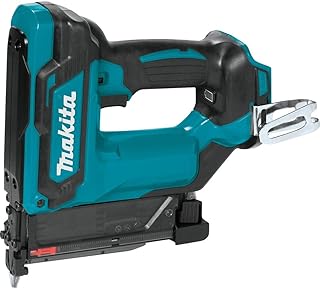

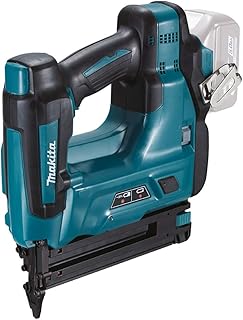


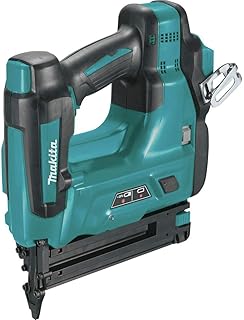


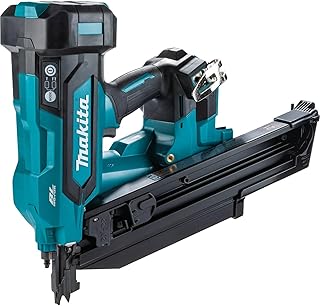


Choosing a Makita cordless nail gun is less about finding the most powerful-looking model and more about matching the fastening system to the material, nail size, workload and cordless platform you already use. Makita offers cordless fastening tools across several applications, so specifications that matter for framing are not necessarily the same specifications that matter for finish carpentry, trim installation or cabinetry.
For Canadian buyers, the buying decision also deserves attention to battery compatibility, charger requirements, cold-weather working conditions, replacement fasteners, tool weight and the availability of compatible accessories. A nailer that appears attractive because of a lower initial price may not be the most economical choice if it requires a different battery platform or uses less common nails.
This guide explains the key differences to evaluate when comparing Makita cordless nail guns and helps narrow the choices according to real-world applications rather than headline specifications alone.
The phrase “cordless nail gun” covers several very different tools. The first step in comparing Makita options is therefore to identify the fastening category.
Framing nailers are designed for structural and heavy-duty construction tasks such as wall framing, roof-related work, subfloor installation and other applications where longer, larger-diameter nails are required. They generally prioritize driving capability, magazine capacity, durability and productivity.
A framing nailer is usually unnecessary for delicate interior trim. Conversely, a small finish or brad nailer is not an appropriate substitute when a project requires structural fastening.
Finish nailers are intended for applications where a stronger fastening connection is required than a small brad can provide, while still producing a relatively neat finished surface. Common applications include interior trim, moulding, door casing, baseboards and selected woodworking projects.
When comparing finish nailers, pay close attention to the supported nail gauge and length range. A tool that accepts one size of finish nail may not be suitable for every trim material or joint.
Brad nailers use smaller-gauge fasteners and are particularly useful for lightweight trim, cabinet components, decorative mouldings and woodworking projects where minimizing visible holes is important.
Because brad nailers are designed around smaller fasteners, they should not be selected simply because they are lighter or more compact. The fastening strength must match the application.
Pin nailers are designed for extremely small fasteners and are useful for delicate woodworking, veneers, small mouldings and assembly work where a larger nail would leave an unnecessarily large hole.
Their narrow application range makes fastener compatibility particularly important. Before buying, check both the supported pin diameter and the available length range.
Some cordless fastening tasks are better handled by a stapler or specialty fastening tool rather than a conventional nail gun. If the project involves upholstery, sheathing, fencing-related fastening or other staple-specific applications, compare the appropriate tool category instead of trying to make a nailer perform outside its intended purpose.
The most useful way to compare nail guns is to begin with the job and work backwards toward the tool.
Choose a framing-oriented nailer when the work involves structural timber and longer framing nails. Prioritize driving performance, magazine design, ergonomics, battery endurance and fastener availability.
A finish nailer is generally more appropriate for heavier interior trim. The correct nail length depends on the thickness and material of the trim, the substrate and the fastening requirements of the project.
A brad nailer can be a better fit when working with relatively thin mouldings, cabinet components and woodworking assemblies. The smaller fastener can reduce visible holes and minimize the risk of splitting suitable materials.
A pin nailer can make sense where the primary requirement is discreet temporary or light-duty fastening. It is not intended to replace a finish or framing nailer when the joint needs substantially greater holding power.
One of the biggest advantages of a cordless nail gun is the ability to work without an air compressor and pneumatic hose. However, that convenience makes the battery system part of the purchasing decision.
If you already own compatible Makita cordless tools, a bare-tool nailer may be attractive because you may already have suitable batteries and a charger. Buyers starting from scratch should calculate the cost of the complete system, including batteries and charging equipment where required.
A bare tool can have a lower purchase price, but that does not necessarily mean it is the cheaper option for a new cordless-tool user. A kit may include a battery, charger and carrying solution, depending on the configuration.
Always check the exact package contents before comparing retailer prices. Two listings with apparently identical tool names can represent different packages.
Battery capacity affects how long a cordless nailer can operate between charges, but runtime varies with the application. Nail size, material hardness, firing frequency, operating temperature and battery condition can all affect practical performance.
For occasional DIY work, a smaller battery may provide a more compact setup. For intensive construction work, having additional compatible batteries can reduce interruptions.
Canadian users should consider the effect of low temperatures on cordless equipment. Batteries can behave differently in cold environments, and outdoor construction during winter may place additional demands on both the battery and the tool.
Follow the battery manufacturer's operating, charging and storage instructions, especially when moving batteries between heated indoor spaces and cold outdoor work areas.
A nail gun is only useful if the correct fasteners are readily available. Before purchasing a Makita cordless nailer, examine the supported nail specifications rather than relying on the product category alone.
Nail diameter influences both holding strength and the size of the resulting hole. Larger structural fasteners are appropriate for applications that require greater fastening capacity, while smaller finish and brad nails are better suited to visible interior work and woodworking.
The correct nail length depends on the materials being joined and the depth of penetration required into the supporting material. Using an unsuitable nail length can compromise the joint or cause unwanted penetration.
Different nailers can require specific collation styles and fastener configurations. Check the manufacturer's specifications before buying large quantities of nails, particularly when switching from a pneumatic nailer to a cordless model.
Before committing to a less common nailer specification, search Canadian retailers and tool suppliers for compatible fasteners. A low-cost nailer can become inconvenient if compatible nails are difficult to source or available only through limited channels.
Driving performance is an important comparison point, but buyers should avoid judging a nailer from one specification in isolation.
A nailer needs enough driving capability for the intended material and fastener. Harder materials and longer nails generally demand more from the fastening mechanism.
For construction applications, compare the tool's stated capabilities with the manufacturer's recommended materials and fastener range rather than assuming that a higher headline specification automatically makes one tool better.
Depth adjustment allows the user to control how deeply the fastener is driven. This can be particularly important when moving between different materials or when working on visible trim.
An adjustable depth setting can help prevent proud nails and excessive countersinking, but correct adjustment still depends on the material, nail and application.
For repetitive work, consistent fastening can be more useful than maximum theoretical driving power. A good comparison should therefore consider how easily the tool can be adjusted and operated repeatedly.
The trigger and firing system affects both productivity and control. Depending on the model and application, cordless nailers may support different firing modes.
Sequential operation requires a deliberate sequence before each nail is fired. It generally offers greater control and can be preferable for precise placement.
Contact actuation can increase speed during repetitive fastening where the application and tool permit it. However, the correct operating method depends on the specific tool, job and safety requirements.
Do not assume that every Makita cordless nailer provides the same firing modes. Check the exact model specifications before purchasing.
Magazine design has a direct effect on productivity. A larger magazine can reduce the frequency of reloads during repetitive work, while a compact magazine can contribute to a smaller overall tool design.
Also consider how easy it is to identify the remaining fasteners, release a jam and reload the magazine. These details become increasingly important when a nailer is used for extended periods.
Repeatedly firing a nailer without an appropriate fastener can cause unnecessary wear and can damage workpieces. A dry-fire lockout or similar feature can help prevent firing when the magazine reaches a low fastener level, depending on the model.
When comparing tools, treat these features as part of the overall operating experience rather than assuming every cordless nailer has identical controls.
Tool weight is important, particularly when working overhead or performing repetitive trim installation. However, two tools with similar weights can feel very different because of their balance, handle shape and battery position.
A well-balanced nailer can feel easier to control than a tool with a similar overall weight but a less convenient centre of gravity. Consider how the battery changes the balance of the tool.
The grip should allow the user to maintain control without excessive pressure. Trigger access also matters when firing hundreds of fasteners during a project.
For overhead trim, framing or installation tasks, even modest additional weight can become noticeable over time. Compact dimensions and balanced weight distribution can therefore be more valuable than maximum power.
Never choose a nailer solely on the assumption that it will always be used one-handed. The safe operating method depends on the application and manufacturer's instructions. Work positioning should provide adequate control and keep hands away from the fastening area.
Cordless nailers eliminate the compressor and air hose associated with many pneumatic systems. This can simplify setup and improve mobility around a worksite.
That does not mean cordless operation eliminates all noise or vibration. A powered nailer still produces mechanical noise and movement during firing, so appropriate hearing and personal protective equipment should be considered.
The choice between cordless and pneumatic equipment depends heavily on the working environment.
The better choice depends on the user's existing equipment, workload, mobility requirements and willingness to manage batteries or compressed air.
Makita is one of several established power-tool brands competing in cordless fastening equipment. When comparing it with brands such as DeWalt, Milwaukee, Bosch and Metabo, the most useful approach is to compare specific tool specifications rather than brand reputation alone.
Compare battery-platform compatibility, supported fasteners, tool weight, firing modes, adjustment controls and package contents. If you already own several tools from one battery ecosystem, platform compatibility can be a decisive factor.
For buyers choosing between Makita and Milwaukee, compare the exact nailer categories available for the intended application. Examine fastener compatibility and complete system cost rather than comparing brands based on one flagship model.
Bosch and Makita both offer extensive cordless tool ecosystems, but individual fastening products can differ considerably. Focus on the specifications relevant to your project, particularly nail size, battery requirements and ergonomics.
Metabo can also be relevant when comparing professional-grade cordless equipment. As with any brand comparison, check the specific model's fastener range, power system, weight, operating modes and local accessory availability.
This is the most fundamental mistake. A brad nailer cannot replace a framing nailer simply because both tools are cordless.
Some buyers compare tool prices without checking the ongoing cost and availability of compatible fasteners. Always investigate the nails you expect to use regularly.
A bare tool and a kit containing batteries and a charger are not equivalent purchases. Compare like-for-like packages.
More power is not automatically better. Excess capability can mean additional weight or cost without providing a meaningful benefit for light-duty applications.
Published tool weight may not tell the complete story if the battery is sold separately. Consider the actual configuration you will use.
Always verify nail diameter, length, collation and other compatibility requirements before ordering the tool.
Makita has multiple cordless platforms and battery generations. Never assume compatibility based only on the Makita name. Confirm the exact battery system specified for the nailer.
If you are creating a shortlist of ten products, a structured comparison makes it easier to identify the best option for each type of buyer.
Prioritize a suitable heavy-duty nailer with the required fastener range, reliable battery availability, comfortable ergonomics and enough capacity for the workload. A framing-oriented model should be considered when structural fastening is the primary requirement.
Look for a finish nailer with the correct gauge and length range, useful depth adjustment, manageable weight and good control during repetitive trim installation.
A brad nailer can be a practical choice for many light woodworking projects. Buyers should prioritize simplicity, compact handling, compatible fasteners and reasonable battery requirements.
Occasional users should pay close attention to total ownership cost. If compatible Makita batteries are already available, a bare tool may make more sense. Otherwise, the complete kit price should be considered.
For repetitive professional work, magazine capacity, battery management, ergonomics, fastener availability and operating consistency can be more important than the lowest purchase price.
Canadian buyers should compare products based on the exact local configuration. Retail listings can differ in package contents, included batteries, charger configuration and accessories.
Before purchasing, check the Canadian product listing carefully and confirm that the model number matches the specification you researched. This is especially important when similarly named products exist in different markets.
A deal is only useful when the product meets your requirements. A lower-priced nailer that requires additional batteries, uses inconvenient fasteners or lacks an important operating feature may have a higher effective cost.
When comparing offers, calculate the complete setup needed for the job. Consider the nailer, battery, charger, fasteners and any essential accessories. Then compare the resulting cost with competing models in the same category.
Percentage discounts can make products appear dramatically cheaper, but the underlying price and package configuration still matter. Compare the actual purchase price and included equipment rather than relying on a promotional percentage alone.
Customer reviews can reveal useful information about ergonomics, ease of loading and everyday usability. However, reviews should be interpreted alongside manufacturer specifications. A review describing one user's experience does not establish universal performance.
When reading verified customer feedback, focus on recurring themes rather than isolated comments.
Give greater weight to reviews that clearly describe the application and fastener used. A comment from someone using a finish nailer for occasional trim work may not be relevant to a professional framing application.
Regular care can help keep a cordless nailer operating reliably. Always follow the manufacturer's instructions for the exact model because maintenance requirements can vary.
Dust, wood debris and fastener fragments can accumulate around the magazine and firing area. Keep these areas clean according to the manufacturer's maintenance instructions.
Look for obvious damage, loose components, unusual wear or other conditions that could affect safe operation. Do not use a damaged tool until it has been appropriately assessed.
Keep battery contacts clean and protect batteries from moisture, excessive heat and physical damage. Store and charge them according to the manufacturer's instructions.
Do not substitute incompatible nails simply because they physically appear to fit. The correct fastener specification is essential for safe and reliable operation.
Some cordless nailers may require specific inspection, lubrication or servicing procedures. Follow the instructions provided for the exact model instead of applying generic maintenance practices.
A cordless nail gun is a powerful fastening tool and should be treated accordingly. Read the manufacturer's instructions before operation and use the safety equipment appropriate for the job.
Compact cordless operation can be convenient for renovation projects where dragging a compressor and hose through finished rooms would be inconvenient. Weight, manoeuvrability and noise can become important considerations.
In a workshop, the choice can depend on whether compressed air is already available. If the workshop has an established pneumatic system, a cordless nailer should be evaluated primarily for portability and convenience.
Outdoor users should consider weather exposure, temperature and battery management. Keep the tool and batteries within the environmental limits specified by the manufacturer.
Cordless equipment can be especially convenient when transporting a compressor is impractical. However, remote users should plan battery capacity and charging requirements before beginning a long work session.
Professional users should treat batteries as part of the tool system rather than an accessory. Having charged compatible batteries available can be more valuable than selecting a tool with a marginally different specification.
For longer projects, establish a charging routine that matches the work schedule. Avoid exposing batteries to unsuitable temperatures or storage conditions, and follow the battery manufacturer's instructions.
Existing Makita users may have a practical advantage because compatible batteries and chargers can potentially be shared across tools within the same platform. However, compatibility must be confirmed for the exact nailer and battery system.
For a user who already has suitable batteries, the purchase decision can focus more heavily on the nailer's fastening specifications, ergonomics and application. For someone entering a cordless ecosystem for the first time, the battery and charging investment should be included in the comparison.
For occasional home projects, cordless operation can be convenient because there is no need to establish a compressed-air setup. It can make sense for trim, woodworking and other tasks where portability is valuable.
However, buyers should first determine how frequently they will use the tool. If a nailer will only be used once for a small project, renting or borrowing suitable equipment may be worth considering alongside purchasing.
When comparing shortlisted models, create a simple specification table and fill it with verified information from the exact product listings. This avoids choosing a product based on assumptions or confusing specifications from different variants.
Product names can be surprisingly similar. A difference in model number can indicate a different nailer category, battery platform, package configuration or market-specific specification.
Before purchasing, compare the exact model number shown on the retailer listing with the model number in the manufacturer's documentation. This is one of the simplest ways to avoid ordering the wrong tool.
A useful top-10 list should not simply rank ten tools from highest to lowest. Different nailers are designed for different jobs, so a category-based approach can provide more useful buying information.
This structure prevents a lightweight brad nailer from being judged unfairly against a heavy-duty framing nailer simply because they are both cordless.
Specifications should answer practical questions. If a listing says a nailer supports a particular nail range, ask whether that range covers the fasteners you actually use. If it lists a battery platform, confirm that it matches your existing batteries. If it lists tool weight, determine whether the measurement includes the battery.
Do not assume that every specification is directly comparable between manufacturers. Different brands can measure weight, runtime or performance under different conditions. The safest approach is to compare like-for-like specifications and use the manufacturer's documentation for the exact model.
The purchase price is only one part of the cost of owning a cordless nailer. Consider the complete system required for your work.
This approach is particularly useful when comparing a bare Makita nailer with a competing kit that already includes batteries and charging equipment.
A higher purchase price can be justified when the additional features directly solve a problem you encounter regularly. For example, professional users may value ergonomics, battery management, fastener capacity and productivity more than an occasional DIY user.
However, do not pay extra for capabilities you will never use. The best purchase is the one whose specifications align closely with your actual workload.
A simpler nailer can be the smarter option when your projects are limited to occasional trim, small woodworking tasks or other light-duty applications. If you already own compatible batteries, a straightforward bare-tool purchase may also reduce unnecessary equipment duplication.
There is no single best Makita cordless nail gun for every Canadian buyer. The right choice depends on whether you need a framing, finish, brad, pin or another type of nailer, along with the required fastener range, battery platform and workload.
A suitable Makita cordless nailer can be considered for professional applications when its specifications match the intended workload. Buyers should evaluate the exact model rather than treating all cordless nailers as interchangeable.
Only if the battery is compatible with the exact nailer and platform. Check the manufacturer's compatibility information rather than assuming that every Makita battery works with every cordless tool.
Makita offers cordless fastening tools intended for different applications, including models designed around larger fastening requirements. For framing, choose a model specifically intended for the appropriate framing fasteners and verify its specifications.
The main difference is the type and size of fastener used. Brad nailers generally use smaller fasteners for lighter trim and woodworking, while finish nailers use larger finish nails for applications requiring greater fastening strength.
No. A cordless nail gun uses its battery-powered drive system rather than compressed air from an external compressor. This eliminates the need for a pneumatic hose during normal cordless operation.
A cordless nailer can be heavier because the battery and onboard drive system are integrated into the tool. However, overall convenience can improve because there is no compressor or hose to transport and manage.
The correct nail size depends on the nailer, materials and application. Always remain within the manufacturer's specified fastener range and select a length appropriate for the materials being joined.
A suitable finish or brad nailer can be appropriate for baseboard installation depending on the thickness of the material, substrate and fastening requirements. Select the nailer and fastener based on the specific installation.
No. A brad nailer is designed for smaller fasteners and lighter applications. Structural framing requires an appropriate framing fastening system.
Check the exact model number, nail size range, battery platform, package contents, firing modes, tool weight, magazine capacity and availability of compatible fasteners in Canada.
If you already own compatible batteries and a charger, a bare tool may be practical. If you do not own the required battery system, compare the total cost of a kit against buying the components separately.
Depth adjustment can be particularly useful when working with different materials and visible trim because it helps control how far the fastener is driven. Its importance depends on the application.
Not necessarily. Battery capacity can influence runtime, but tool performance depends on the complete system and operating conditions. A larger battery can also add weight, so choose a capacity appropriate for your workload.
Cold temperatures can affect battery behaviour and charging requirements. Follow the manufacturer's temperature, storage and charging guidance and avoid using or charging batteries outside their specified conditions.
The smartest way to choose among Makita cordless nail guns in Canada is to start with the fastening task rather than the product ranking. Identify the material, nail size, required fastening strength and expected workload first. Then compare compatible models for battery platform, ergonomics, magazine design, firing modes, depth adjustment and total ownership cost.
For existing Makita users, battery compatibility can simplify the decision. For new cordless-tool buyers, the complete battery and charging ecosystem should be included in the budget. Professional users should emphasize productivity, fastener availability and long-session ergonomics, while occasional DIY users may benefit more from simplicity, portability and value.
Before placing an order, verify the exact model number and current Canadian package configuration. Check the manufacturer's specifications, compare current retailer listings, review verified customer feedback and confirm that compatible fasteners are readily available. A careful specification-based comparison is more reliable than choosing solely from a promotional price, review score or “best” label.
The best Makita cordless nail gun is the one that matches your fastening requirements, not necessarily the one with the highest specification or lowest advertised price. For Canadian buyers in 2026, the strongest purchasing decision comes from comparing the exact model, compatible fasteners, battery ecosystem, ergonomics, operating features, package contents and long-term cost together.