
♥ Wishlist
Compare 41 Health Monitors for Everyday Wellness in Canada products in Canada. Reviews, ratings, pros, cons and buying advice updated for October 2026.








Choosing a health monitor is not simply a matter of selecting the device with the longest feature list. The most suitable option depends on what you want to measure, how often you plan to use it, how easily you can understand the readings, and whether the device is appropriate for the intended purpose. A home health monitor can be useful for tracking trends and sharing information with a healthcare professional, but it should not automatically be treated as a substitute for professional medical assessment.
For Canadian shoppers, the buying decision also involves practical considerations such as metric units, Canadian availability, replacement accessories, warranty terms offered by the manufacturer or retailer, compatibility with smartphones, battery or charging requirements, and whether the device is intended for home wellness tracking or a more specific health-monitoring purpose.
A smart buy is not necessarily the cheapest monitor or the device with the greatest number of sensors. It is the product that provides the measurements you actually need with a sensible combination of usability, measurement capability, build quality, connectivity, and ongoing ownership requirements.
The term health monitor covers several different categories of consumer devices. Before comparing individual models, identify which type best matches your intended use.
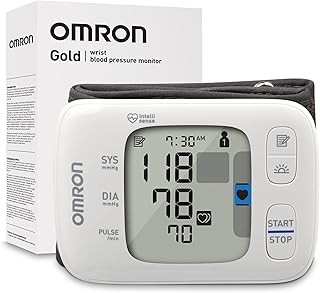
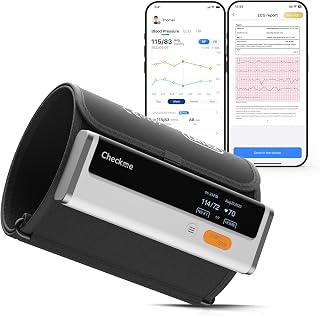
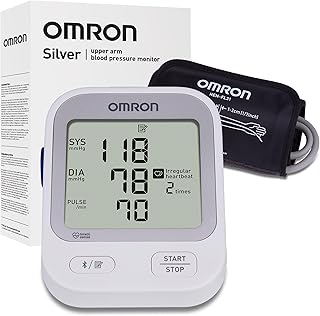
Home blood pressure monitors are designed to measure blood pressure using an inflatable cuff and electronic measurement system. Upper-arm models are commonly considered when consistent home measurements are important. Wrist devices can be more compact, but correct positioning is particularly important because readings can be affected by how the wrist is held during measurement.
When comparing blood pressure monitors, pay close attention to cuff sizing. A monitor with advanced memory or smartphone features is of limited value if the cuff does not fit the person using it correctly.
Brands such as Omron and Beurer are among the names Canadian shoppers may encounter when researching home blood pressure equipment. Always examine the exact model specifications rather than assuming that every product from a particular brand has the same capabilities.
Pulse oximeters are small devices that commonly use a fingertip sensor to estimate blood oxygen saturation and pulse rate. They are portable and simple to operate, making them attractive for consumers who want a compact monitoring device.
However, readings can be influenced by factors such as movement, poor sensor placement, cold fingers and other conditions. A single reading should therefore be considered in context rather than interpreted in isolation. If a reading appears unexpectedly abnormal or there are concerning symptoms, professional medical advice is more appropriate than relying solely on the consumer device.
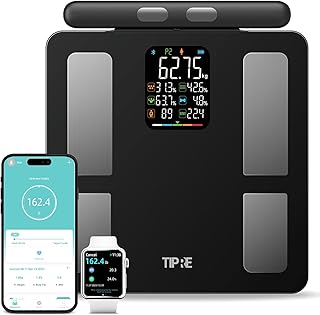
Smart scales can measure body weight and, depending on the model, provide additional estimates such as body fat percentage or other body-composition metrics. Many connect to a smartphone application so users can view changes over time.
These devices can be useful for trend tracking, but consumers should distinguish between directly measured weight and algorithm-based body-composition estimates. Results can vary with hydration, measurement conditions and the technology used. A smart scale is therefore better viewed as a tracking tool than as a replacement for clinical body-composition assessment.
Smartwatches and fitness trackers can monitor activity, heart rate and other wellness-related metrics. Depending on the model, they may also offer sleep tracking, workout monitoring or additional sensor-based functions.
Wearables are particularly useful for users who want continuous or frequent lifestyle tracking rather than occasional spot measurements. When comparing them, consider battery life, sensor functionality, display readability, smartphone compatibility, comfort and the quality of the accompanying app.
Digital thermometers provide a simple way to measure body temperature. Important comparison factors include measurement method, display readability, operating procedure, cleaning requirements and whether the device is designed for the intended age group.
Infrared thermometers can provide convenient contactless measurement, while traditional digital thermometers may use a different measurement method. Follow the manufacturer's instructions carefully because technique can influence results.
Start by understanding how the device obtains its readings. Different technologies can produce different types of measurements, and some require specific positioning or preparation.
Do not compare products purely by the number of sensors or advertised features. A simpler monitor that performs the measurement you need and is easy to use consistently may be a better purchase than a complicated multi-function device.
A large, high-contrast display can make a significant difference for home monitoring. Look for clearly separated numbers, understandable symbols and controls that can be operated without confusion.
Older users or people with limited vision may particularly benefit from a monitor with large digits and straightforward controls. A connected app can provide additional information, but it should not be assumed to replace an easily readable device display.
Built-in memory can be helpful when you want to compare measurements over several days or weeks. Some monitors store multiple readings, while others synchronize information with a smartphone application.
Before choosing a connected model, check whether the app supports the smartphone operating system you use and understand how the device stores and displays historical information.
Bluetooth connectivity can make it easier to transfer measurements to a phone. This can be useful for users who want graphs, historical records or a consolidated view of measurements.
However, connectivity introduces another layer of complexity. Check whether the app is required for important functions, whether the device can still be used without a phone, and whether the manufacturer's software supports your current device.
Consider how the monitor will be powered before purchasing. Battery-powered devices can be convenient for travel, while rechargeable models may reduce the need for disposable batteries.
For frequently used equipment, also consider how easy it is to check the battery status and whether replacement batteries are readily available in Canada.
If the monitor will stay in one room, size and weight may not matter greatly. For travel, however, compact dimensions, protective storage and battery operation can become more important.
Portable does not automatically mean better. Prioritise the form factor that fits your normal routine.
Cuff size deserves special attention when buying a blood pressure monitor. The cuff needs to be appropriate for the user's arm circumference and installed according to the manufacturer's instructions.
A monitor with sophisticated electronics cannot compensate for an incorrectly fitted cuff or inconsistent measurement technique.
Accuracy is one of the most important considerations when purchasing equipment that measures a health parameter. Marketing language alone should not be treated as proof of clinical suitability.
Look for clear manufacturer information about the device's intended use and measurement performance. Where applicable, investigate whether the specific model has been independently validated under an appropriate recognised protocol. It is important to verify the exact model number because validation for one device does not automatically establish the same status for another product from the same brand.
Canadian consumers should also distinguish between regulatory status, manufacturer claims and independent validation. These are different concepts and should not be presented as interchangeable.
A low purchase price does not necessarily represent the lowest total cost. Consider batteries, replacement accessories, app compatibility, consumables and the expected usability of the device.
Extra functions can sound attractive, but unnecessary complexity may make a monitor harder to use. Select the capabilities that support your actual monitoring routine.
This is especially important for cuff-based devices and wearable monitors. Check dimensions, adjustment ranges and manufacturer recommendations before purchasing.
Consumer health monitors can provide useful information, but readings should be interpreted within the limitations of the device and the circumstances in which the measurement was taken. A home monitor should not be used to diagnose a medical condition independently.
Even a well-designed device can produce misleading results when used incorrectly. Read the instructions and follow the manufacturer's recommended procedure every time.
A connected health monitor can become frustrating if its application does not support your phone, operating system or preferred workflow. Confirm compatibility before purchasing.
A structured comparison can make it easier to identify the best value. Instead of comparing advertisements, create a shortlist based on the features that matter most to you.
Prioritise simplicity, readability and physical usability. Large numbers, uncomplicated controls and an appropriate cuff or sensor size may be more valuable than advanced connectivity.
Multi-user memory can be useful when several people use the same device. Check how user profiles are configured and whether the stored measurements can be clearly separated.
Look for a monitor that is comfortable, straightforward to operate and capable of storing sufficient historical readings. Consistent technique matters just as much as the device's feature list.
Compact dimensions, a protective case, reliable battery operation and straightforward setup may be the most important characteristics.
Connected models can make long-term tracking easier. Check Bluetooth compatibility, application requirements, data storage features and whether the device remains functional if the phone is unavailable.
Correct technique is essential when using any health-monitoring device. Read the manufacturer's instructions before the first measurement and repeat the recommended process consistently.
For cuff-based measurements, factors such as body position, cuff placement, movement and timing can influence results. Avoid changing your measurement routine from one session to another if your goal is to compare readings over time.
For fingertip or wearable sensors, ensure the sensor is positioned correctly and minimise movement during measurement. If a result seems inconsistent, repeat the measurement according to the device instructions rather than immediately drawing conclusions from a single reading.
Historical information can be more useful than isolated numbers. Depending on the device and the metric being measured, you may want to record the date, time, reading and relevant circumstances.
Routine maintenance can help keep a health monitor usable over time. Follow the manufacturer's cleaning instructions because different sensors, cuffs, displays and housings can have different care requirements.
Modern consumer devices can include multiple sensors and algorithms. More sensors can create additional information, but the usefulness of that information depends on the measurement method, intended use and limitations of the technology.
Heart-rate sensors, optical sensors, accelerometers and other components can support wellness tracking in smartwatches and fitness devices. However, a device displaying a measurement does not necessarily mean that the result is equivalent to a clinical measurement obtained using professional equipment.
When comparing advanced devices, look beyond the number of available metrics. Ask whether each measurement is relevant to your goal, how it is obtained, whether the manufacturer explains its limitations, and how consistently you are likely to use the feature.
Connected health monitors can store sensitive personal information. Before pairing a device with an application, review the manufacturer's privacy information and understand what data the application collects, stores or shares.
Canadian shoppers may encounter established brands such as Omron, Beurer, Withings, Garmin, Fitbit, Apple, Samsung, Braun, iHealth and other manufacturers across different health-monitoring categories.
Brand recognition should be used as a starting point rather than the final purchasing criterion. Different products from the same manufacturer can have different specifications, intended uses, connectivity options and accessories. Always compare the exact model before making a decision.
When searching for deals, compare the complete product specification rather than focusing only on a temporary advertised price. A discounted monitor is not necessarily better value if it requires accessories that are difficult to replace or lacks a feature that is important to your use case.
Customer reviews can provide useful information about everyday usability, but they should be evaluated carefully. Look for recurring comments rather than treating one positive or negative review as conclusive evidence.
Useful review themes include ease of setup, display readability, cuff comfort, battery behaviour, app pairing, build quality and long-term convenience. Be cautious with reviews that make medical claims that cannot be independently verified.
Also distinguish reviews of the exact model from reviews of a similar product. Product pages can contain several variants, sizes or generations, so verify that the feedback applies to the model you are considering.
Home monitoring can provide useful information, but consumer devices have limitations. They should not be used as the sole basis for diagnosing a condition, changing prescribed treatment or ignoring concerning symptoms.
If measurements are repeatedly unexpected, substantially different from your normal pattern, or accompanied by concerning symptoms, seek appropriate medical advice. In an emergency, contact the appropriate emergency service rather than relying on a consumer health monitor to determine what is happening.
It is also sensible to ask a healthcare professional which measurements are useful for your particular circumstances and how frequently they should be taken. This can help ensure that your home-monitoring routine produces information that is actually relevant.
There is no single best health monitor for every Canadian shopper. The right choice depends on the measurement required, intended user, budget, physical fit, usability, connectivity preferences and other requirements. Compare products according to the metric you need rather than choosing solely by brand or price.
Accuracy varies by device, measurement method, usage conditions and model. Consumers should review the manufacturer's specifications and, where relevant, independent validation for the exact model. Correct positioning and measurement technique are also important.
Many can be, particularly when they have large displays, simple controls and an appropriate physical fit. For older users, usability can be more important than having the largest possible selection of connected features.
Bluetooth can be worthwhile if you want automatic data transfer, historical graphs or smartphone-based record keeping. If you only need occasional readings, a connected model may provide little practical benefit compared with a simpler monitor.
The choice depends on the intended user and the manufacturer's instructions. When comparing blood pressure devices, pay particular attention to the measurement method, fit, positioning requirements and model-specific validation information rather than assuming one form factor is universally superior.
Not necessarily. If your main goal is tracking body weight, a quality digital scale may be sufficient. Body-composition features can provide additional trend information, but estimates should not automatically be treated as clinical measurements.
A smartwatch may provide useful wellness and activity information, and some models offer more specialised health-related features. However, its capabilities depend on the exact model and intended use. Do not assume that a smartwatch measurement is equivalent to a clinical diagnostic test.
The appropriate frequency depends on the measurement and your individual circumstances. Follow the instructions provided with the device and any monitoring schedule recommended by your healthcare professional rather than adopting a universal schedule.
Look for an appropriate cuff size, straightforward operation, readable results, useful memory functions and reliable manufacturer documentation. Where relevant, check whether the exact model has been independently validated under an appropriate protocol.
No. Higher-priced models may offer additional sensors, connectivity or premium design, but those features do not automatically make them more suitable. The best value comes from selecting a device that performs the measurements you need and fits your routine.
Compare the exact model, measurement capabilities, included accessories, fit, connectivity, power requirements, replacement components, manufacturer information and applicable retailer terms. Then compare the current total cost rather than judging a deal by the headline discount alone.
The best smart buy health monitor is the one that fits your specific monitoring needs and can be used correctly and consistently. Start with the measurement you need, then narrow your choices by accuracy information, fit, usability, features, connectivity and ownership requirements.
For Canadian shoppers, compare the exact models available through trusted retailers, check current specifications and pricing, and read verified customer feedback before purchasing. Avoid selecting a device simply because it has the most features or the highest advertised rating. A straightforward monitor that you understand and use correctly can be more useful than a complicated product filled with functions you do not need.
Finally, remember that consumer health monitors are tools for measurement and tracking, not automatic substitutes for medical care. Use them according to their intended purpose, keep your records consistent when tracking trends, and discuss meaningful or concerning results with an appropriate healthcare professional.